Hey there, ice skating enthusiasts (and anyone who just loves a good dose of sparkle and athletic prowess)! Ever found yourself glued to the Winter Olympics, mesmerized by the figure skaters gliding, leaping, and spinning their way into our hearts? If so, you’ve probably heard the terms "short program" and "free skate" tossed around. But what’s the real difference? And why should you care? Well, buckle up, buttercups, because we’re about to dive into the dazzling world of women’s single skating and break down these two crucial components in a way that’s sure to make your Olympic viewing experience even more fun! Think of it as your backstage pass to understanding the magic.
So, let’s get down to it. The Olympics are a big deal for these athletes, right? And when it comes to figure skating, there are two main events where they get to showcase their incredible talents: the short program and the free skate. They might sound similar, but trust me, they’re like two completely different, yet equally spectacular, acts in a show. Each has its own unique set of rules and challenges, and understanding them will totally level up your appreciation for the sheer dedication and skill on display. It’s like knowing the difference between a perfectly crafted appetizer and a decadent main course – both are delicious, but in very different ways!
The Short Program: Precision and Perfection
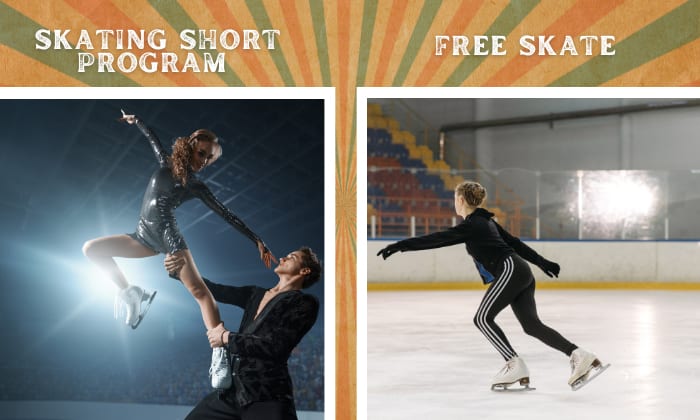
First up, we have the short program. Imagine this: it’s the opening act, the one where the skater needs to hit every single mark with absolute precision. This program is, well, shorter than the free skate, hence the name! It’s typically around 2 minutes and 40 seconds long, and it's a tightly choreographed piece where every element is mandatory. No winging it here!
Think of the short program as a carefully curated playlist of required elements. There are specific jumps, spins, and step sequences that must be included. For women, this usually means a solo jump (like a triple axel or a triple lutz), a combination of jumps (often two or three jumps linked together), and a series of challenging spins. The judges are looking for flawless execution of these elements. No wobbles, no falls, just pure, unadulterated brilliance. It’s all about showing off the technical foundation and the skater’s ability to perform under immense pressure. Honestly, the focus and control they need to maintain is mind-boggling!
But it’s not just about ticking boxes. The short program also requires the skater to demonstrate artistry and musicality within these strict constraints. They need to connect with the music, express emotion, and make it all look effortless. It’s a delicate dance between technical demand and artistic expression, and when it’s done right, it’s breathtaking. It’s like a perfectly solved puzzle, where every piece fits exactly where it’s supposed to.
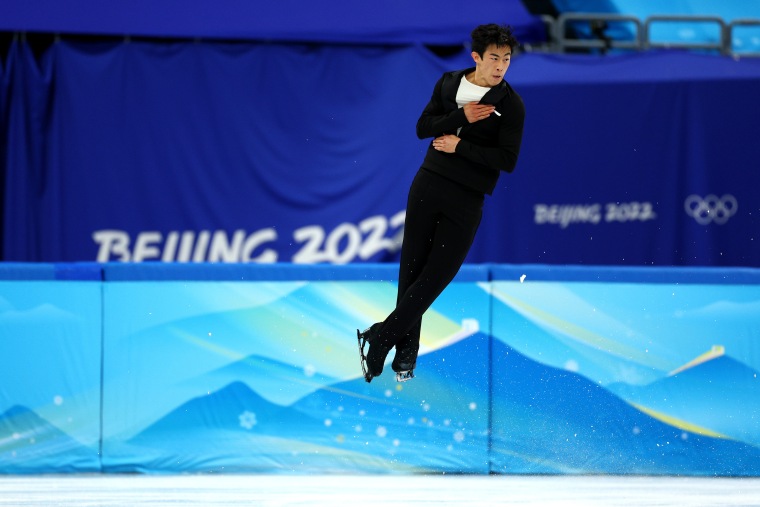
The scores for the short program are a combination of technical merit (how well they execute the required elements) and program components (which cover things like skating skills, transitions, performance, and interpretation of the music). Because it’s so focused and demanding, a strong short program can set a skater up for a fantastic overall result. It’s the crucial first impression, and these athletes nail it, time after time.
The Free Skate: Freedom and Flair
Now, let’s talk about the free skate. This is where the gloves come off, and the skaters truly get to let their personalities and creativity shine! The free skate is longer, usually around 4 minutes, and it offers much more flexibility in terms of the elements that can be included. Think of it as the grand finale, the showstopper, the moment where the audience is on the edge of their seats.

While there are still some required elements, the skater has a lot more freedom to choose which jumps, spins, and other intricate maneuvers they want to perform. They can include more difficult jumps, more complex spin combinations, and more elaborate choreography. This is where you see those gravity-defying quadruple jumps and those mesmerizing, lightning-fast spin sequences that make you gasp aloud. It’s pure athletic artistry at its finest!
The free skate is also where the skater can really tell a story with their performance. They choose their music, and their choreography is designed to express the mood and narrative of the music. This is where you’ll see skaters embody different characters, evoke powerful emotions, and take you on a journey. Some skates are dramatic and powerful, others are whimsical and enchanting, and some are just pure, joyful expression. It’s like watching a mini-movie unfold on the ice, and the music choice can make all the difference, can't it?
The scoring for the free skate also has two main components: technical elements and program components. However, because there are more elements and greater variety, the potential for both high scores and significant deductions is also greater. A skater might attempt a risky quadruple jump – if they nail it, it’s a huge point boost. If they fall or make a mistake, it can cost them dearly. This element of risk adds to the thrilling uncertainty of the free skate.
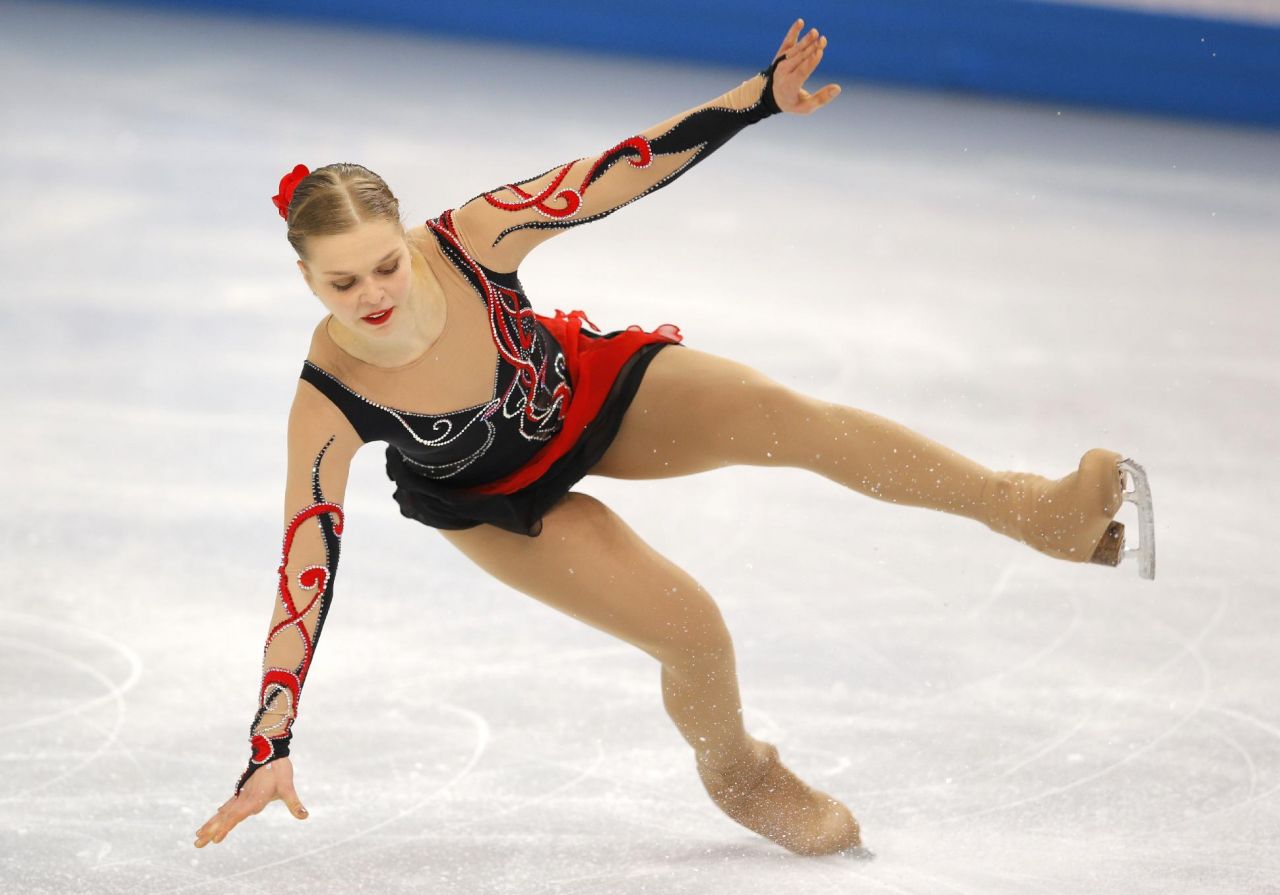
It’s in the free skate that skaters can truly demonstrate their endurance, their strength, and their ability to perform multiple complex elements flawlessly for an extended period. They’re literally pushing the boundaries of what’s humanly possible on ice. And when you see them glide, jump, and spin with such grace and power, it’s impossible not to feel inspired.
Why It Matters (And How It Makes Life More Fun!)
So, why go through all this detail? Because understanding the difference between the short program and the free skate will seriously boost your enjoyment of the Olympics! When you know that the short program is about hitting those specific targets with laser precision, you can marvel at the skater’s discipline. And when the free skate comes around, you can cheer for their daring choices, their artistic expression, and their sheer determination to push the limits.

It’s like knowing the rules of a game. You can appreciate the strategy, the skill, and the unpredictable moments so much more when you understand what’s going on. Plus, it gives you something extra to chat about with your friends and family who might also be watching. "Wow, she really nailed that triple axel in the short program!" or "Can you believe she attempted two quads in the free skate? My heart is pounding!"
Honestly, watching these athletes pour their entire lives into a few minutes of performance is incredibly moving. They train for years, facing injuries, setbacks, and immense pressure, all for the chance to share their passion on the Olympic stage. Their dedication is a powerful reminder of what we can achieve when we set our minds to something we love. It’s a celebration of human potential, resilience, and the pursuit of excellence. And isn't that just the most uplifting thing?
So, the next time the Winter Olympics roll around, or you catch a figure skating competition, you’ll be armed with the knowledge to truly appreciate the nuances of the short program and the spectacle of the free skate. You'll be able to spot the required elements, admire the artistic choices, and feel the thrill of every successful jump and every graceful spin. It's a journey of skill, artistry, and sheer guts, all played out on a frozen stage. Go ahead, dive in! You might just discover a new favorite sport, or at the very least, gain a whole new level of admiration for these incredible athletes. The world of figure skating is waiting, and it’s absolutely sparkling!