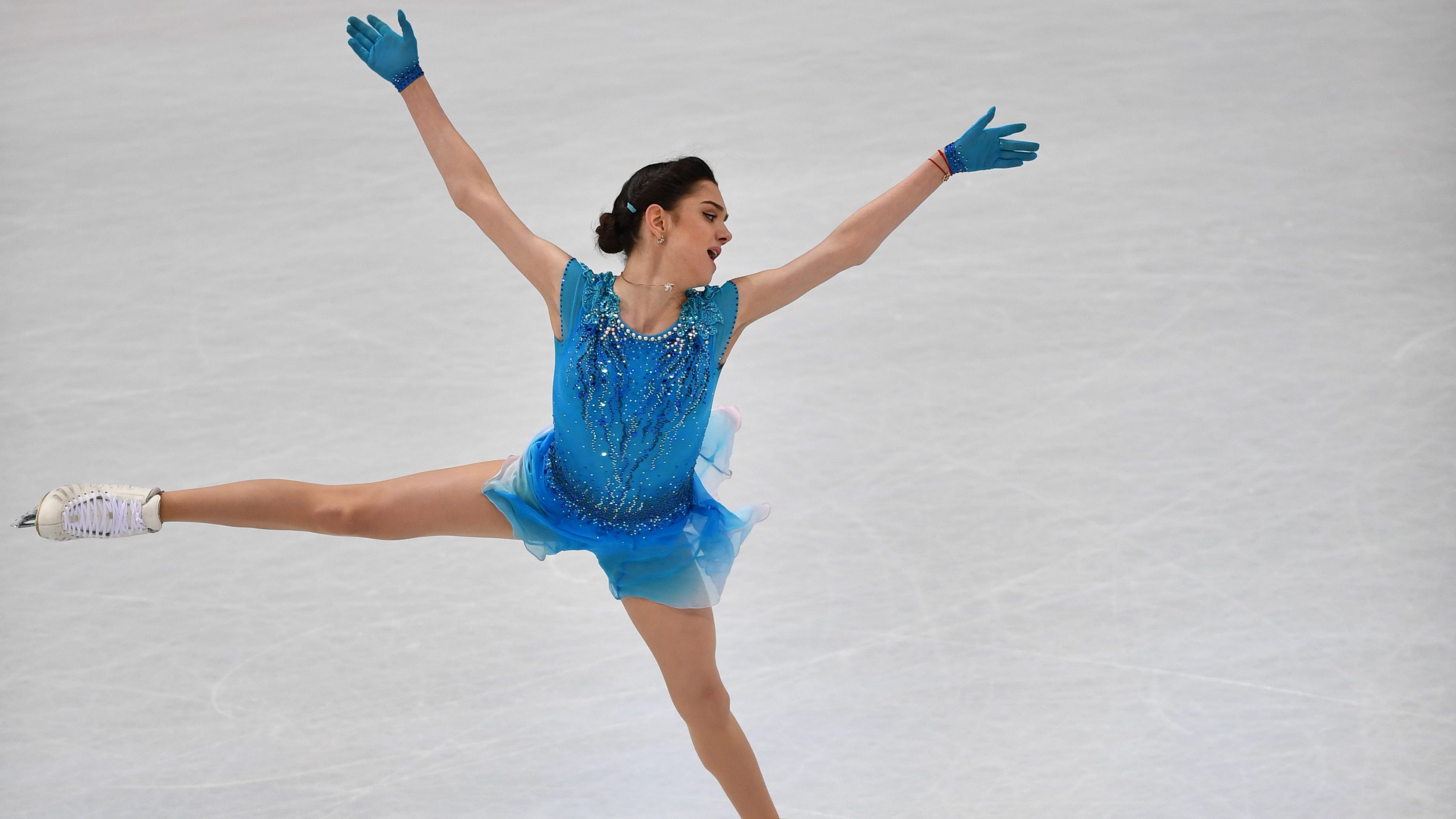
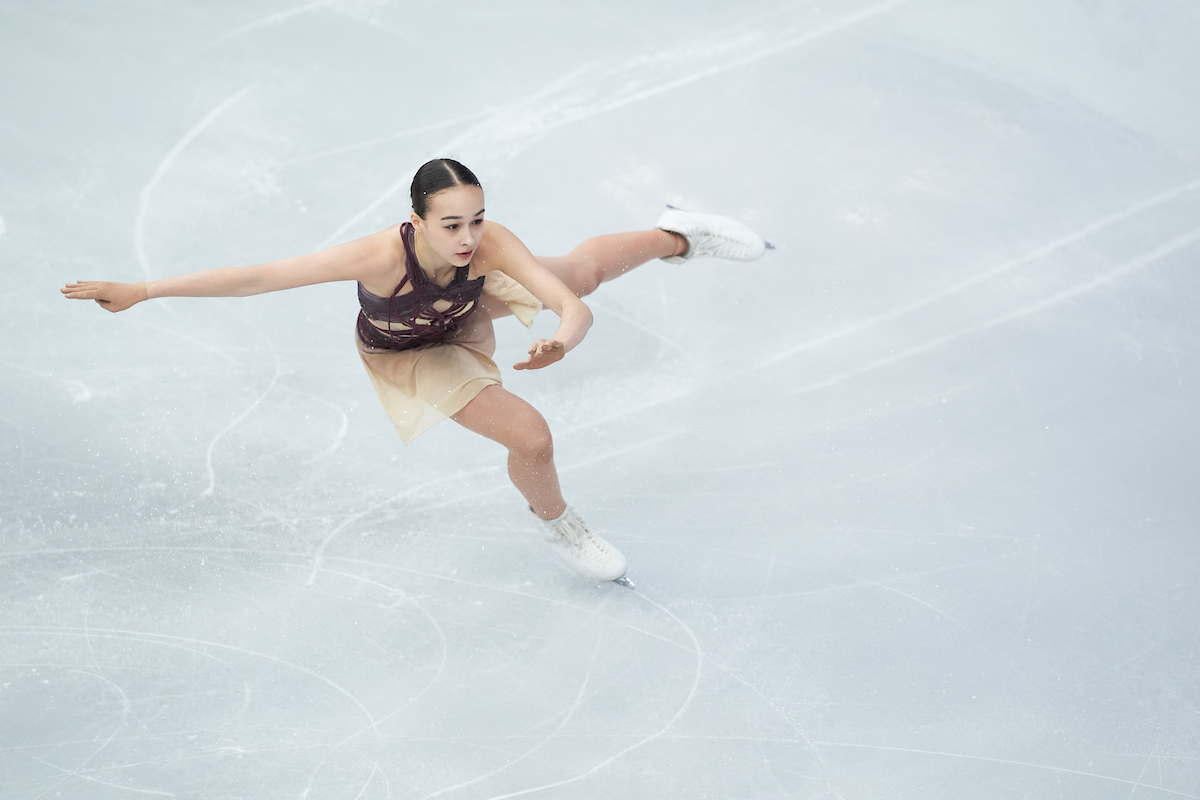
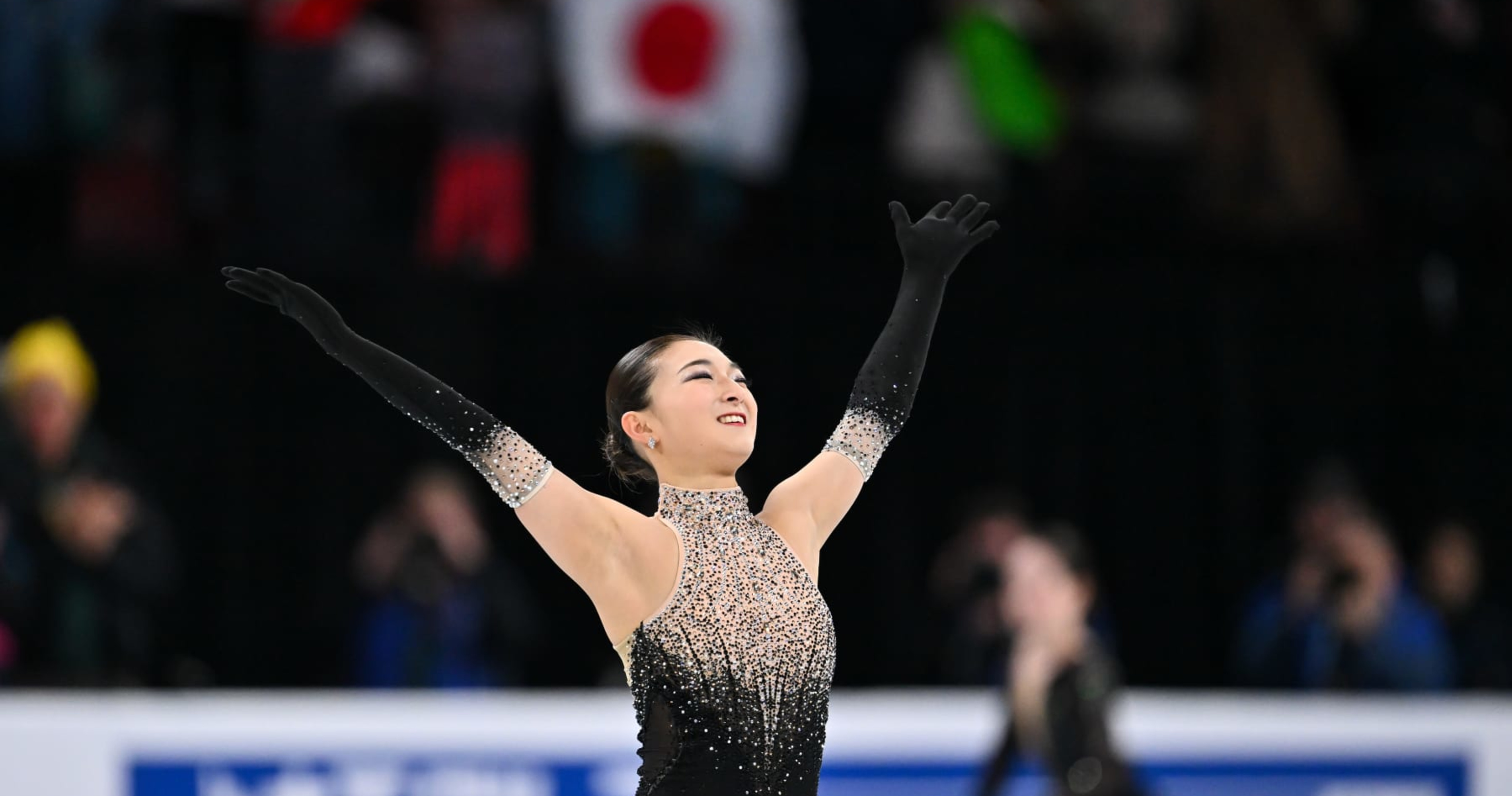
Alright, figure skating fans (and those who just stumbled upon this delightful world of sequins and triple axels!), let's dive into the dazzling drama of the Women's Free Skate. You watched, you gasped, you probably screamed a little at home as those incredible athletes spun, leaped, and landed with unbelievable grace. But how, oh HOW, did the judges arrive at those final scores? It’s not just about who landed the most flashy jumps, you know. It’s a whole lot more nuanced, and frankly, understanding it makes watching the sport even more thrilling!
Think of it like this: figure skating isn't just a competition; it's a performance art. And like any art form, it has its own intricate language and evaluation system. So, let's break down the magic behind those numbers, shall we? Get ready to become a mini-expert and impress your friends at the next viewing party!
The Two Big Pillars: Technical and Program Components
Every score in figure skating, for both the short program and the free skate, is built on two fundamental pillars. These are the Technical Element Score (TES) and the Program Component Score (PCS). They work hand-in-hand to paint the complete picture of an athlete's performance. One isn't more important than the other; they are both crucial ingredients in the recipe for success.
Pillar 1: The Technical Element Score (TES) – The "What"
This is where the jumps, spins, and step sequences come in. Think of the TES as the building blocks of the skate. Each element – a triple Lutz, a flying camel spin, a breathtaking spiral – is assigned a Base Value. This is the starting point, the inherent difficulty of the move itself. For instance, a quad jump will naturally have a higher base value than a triple jump, because, well, it’s four rotations in the air!
But here’s where it gets really interesting: the Grade of Execution (GOE). This is where the judges weigh in on how well that element was performed. Did the skater nail the landing with a strong edge? Was the spin perfectly centered and fast? Did they execute the jump with perfect height and flow? For every positively executed aspect, points are added to the base value. For every wobble, a slight under-rotation, or a shaky landing, points are deducted. It's like getting bonus points for a perfect execution!
Judges can add or subtract points from the base value of an element based on a scale. So, a technically perfect triple Axel might get a much higher final score than a shaky one, even though they started with the same base value. This is why you see skaters pushing for perfection on every single jump and every single spin.
Now, there's a little nuance here. Some elements, like jumps, have specific criteria that the judges look for to award GOE. For example, good height, good speed, good flow, clean landing, and so on. For spins, they’re looking at speed, centering, variety of positions, and fluidity. It’s a meticulous process, and these judges are trained to spot the tiniest details.
Pillar 2: The Program Component Score (PCS) – The "How" and the "Why"
This is where the artistry truly shines! PCS is all about the overall impression of the skater and their program. It’s broken down into five categories, and each one is equally important in painting a complete picture. Think of these as the flavor enhancers that elevate a technically sound skate to a truly memorable performance.
a) Skating Skills:
This is about the fundamental quality of the skating. Are they gliding effortlessly? Do they have strong edges that allow for powerful turns and movements? Is there variety in their speed and flow? It’s about how they connect with the ice. You can have all the jumps in the world, but if your skating skills are weak, it will show. It’s the difference between just getting around the rink and dancing on the ice.

b) Transitions:
This is the glue that holds the program together. How well do the elements flow from one to the next? Are the connections seamless, or are there awkward pauses? Are the transitions interesting and creative, or just functional? Good transitions make the program feel like a cohesive story, not just a checklist of moves. They’re the little bridges that make the journey enjoyable.
c) Performance:
This is the skater's ability to connect with the audience and express the music. Do they look engaged? Are they conveying emotion? Do they have charisma? This is where personality comes out! A skater who truly performs can captivate an audience, even if they have a minor slip-up. It’s about bringing that sparkle and showmanship!
d) Composition:
This refers to the choreography and the overall structure of the program. Is it well-balanced? Are the elements placed strategically? Is there a good mix of difficult and less difficult moments? Does the choreography enhance the music and the skater's strengths? It’s about how the whole piece is put together, like a masterfully crafted painting.

e) Interpretation of the Music:
This is where the skater becomes one with the music. Do their movements match the rhythm and mood of the music? Do they capture the nuances and emotional arc of the piece? A skater who truly interprets the music can make you feel the story they are telling. It’s about breathing life into the melody.
Each of these five categories is scored on a scale of 0.25 to 10.0. Then, these scores are multiplied by a factor (which varies depending on the discipline and program) to give the final PCS. So, you can see how a strong PCS can really boost a skater's overall score, even if their TES isn't the absolute highest.
Putting It All Together: The Final Score
So, the judges meticulously score every single element (TES) and then give their overall impression of the program through the PCS. These two scores are then added together to give the skater's total score for the free skate. And that, my friends, is how we get those final standings you see on the screen!

It’s a system that rewards both incredible athleticism and captivating artistry. It’s a delicate balance, and when a skater manages to excel in both areas, it’s truly a sight to behold. It’s why sometimes a skater might have a fall but still end up with a very high score because their PCS was stellar, or why a skater with technically perfect jumps might not win if their performance lacked that artistic flair.
Understanding this process doesn't just make you a more informed viewer; it actually makes the sport more fun! You start to appreciate the subtle details, the moments of pure brilliance, and the sheer dedication it takes to pull off such a complex performance. It’s a reminder that perfection is a journey, and the effort, passion, and creativity are just as valuable as the flawless landing.
So, the next time you watch a free skate, don't just look for the big jumps. Listen to the music, admire the flow, and appreciate the storytelling. You’ll find yourself cheering for more than just the athletic feats; you’ll be cheering for the complete package, the artistry, and the sheer joy of performance. And that, in itself, is incredibly inspiring!