I remember the first time I really got figure skating. It wasn't some grand Olympic moment, though those are undeniably spectacular. It was actually during a slightly chaotic junior competition I stumbled upon online. There was this one skater, let's call her Anya, who was having a bit of a rough day. She fell on her first jump, a triple salchow, and I could practically feel the collective gasp of everyone watching through my screen. But then, something magical happened. On her next element, a double axel, she absolutely nailed it. It wasn't just a good jump; it was alive. She put so much power into it, her arms carved through the air, and she landed it with this defiant little flourish. The whole energy of her performance shifted. You could see the grit, the determination, the sheer will to overcome that earlier stumble. It was a moment, a tiny sliver of time, but it showed me the heart of this sport. It's not just about flawless execution; it's about resilience, about picking yourself up and shining even brighter.
And that, my friends, is exactly what we're going to dive into today: those electrifying moments in women's free skate that weren't just beautiful or technically impressive, but were downright game-changers. You know the ones I mean. The leaps of faith, the perfectly landed quads, the spins that defy gravity, and the expressions that speak volumes. These are the instants that etch themselves into our memories and redefine what's possible on the ice. Let's just say, we're not just talking about pretty dresses here, although they are pretty spectacular, aren't they? (Seriously, the costume designers deserve their own Olympic medals.)
The Quad Leap: When "Impossible" Became "Maybe Tomorrow"
For the longest time, the quadruple jump was this mythical beast in women's figure skating. A whispered legend, something only the men seemed capable of taming. And then… well, then came the pioneers. These were the skaters who looked at the physics of it all, looked at their own incredible athleticism, and said, "Why not me?" It was a psychological barrier as much as a physical one, and shattering it was… well, it was everything.
Think about Alexandra Trusova. When she started landing those quads consistently, it was like watching a lightning strike. The sheer power required, the rotation… it was mind-boggling. I remember watching one of her early quad attempts and my jaw was firmly on the floor. It wasn't just the jump itself; it was the audacity of it. She was pushing the boundaries, not just for herself, but for the entire sport. It made you wonder, what else could be possible?
And it wasn't just about being able to do the jump; it was about doing it under pressure, in the heat of competition. Those moments where a skater goes for a quad, knowing that if they fall, the score could be significantly impacted, but they do it anyway? That's where the true drama lies. It's a gamble, a calculated risk that, when successful, unleashes a tidal wave of adrenaline, both for the skater and the audience. It’s the equivalent of a Hail Mary pass in football, but with way more sequins.
The "Oh My God, She Landed It!" Moment
This is a classic. We've all been there. You're watching a skater, you know they're going for a particularly difficult jump – maybe a triple axel that’s been a bit iffy, or that elusive quad – and your breath catches in your throat. You’re practically holding your breath, willing them to succeed. And then, BAM. They rotate, they fly, and somehow, miraculously, they stick the landing. It’s not just a clean landing; it's a statement landing. Solid, confident, and utterly exhilarating.
I think about Rika Kihira's triple axel, especially when she was first breaking onto the senior scene. That jump was so big, so powerful, and so consistent for a while there. Seeing her nail it, especially in a program that already had so much artistry and difficulty, was just… chef’s kiss. It felt like she’d unlocked a new level. And it wasn't just her; so many skaters have had these breakout jump moments that have elevated their entire performances and put them squarely in the spotlight. It’s like they’ve found that missing piece, that secret ingredient that makes everything else sparkle.
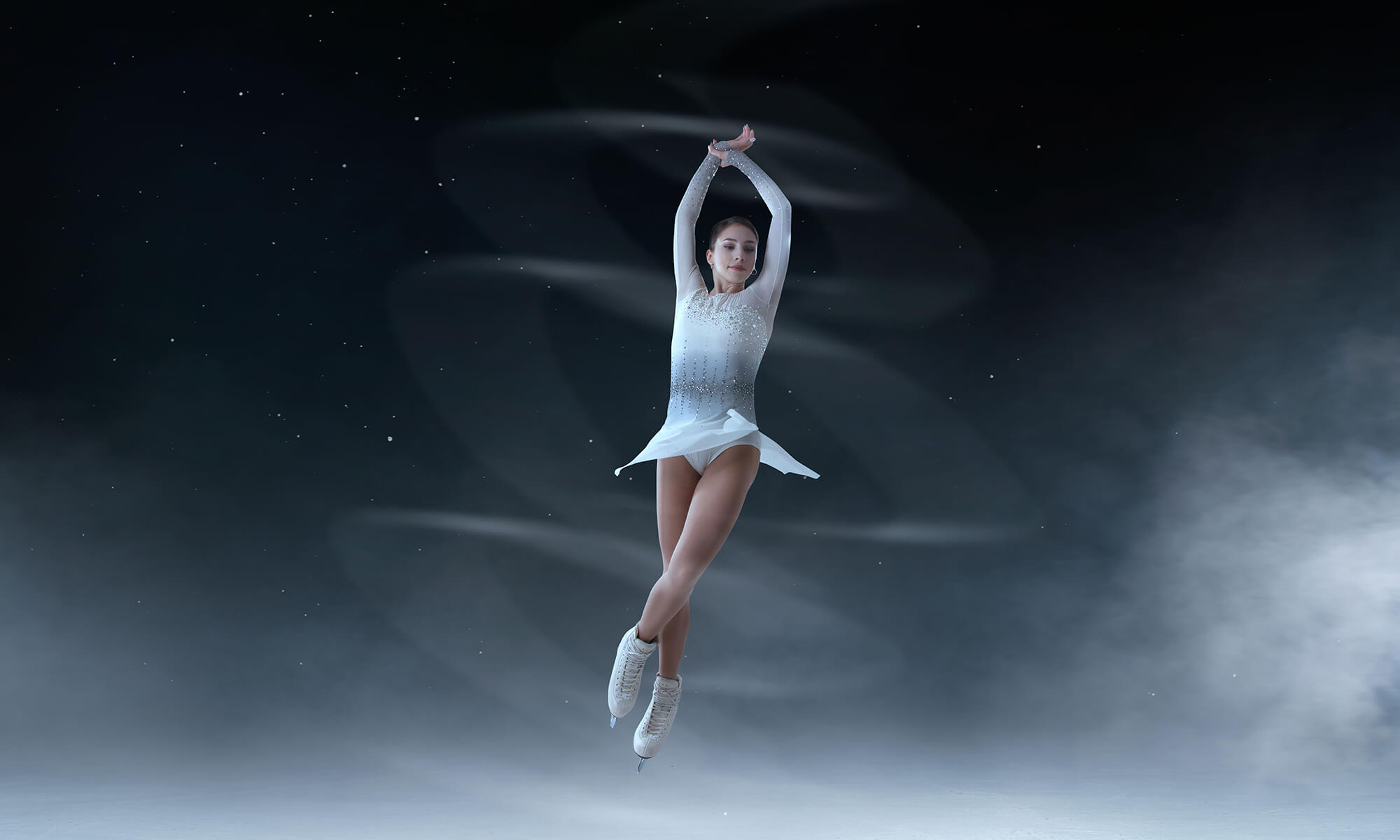
And let’s not forget the mental fortitude. After a shaky landing or a fall on an earlier element, to regroup and then nail a difficult jump later in the program? That takes nerves of steel. It shows a level of mental toughness that is truly inspiring. It’s that quiet strength that makes you root for them even harder, even if you're a neutral observer. You just want them to win, to prove to themselves and everyone else what they’re capable of.
The Triple Axel: The Crown Jewel of Jumps
Ah, the triple axel. The jump that has sent shivers down the spines of skaters and fans alike for decades. Three and a half rotations in the air, taking off forward and landing backward. It's notoriously difficult, requiring immense power, speed, and precision. For a long time, it was the Everest of women's skating, a summit few dared to conquer.
When skaters like Midori Ito first landed it, it was revolutionary. It was a testament to years of dedication and a willingness to push the very limits of the sport. It wasn’t just about the technical execution; it was about the sheer bravery involved. To launch yourself that high, to spin that fast, and to come down cleanly – it’s a feat of human athleticism and courage.
And even now, with more skaters attempting and landing the triple axel, it remains a defining element. A well-executed triple axel can completely transform a program. It adds that extra layer of excitement, that "wow" factor that makes the audience erupt. It’s not just another jump; it’s a statement. It’s saying, "I can do this. I am a contender." It’s the kind of element that makes commentators lose their composure, and honestly, who can blame them? It's pure magic unfolding before our eyes. It's the difference between a good skate and a truly memorable one. It’s that sprinkle of stardust that makes you say, "Did I just see that?"
When the Axel Clicks
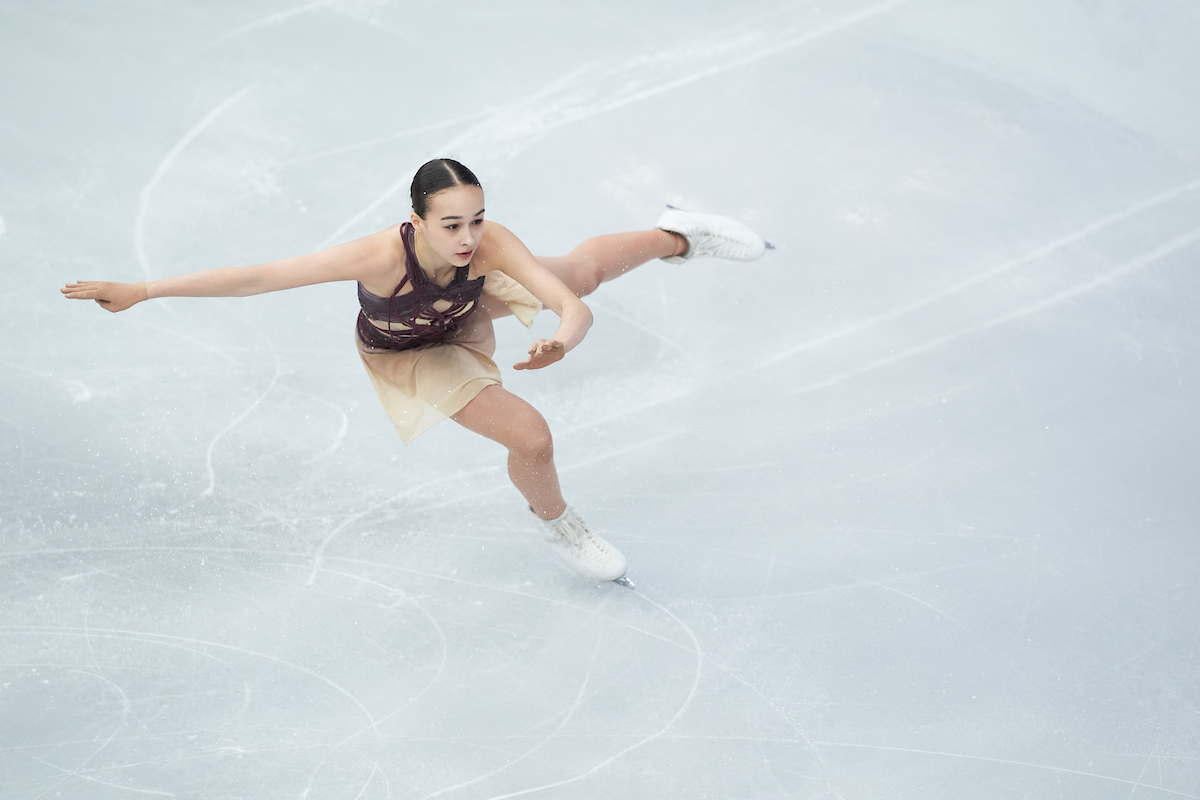
There are moments in a skater's career, and indeed, in a single program, where the triple axel just… clicks. It’s not just a landed jump; it’s a masterpiece. The height, the speed, the perfect rotation, the effortless flow out of the landing – it’s everything you dream of. These are the moments that make you feel like you’re witnessing history in the making.
Think about skaters who have had periods where their triple axel was almost guaranteed. It’s a beautiful thing to watch. It’s the embodiment of perfect technique and raw power working in harmony. And when it’s part of a beautifully choreographed program, with expressive skating and captivating music, it becomes something truly transcendent. It’s not just a technical element anymore; it’s an integral part of the storytelling. It's like the crescendo in a symphony, the point where all the tension and beauty coalesce into something breathtaking. You can practically feel the collective sigh of relief and admiration from the audience. And sometimes, you even hear a few delighted squeals. Guilty as charged!
The Artistry That Lifts the Skater
But it's not all about the jumps, is it? While those gravity-defying feats are undeniably thrilling, there are other moments, subtler yet equally powerful, that can change the entire trajectory of a program and a skater's career. These are the moments where the artistry takes over, where the skater connects with the music and the audience on a deeper level.
Think about a particular spin. It's not just about the rotations; it's about the expression in that spin. The fluidity, the extension of the limbs, the way the skater’s eyes convey emotion. Or a step sequence that feels less like a series of footwork and more like a narrative unfolding. These are the moments that make you forget about the technical scores for a second and just feel the performance. It's the poetry of movement.
I remember watching Evgenia Medvedeva skate. Her artistry was always on a different level. There were programs where, even if a jump wasn't perfectly executed, her carriage, her interpretation of the music, the sheer presence she commanded on the ice was so overwhelming that it didn't even matter. She could convey so much emotion in a simple turn or a gaze. It was captivating. It’s those moments where the skater becomes one with the music, and the audience is just swept away with them. It’s like being transported to another world. And isn't that what art is supposed to do?
The Emotion That Connects
And then there are those moments of raw emotion. A tear shed during a powerful piece of music, a triumphant smile after a difficult sequence, or even a moment of vulnerability that resonates deeply. These are the human elements that make us fall in love with the sport. When a skater lays their heart out on the ice, you can’t help but be moved.
I think of Yuzuru Hanyu, though he's men's singles, his expressiveness is legendary and sets a standard. But we see it in the women's game too. When a skater embodies the story of their music, be it joy, sorrow, or defiance, and you can see it in their eyes, in their posture, in every single movement, that’s when the magic happens. It’s not just a performance; it's a shared experience. It's that moment when you feel a lump in your throat, or a smile spreading across your face, because you've witnessed something truly special. It’s the connection that transcends the technical aspects of the sport and touches something more profound within us. It's the reason why we keep coming back for more, isn't it?
The Comeback: Proving Them Wrong
We touched on this a little at the beginning, but the comeback story is a powerful narrative in any sport, and figure skating is no exception. When a skater has a setback – a fall, an injury, a string of less-than-perfect competitions – and then they return, stronger and more determined than ever, it’s truly inspiring. These are the moments that redefine what's possible, not just physically, but mentally.

Think about skaters who have had to overcome injuries. The sheer grit and resilience required to rehab, to rebuild strength and confidence, and then to step back onto the ice and perform at their best… it’s extraordinary. These comebacks aren't just about winning medals; they’re about proving to oneself, and to the world, that they are fighters. They are survivors.
And it's not just about physical comebacks. Sometimes, it's about a skater who has been underestimated, or who has faced criticism, and then they deliver a performance that silences all the doubters. A program so technically brilliant, so artistically compelling, that it forces everyone to re-evaluate their perception. Those are the moments that truly change everything. They shift the narrative, they elevate the skater, and they remind us all of the power of perseverance. It's like watching a phoenix rise from the ashes, and honestly, who doesn't love a good comeback story? They remind us that even in the face of adversity, we can still achieve greatness. And that, my friends, is a lesson worth cheering for.
The Unexpected Spark: A Program That Ignites
And finally, let's talk about those moments where a skater, perhaps not the most favored, or in a program that wasn't heavily anticipated, just… explodes. They hit every element, their artistry is captivating, and they perform with a passion and fire that electrifies the arena. These are the "suddenly, everyone is talking about them" moments.
It's when a skater finds that perfect synergy between their music choice, their choreography, and their own innate talent. It's like all the stars align, and they deliver a performance that is greater than the sum of its parts. You see it in their eyes, in their energy, that they are feeling it, and that feeling is infectious. It makes you want to stand up and applaud, even if you’ve never watched figure skating before.
These are the programs that stick with you long after the competition is over. They become the benchmark for what's possible, the performances that other skaters aspire to emulate. They remind us that talent can come from anywhere, and that sometimes, the most memorable moments are the ones we least expect. It’s the underdog story, the unexpected triumph, the moment when a skater truly shines and leaves an indelible mark on the sport. And those, I think, are some of the most precious moments of all.


