Hey there, skating fans and curious onlookers alike! So, the Women's Figure Skating at the Olympics just wrapped up, and wow, what a show it was! If you’re anything like me, you probably found yourself glued to the screen, marveling at these incredible athletes. It’s like watching a ballet, but with way more gravity-defying jumps and spins, right?
We saw some truly breathtaking performances, didn't we? From the elegant artistry to the jaw-dropping athleticism, it’s easy to get swept up in the magic of it all. But beyond just admiring the sparkly costumes and the graceful movements, have you ever wondered how they actually rack up those scores? It can seem a bit mysterious, like a secret code only the judges understand. Let’s break it down, nice and easy, and talk about who took home the shiny hardware this year.
The Top Dogs: Medalists and Their Magic Moments
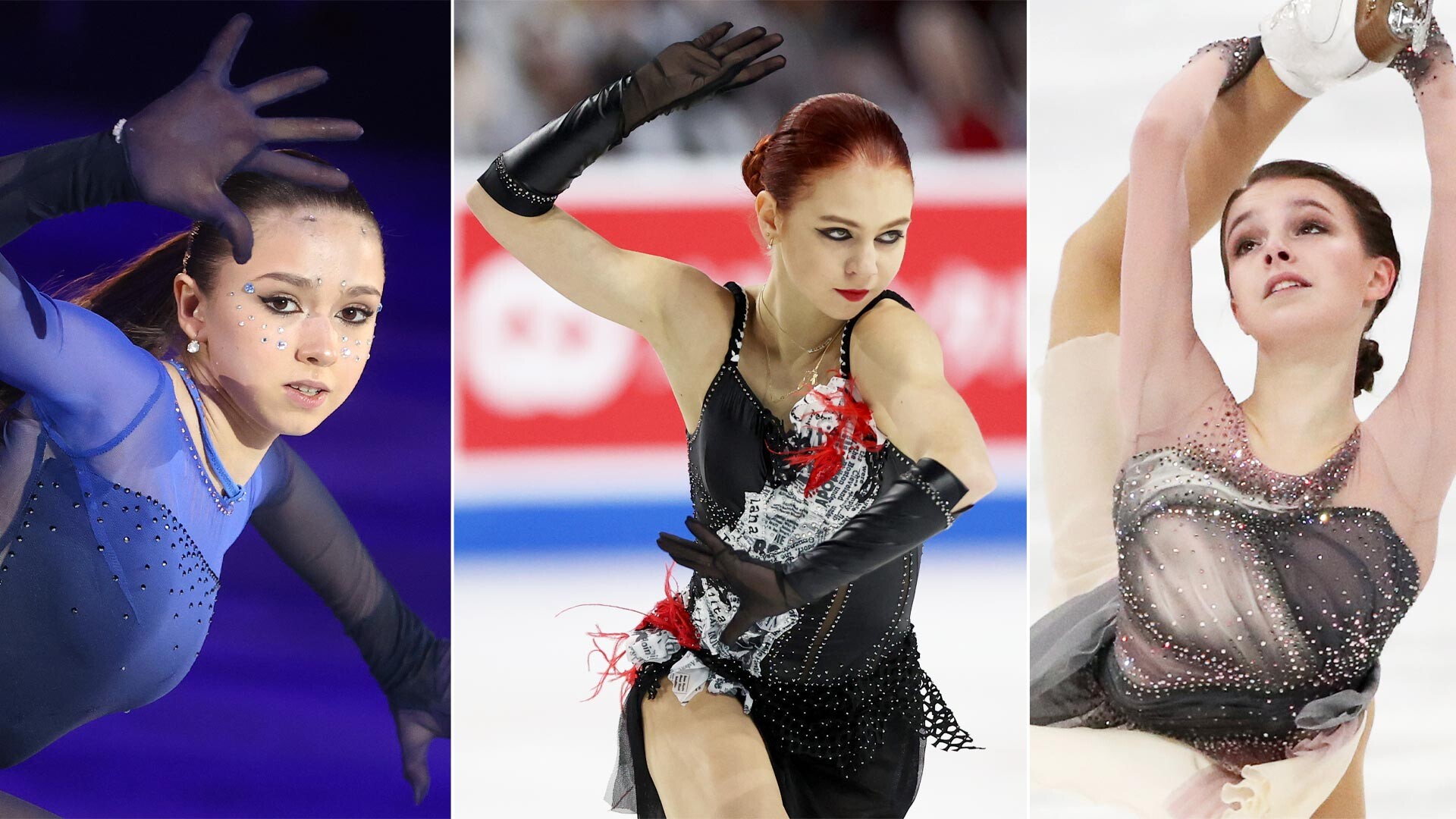
First off, let's give a massive round of applause to the medalists! These are the skaters who absolutely shone brightest. In the Women's singles, the gold medal went to the incredible Anna Shcherbakova from the Russian Olympic Committee (ROC). Seriously, her performance was a masterclass in control and artistry. She landed some seriously tough jumps with such grace, it made it look almost… easy? (Spoiler alert: it’s not easy).
Following closely behind, the silver medal was snagged by another ROC powerhouse, Alexandra Trusova. She's known for her absolutely insane quad jumps, and she definitely brought them out to play. Her technical prowess is just mind-blowing. It’s like she has a personal vendetta against gravity. And honestly, we’re all for it!
Rounding out the podium with a well-deserved bronze was Japan's own Kaori Sakamoto. Her skating is a beautiful blend of power and personality. She brought so much energy and joy to the ice, and her program was just a delight to watch. You could just feel her passion radiating through the TV screen.

It's worth mentioning the sheer talent in this discipline. The depth of skill is astounding, and just making it to the Olympics is a monumental achievement. These women have dedicated years, likely their entire lives, to perfecting their craft. It's not just about a few good jumps; it's about storytelling, musicality, and presenting a complete package of athletic and artistic excellence.
So, How Do They Actually Get Those Scores? Let's Unpack It!
Okay, this is where things get a little more detailed, but try not to let your eyes glaze over! Think of figure skating scoring like a video game with two main components: getting points for what you do, and losing points for what you mess up. It's called the International Judging System (IJS), and it's designed to be super objective, even though it still involves human judges, which is kind of a funny paradox, isn't it?
First up, we have the Technical Element Score (TES). This is where all those jumps, spins, and step sequences get their moment in the spotlight. Each element has a base value – think of it like a point value for doing a triple axel versus a single salchow. A triple axel is inherently harder, so it gets more base points. But that’s not all!
Then, the judges award Grades of Execution (GOE). This is where they say, “Okay, you did that triple axel, and you nailed it!” Or, “You did that triple axel, but you landed a little crooked and spun it short.” So, a perfectly executed jump can get bonus points added to its base value, while a less-than-perfect one will have points deducted. It’s like getting extra credit for doing something brilliantly!
Imagine your favorite video game character pulling off a sick combo. The TES is like the game recognizing all those successful moves and giving you a high score for your technique. A clean jump, a fast spin with good positions, a complex footwork sequence – these all contribute to a high TES. Judges look for things like height and distance on jumps, speed and centering on spins, and the clarity and flow of footwork. If a skater falls, or has a shaky landing, or doesn’t quite complete a spin, they’ll see deductions here. It’s pretty straightforward, in theory!
The Artistry Side: Where the Feelings Come In
Now, the other big chunk of the score is the Program Component Score (PCS). This is where the art in figure skating really shines through. It’s not just about landing your jumps; it’s about how you tell a story with your body and your movement.

The PCS is broken down into several categories. We’re talking about things like skating skills – this is the foundation, like how smoothly and powerfully they glide, their edge quality, and their ability to control the ice. Then there’s transitions, which are the little bits of choreography that connect the big elements. Are they seamless? Are they interesting? Or are they just filler?
Performance is all about expression. Are they engaging the audience? Are they showing emotion? Are they committed to their character? This is where you see the skaters really come alive. Then we have composition, which looks at the overall choreography. Is the program well-structured? Does it flow well? Is it creative and original? And finally, interpretation of the music. This is huge! Do they feel the music? Does their movement match the mood and rhythm? Can you imagine the music without even hearing it because their skating is so expressive?
Think of the PCS as the critique you get after a creative project. It’s not just about whether you finished it, but how well you executed the vision, how much feeling you poured into it, and how original your ideas were. A skater might land all their jumps, but if their performance is lackluster or their choreography is boring, their PCS will suffer. It’s this delicate balance between the athletic and the artistic that makes figure skating so captivating.

Putting It All Together: The Grand Total
So, the final score for each skater is the sum of their TES and their PCS. Simple, right? Well, it’s a little more nuanced than that because there are also deductions. These are for things like falls, time violations (taking too long to do a program), or costume malfunctions. So, even if you have a killer TES and PCS, a few mistakes can chip away at your total score.
It’s this intricate dance of technical mastery and artistic expression, all meticulously judged, that ultimately determines who stands on that podium. It's a sport that demands incredible physical ability, mental fortitude, and a deep connection to the music and storytelling. And honestly, that’s why we love watching it, year after year. It’s a true testament to the dedication and talent of these remarkable athletes.
Did you have a favorite performance? What did you think of the results? Let us know in the comments! Until the next major competition, keep on shining!