Hey there, figure skating fans! Ever watch those incredible women glide across the ice, pulling off dizzying spins and gravity-defying jumps, and then find yourself scratching your head a bit when the medals are handed out? It can seem a little mysterious, right? Like, how do they even decide who gets the shiny gold, the sleek silver, or the ever-respectable bronze? Well, grab your imaginary hot chocolate, settle in, and let’s break down the dazzling world of women’s figure skating medals. It's not as complicated as it looks, I promise! We’re going to spill all the sparkly secrets, from the different medal colors to the nitty-gritty of those scores. Think of it as your backstage pass to understanding Olympic glory (or World Championship awesomeness!).
The Glittering Hierarchy: Gold, Silver, and Bronze
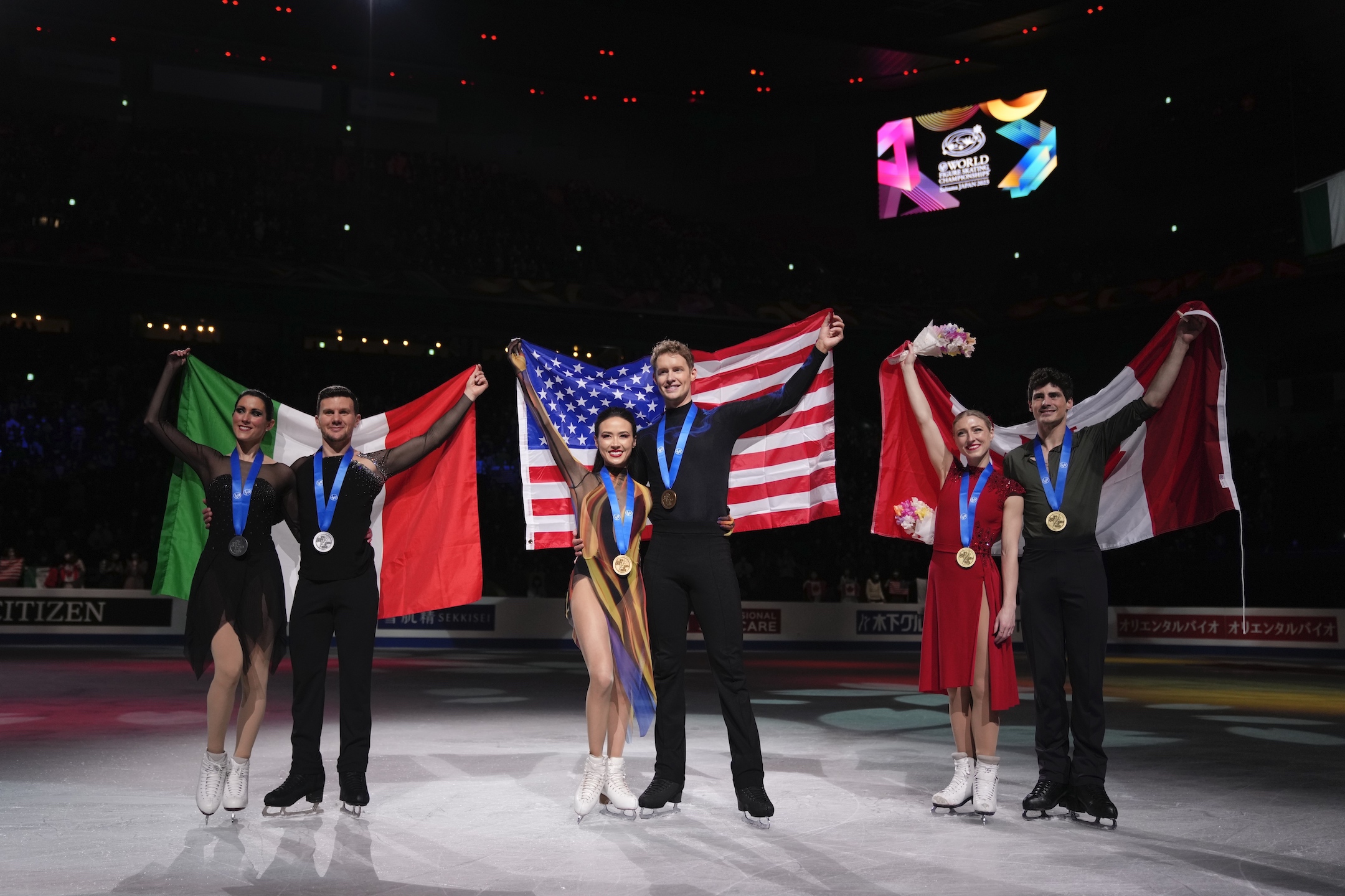
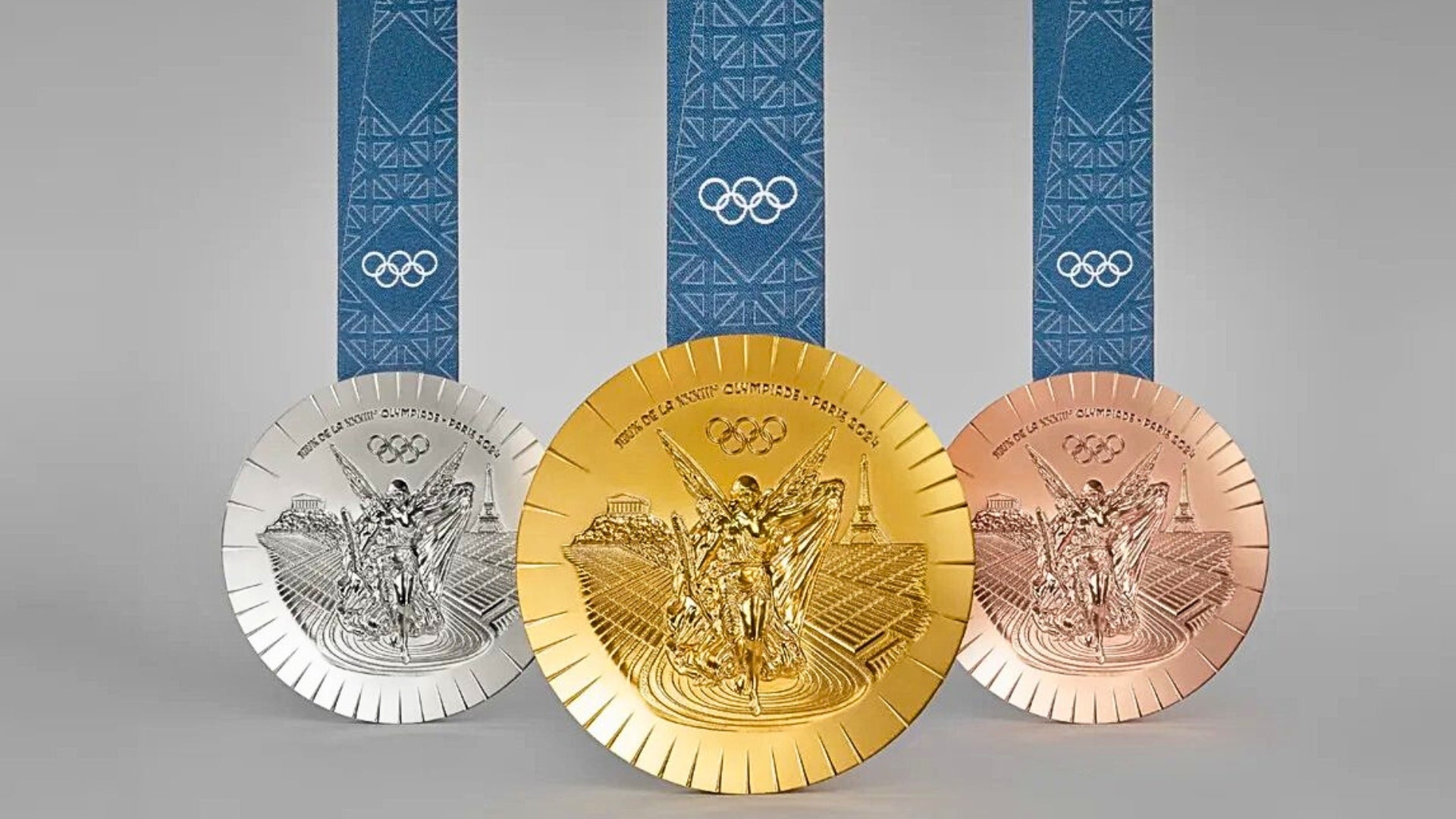
Okay, let's start with the obvious: the medals themselves. We all know the drill, right? Gold for first place, silver for second, and bronze for third. Simple enough! But in figure skating, it’s not just about who crosses the finish line first. It's about who skates the most artistically and technically brilliant programs. It’s like a dance competition meets an acrobatics show, all on a slippery sheet of ice. Pretty impressive, if you ask me!
Imagine it like this: Gold is the ultimate prize, the pinnacle of achievement. It means you were the absolute best on that particular day, under immense pressure, with millions watching. Silver is still a massive accomplishment, a testament to incredible skill and dedication. It means you were so close, a hair's breadth away from that top spot. And bronze? Don’t ever underestimate bronze! It signifies being among the very best in the world, a true champion who battled it out and earned their place on that podium. Each medal represents a journey, a story of countless hours of practice, sweat, and sheer willpower.
The competition itself is usually split into two main events: the Short Program (SP) and the Free Skate (FS), also sometimes called the Long Program. Your total score from these two programs is what determines your final placement. So, it’s not just one perfect performance; it’s about consistency and excellence across the board. Think of it as needing to nail both your monologue and your grand finale – can’t just rely on one!
The Short Program: The Punchy Prelude
The Short Program is like the exciting trailer for the main movie. It’s shorter, more structured, and has specific required elements that every skater must perform. These include things like certain types of jumps (think a triple axel or a triple salchow), spins, and step sequences. Judges are looking for clean execution of these elements, of course, but also how well the skater transitions between them and how they interpret the music. It’s all about setting a strong foundation.
In the Short Program, skaters usually perform to a more dramatic or energetic piece of music. It's their chance to show off their power and precision right out of the gate. A mistake here can be particularly costly because there are fewer opportunities to make up for it. It’s like trying to catch a fly ball in the first inning – you don’t want to drop it!
Each required element has a base value, meaning it's worth a certain number of points just for being attempted and executed. Then, there are the grades of execution (GOE), which is where the magic (and the judging!) really happens. We’ll get to that in a sec, but for now, just know that the SP is a crucial piece of the puzzle. A skater who bombs their short program might find themselves too far down the standings to realistically contend for gold, even with a spectacular free skate. It's all about that cumulative score.

The Free Skate: The Grand Spectacle
Now, the Free Skate is where the skaters get to really let loose and showcase their personality and artistry. This program is longer and allows for more creativity in the choice of music and choreography. While there are still requirements – like a certain number of jump combinations and spins – there’s more flexibility in how they’re performed and what other elements can be included. This is where you see those breathtaking triple axels, quadruple jumps (if they’re brave enough!), and those incredibly intricate spin positions that make you wonder if they have bones in their bodies.
The Free Skate is typically where the biggest scores are earned, and where the medal positions can really be shaken up. A skater who had a slightly weaker short program might pull off a phenomenal free skate and climb their way up the rankings. Conversely, someone who dominated the short program might have a rough night and see their medal hopes vanish. It’s the ultimate test of nerves and endurance. Imagine running a marathon and then having to do a sprint finish – that’s the Free Skate!
This is where skaters try to tell a story with their movements, to connect with the audience and the judges on an emotional level. It's not just about the technical tricks; it's about the flow, the expression, the connection between the music and the movement. This is where the artistry really shines, and it’s often what separates the good from the truly great.
Deconstructing the Scores: It’s Not Just a Number!
Okay, so how do they actually get these scores? This is where things can get a little technical, but I’ll try to make it as painless as possible. Each program is broken down into two main scoring categories: the Technical Element Score (TES) and the Program Components Score (PCS). Add those two together, and you get your total score for that program. Then, you add your SP score and your FS score together for your final overall score. Easy peasy, lemon squeezy, right? (Okay, maybe not that easy).
The Technical Element Score (TES): The Nitty-Gritty Jumps and Spins
The TES is all about the technical execution of the elements. Think of it as the "what" and "how well" of their skating. Each element – a jump, a spin, a step sequence – has a pre-determined base value. This is the starting point. For example, a triple axel has a higher base value than a double axel because it's a much more difficult jump. A quad jump? Those are worth a lot of points, but they’re also incredibly risky!

But here’s where it gets interesting: the Grade of Execution (GOE). Judges don't just give points for doing the element; they give points for how well it's done. If a jump is perfectly landed with good height and speed, a clean rotation, and a smooth landing, the skater can earn positive GOE, adding extra points to the base value. If the jump is shaky, under-rotated, has a two-footed landing, or they fall, they’ll get negative GOE, which subtracts points. It’s like getting bonus points for style and precision!
For spins, judges look at things like the speed, the number of rotations, the body position, and how centered the spin is. For step sequences, it's about the complexity of the footwork, the speed, the edge quality, and how well the skater uses the ice. So, even though a skater might attempt the same jump or spin as another, their TES can be vastly different based on the quality of their execution.
There’s also something called deductions. If a skater falls, that’s an automatic deduction. If they go over their time limit, more deductions. If their costume malfunctions (hey, it happens!), more deductions! It’s all about keeping things clean and within the rules. So, while those big jumps and complex spins are crucial for a high TES, they also come with a higher risk of losing points if not executed perfectly.
The Program Components Score (PCS): The Soul of the Performance
This is where the artistry comes in, and this is what often separates the champions from the very good skaters. The PCS is about the overall impression of the program, broken down into five categories: Skating Skills, Transitions, Performance, Composition, and Interpretation of the Music.
Skating Skills: This is about the fundamental quality of the skating itself. Are the edges clean and deep? Is the stroking powerful and effortless? Is there good flow and control? It’s the foundation of good skating. Think of it as the elegant handwriting of the sport.

Transitions: This refers to how well the skater connects the elements together. Are the transitions smooth and imaginative, or are they clunky and obvious? Are they intricate and well-choreographed, or just simple crossings of the ice? Good transitions make the program feel seamless and fluid.
Performance: This is about the skater's presence on the ice. Do they engage the audience? Do they project confidence and charisma? Are they in control and in command of their skating? It’s about that "wow" factor, that feeling of watching someone truly own the ice.
Composition: This category assesses how well the program is structured and choreographed. Is the choreography original and interesting? Is there good use of space and ice? Does the program build effectively? It’s like the architectural design of the performance.
Interpretation of the Music: This is where the skater shows their understanding and expression of the music. Do their movements match the mood and rhythm of the music? Do they convey the emotion of the piece? This is what makes a program truly come alive and resonate with the audience. It’s about telling a story without words, using just their body and the ice.
Each of these components is scored on a scale, usually from 0.25 to 10.0. The scores from these five categories are then added up and multiplied by a factor (which varies between the SP and FS) to get the final PCS score. This is why a skater with breathtaking artistry and seamless presentation can sometimes score higher even if their technical content isn't the absolute hardest. It's the whole package!

Putting It All Together: The Road to the Podium
So, to recap: your total score for the competition is the sum of your Short Program score and your Free Skate score. Each of those program scores is the sum of your TES and your PCS, with any deductions subtracted. The skater with the highest total score wins the gold. The second highest gets silver, and the third highest gets bronze. It’s a marathon, not a sprint, and every single point counts!
It's a delicate balancing act. You need the technical prowess to hit those high-value elements and execute them cleanly (TES). But you also need the artistry and presentation to captivate the judges and the audience, and earn those high component scores (PCS). It's like being a brilliant mathematician who can also write a captivating poem – you need both logic and soul!
And that, my friends, is the magic behind the medals! It’s a complex system, for sure, but it’s designed to reward skaters who are not only incredibly skilled athletes but also compelling artists. It’s a testament to the multifaceted nature of figure skating, a sport that demands strength, precision, grace, and a whole lot of heart.
So, the next time you’re watching a competition and see those scores flash up, you'll have a much better understanding of what's going on. You’ll appreciate the insane difficulty of a quad jump, the beauty of a perfectly executed spin, and the emotional impact of a skater truly connecting with their music. It’s not just about winning; it’s about the journey, the dedication, and the sheer beauty of human movement expressed on ice.
And remember, whether a skater wins gold, silver, or bronze, every single one of them on that podium has poured their heart and soul into their sport. They’ve faced challenges, overcome obstacles, and pushed their bodies and minds to their limits. So, let’s cheer for them all, celebrate their incredible achievements, and remember that in the world of figure skating, there’s always a little bit of magic to be found, no matter the color of the medal. Keep shining, skaters!