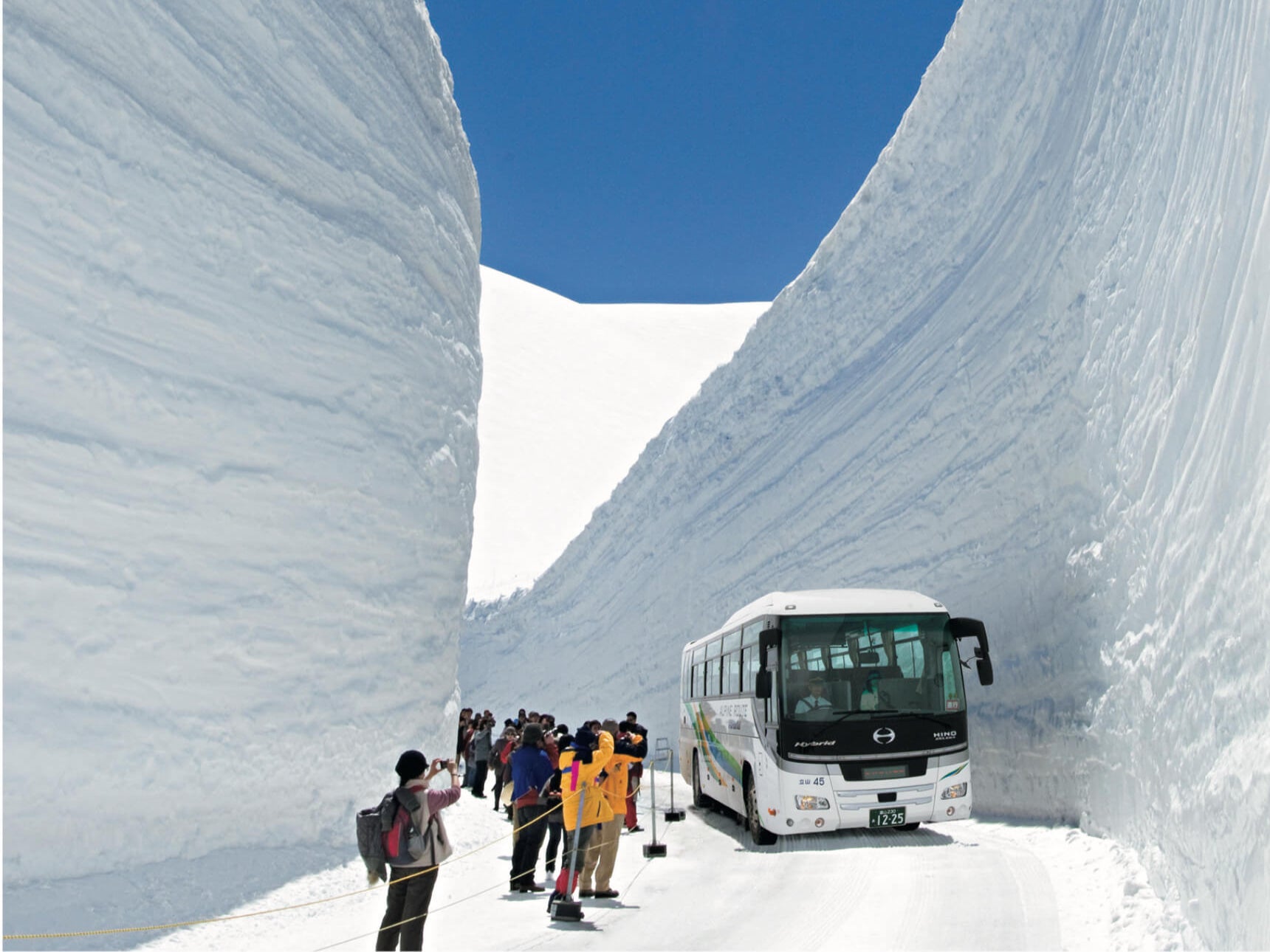
The world has been blanketed in white, a landscape transformed by snowdrifts that stretch higher than we've seen in years. For many of us, it's a time for cozying up indoors with a steaming mug of something delicious, perhaps a spiced apple cider reminiscent of those warm, autumnal days. But beyond our frosted windows, a silent drama is unfolding. Nature, in its unyielding beauty, is putting on a spectacular show, and the stars are the resilient creatures who call these frozen realms home. We're talking about wildlife in the cold, navigating the deepest snow in decades, and the photos capturing their struggles and triumphs are nothing short of captivating.
Think about it: while we’re strategizing the quickest path from our car to our front door, these animals are literally swimming through a world sculpted by ice and wind. It’s a reminder that even in the harshest conditions, life finds a way. And the images emerging are powerful testaments to this enduring spirit. We've seen glimpses of foxes, their once-sleek fur now a magnificent cloak against the blizzard, making their way through drifts that seem impossibly deep. Imagine the sheer effort involved, each step a deliberate act of survival.
The Arctic Armada: Masters of the Frozen Frontier
Let's start with the heavy hitters, the animals that practically invented winter. The polar bear, for instance, is the undisputed king of the icy expanses. While we might be dreaming of a summer vacation, these magnificent beasts are in their element. Their massive paws, perfectly designed for distributing weight on snow and ice, are like built-in snowshoes. And their thick layer of blubber? Pure, unadulterated insulation. It’s a biological marvel, a testament to millions of years of adaptation.
But it's not just the iconic polar bear. Think of the Arctic fox, a creature so perfectly adapted it’s almost otherworldly. Its fur changes with the seasons, a pristine white in winter to blend seamlessly with the snow, and a more muted brown or grey in summer. This camouflage is crucial for both hunting and avoiding predators. And those tiny, fur-covered ears? They're not just for show; they help minimize heat loss, a vital strategy when temperatures plummet far below zero.
We’ve also seen incredible shots of caribou, their migratory journeys often taking them through challenging snowy terrain. Their hooves are broad and curved, acting like natural shovels to dig through snow for lichen and moss, their primary food source. It’s a fascinating dance between instinct and environment. They’re not just surviving; they're actively engaging with the winter landscape.
Beyond the Arctic Circle: Unexpected Snow Surfers
But this phenomenon isn’t confined to the poles. Right here, in our own backyards and local wilderness areas, animals are also battling the deep snow. Take the humble deer. We might see them venturing out from the treeline, their coats thick and providing much-needed warmth, but the sheer effort of moving through waist-deep snow is immense. They often follow established trails or the tracks of other animals to conserve energy, a clever strategy that speaks volumes about their intelligence and social behavior.

And what about the birds? While some migrate to warmer climes, many species tough it out. Smaller birds, like chickadees and finches, have remarkable metabolic rates that allow them to generate heat. They fluff up their feathers, creating air pockets that act as insulation, and they often roost in dense vegetation or tree cavities for added protection. It’s a constant hustle for survival, pecking away at frozen seeds and berries, a testament to their tenacity.
Squirrels, too, are often seen leaping through snowy branches, their bushy tails acting as both a counterbalance and an extra layer of warmth. They’ve stashed away their winter caches of nuts and seeds, but accessing them can be a challenge when the ground is buried deep. Their agility is truly astounding, a whirlwind of fur against the white backdrop.
Photography: A Window into Resilience
The photographs that accompany these stories are truly breathtaking. They capture moments of raw beauty and quiet determination. We see a wolf, its breath misting in the frigid air, forging ahead through a pristine snowfield. The sheer power and grace in its stride are humbling. Or a family of elk, their massive antlers dusted with snow, moving slowly but deliberately through a silent forest.
These images aren't just pretty pictures; they're stories frozen in time. They tell tales of perseverance, of instinct, and of an ecosystem in full swing, even when it looks like the world has shut down. Photographers who venture out into these conditions often endure extreme cold themselves, equipped with specialized gear and an unwavering patience, all to capture these fleeting moments of wildness.

It’s a reminder that the natural world is always at work, a constant cycle of life, death, and renewal. Even when it seems dormant, there’s an incredible amount of activity happening just beneath the surface, or in this case, beneath the snow.
Fun Facts from the Frost
Did you know that some animals have specialized "antifreeze" proteins in their blood? Certain fish, like the Antarctic toothfish, produce these proteins to prevent ice crystals from forming in their cells, allowing them to survive in sub-zero waters. Talk about a built-in chill factor!
And speaking of adaptations, ever wonder how rabbits stay warm? They have large ears that, while seemingly counterintuitive, actually help them radiate excess heat when they get too warm. In the cold, though, they can restrict blood flow to their ears, minimizing heat loss. It’s a smart thermoregulation trick.

Some birds, like the common redpoll, have a fascinating way of storing food. They have a special pouch in their throat that allows them to carry extra seeds. This is especially useful in winter when food sources can be scarce, letting them take advantage of opportunities when they arise.
Practical Tips for the Wildlife Watcher
Seeing these animals in their element is a privilege, and if you're inspired to do some wildlife watching during this snowy season, here are a few tips to keep in mind:
- Give them space: This is paramount. Remember, they are trying to conserve energy. Getting too close can stress them out and potentially harm them. Use binoculars or a telephoto lens to observe from a safe distance.
- Respect their environment: Stay on marked trails to avoid disturbing their habitats and delicate ecosystems.
- Be quiet: Loud noises can scare wildlife away. Speak in hushed tones and move slowly and deliberately.
- Dress for the occasion: Layering is key! Insulated, waterproof clothing will keep you comfortable and safe.
- Check the weather: Winter weather can be unpredictable and dangerous. Always check the forecast before heading out and be prepared for changing conditions.
- Never feed wild animals: While it might seem like a kind gesture, feeding wildlife can disrupt their natural diets, make them dependent on humans, and increase their risk of disease.
Remember, we are visitors in their world. Our goal is to observe and appreciate, not to interfere.
Cultural Echoes of Winter Wildlife
The resilience of animals in winter has long captured our imagination and found its way into our stories and traditions. Think of the Inuit people, whose survival has always been intimately connected to the rhythm of the Arctic environment. Their traditional knowledge of animal behavior, their hunting practices, and their art often depict the powerful relationship between humans and the wildlife of the frozen north. The stories of the 'Qallupilluit,' mythical sea-dwelling creatures that snatch children who stray too close to the ice edge, are a stark reminder of the power and danger of the winter sea. These tales, while fictional, are rooted in a very real understanding of the harsh realities of life in such a climate.
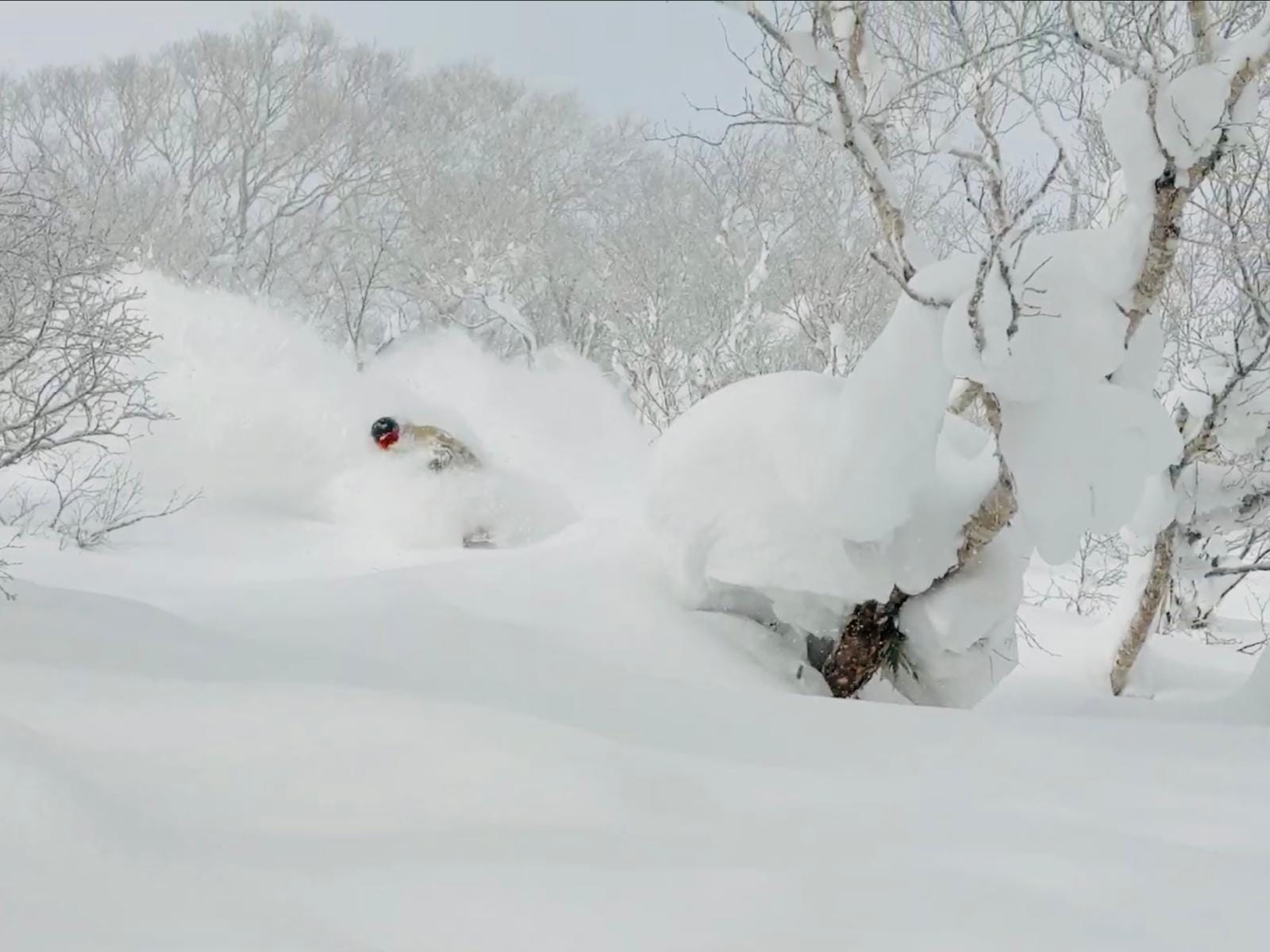
In many Native American cultures, the wolf is a revered symbol of the wild, of endurance, and of instinct. Its ability to navigate the deepest snows and to thrive in harsh conditions has made it a creature of deep spiritual significance. Similarly, the eagle, often seen soaring against a backdrop of snow-capped mountains, represents freedom and power. These cultural interpretations elevate our understanding of these animals beyond mere biological beings; they become imbued with meaning and respect.
Even in more modern times, the imagery of winter wildlife continues to inspire. Think of classic films like "White Fang," which explores the bond between a boy and a wolf-dog in the Alaskan wilderness, or the countless nature documentaries that showcase the breathtaking beauty and brutal honesty of life in the cold. These cultural touchstones remind us of our deep-seated fascination with the wild and our admiration for creatures that can not only survive but thrive in the face of adversity.
A Moment of Reflection
Looking at these stunning photographs and learning about the incredible adaptations of these animals, there's a profound sense of perspective to be gained. We might feel overwhelmed by our daily challenges, by a looming deadline or a demanding task. But then we see a fox, its entire body submerged in snow, pushing forward with unwavering determination, and it puts things into a different light.
It’s a gentle nudge from nature, a reminder that resilience isn't just about surviving; it's about adapting, about finding your own way through the drifts, and about appreciating the quiet strength that lies within. These creatures, in their silent march through the deepest snow, are not just navigating the winter; they are teaching us a lesson in perseverance, one frosted paw print at a time. And as we watch, perhaps we can find a little bit of that same unyielding spirit within ourselves, ready to face whatever the world throws our way, even if it’s just a particularly daunting to-do list after a long, snowy weekend.


