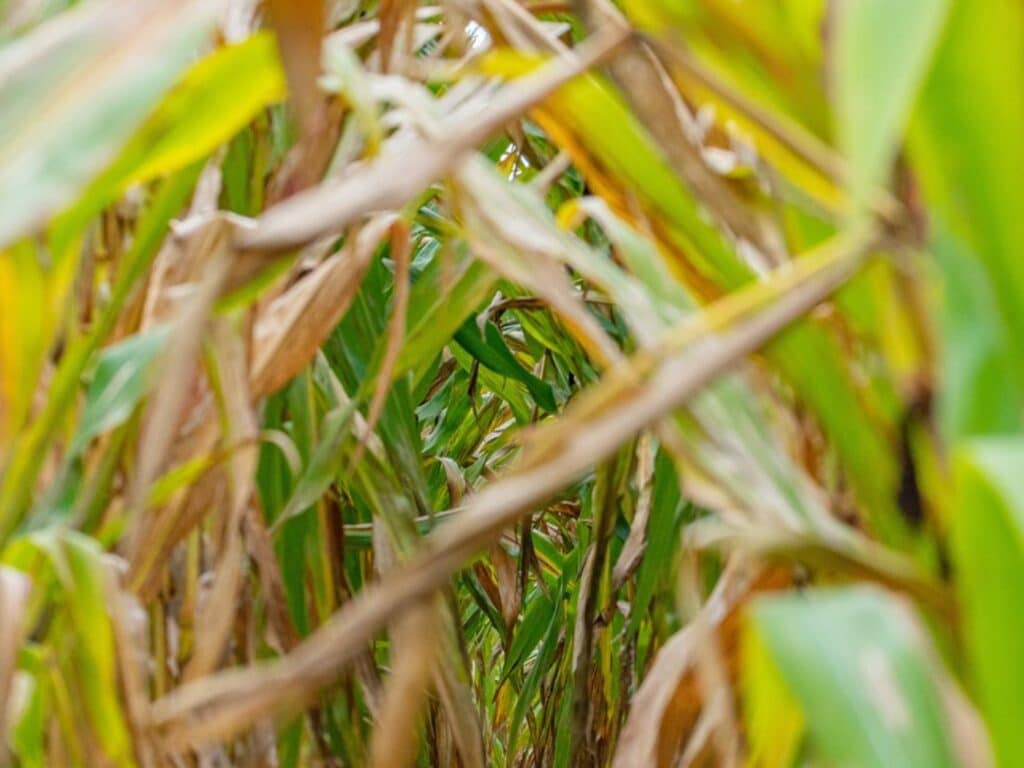
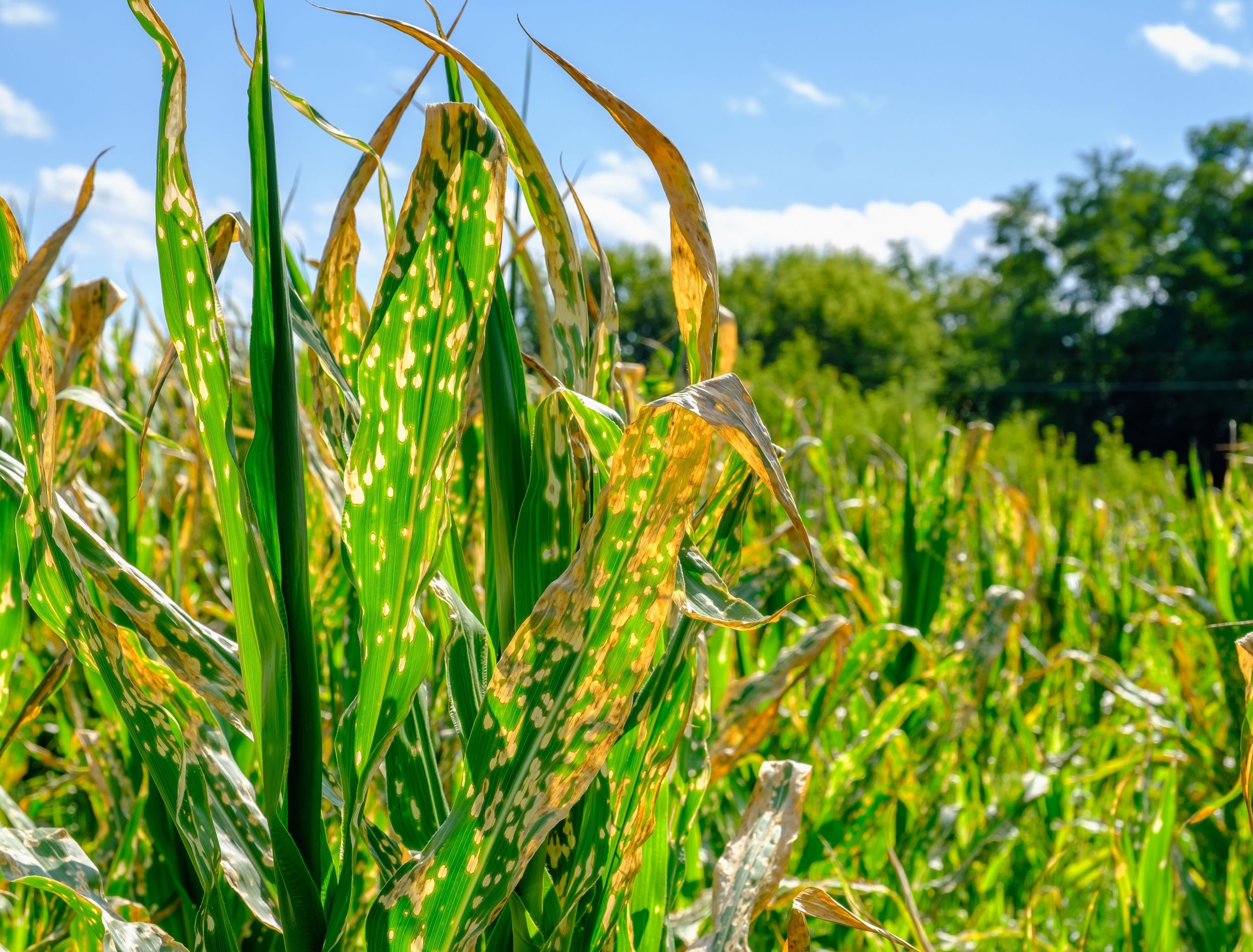
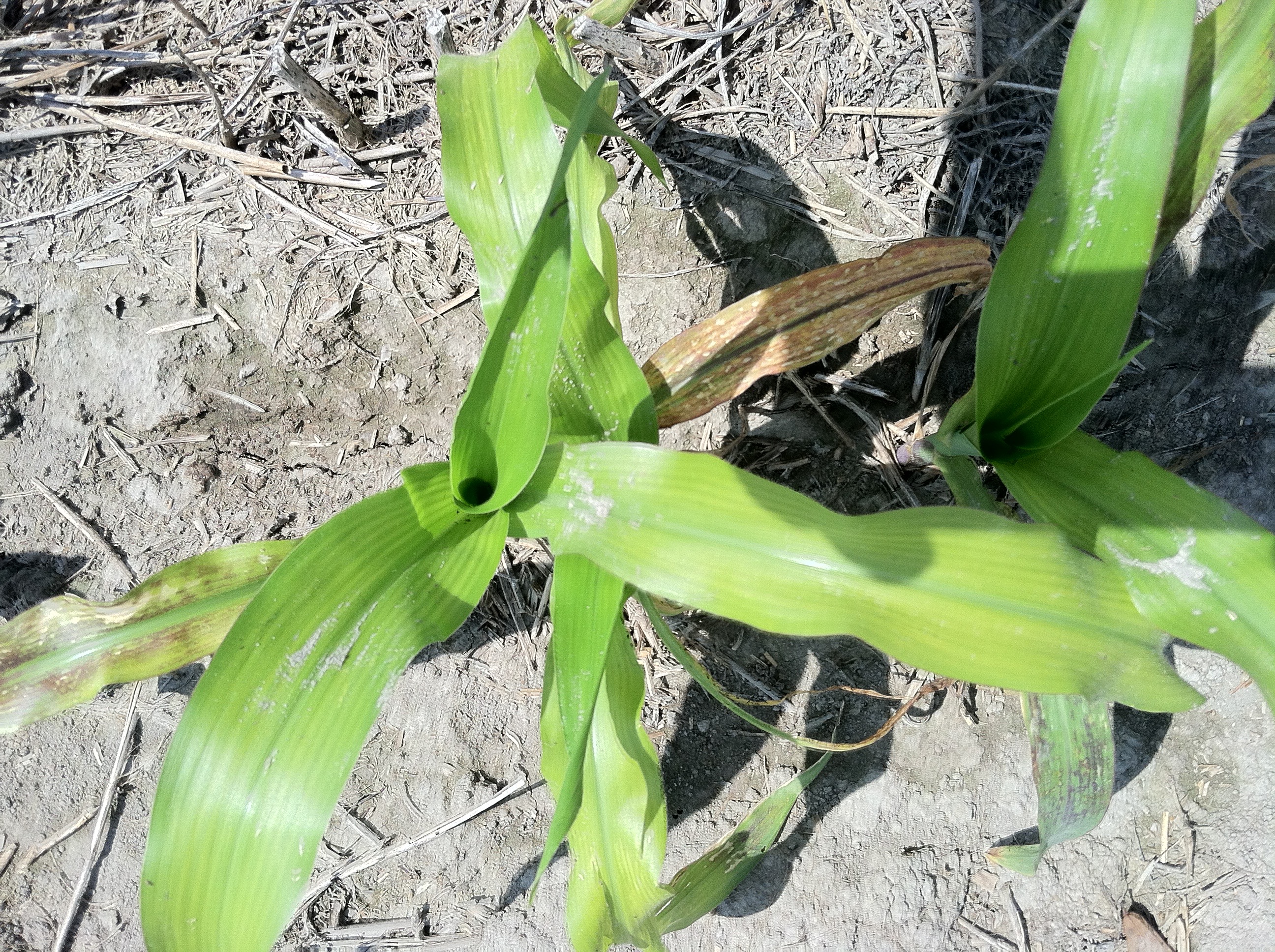
I remember the first time my corn plant, a majestic Dracaena fragrans that I’d affectionately nicknamed “Colonel Mustard” (don’t judge, I was going through a phase), started looking a little… sad. It wasn't the vibrant, leafy green I was used to. Instead, the tips of its leaves were sporting a rather unappealing shade of brown, and some of the lower ones were developing these sickly yellow splotches. My heart sank. Had I somehow committed plant murder? Was I doomed to a life of brown, crispy foliage staring back at me from my living room corner?
It turns out, the Colonel’s little crisis was a lot more common than I thought. It’s like when your car starts making a weird noise – you’re convinced it’s a total engine rebuild, but usually, it’s just a loose bolt or a bit of gunk in the fuel line. And honestly, if you’re reading this, chances are your own leafy friend is experiencing a similar, albeit less engine-y, plight.
So, let’s dive into the nitty-gritty of why your corn plant might be throwing a bit of a tantrum. Because trust me, it's rarely a sign of impending doom, more often it's a cry for attention or a gentle nudge in the right direction. And who doesn't love a good plant detective story, right?
The Great Yellowing & Browning Mystery: Unraveling the Clues
When you see those tell-tale yellow or brown patches creeping onto your corn plant’s leaves, it’s easy to panic. You might immediately think, "I'm overwatering it!" or "I'm underwatering it!" And while those are definitely big contenders, it's rarely that simple. Think of your corn plant like a moody teenager – it’s not always just one thing, it’s a whole combination of factors that can lead to a dramatic display of discolored leaves.
The good news? Most of the time, these issues are pretty easily fixable. It just requires a little observation and a willingness to play detective. We're going to go through the usual suspects, and by the end, you’ll be a corn plant whisperer, I promise!
Suspect #1: The Watering Woes (The Most Likely Culprit!)
Ah, watering. The eternal dance of plant parenthood. It’s so easy to get this wrong, and your corn plant will definitely let you know if you’re out of step. Both too much and too little water can manifest in similar-looking symptoms, which is just… great, isn’t it?
Overwatering: The Soggy Bottom Blues
This is probably the number one reason for yellowing leaves, especially on the lower parts of the plant. When the soil stays constantly wet, the roots can't breathe. They literally start to suffocate and can even begin to rot. And when the roots are unhappy, the leaves start to show it. They’ll turn yellow, and then often progress to brown, feeling soft and mushy.
How to tell if you’re overwatering? Stick your finger about two inches into the soil. If it feels damp, you’re probably watering too much or the pot doesn't have good drainage. If the pot feels heavy, that’s another clue. And if you’ve got standing water in the saucer? Oops. Your corn plant is basically sitting in a tiny swimming pool, and it’s not a fan.
The Fix: Let the soil dry out! Seriously. Stop watering until the top couple of inches are bone dry. And for the love of all that is green, make sure your pot has drainage holes. If it doesn’t, consider repotting into one that does. If you suspect root rot, you might need to gently unpot the plant, trim away any mushy, brown roots (it’s grim, I know, but necessary), and repot with fresh, well-draining soil.
Underwatering: The Thirsty Traveler

On the flip side, if your corn plant isn’t getting enough water, it’s going to start to dehydrate. The leaves will often droop, and the edges and tips will turn brown and crispy. Think of it like a forgotten houseplant on a scorching summer vacation. It’s going to look parched, and that’s exactly what’s happening.
How to tell if you’re underwatering? The soil will be completely dry, all the way down. The pot will feel very light. The leaves will likely be limp and may start to curl inwards.
The Fix: Give it a good, thorough watering. Water until it starts to drain from the bottom. Then, let it dry out to that two-inch depth before watering again. Consistency is key here, so try to get into a routine that works for your environment.
My little anecdote here: I once went away for a week, convinced my corn plant would be fine. I came back to a drama. Leaves were drooping, and the edges were browning like they’d been kissed by a desert sun. A good soak and a bit of TLC later, Colonel Mustard was back in business, but I learned my lesson about leaving him high and dry!
Suspect #2: The Light Situation: Not Too Much, Not Too Little
Corn plants, bless their hearts, are pretty adaptable, but they do have preferences when it comes to light. And getting this wrong can lead to those unsightly brown tips and edges.
Too Much Direct Sunlight: The Sunburn Special
While they like bright, indirect light, direct, scorching sunlight can literally burn their leaves. You’ll see brown, crispy patches, almost like scorch marks, appearing on the parts of the leaves that were exposed to the harshest rays. It’s like us getting a sunburn – ouch!
The Fix: Move your corn plant to a spot where it receives bright, filtered light. An east or north-facing window is usually ideal. If you only have a south or west-facing window, place it a few feet back from the window or use a sheer curtain to diffuse the light. Think dappled shade, not a tanning booth.
Too Little Light: The Gloom and Doom
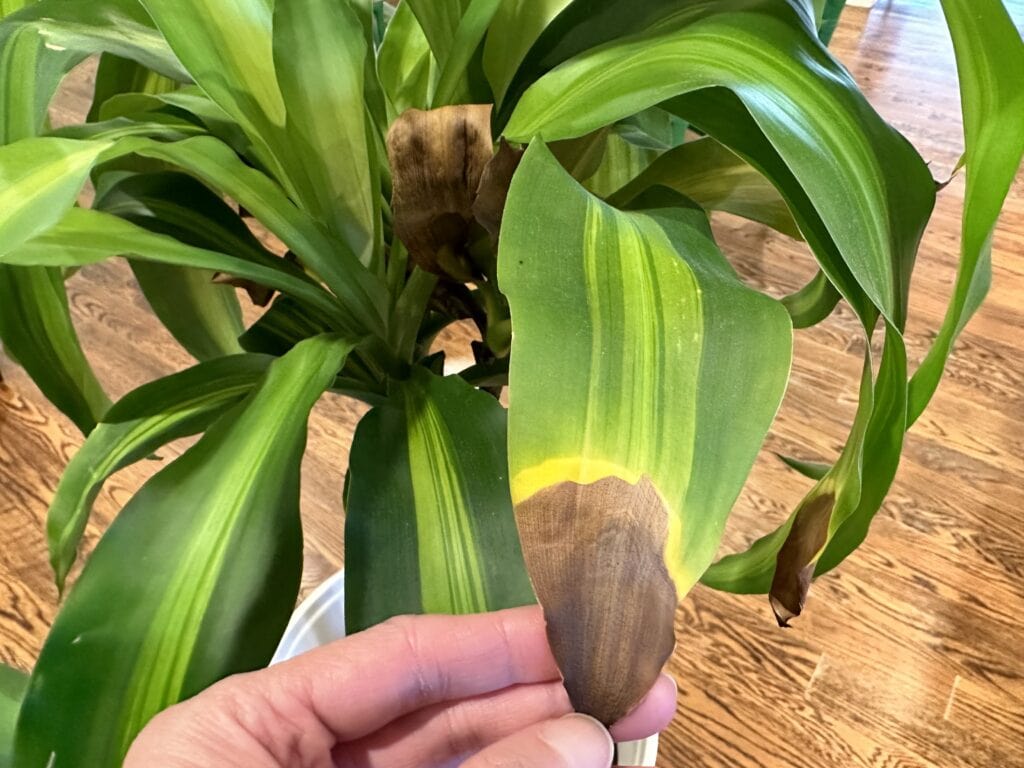
If your corn plant is stuck in a dark corner, it’s not going to be happy either. While they can tolerate lower light conditions, prolonged darkness can lead to yellowing leaves as the plant struggles to photosynthesize efficiently. These leaves might be a paler yellow and might feel a bit limp.
The Fix: Relocate your plant to a brighter spot, but again, avoid direct, harsh sunlight. If your home is naturally dim, consider a grow light. They’re not as fancy as you might think, and they can make a world of difference!
Suspect #3: The Temperature Tango: Avoiding Extremes
Corn plants aren’t big fans of dramatic temperature swings or drafts. Think of them as preferring a nice, cozy, consistent climate.
Cold Drafts & Sudden Temperature Drops: The Chilly Reception
If your corn plant is sitting near a drafty window in the winter or a constantly blasting air conditioner in the summer, those cold shocks can cause the leaf tips and edges to turn brown and even drop off. They’re sensitive to sudden temperature changes.
The Fix: Move your plant away from any drafty windows, doors, or heating/cooling vents. Try to keep the temperature in your home relatively consistent, ideally between 65-80°F (18-27°C).
Extreme Heat: The Overheating Effect
While they like warmth, extreme heat can also stress the plant, leading to browning and crisping of the leaves, especially if combined with dry air.
The Fix: Ensure the room isn’t excessively hot. If it’s very dry, you might need to increase humidity (more on that later!).

Suspect #4: The Fertilizer Folly: Less is Often More
Fertilizing is important for plant health, but too much of a good thing can be bad. Over-fertilizing can actually burn the roots and cause the leaf tips and edges to turn brown.
The Problem: You’ve been a bit too generous with the plant food, or you're fertilizing too frequently, especially during the dormant winter months. The salts in the fertilizer build up in the soil, damaging the roots.
The Fix: If you suspect over-fertilizing, you can try to flush the soil by watering it thoroughly several times, allowing the excess salts to drain away. Then, hold off on fertilizing for a good few months. Generally, corn plants don’t need to be fertilized more than once or twice during the growing season (spring/summer) with a balanced liquid fertilizer diluted to half strength.
My own confession: I once got a bit too enthusiastic with the plant food, convinced my Colonel needed all the nutrients. Boy, was I wrong! He started getting those brown tips, and I was baffled. Then I remembered I’d doubled the dose. Oops. A good flush of the soil and a long break from feeding sorted him right out.
Suspect #5: The Humidity Hustle: Dry Air Woes
Corn plants hail from tropical regions, so they generally appreciate a bit of humidity. If the air in your home is too dry, especially during winter months when heating systems are working overtime, this can cause those dreaded brown, crispy leaf tips and edges.
The Clues: The browning is often concentrated on the very tips and edges of the leaves. The air in your home might feel generally dry.
The Fixes:
- Misting: A good daily misting can provide a temporary boost, but it’s not always the most effective long-term solution.
- Pebble Tray: Place the pot on a tray filled with pebbles and water. As the water evaporates, it increases the humidity around the plant. Make sure the bottom of the pot isn't sitting directly in the water!
- Humidifier: The most effective method is to use a room humidifier, especially in the area where your plant is located.
- Grouping Plants: Grouping plants together can also create a microclimate with higher humidity.
Suspect #6: Salt Buildup & Water Quality: The Unseen Invaders
This one is a bit more subtle, but it can contribute to brown leaf tips. If you’re using tap water that’s heavily treated with chemicals like fluoride or chlorine, or if your water is particularly hard, these minerals can build up in the soil and, eventually, in the plant’s tissues, leading to browning.
The Signs: Gradual browning of leaf tips, often starting as small brown spots that spread. This can be exacerbated by over-fertilizing, as the salt content from both sources adds up.

The Fix:
- Filtered or Distilled Water: If you have very sensitive plants or notice persistent browning, consider using filtered, distilled, or even rainwater.
- Let Tap Water Sit: Leaving tap water out overnight can allow some of the chlorine to dissipate, but it won't remove fluoride or heavy minerals.
- Flush the Soil: As mentioned with over-fertilizing, regularly flushing the soil can help remove mineral buildup.
A little side note: I noticed my corn plant seemed perpetually a little unhappy with the tap water. Once I switched to filtered water, and kept an eye on my watering and feeding habits, the difference was remarkable. It’s like switching from cheap instant coffee to a good artisanal brew – the plant just thanks you!
Suspect #7: Pests & Diseases: The Unwelcome Guests
While less common for general yellowing and browning, it's worth a quick mention. Pests like spider mites or mealybugs can weaken the plant and cause discoloration. Fungal diseases can also be a culprit, though they often present with more distinct spots or mildew.
The Check: Regularly inspect your plant’s leaves (both top and bottom!) and stems for any signs of insects or unusual growths. Look for webbing, tiny white cottony masses, or small moving critters.
The Solution: If you find pests, treat them with an appropriate insecticidal soap or neem oil. For diseases, identify the specific issue and treat accordingly, often involving removing affected parts and improving air circulation.
Bringing Your Corn Plant Back to Life: A Summary
So, there you have it. A comprehensive rundown of why your corn plant might be staging a leafy protest. Remember, the key is observation. Take a good look at your plant, consider its environment, and how you’ve been caring for it.
The golden rules to remember:
- Water wisely: Let the top two inches of soil dry out between waterings.
- Light it right: Bright, indirect light is best.
- Temperature steady: Avoid drafts and extreme fluctuations.
- Feed with care: Less is often more, especially during winter.
- Humidity happy: Especially important in dry environments.
Most of the time, a little adjustment to your care routine is all it takes to bring those lush green leaves back. Don’t get discouraged if it takes a little trial and error. Every plant is different, and what works for one might not work for another. Think of it as a journey, a learning experience. And soon enough, your corn plant will be standing tall and proud, a testament to your newfound plant-parenting prowess!
And hey, if all else fails, and your corn plant is truly beyond saving, there’s always the option of getting a new one! No shame in a fresh start. But with a little detective work, I bet you can bring your current leafy friend back from the brink. Happy plant-parenting!