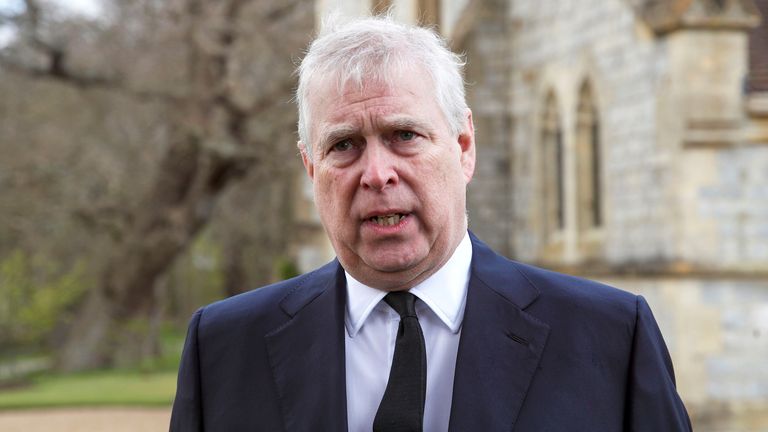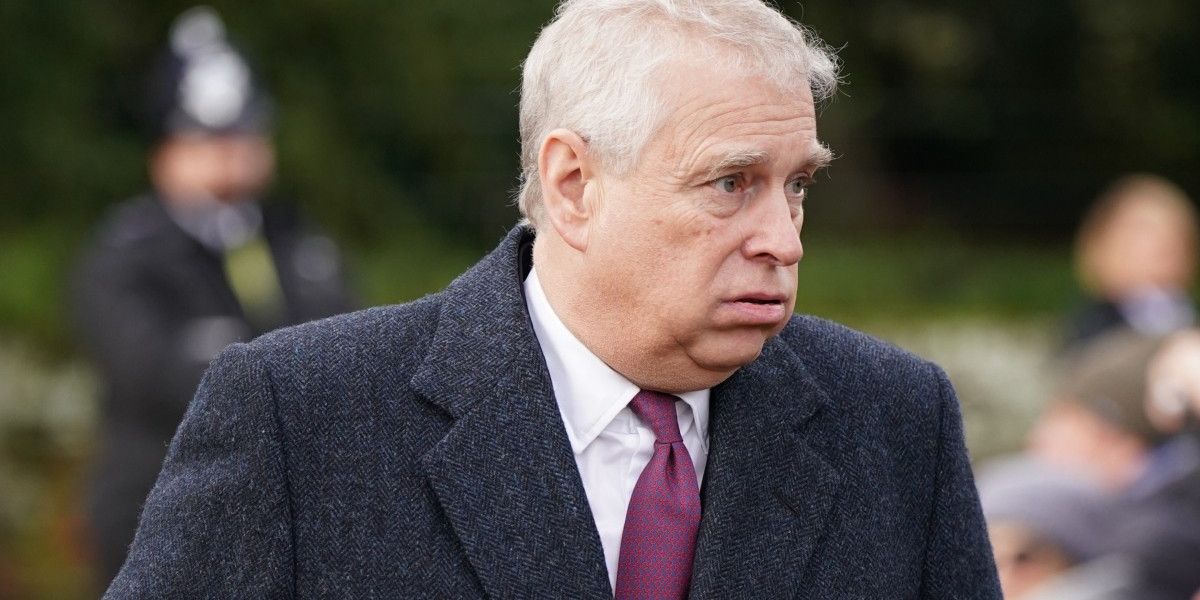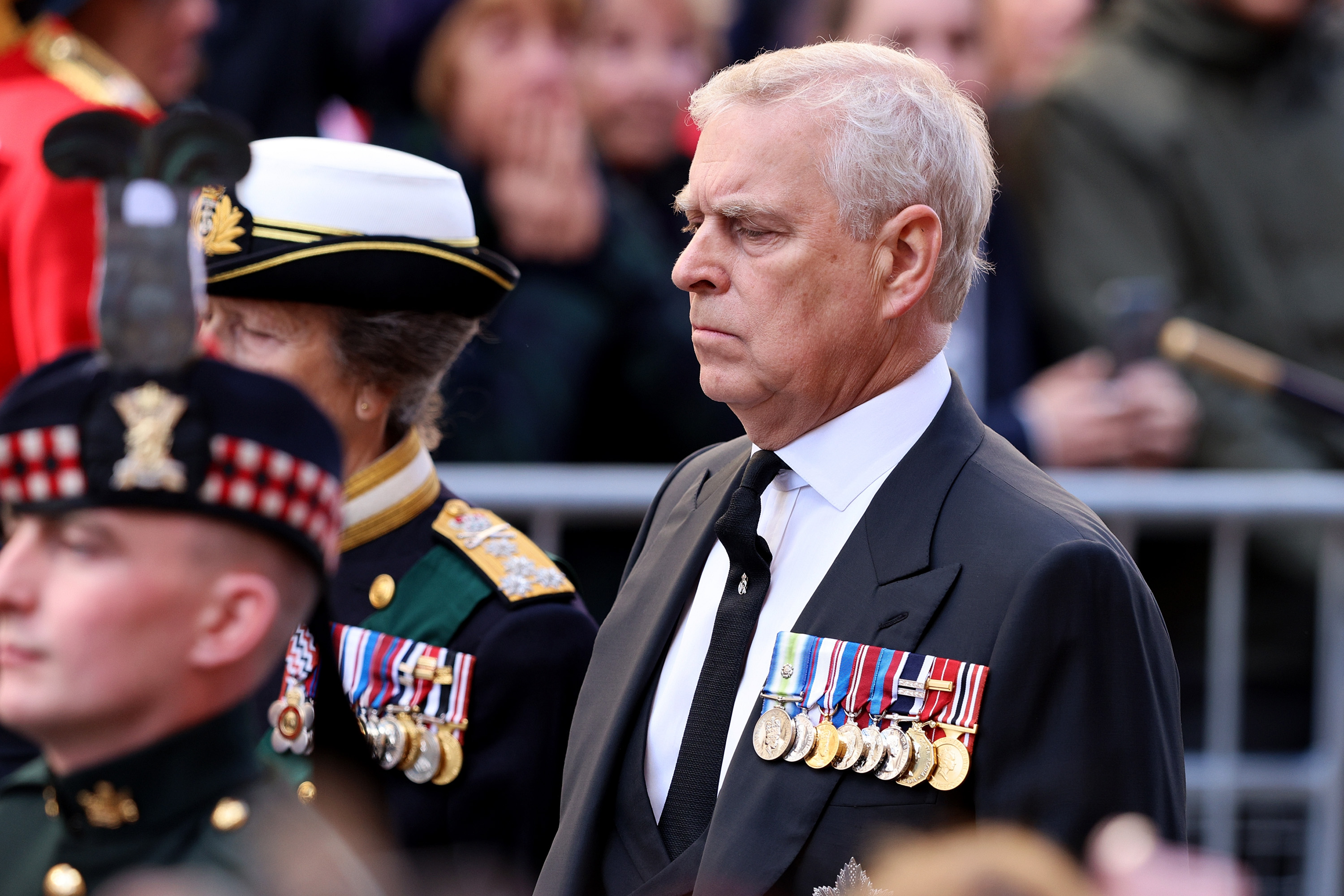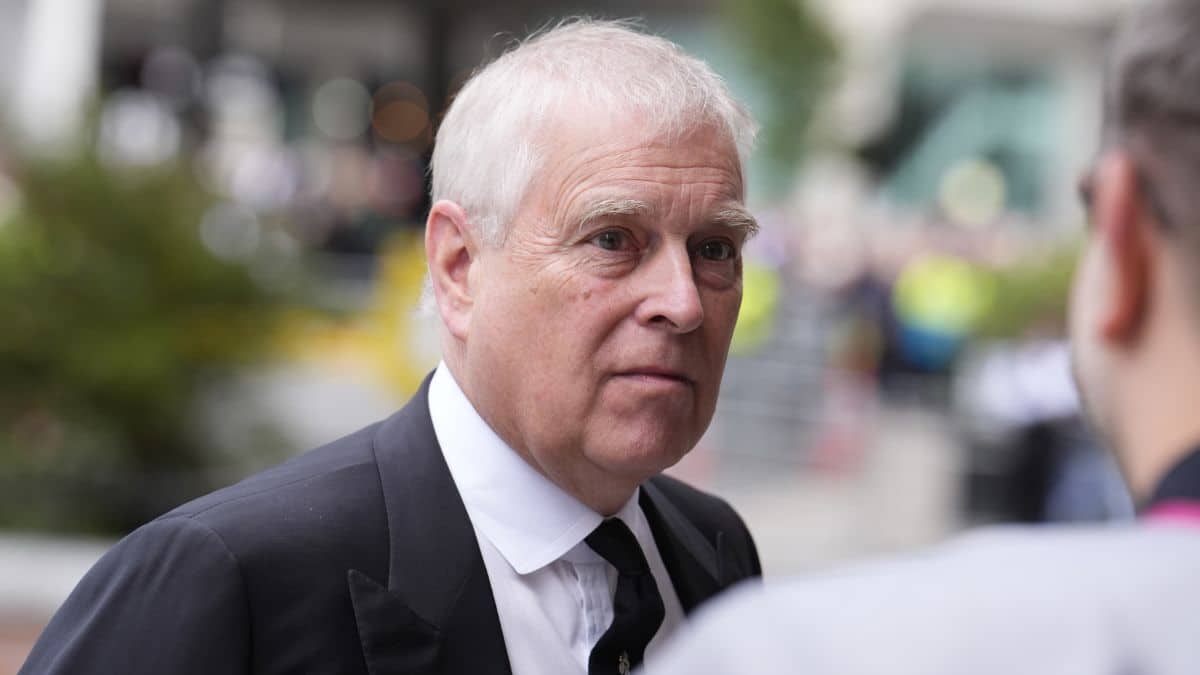
Alright, let's dive into a story that's been buzzing louder than a royal wedding band on a Saturday night! We're talking about Prince Andrew, the Duke of York, and all the swirling headlines surrounding his legal troubles. It's a topic that's both fascinatingly juicy and, frankly, a bit of a tangled web. Why is everyone talking about it? Well, it's got all the ingredients of a real-life drama: royalty, accusations, and a whole lot of speculation. Understanding what's actually confirmed versus what's just reported is like having a secret decoder ring for the news cycle. Plus, it's a great way to hone our critical thinking skills and see how information, both true and not-so-true, makes its way into the public eye. So, buckle up, because we're about to untangle this royal knot!
The Royal Rundown: What We Know for Sure
Let's start with the undeniable facts. Prince Andrew, the second son of the late Queen Elizabeth II, has been facing serious allegations of sexual assault. These claims stem from his alleged association with the convicted sex offender and financier, Jeffrey Epstein. Specifically, a woman named Virginia Giuffre has publicly accused the Duke of York of sexually assaulting her when she was a minor. These are incredibly serious accusations, and they've had a significant impact on Prince Andrew's public life and his standing within the Royal Family.
What is confirmed is that Prince Andrew settled a civil lawsuit brought against him by Virginia Giuffre in early 2022. He did not admit liability as part of this settlement, but he agreed to pay a substantial sum to Ms. Giuffre. This settlement effectively ended the civil case against him in the United States. It's crucial to understand that a civil settlement is not the same as a criminal conviction. In a civil case, the burden of proof is lower than in a criminal trial. The settlement was a way to resolve the legal dispute outside of a courtroom, avoiding a potentially lengthy and public trial.
Another confirmed fact is the immense public pressure that led to Prince Andrew stepping back from his public royal duties. Following the allegations and the subsequent lawsuit, Buckingham Palace announced that the Duke would relinquish his military affiliations and royal patronages. He was also stripped of the title "His Royal Highness" in an official capacity. This was a monumental move, signaling the seriousness with which the Palace was treating the situation and the damage to the monarchy's reputation.
So, to recap the confirmed: serious allegations of sexual assault were made against Prince Andrew, he faced a civil lawsuit from Virginia Giuffre, he settled that lawsuit without admitting guilt, and he has been removed from public royal duties. These are the bedrock facts.

When Rumors Take Flight: What's Reported and Why It Matters
Now, where things get a bit murkier is in the realm of reporting and speculation. The media, naturally, has a field day with stories involving high-profile figures, especially members of the Royal Family. This means that while some reports are based on facts, others can be fueled by anonymous sources, conjecture, and the insatiable public appetite for royal gossip.
It's important to distinguish between official statements and what's being reported by various news outlets. For instance, there have been countless reports about the exact nature of Prince Andrew's relationship with Jeffrey Epstein, the details of his alleged actions, and the private conversations surrounding the settlement. While some of this reporting might be accurate, it often comes with caveats like "sources close to the Duke" or "according to people familiar with the matter." These are not confirmed facts in the same way as a court filing or an official palace statement.
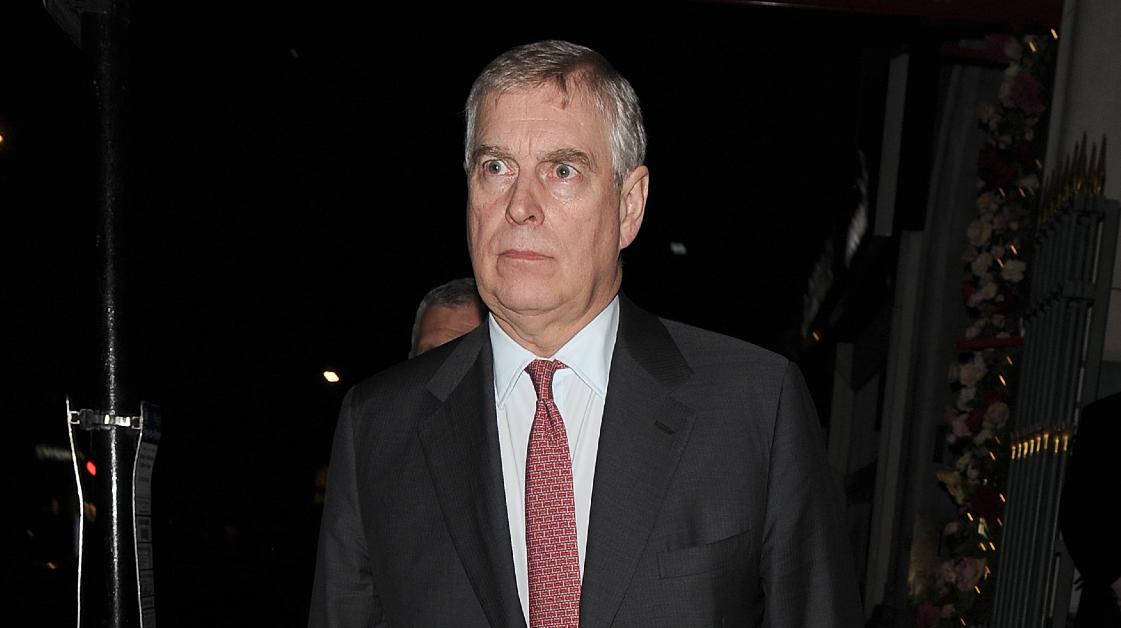
The term "arrested" is another area where clarification is vital. While Prince Andrew has faced legal proceedings and significant public scrutiny, he has not, as of the time of this writing, been formally arrested or charged with a crime in relation to these allegations. The civil lawsuit was a legal action brought by a private individual, not a criminal prosecution initiated by the state. This distinction is absolutely critical. Reporting that suggests he was "arrested" in the criminal sense would be inaccurate and misleading.
The benefits of understanding this difference are huge. It helps us to be more discerning consumers of news. We learn to look for evidence, official sources, and to be wary of sensational headlines or anonymous claims. It's about developing a healthy skepticism and a critical eye, which is invaluable in today's information-saturated world. We can enjoy the narrative, but we should always strive to separate the verified from the speculative.
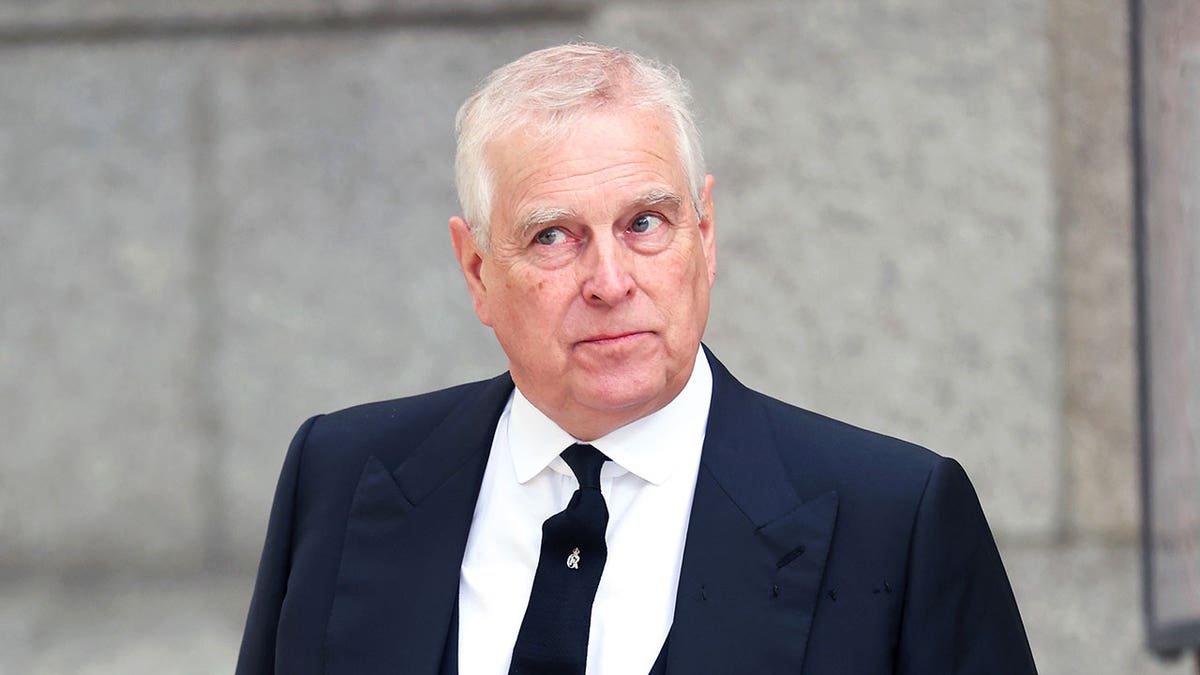
"The key takeaway is that while the allegations against Prince Andrew are extremely serious and have had undeniable consequences, the specific details of events, and particularly the legal status of any potential charges, require careful verification beyond initial reports. Always look for confirmed statements and avoid getting swept up in unverified speculation, especially when dealing with such sensitive matters."
Ultimately, stories like this remind us that even for those living in palaces, the law and public opinion can have a profound impact. By understanding what's confirmed versus what's reported, we can follow these unfolding narratives with a clearer, more informed perspective.