
So, you’ve been glued to the Olympics, right? Watching these incredible athletes push their bodies and minds to the absolute limit. You’re cheering, you’re crying, you’re probably yelling at the TV like it’s going to change the judges’ scores (spoiler: it won’t, but we can dream!). And then, BAM! The gold medal ceremony. The anthem plays, the confetti falls, and you start wondering… what does all that glory actually pay? Because let’s be real, while the pride of a nation is priceless, even Olympians have to, you know, eat and pay rent.
Today, we’re diving into the nitty-gritty of Olympic gold, and we’re using a fantastic example: the super-talented, ice-skating queen herself, Alysa Liu! Remember her? The young phenom who absolutely slayed on the ice? She’s a perfect case study to break down this whole prize money puzzle. So, grab your metaphorical popcorn (or actual, no judgment!) and let’s chat about how much actual cash is behind that shiny gold hardware.
The Golden Question: How Much Dough for a Gold Medal?
Alright, let’s get straight to the point. Does the International Olympic Committee (IOC) hand out a giant check for every gold medal won? The short answer, my friends, is a resounding… it’s complicated! Unlike winning the lottery (which, let's face it, is a lot less physically demanding), there isn't a single, universal cash prize directly from the IOC for every Olympic victory.
Think of it this way: the Olympics are a massive global event, and different countries have their own ways of rewarding their champions. It’s a bit like how different schools give out scholarships – some are huge, some are smaller, and some are more about recognition than cold, hard cash. So, while the idea of Olympic gold is priceless, the actual monetary value can vary quite a bit depending on where you’re from.
For Team USA, things are a little more structured. The United States Olympic & Paralympic Committee (USOPC) has a program called ‘Operation Gold’. This is where the prize money magic happens for American athletes. And let me tell you, it’s not chump change!
Alysa Liu's Piece of the Pie: The USOPC's Generosity
Now, let’s bring it back to Alysa Liu. She’s an American athlete, so she’s eligible for the USOPC’s Operation Gold rewards. This is where we can start to put some numbers on that beautiful gold medal she might be dreaming of (or already has, depending on when you’re reading this – the medal count is always a thrilling rollercoaster!).
For the most recent Olympic Games, the USOPC set specific prize money amounts. And for a glorious, hard-won gold medal, an American athlete like Alysa stands to receive a cool $37,500. Yes, you read that right! That’s a pretty sweet reward for years of dedication, early morning practices, and probably a few bumps and bruises along the way. Imagine what you could do with that kind of bonus! Maybe a new, even shinier ice skate? A lifetime supply of… well, whatever fuels an Olympic skater’s dreams!
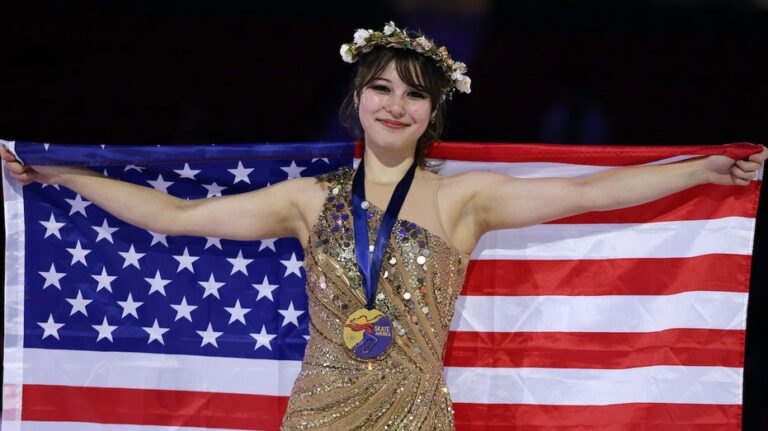
But wait, there’s more! Because, as we all know, the Olympics are about more than just one moment. It’s about the journey. So, the USOPC doesn’t just reward the top spot. If Alysa had snagged a silver medal, she would have earned $15,000. And for a valiant bronze medal, it would be $10,000. It’s a nice tiered system, acknowledging the incredible effort that goes into medaling at all!
Beyond the Medal: Sponsorships and Endorsements – The Real Cash Cows?
Okay, so $37,500 is a fantastic sum. But here’s where things get really interesting, and where the true financial picture of an Olympic athlete often lies. That prize money from the USOPC? It’s often just the appetizer. The main course, the gourmet feast, comes from sponsorships and endorsements.
Think about it: when you see an athlete on TV, whether they’re winning medals or not, they’re often wearing branded gear, using specific equipment, or appearing in commercials. These companies are paying big bucks for that association. And who is more marketable and inspiring than an Olympic champion?
For a rising star like Alysa Liu, an Olympic gold medal (or even a strong performance) can be a massive springboard for her career. Suddenly, brands are lining up to get her name and face associated with their products. We’re talking about everything from athletic apparel companies and sports drink brands to even, dare I say, breakfast cereal boxes (hey, a girl’s gotta eat!).
These endorsement deals can be worth hundreds of thousands, even millions of dollars over time. It’s not just about one big payout; it’s about building a brand and a career that can last long after the Olympic flame has been extinguished. It’s the kind of money that can secure an athlete’s financial future and allow them to focus on their passion without constant worry.
The Power of Performance and Public Appeal
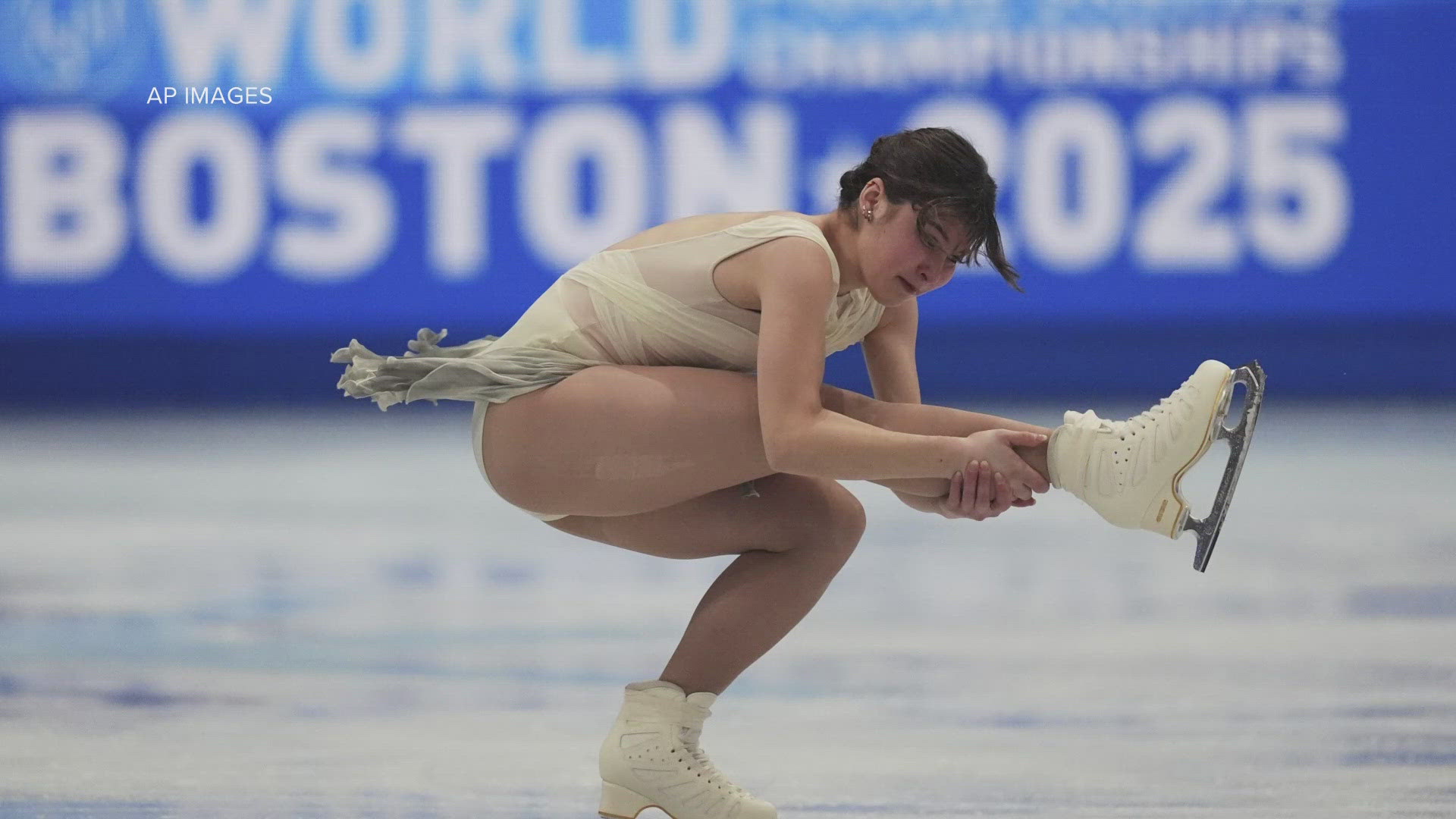
The amount an athlete can earn through endorsements isn’t just about the medal they win. It’s also about their performance, their personality, and their public appeal. Alysa Liu, with her incredible talent and youthful charisma, is a prime example of an athlete who can capture the hearts of fans and the attention of corporations.
Did she nail that triple axel? Did she have a compelling backstory? Did she handle interviews with grace and charm? These are all factors that sponsors consider. The more likable and relatable an athlete is, the more valuable they become to brands looking to connect with a wider audience.
So, while the $37,500 is a great bonus, it’s the potential for lucrative endorsements that truly elevates an Olympic medal’s financial value. It’s a long-term investment for brands, and a life-changing opportunity for athletes.
What About Athletes From Other Countries?
Now, you might be thinking, "What about the athletes who aren't representing the USA?" Good question! This is where the ‘it’s complicated’ part really shines. The prize money for Olympic medals varies wildly from country to country.

Some nations offer very generous payouts, sometimes even exceeding what the USOPC offers. For example, athletes from countries like Singapore or Russia have, in the past, received substantial bonuses for their Olympic achievements. It’s often tied to the national pride and the government’s investment in sports.
On the flip side, some countries don’t offer direct prize money at all from their national Olympic committees. For athletes from these nations, the focus is almost entirely on sponsorships and personal branding. They might have to rely more on their athletic clubs, personal sponsors, or even crowdfunding to make ends meet during their Olympic journey and beyond.
It’s a bit of a lottery, in a way. The country you happen to be born in can significantly impact the immediate financial rewards of your Olympic success. But ultimately, the dedication and skill required to reach the Olympic stage are universal, regardless of the prize money offered.
The Ripple Effect: Opportunities Beyond the Games
Winning an Olympic medal, regardless of the exact dollar amount, has a profound ripple effect on an athlete’s life. It opens doors that would have otherwise remained firmly shut.
Think about post-Olympic careers. Many medalists become motivational speakers, sharing their stories of perseverance and triumph. Others move into coaching, passing on their expertise to the next generation of athletes. Some even venture into commentary or sports broadcasting, staying connected to the world they love.

The Olympic spotlight, even briefly, provides an unparalleled platform for an athlete to build a lasting career. The lessons learned in training – discipline, resilience, teamwork, goal-setting – are incredibly transferable to any field. So, that gold medal isn't just a piece of metal; it's a testament to a skillset that is highly valued in the real world.
The True Value of an Olympic Gold: More Than Just Money
So, when we look at Alysa Liu’s potential earnings, it’s easy to get caught up in the numbers. But it’s crucial to remember that the true value of an Olympic gold medal transcends monetary gain.
It’s about the years of sacrifice, the unwavering dedication, the moments of doubt overcome, and the sheer joy of achieving a lifelong dream. It’s about representing your country on the world’s biggest stage and inspiring millions. It’s about becoming a role model and proving that with hard work and passion, anything is possible.
The $37,500 from the USOPC is a lovely bonus, a well-deserved recognition. The potential for millions in endorsements is fantastic and helps secure an athlete’s future. But the most profound and lasting reward of an Olympic medal is the legacy it creates. It’s the indelible mark an athlete leaves on their sport, on their nation, and on the hearts of those who watched them shine.
So, the next time you’re watching the Olympics and see that glorious moment of victory, remember that behind the cheers and the confetti, there’s a story of incredible effort, and for athletes like Alysa Liu, the potential for a very bright, and financially rewarding, future. But even more importantly, there’s the enduring power of inspiration, a gift that truly keeps on giving. And that, my friends, is absolutely priceless. Keep dreaming big, keep cheering loud, and remember that every medal, every effort, is a victory in its own right!