Okay, so you know how sometimes you’re just chilling, scrolling through the news, and BAM! Something completely wild pops up? Well, this is one of those moments. Seriously, get ready to dive into a legal rabbit hole that’s… surprisingly entertaining.
We're talking about Donald Trump's legal team. And what are they doing? They're digging up a law from way back. Like, 1962 back. Think poodle skirts and Beatlemania, but for trade policy. And their big argument? This ancient act, the Trade Expansion Act of 1962, gives the President, like, absolute power over tariffs. Yep, you heard that right. Absolute.
The "What If" Game, Legal Edition
Imagine this. You're a lawyer, and your job is to defend someone who's, let's say, in a bit of a pickle. And you stumble upon this dusty old law. It’s like finding a secret cheat code in an old video game. Suddenly, the whole game changes!
Trump’s lawyers are essentially saying, "Hold up! This old law from the Kennedy administration? It lets the President do whatever he wants when it comes to tariffs. Like, whatever." It's a bold move. A really, really bold move.
Tariffs: More Than Just a Boring Word
Now, you might be thinking, "Tariffs? What’s so exciting about that?" But stick with me! Tariffs are basically taxes on imported goods. Think of them as little hurdles for stuff coming into the country. And they can have a huge impact on everything from the price of your morning coffee to the availability of your favorite gadgets.
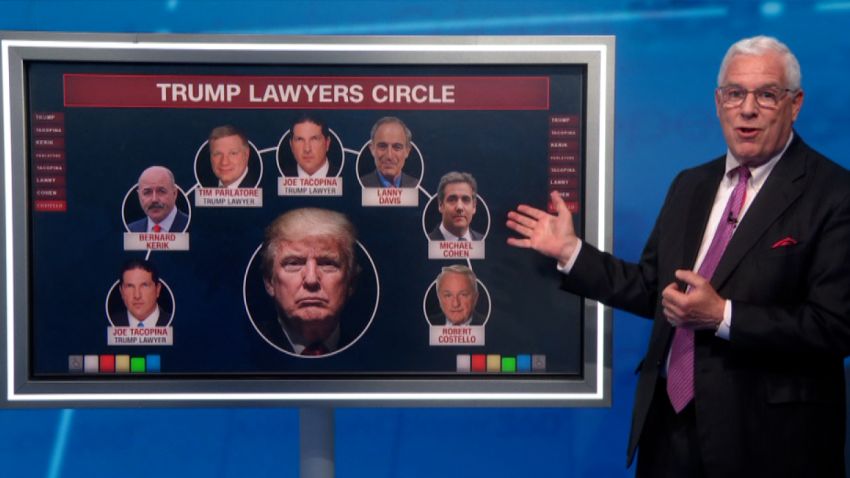
So, when Trump’s team argues for this absolute power, they’re not just talking about a minor tweak. They’re talking about the ability to, in theory, slap tariffs on anything, from anywhere, for any reason. That’s a lot of power, right?
A Blast from the Past
Let’s rewind a bit. The Trade Expansion Act of 1962. What was going on back then? Well, the Cold War was in full swing. The US was trying to boost its economy and flex its global muscles. And international trade was a big, big deal.
This act was pretty groundbreaking for its time. It gave the President new powers to negotiate trade agreements and, yes, impose tariffs. But "absolute power"? That’s where things get interesting. It’s like saying a knight’s sword gives him absolute power over dragons – sure, it’s a powerful tool, but there are always nuances, right?
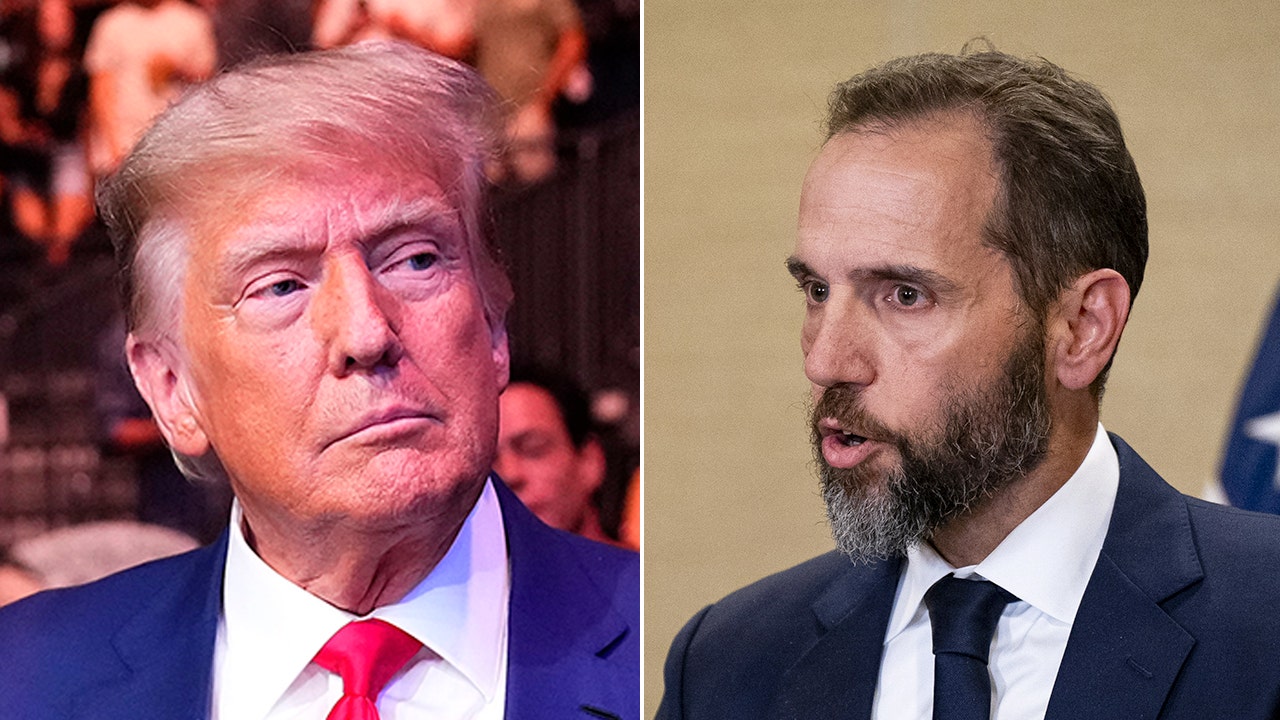
The idea is that the President could use these powers to protect American industries. Or maybe to punish countries that weren't playing fair. The 1962 act was designed to give the President some serious leverage. But did it mean he could just go wild with the tariff gun? That's the million-dollar question.
The "Literal" Interpretation vs. The "Spirit" of the Law
This is where lawyers have a field day. Some legal minds are looking at the exact wording of the 1962 act and saying, "Yep, it’s all there. Unfettered power." Others are saying, "Whoa there, cowboy! You’re taking this a little too literally. The spirit of the law was about strategic trade policy, not a free-for-all."
It’s like reading a recipe. You can follow it to the letter, or you can add your own flair. Trump's legal team seems to be all about the letter. And it’s fascinating to watch them dissect this old law.

Why Is This Even Fun?
Because it’s a real-life legal drama! It’s got history, it’s got power plays, and it’s got lawyers arguing over words that haven’t been a hot topic for decades. It’s like a historical detective story, but with potentially massive economic consequences.
Plus, the idea of a president having "absolute tariff power" is just… a little bit outrageous, isn't it? It conjures up images of someone just pointing at a country on a map and saying, "You! You get a 50% tariff!" It’s the kind of stuff that makes you tilt your head and go, "Wait, really?"
And let’s be honest, sometimes the most serious things are best discussed with a bit of a wink and a nudge. This isn't about getting bogged down in trade jargon. It's about the sheer audacity of the legal argument. It’s about how a law written before color TV was common could be resurrected to shape today’s global economy.

The Stakes Are High, But the Argument is Quirky
We’re not just talking about academic debates here. Tariffs affect prices, jobs, and international relations. So, when this legal argument is made, it’s not just a funny bit of legal trivia. It has real-world implications.
But still, you have to admire the sheer chutzpah of it. To look at a law from 1962 and say, "This is our golden ticket!" It's a strategy that, if it works, could fundamentally change how the US conducts its trade policy. And if it doesn't? Well, it’s still a pretty wild story to tell.
So, the next time you hear about tariffs or trade wars, remember the 1962 Trade Expansion Act. Remember Trump's legal team and their bold claim. It’s a reminder that in the world of law and politics, sometimes the most powerful arguments come from the most unexpected places. And that, my friends, is pretty darn interesting.