So, have you guys been seeing all this chatter online lately? It’s getting kinda wild, right? Especially when people start talking about Tourette’s syndrome. Like, really talking about it. And not in the way you’d expect, all about the tics and stuff. Nope, we’re talking about something way more serious, and honestly, a little bit… icky.
Basically, there’s been this whole brouhaha going around. Some folks, bless their hearts, have been out there saying that Tourette’s is somehow the reason behind really awful, hateful speech. Like, "Oh, that’s why they said that terrible thing, it’s their Tourette’s!" Can you even imagine? It’s a bit much, don’t you think?
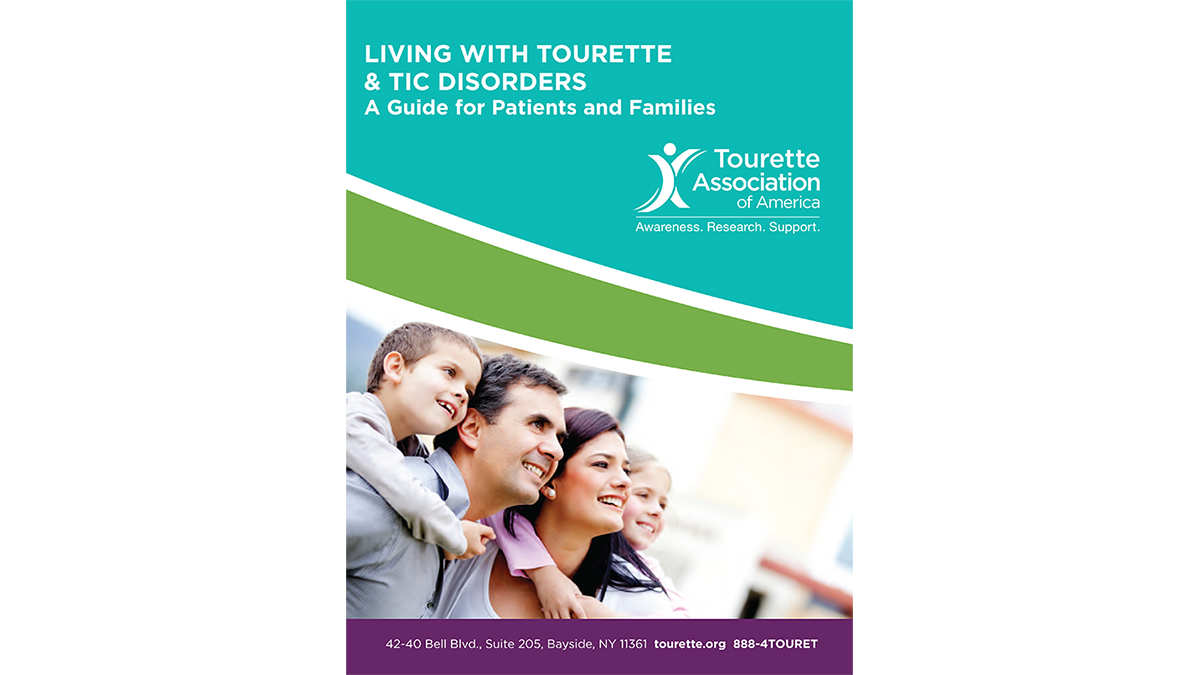
Well, thankfully, the big brains over at the Tourette Association of America have stepped in. You know, the people who actually know what they’re talking about when it comes to Tourette’s. They’ve come out with a statement, and it’s basically saying, “Whoa there, hold your horses!” They’re putting their medical expert hats on, and let me tell you, they’re pretty darn concerned about this whole trend.
It’s like this: people are trying to use Tourette’s as some kind of weird excuse. An excuse for what, you ask? For saying things that are, frankly, unacceptable. Things that are discriminatory, that are hurtful, that are just plain ugly. And the Tourette Association is saying, “Nah, fam. That’s not how this works.”
So, What’s the Big Deal?
Okay, so let’s get real for a sec. Tourette’s syndrome, for those who might not be super familiar (and that’s totally fine, we’re all learning!), is a neurological disorder. It’s characterized by tics. These are sudden, repetitive, non-rhythmic movements or vocalizations. Think of it like, your brain just has a little hiccup sometimes, and out comes a sound or a movement you didn’t really mean to do. It’s not a choice, you guys. It’s not like someone can just switch it off like a faulty light bulb. It’s a thing that happens.
And here’s the super important bit. While some people with Tourette’s can have coprolalia – that’s the medical term for involuntary swearing or uttering obscene words – it’s actually a lot rarer than most people think. Like, way rarer. It’s a bit of a Hollywood stereotype, isn’t it? The character who just blurts out whatever comes to mind, completely unfiltered. That’s not the everyday reality for most people with Tourette’s.
So, when people start blaming Tourette’s for hate speech, it’s like a total misfire. It’s a misunderstanding, and honestly, a potentially harmful one. The Tourette Association is really trying to set the record straight. They’re saying, “Look, we need to be super clear about this. Tourette’s is not an excuse for hate speech.” Period. End of story. Can we all just agree on that?

Why Is This Blaming So Problematic?
Think about it this way. When someone uses Tourette’s as a shield for their awful words, what are they really doing? They’re basically saying, “It’s not my fault, it’s my syndrome’s fault!” This completely absolves them of any responsibility for their actions. And that’s a big no-no, right? We all have to be accountable for the things we say and do, especially when those things hurt other people. It’s just common decency, isn’t it?
Plus, it’s incredibly unfair to the millions of people who live with Tourette’s every single day. Imagine having a condition that you can’t control, and then having people also associate you with the worst kind of behavior. It’s like adding insult to injury. These individuals are already navigating a world that might not always understand them, and this kind of misinformation only makes things harder.
The Tourette Association is really emphasizing that this kind of blaming can lead to increased stigma. And that’s the last thing anyone with Tourette’s needs. Stigma can lead to bullying, to exclusion, and to people feeling ashamed of something they have absolutely no control over. It’s a vicious cycle, and we’ve got to break it.
The Coprolalia Confusion: Let's Clear the Air!
Okay, let’s dive a little deeper into this coprolalia thing. Because I think this is where a lot of the confusion comes from. It’s that involuntary outburst of curse words or taboo phrases. And yeah, it’s a part of Tourette’s for some. But and this is a HUGE but – it is not the defining feature of Tourette’s. Not by a long shot.

Most people with Tourette’s experience a variety of tics, and these can be motor tics (like blinking, shrugging, or jerking a limb) or vocal tics (like grunting, sniffing, or making a clicking sound). Coprolalia is just one type of vocal tic, and like I said, it’s not the most common one. It’s like saying everyone with a cold sneezes. Well, yeah, but not everyone with a cold only sneezes, right? They might cough, have a runny nose, feel achy. It’s a spectrum!
So, when someone says, “Oh, they’re just swearing because they have Tourette’s,” they’re often jumping to conclusions. They’re taking a complex neurological condition and boiling it down to a single, often misunderstood, symptom. And that’s not accurate. It’s like trying to understand a whole symphony by just listening to one single note. You’re missing the whole picture, aren’t you?
The Tourette Association’s experts are urging people to understand that coprolalia, when it occurs, is involuntary. It's not a conscious choice to be offensive. It’s a tic. And this is crucial. Blaming someone for their involuntary tics is just… well, it’s not very kind, is it? And even when someone does have coprolalia, it doesn't automatically equate to hate speech.
The Real Danger: Misinformation and Harm
So, why are the medical experts so adamant about this? Because misinformation, especially when it comes to medical conditions, can be incredibly harmful. When people start linking Tourette’s to hate speech, it creates a dangerous narrative. It paints a picture of people with Tourette’s as inherently aggressive or hateful, which is just not true.
This narrative can lead to real-world consequences. It can make people with Tourette’s hesitant to speak up, to participate in public life, or even to seek help, for fear of being misunderstood or judged. It can fuel prejudice and discrimination, making it harder for individuals to find employment, build relationships, and live full lives.

The Tourette Association is essentially acting as a spokesperson, a defender for the community. They’re saying, “This narrative is false, and it’s causing harm. We need to stop it.” They’re advocating for a more nuanced understanding of Tourette’s, one that acknowledges the complexities of the disorder without resorting to simplistic and damaging stereotypes.
It’s about promoting empathy and understanding. It’s about recognizing that people with Tourette’s are individuals with diverse experiences, and that their condition does not define their character or their intentions.
What Should We Be Doing Instead?
So, if we’re not supposed to blame Tourette’s for hate speech, what should we be doing? It’s pretty straightforward, really. We need to hold individuals accountable for their own words and actions. Period.
If someone says something hateful, regardless of whether they have Tourette’s or not, they should be held responsible for that speech. Their condition, or lack thereof, is not a get-out-of-jail-free card for being a bigot. It’s a matter of personal responsibility. Simple as that.
And for those of us who might have friends, family members, or colleagues with Tourette’s, the best approach is always education and compassion. Learn about the condition. Understand that tics are involuntary. And most importantly, treat everyone with respect, regardless of their medical diagnosis.

The Tourette Association is encouraging everyone to be an ally. To speak out against misinformation. To support the Tourette’s community, and to advocate for accurate and compassionate understanding. It’s about building a society where everyone feels safe and respected, and that includes people living with Tourette’s.
Let’s Be Smart About This, Shall We?
Ultimately, this isn’t just about Tourette’s. It’s about how we talk about complex medical conditions in general. It’s easy to fall into the trap of oversimplification, especially in the fast-paced world of social media. But we’ve got to resist that urge when it comes to people’s health and well-being.
The Tourette Association’s statement is a crucial reminder. It’s a call to be more informed, more considerate, and more responsible in our discussions. It’s about distinguishing between a medical condition and personal behavior. It’s about not weaponizing someone’s disorder to excuse bad behavior.
So, next time you hear someone trying to link Tourette’s to hate speech, remember what the experts are saying. Remember that Tourette’s is a neurological disorder, not a license to be hateful. And let’s all commit to being part of the solution, not part of the problem. Because honestly, the world could use a little more understanding and a lot less blaming, don’t you think?
It’s about showing empathy. It’s about being informed. It’s about making sure that people with Tourette’s aren’t unfairly targeted or misrepresented. And that, my friends, is a conversation worth having. Let’s keep it going, and let’s keep it accurate. Cheers to that!