Ever wondered why your retirement fund might be doing a little dance on its toes? Or perhaps you've overheard conversations about the Dow Jones Industrial Average taking a tumble or a leap and thought, "What's all the fuss about?" Well, get ready to dive into a little corner of the financial world that's both fascinating and surprisingly impactful on our everyday lives. We're talking about the stock market, and specifically, why it's been acting like a particularly jittery teenager ahead of a big Supreme Court decision concerning tariffs. It might sound complex, but think of it as a high-stakes game of economic chess where the pieces are companies, and the moves can affect your wallet.
The stock market, in essence, is a place where pieces of ownership in publicly traded companies are bought and sold. When you buy a stock, you're buying a tiny slice of that company. The prices of these slices (stocks) go up and down based on a whole bunch of factors, but a major one is how people think a company or the economy as a whole will do in the future. This is where the fun (and the anxiety!) comes in. Predicting the future is tricky, and that's precisely what makes the market so dynamic and, at times, so volatile.
The Supreme Court: A Big Deal for Big Business
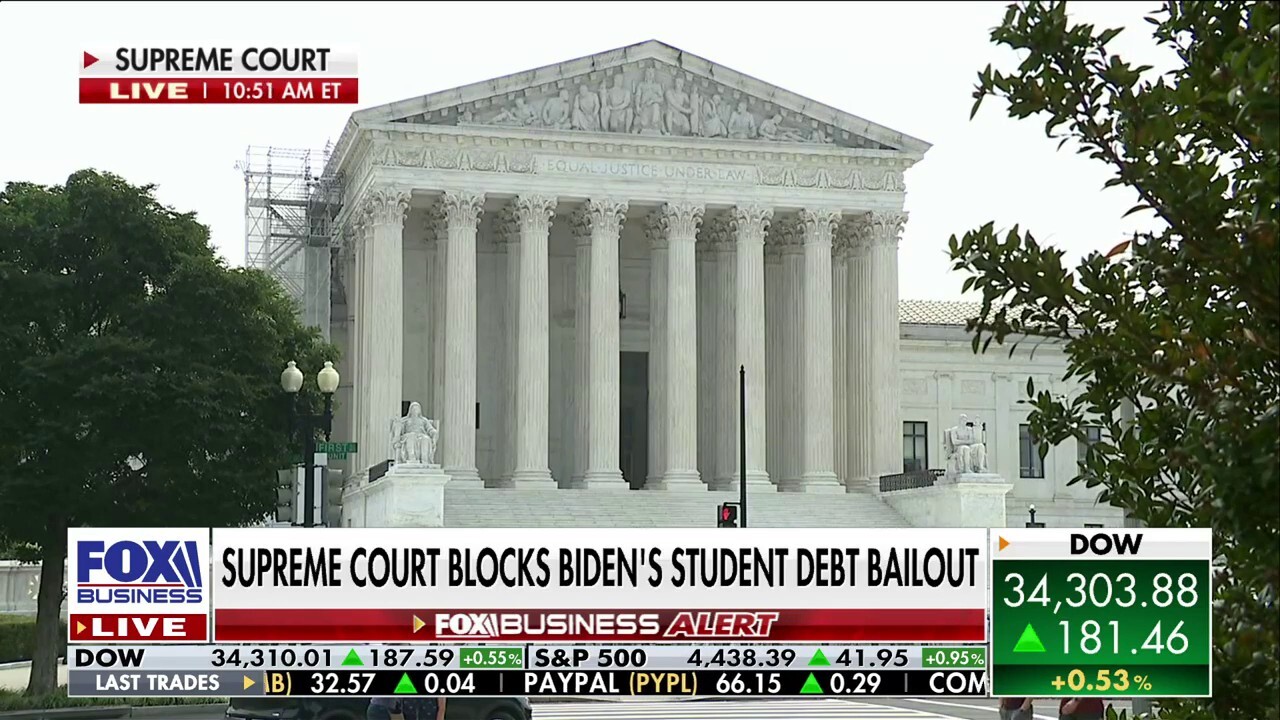
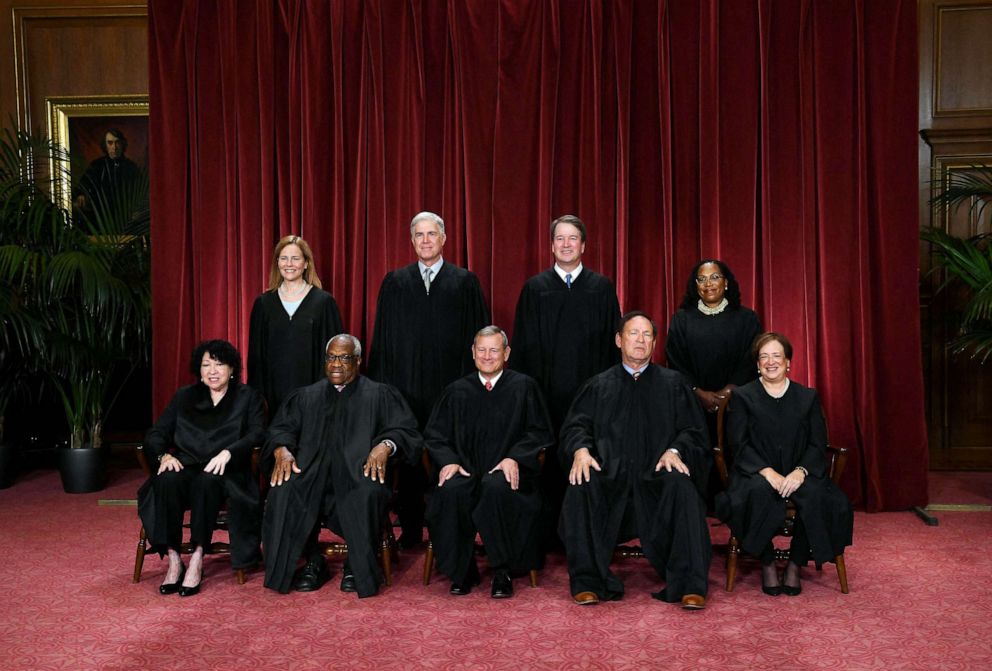
Now, let's talk about the elephant in the room: the Supreme Court. This isn't just any court; it's the highest court in the United States, and its decisions can shape the legal landscape for decades. When the Supreme Court weighs in on a case, it's not just about abstract legal principles; it has very real-world consequences. In this particular scenario, the focus is on tariffs. Tariffs are essentially taxes imposed on imported goods. Think of it like a surcharge you might pay for something made overseas. Governments use tariffs for various reasons, sometimes to protect domestic industries, sometimes as a negotiating tool in trade disputes.
The benefits of understanding how the stock market reacts to such decisions are numerous. For starters, it demystifies a part of our economy that can seem shrouded in jargon and complexity. By following these events, you gain a better grasp of the forces that influence economic growth, job creation, and even the prices of goods you buy at the store. It also equips you with a more informed perspective on financial news, allowing you to sift through the headlines and understand the underlying drivers of market movements. Whether you're a seasoned investor or just someone who likes to stay informed, this knowledge is power.
Tariffs: The Economic Domino Effect
So, why are tariffs such a big deal for the stock market, and why is the Dow getting twitchy? It all comes down to impact. When tariffs are imposed or changed, it directly affects the cost of doing business for many companies. For example, a company that relies on importing raw materials from another country might suddenly face higher costs. This can eat into their profits, making their stock less attractive to investors. Conversely, a company that produces similar goods domestically might see a boost in demand as imported alternatives become more expensive.
The Dow Jones Industrial Average, often simply called "the Dow," is a closely watched stock market index that tracks 30 large, publicly traded companies in the United States. It's seen as a barometer of the overall health of the U.S. stock market and, by extension, the economy. When the Dow is volatile, it means its components are experiencing significant price swings. This volatility often stems from uncertainty. And right now, the uncertainty is directly linked to what the Supreme Court will decide about tariffs.
The market abhors a vacuum of clarity. When there's a big, potentially game-changing decision looming, investors tend to get nervous.
This nervousness translates into volatility. Investors are trying to anticipate the outcome and its consequences. Will the decision favor lower tariffs, potentially boosting companies that import heavily? Or will it uphold higher tariffs, benefiting domestic producers but potentially squeezing those reliant on global supply chains? The lack of a definitive answer creates a situation where opinions and predictions clash, leading to rapid buying and selling as traders try to position themselves ahead of the news. It's like everyone trying to guess the next move in a high-stakes card game, and the market is the scoreboard.
The Waiting Game and What It Means
The period leading up to a major court decision is often characterized by this tense waiting game. Analysts pore over legal arguments, economists model potential impacts, and the market tries to digest all this information. News headlines will often highlight the potential winners and losers if a particular outcome is favored. This can lead to sector-specific rallies or sell-offs. For instance, if the market anticipates a ruling that will make importing cheaper, you might see stocks of retailers that import a lot of goods start to climb, while the stocks of domestic manufacturers might see a dip.
It's important to remember that the stock market is not just reacting to the potential decision but also to the uncertainty surrounding it. This uncertainty fuels speculation and can amplify price movements. Once the decision is made, the market will then digest the actual news. If the outcome is as expected, the market might react calmly. If it's a surprise, you could see even more dramatic swings as investors quickly adjust their expectations.
So, the next time you see the Dow making headlines for its wild swings, you'll have a better understanding of the forces at play. It's a complex dance of economics, law, and human psychology, all played out on the grand stage of the stock market, influenced by critical decisions from institutions like the Supreme Court. And understanding this dance can make you a more informed participant in the broader economic conversation.