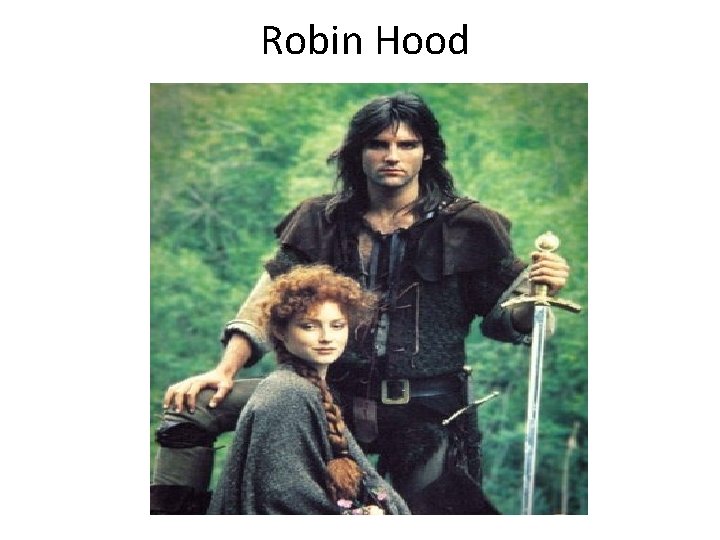
Imagine a world where the bad guy is actually… well, not entirely bad? That’s kind of the wild story unfolding in some villages deep in Michoacán, Mexico. You’ve probably heard of Robin Hood, right? The guy who stole from the rich and gave to the poor. Well, some folks there seem to see a modern-day, albeit much scarier, version of him in Nemesio Oseguera Cervantes, better known as “El Mencho”.
Now, hold on. This isn’t your fairytale story. El Mencho is the notorious boss of the Jalisco New Generation Cartel (CJNG). These guys are known for being incredibly violent and powerful. So, how could anyone possibly think of him as a hero? That’s where things get super interesting, and frankly, a little mind-boggling.
In certain rural communities, especially those feeling forgotten by the government, El Mencho’s cartel has stepped in where others haven’t. Think about it. The government promises roads, schools, and jobs, but sometimes, those promises don’t reach the dusty, remote corners of the countryside. When people are struggling, when basic needs aren’t met, they start looking for solutions anywhere they can find them.
And that’s where the CJNG comes in. They’ve been known to fund local fiestas, build roads, or even provide jobs – often through illicit means, of course. It’s like a twisted form of patronage. Instead of a mayor handing out favors, it’s a cartel boss. For people who feel abandoned, this can look like genuine help. It’s a far cry from the clean, democratic ways we’re used to, but in their reality, it’s what they’ve got.
When people talk about El Mencho, it’s not always with fear. Sometimes, it’s with a strange kind of respect, or even gratitude. They might whisper about how his men keep their towns safer from other criminals, or how they’ve helped a family in need. It’s a complex picture, painted with broad strokes of both terror and perceived benevolence. This isn't about condoning the violence, not at all. It's about understanding the complicated web of relationships and survival in these isolated areas.
This phenomenon isn’t something you see every day. It’s a stark reminder that the world isn’t black and white. There are shades of gray, and sometimes, those shades are painted with the blood of violence and the gold of… well, whatever the cartel has to offer. It makes you wonder about the root causes of such loyalty, or at least, such a lack of outright opposition.
For the people living in these villages, the government’s presence might be limited to occasional police patrols or tax collectors. But the cartel? They’re a constant, a force that shapes daily life, for better or for worse. When El Mencho’s empire suffers a blow, or when he’s rumored to be in trouble, some of these communities might genuinely feel a sense of loss. It’s like losing a powerful, albeit terrifying, protector. It’s a chilling thought, but it’s a reality for some.

The “Robin Hood” myth, in this context, is more than just a catchy headline. It’s a reflection of desperation, of a lack of trust in established institutions, and of a warped sense of order imposed by criminal organizations. It’s a story that’s both fascinating and deeply unsettling. It forces us to look beyond the headlines of drug wars and violence and consider the human stories, the complex motivations, and the harsh realities that drive people to view a notorious cartel leader in such an unusual light.
It's the kind of story that makes you pause and think. It’s a tangled knot of power, poverty, and perception. And in the quiet, remote villages of Michoacán, it’s a narrative that continues to unfold, leaving many outsiders scratching their heads and locals with a complicated mix of emotions. The legend of El Mencho, the modern-day, terrifying Robin Hood, is a tale that’s both chilling and, in its own dark way, captivating. It’s a testament to how things aren’t always as simple as they seem, especially when survival is on the line.

It’s a bizarre twist of fate, isn’t it? A criminal kingpin, a figure of immense brutality, finding himself the subject of something akin to mourning. This isn’t a fairy tale; it’s the gritty reality of life for some in Michoacán. When the official channels fail, and the promises of the state remain just that – promises – other powers can fill the void. And sometimes, those powers wear the mask of a terrifying benefactor.
The sheer audacity of the idea – a cartel boss as a local hero – is what draws you in. It’s a narrative that defies easy categorization. It’s not just about crime; it’s about sociology, about the breakdown of trust, and about the desperate measures people take when they feel left behind. This is what makes the story of El Mencho and his perceived impact in some Michoacán villages so compelling. It’s a story that stays with you, long after you’ve heard it, prompting questions about power, loyalty, and the very definition of a hero.