Imagine you've got a super-important job to do, like baking a birthday cake for your best friend. You've got the recipe, the ingredients, and you know exactly how you want it to taste – a perfect chocolate masterpiece! But then, your wacky Uncle Bob pipes up and says, "Hey, I'll take over the frosting!" The only problem is, Uncle Bob's idea of frosting is… well, ketchup.
That's kind of like what we're talking about when we hear the fancy phrase: the Non-Delegation Doctrine. It's a big, scary-sounding legal idea, but at its heart, it's pretty simple. It's about who gets to make the big decisions and whether they're allowed to pass that hot potato to someone else.
In the United States, we have a government with different branches, like a three-legged stool. There's Congress, which is like the big committee that writes the laws. Then there's the President, who's supposed to make sure those laws are carried out. And finally, there are the courts, who settle arguments about what the laws mean.
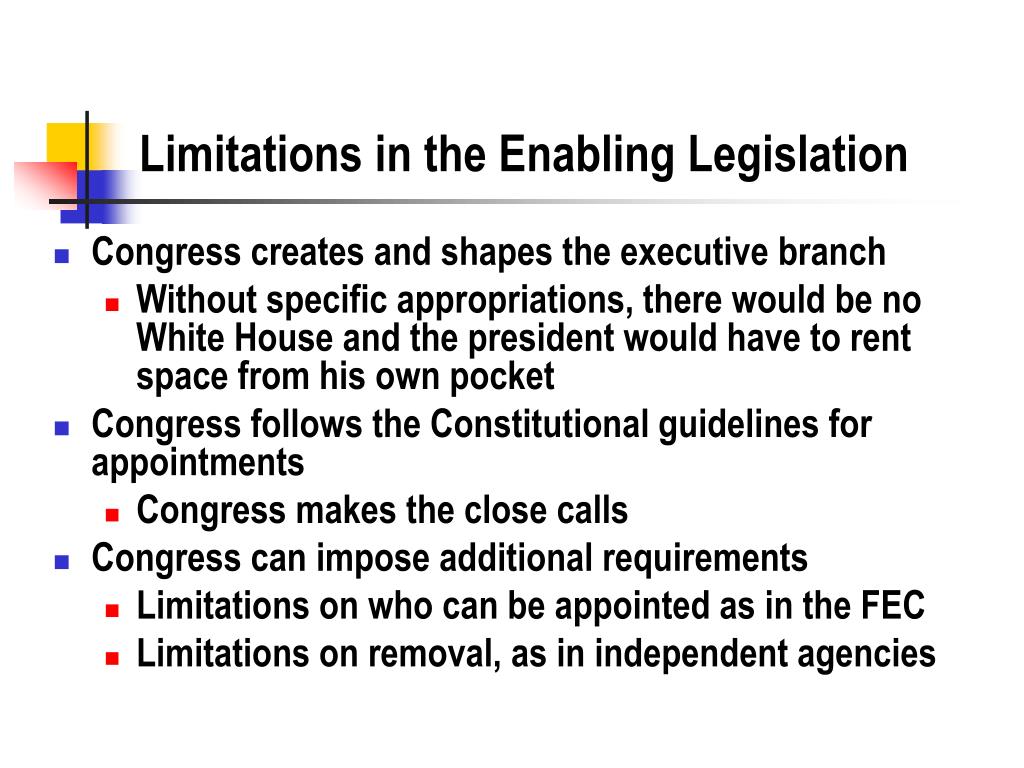
The Non-Delegation Doctrine essentially says that Congress, when it writes a law, can't just say, "You know what, President, you figure out all the tricky details and make the important choices yourself." It's like telling Uncle Bob to bake the whole cake, not just the frosting. Congress is supposed to set the rules of the game, not hand the playbook over to someone else and say, "Go wild!"
Think of it like a recipe. Congress provides the main ingredients and the general instructions. They might say, "We want this cake to be sweet and for everyone to enjoy it." But they can't just hand the recipe to the President and say, "You decide if it's chocolate, vanilla, or… ketchup."

This idea has been around for a long, long time. It's an oldie but a goodie in the legal world. The Founding Fathers, those folks who started the country, were really worried about one person or one group having too much power. They wanted to make sure no one person could just make up rules as they went along, like a playground dictator.
So, what does this have to do with Trump's trade policy? Well, sometimes presidents make big decisions about things like tariffs – which are like taxes on imported goods. These decisions can affect what we buy at the store and how much it costs.
Sometimes, Congress has passed laws that give the President a lot of wiggle room in these trade matters. They might say, "Mr. President, if you think it's a good idea for the country, you can put tariffs on certain goods." The question then becomes, did Congress give the President too much power? Did they basically say, "Here's the whole cake recipe, go bake it however you want, with whatever ingredients you find in the pantry"?

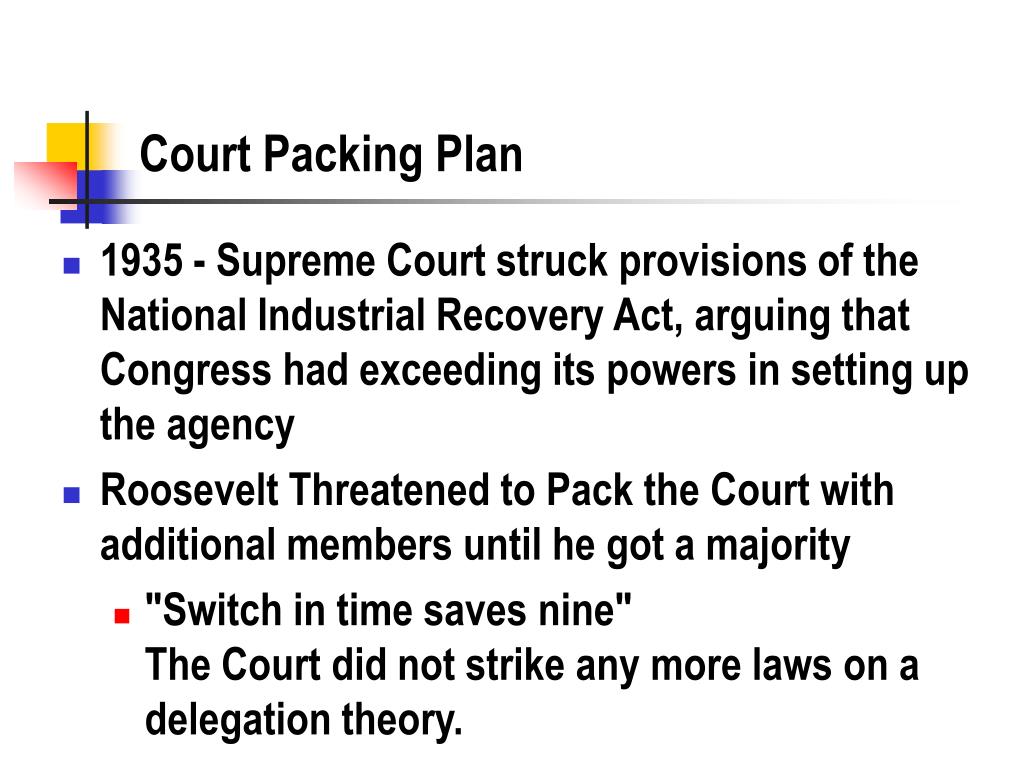
This is where the Non-Delegation Doctrine can become a really big deal. If a court looks at a law and says, "Whoa there, Congress! You gave the President too much freedom to decide what to do," then that law could be in trouble. It might even be struck down, meaning it's no longer a valid rule.
Imagine a story where Congress writes a law saying, "The President can impose tariffs whenever he feels like it, based on whatever reasons he comes up with." A lawyer might say, "Hold on a minute! That sounds like Congress is letting the President make up the rules of trade all by himself. That's not what the Non-Delegation Doctrine is all about!"

It's like giving your kid the keys to the candy store and saying, "Just make sure it's fair for everyone." While well-intentioned, the kid might decide that "fair" means everyone gets a whole bag of gummy worms, even if they're not supposed to. Congress is supposed to be more specific than that.
The beauty of the Non-Delegation Doctrine is that it's a check on power. It's a way to ensure that the people we elect to write the laws (Congress) are the ones doing the actual law-writing, not just handing off the job to someone else. It keeps things honest and, in a weird way, kind of heartwarming. It’s like the legal system’s way of saying, "We trust you, Congress, to do your job, but we also want to make sure you're not shirking responsibility!"
When it comes to Trump's trade policy, lawyers might argue that some of the actions taken were based on laws that gave the President too much unchecked power. They might say Congress didn't provide enough "intelligible principles" – fancy legal talk for clear guidelines – for the President to follow.
Think of it this way: if you tell someone to bake a cake, you might give them a recipe. But if you say, "Bake a cake," and they come back with a brick, you might wonder if you gave them enough instructions. The Non-Delegation Doctrine is the legal equivalent of asking for a clearer recipe.
So, the next time you hear about the Non-Delegation Doctrine, don't let the big words scare you. It's just a legal theory that says everyone needs to do their assigned job, and you can't just pass the important work off to someone else without some clear instructions. It’s a fundamental part of our system, designed to keep power in check and make sure that decisions affecting all of us are made by the people we’ve entrusted to make those decisions, with clear guidance. It's about ensuring that Uncle Bob doesn't accidentally frost the birthday cake with ketchup.
And in the world of Trump's trade policy, this doctrine could be the legal superhero that swoops in and says, "Wait a minute! Did Congress really intend for the President to have this much independent decision-making power in trade matters?" It’s a fascinating legal battle, and one that highlights how even the most abstract legal theories can have very real, and sometimes surprising, impacts on our everyday lives. It’s a reminder that our government is a complex machine, and the Non-Delegation Doctrine is one of its essential, albeit sometimes overlooked, gears.