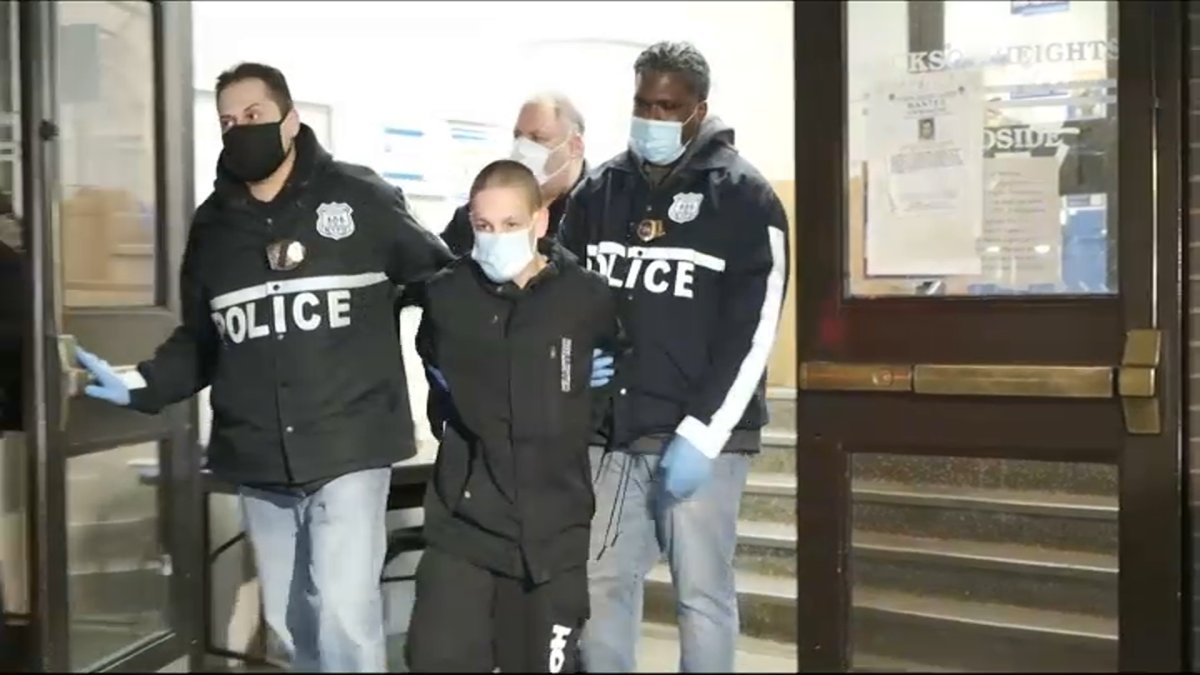
Hey everyone! Ever find yourself caught in a bit of a head-scratcher, wondering how something that seems so straightforward can get all tangled up? Today, we’re diving into a topic that’s a little bit like trying to untangle your headphone cords – complex, a bit frustrating, but totally worth understanding. We’re talking about when someone says, "But I was just sick!" in the face of accusations of something more serious, like a hate crime.
Imagine you’re at a potluck. You brought your famous seven-layer dip, and someone else brings… well, something questionable. Now, if that questionable dish causes a stir, and someone blames you for it, you might say, “Hey, I just followed the recipe I found online!” But what if the recipe itself was intentionally a bit… off? And what if your explanation of “just following the recipe” doesn’t quite explain why you chose that particular recipe, especially if it caused harm to someone else?
That’s kind of the vibe we're exploring today. The legal system, bless its complicated heart, has to figure out intent. And sometimes, when someone is accused of a hate crime – which is basically a crime fueled by prejudice against a person’s identity, like their race, religion, or sexual orientation – they might try to say, “Oh, I didn’t mean it like that! I was just in a bad mood,” or even, “I wasn’t feeling well.”
Let’s break this down. A hate crime isn't just about doing something wrong; it’s about why you did it. The "why" is the crucial ingredient that turns a regular offense into a hate crime. It’s like the difference between accidentally tripping and spilling your coffee on someone (oops!) versus intentionally shoving them to make them spill their coffee (yikes!).
The "Medical Claim" Defence
So, what happens when someone who’s accused of a hate crime throws out the “I was sick” card? This is where things get interesting. This defense, often framed as a mental health issue or temporary incapacity, basically suggests that the person wasn’t in their right mind to form the specific prejudiced intent required for a hate crime charge.

Think about it like this: You’re running late for work, stressed, and your brain is going a mile a minute. You might snap at someone for something minor. But if your actions, fueled by that stress, targeted someone specifically because of who they are – say, you yelled racial slurs at them because of their ethnicity while you were feeling overwhelmed – the law needs to disentangle the stress from the prejudice. Was the stress the reason for the bad behavior, or was it an excuse to unleash pre-existing hateful feelings?
In the legal world, this often comes down to proving mens rea, which is fancy Latin for "guilty mind." For a hate crime, that guilty mind needs to be tainted with bias or prejudice. A general claim of feeling unwell or being under stress, on its own, might not automatically erase that prejudiced intent. It’s a bit like saying you didn’t mean to eat the whole box of cookies because you were "feeling peckish." While true, it doesn't really explain why you chose that specific box of cookies if, for instance, they were your neighbor’s prized artisanal creations.
So, Can You Really Get Away With It?
The short answer is: it's complicated. The law isn't a one-size-fits-all situation. Judges and juries have to look at all the evidence. They consider the alleged offender's words, actions, the context of the incident, and yes, any claims about their mental state or health.

Here’s where the "smile-inducing" (or at least thought-provoking) comparisons come in. Imagine a chef who burns a meal. They might say, "The oven was too hot!" or "I was distracted!" These are explanations. But if it turns out the chef intentionally sabotaged the oven before cooking, or deliberately chose ingredients that would spoil the dish, then the original explanation doesn't hold up, does it? The intent to ruin the meal becomes the main issue.
Similarly, if someone makes deeply offensive, targeted remarks fueled by prejudice, simply saying "I have a headache" afterwards doesn’t magically erase the hateful nature of those remarks. The medical claim needs to be more than just an afterthought; it needs to genuinely demonstrate that the person was incapable of forming the specific biased intent at the time of the offense.
What the courts are really asking is: Was the alleged offender’s mental state so impaired that they couldn’t have possibly acted with prejudice? Or were they simply using their discomfort as a shield to deflect responsibility for actions that were motivated by hate?
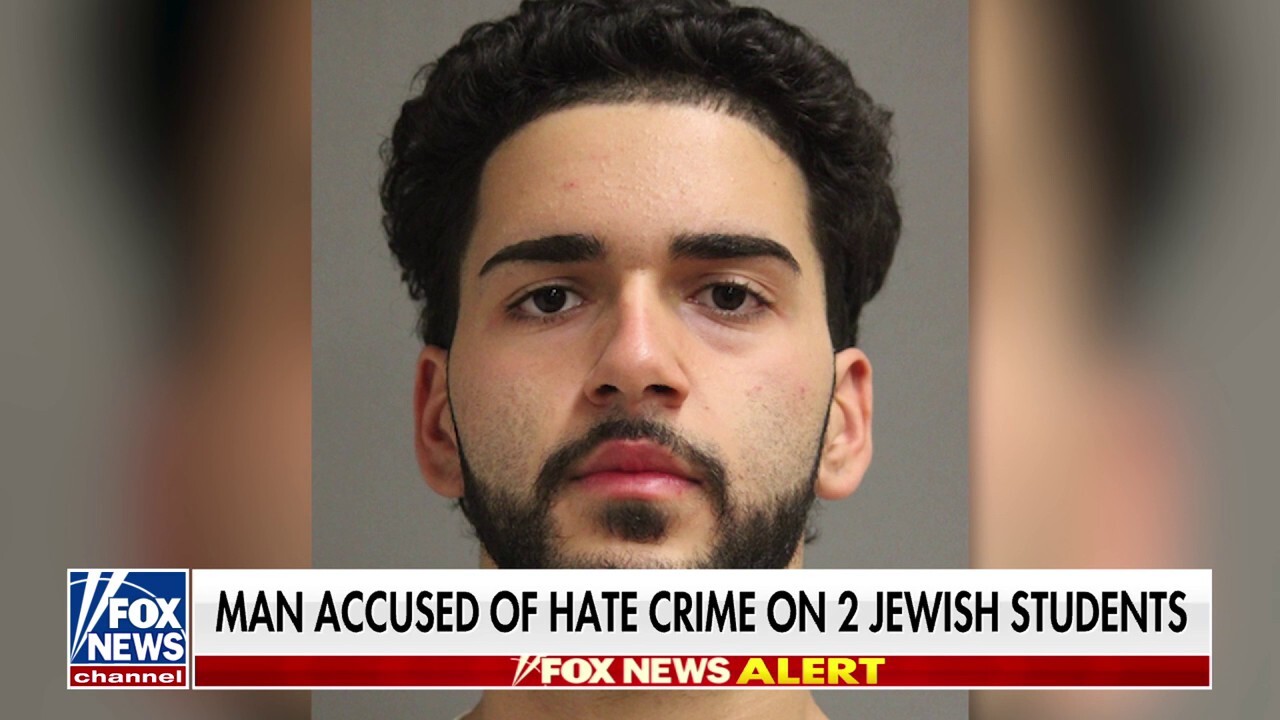
Why Should We Care?
This might sound like legal jargon, but it touches on something really important for all of us. Why? Because when we allow "I was sick" to be an easy out for hate crimes, we risk minimizing the harm done to the victims.
Think about it: if someone is targeted and hurt because of who they are – their race, their religion, their gender identity – that's not just a random act of unkindness. It's an attack on their very being. It can make them feel unsafe, unwelcome, and deeply traumatized. The law’s job is to acknowledge that specific kind of harm.
If the medical claim defense becomes a get-out-of-jail-free card for prejudice, it sends a message that the identity of the victim doesn't really matter as much as the perpetrator's comfort. That's not a world any of us want to live in, right? It's like a world where the bully gets a sticker for being "sad" after pushing someone down, while the person who got pushed gets nothing.

We want the legal system to be fair and to reflect the reality that prejudice has real, damaging consequences. When the law takes hate crimes seriously, it’s saying, "We see you, we believe you, and your identity is worth protecting."
So, while the legal nuances are complex, the underlying principle is pretty clear: intent matters. And when that intent is rooted in hate, the "I was sick" defense has to be more than just a convenient excuse. It has to be a genuine, provable incapacity that prevented the formation of that specific, harmful bias.
It's about ensuring that justice is served, that victims are protected, and that our communities are places where everyone feels safe and respected, regardless of who they are. And that's a cause worth understanding, even if it's as tricky as untangling those darn headphones!