Ever feel like you're playing a never-ending game of "Where's My Package?" You know, the one where you've been tracking it since it left a magical land filled with elves and dreams (or maybe just a factory in China), and now it's supposedly just a hop, skip, and a jump away from your doorstep. But that hop, skip, and a jump seems to be taking the scenic route through Narnia, and your package is currently stuck in some sort of logistical purgatory.
Well, folks, that feeling of mild (or let's be honest, sometimes intense) frustration? It's not just you. It's a symptom of a much bigger, much more complicated thing called the global supply chain. Think of it as the universe's most elaborate game of Jenga, where if one block gets wobbly, the whole tower starts to sway. And right now, a few of those Jenga blocks are looking a little… precarious.
You might be wondering, "What in the world does this have to do with my new comfy sweatpants or that artisanal sourdough starter I ordered?" Everything! Because those sweatpants and that sourdough starter, along with pretty much everything else you buy that wasn't grown in your backyard, has to travel a loooong way to get to you. And lately, a lot of that travel has been getting a bit… interesting.
We're talking about logistics companies – the unsung heroes (and sometimes villains, depending on your tracking updates) of getting stuff from Point A to Point B. They're the wizards behind the curtain, the conductors of the cargo orchestra, the folks who make sure your avocado toast ingredients don't end up on a joyride to the moon. And recently, these logistical masterminds have been making some rather strategic detours, particularly when it comes to docking their massive ships at our beloved US ports.
Imagine your favorite pizza place suddenly deciding to stop making deliveries to your neighborhood. Not because they don't like you, but because the road to your house is a bit of a mess. There are potholes the size of small cars, traffic jams that would make a sloth yawn, and maybe even a rogue flock of pigeons staging a protest. It’s just… easier to go somewhere else for a while.
That, in a nutshell, is what's been happening with our ports. They've become the logistical equivalent of that one road in town that’s constantly under construction. It’s not that the ports themselves are bad places, per se. They’re usually bustling hubs of activity, like a really, really big, noisy family reunion for containers. But lately, the parking situation for those giant cargo ships has been less "ample lot" and more "absolute chaos."
The Great Port Squeeze: Why the Traffic Jam?
So, what's causing this massive logjam at the US ports? Well, it's a perfect storm of factors, like a bad hair day for the entire shipping industry. Think of it as a perfect confluence of "oops" and "uh-oh."
Firstly, remember when the world decided to collectively hit the "pause" button on life a couple of years back? Everyone started ordering stuff online like there was no tomorrow. Suddenly, our homes were filled with boxes, and the demand for everything went through the roof. It was like Black Friday, but for like, a year straight. Suddenly, those cargo ships that usually glide into port like graceful swans were met with a tidal wave of demand.
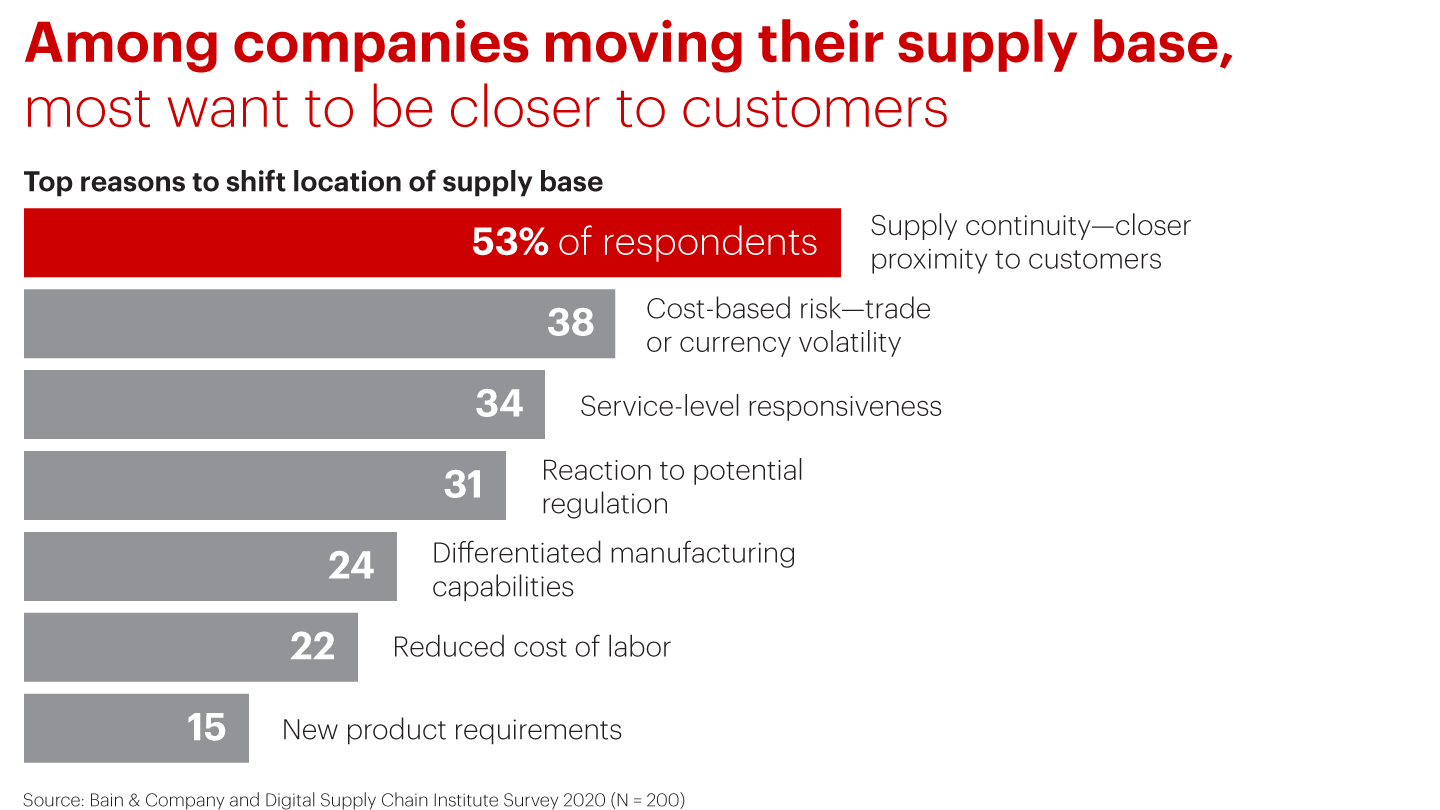
Then, things started to open up again. People, eager for a taste of normalcy, wanted to buy more than just sweatpants. They wanted to go on vacations, eat at restaurants, and generally engage in the delightful pastime of spending money. This created a surge in demand for goods that the supply chain, which had been a bit sluggish from its pandemic slumber, just wasn't prepared for.
It’s like trying to binge-watch your favorite show on a dial-up internet connection. You want all the episodes immediately, but the technology just can't keep up. The ships are ready, the goods are (mostly) ready, but the process of unloading and moving all that stuff off the docks? That's where the bottleneck started to form.
Imagine a massive party. Everyone arrives at once, and the host is struggling to find enough coat hangers. That's kind of what happened at the ports. Too many ships, not enough space, not enough people to unload everything quickly.
The Dockworker Dilemma: A Busy Bee's Struggle
And speaking of people, let's talk about the folks who actually do the heavy lifting (literally). The dockworkers. These are the real MVPs, the muscles of the operation. They're the ones wrestling those humongous containers, making sure everything gets where it needs to go on the dock. But even the strongest superheroes have their limits, right?
When the volume of goods exploded, so did the workload for these already hardworking individuals. It's like asking a single barista to make coffee for an entire city during rush hour. They’re running on fumes, and things start to slow down. Add in the fact that sometimes, negotiations between the dockworkers and the port authorities can get a little… tense, and you’ve got yourself another recipe for delay.

Think of it like a grumpy landlord and a tenant who’s trying to get their apartment fixed. The tenant really needs that leaky faucet fixed, but the landlord is busy with other properties, and maybe they’re not seeing eye-to-eye on the urgency of the situation. Meanwhile, the water just keeps dripping.
This whole situation creates what the cool kids in the logistics world call "port congestion." It’s a fancy term for "so many ships are waiting to dock and unload that they’re basically forming a floating traffic jam outside the harbor." These ships, some of them the size of small cities themselves, can be seen bobbing in the waves, patiently (or perhaps impatiently) waiting for their turn to play the unloading game.
The Smart Move: Taking the Road Less Traveled (Literally)
Now, if you were a business owner, a logistics manager, or even just a very organized person trying to get a crucial shipment to your customers, and you saw this giant, chaotic party happening at your usual arrival point, what would you do?
Probably the same thing most smart cookies are doing: rerouting. It’s the logistical equivalent of saying, "You know what? This place is a madhouse. Let’s try that other, slightly less crowded party down the street."
So, what does this "rerouting" look like in practice? Instead of their usual destinations – think major hubs like Los Angeles and Long Beach on the West Coast, which have been feeling the squeeze something fierce – cargo ships are increasingly setting their sights on alternative ports.
We're talking about places like Savannah, Georgia, or Charleston, South Carolina, on the East Coast. Or even smaller, less congested ports up and down the coasts that might not have been the first choice in the "good ol' days." It’s like realizing your favorite restaurant is packed, so you decide to try that charming little bistro on the corner that you’ve always overlooked. Sometimes, you end up finding a hidden gem!
Why is this a good move for logistics companies? Well, for starters, it's about efficiency. Imagine you’re trying to get a birthday cake to a party. You know the main road is gridlocked with parades and street festivals. Your best bet? Take the back roads, the side streets. It might take a little longer to get to the exact same spot, but at least you're actually moving towards your destination.
By diverting ships to less congested ports, these companies can avoid those agonizingly long waits. Instead of sitting idle for days, or even weeks, waiting for a berth, their ships can dock, unload, and get back to sea much faster. This means faster turnaround times, less fuel wasted idling, and ultimately, happier customers (and hopefully, happier CEOs).
It’s also a bit like spreading out the workload. Instead of everyone trying to cram through one tiny doorway, you’re opening up a few more. This helps to alleviate the pressure on the overwhelmed ports and distribute the flow of goods more evenly. It’s the logistical version of "don't put all your eggs in one basket," except the basket is a giant cargo ship and the eggs are, well, your new TV.
The Ripple Effect: What It Means for You and Me
So, okay, ships are going to different places. Big deal, right? Well, it is a big deal, because like a pebble dropped in a pond, the effects of this rerouting ripple outwards and eventually reach our humble doorsteps.
On the one hand, this strategic shift can actually be a good thing for consumers in the long run. By decongesting the major ports and making the flow of goods smoother, it helps to stabilize prices and reduce the likelihood of those frustrating stock-outs. Remember when you couldn't find toilet paper for love nor money? This kind of smart rerouting can help prevent those kinds of panic-inducing shortages.
Think of it as a well-organized game of musical chairs. When everyone is focused on one or two chairs, it gets chaotic. But if you spread out the chairs, everyone has a better chance of finding a seat. This helps to ensure that the shelves stay stocked and that you can, in fact, get your hands on that artisanal sourdough starter.
However, there's also a flip side. For those of us living closer to the traditional major port hubs, we might see a slight increase in transit times for certain goods. If your favorite sweater was supposed to arrive via a ship that’s now rerouted to Savannah, it might take a little longer to get to your local distribution center. It's like ordering from a different branch of your favorite store – sometimes the shipping takes a tad longer.
And for businesses that rely on just-in-time inventory (meaning they only order what they need, right when they need it), this unpredictability can be a headache. Imagine planning a big party and realizing your caterer has to drive an extra hour because of a sudden road closure. You still get the food, but the timing might be a little off.
But here's the optimistic takeaway: this isn't just about problems; it's about solutions. The fact that logistics companies are actively rerouting and adapting shows incredible resilience and ingenuity. They’re not just sitting around wringing their hands; they’re actively navigating the choppy waters of the global supply chain.
It's a testament to the fact that even when things get tough, the show must go on. Your new gadget will still (eventually) make its way to you, your favorite snacks will still be available, and the world of commerce will keep on turning. It might just take a few more detours than usual, and that's okay.
So, the next time you’re tracking a package and it seems to be taking the scenic route, remember the intricate dance of the global supply chain. Remember the busy ports, the hardworking dockworkers, and the clever strategists behind the scenes. And maybe, just maybe, you’ll crack a smile, nod your head, and think, "Ah, yes, the supply chain is having one of those days." And that, my friends, is a perfectly normal (and sometimes hilarious) part of modern life.