Ah, trade! It's one of those things that subtly weaves its way through our daily lives, often without us even realizing it. From the smartphone in your pocket to the delicious coffee you might be sipping right now, the intricate dance of global commerce is what makes so many of our everyday conveniences and luxuries possible. It's a fascinating system that allows countries to specialize in what they do best, and then share those amazing goods and services with the rest of the world. Think of it as the ultimate potluck dinner – everyone brings their best dish, and we all get to enjoy a fantastic variety!
The benefits of robust international trade are pretty darn clear. It fuels economic growth, creating jobs and opportunities here at home. It also offers us a wider selection of products at potentially lower prices, thanks to competition and efficiency. For us as consumers, it means access to everything from cutting-edge technology developed in Silicon Valley to finely crafted automobiles from Germany, or even exotic spices from faraway lands that add a little zing to our home-cooked meals. For businesses, it opens up vast new markets, allowing them to reach more customers and scale their operations.
Common examples are all around us. Every time you buy an imported t-shirt, use a laptop assembled overseas, or even enjoy a bottle of wine from France, you're participating in global trade. It's the reason we can easily get our hands on goods that might be too expensive or simply impossible to produce domestically. It fosters innovation as companies strive to create better products to compete on a global stage.
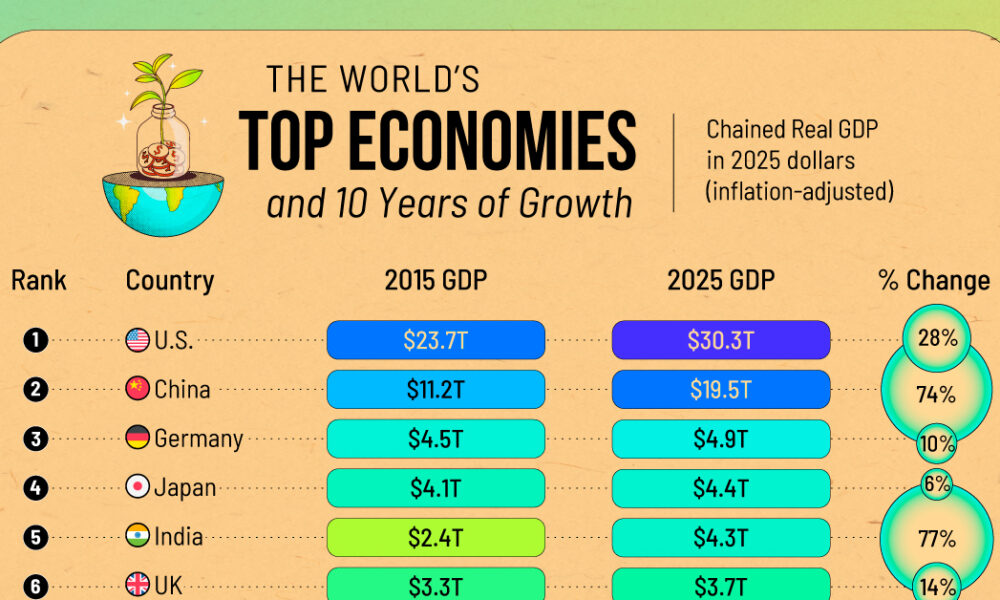
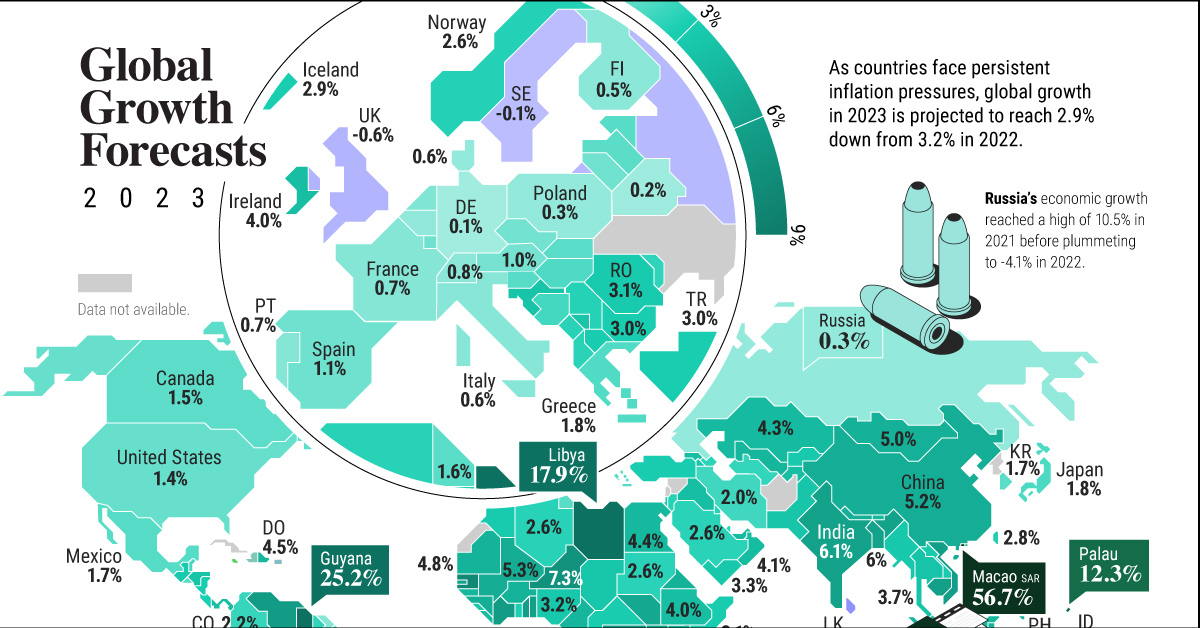
But here's where things get a bit more nuanced, and where a seemingly small economic figure from across the Pacific can actually have a surprising impact. Imagine a tiny pebble dropped into a vast, calm lake. The ripples might seem insignificant at first, but they spread outwards, affecting everything they touch. That's a bit like Japan's recent economic growth – or rather, its lack of significant growth. With Japan's Gross Domestic Product (GDP) only ticking up by a modest 0.2%, it’s like that pebble is barely disturbing the water.
Now, why does this matter for us and our trade with the United States? Well, Japan is a major player on the world stage, both economically and as a trading partner for the US. When Japan’s economy is humming along, its consumers and businesses are generally buying more. This means they're importing more from countries like the US. Conversely, when their economy is sluggish, demand for imported goods tends to soften. This can lead to a dampened demand for American products, impacting US businesses that rely on those sales.

Furthermore, a weak Japanese economy can influence global supply chains. Many American companies have operations or source components from Japan. If Japanese manufacturers are producing less due to weak domestic demand, it can create bottlenecks or delays further down the line, eventually impacting the availability and even the price of goods here in the US. It's a complex web, and a slowdown in one major economy can send out unexpected ripples.
So, how can we, as everyday folks, better appreciate this interconnectedness? For starters, staying informed about global economic trends, even the seemingly small ones, can be quite enlightening. It helps us understand why certain prices might fluctuate or why some products might be harder to find. When you're out shopping, take a moment to notice where things are made. It’s a small act that connects you to the larger story of global trade. And perhaps, the next time you enjoy a Japanese product or service, you can appreciate the intricate economic journey it took to get to you, and how even a slight economic shift in that nation can have a global reach.