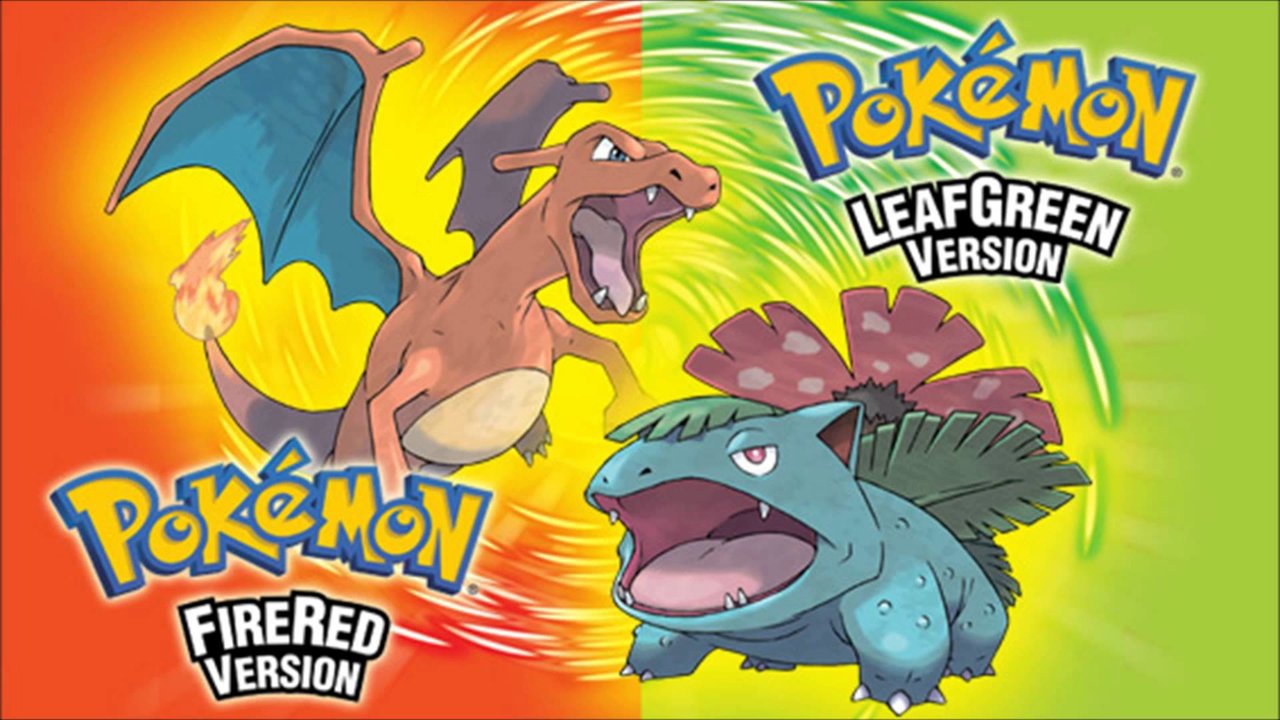
I remember it like it was yesterday. Well, not exactly yesterday, more like a really sunny afternoon in the early 2000s. My best friend, Sarah, burst through my front door, practically vibrating with excitement. She was clutching a bright red Game Boy Advance SP, and in its tiny screen glowed… well, it glowed familiar. Like a beloved old photograph that had somehow sprung to life. It was Pikachu, looking cuter and more vibrant than I’d ever seen him. We were hooked. Instantly. And little did we know, we were about to experience the dawn of a new era for a franchise we already adored.
You see, before FireRed and LeafGreen, Pokémon was… well, it was great, don’t get me wrong. But it was also aging. The original Red, Blue, and Yellow games, while revolutionary, were starting to show their age, even on the Game Boy Color. The graphics were blocky, the sprites were a little simplistic, and if you weren’t paying super close attention, you might have mistaken a Charmander for a slightly disgruntled potato. 😉
Then came the Game Boy Advance, and with it, a breath of fresh, vibrant air. And in 2004, Nintendo dropped a bomb of nostalgia, wrapped in cutting-edge (for the time!) graphics: Pokémon FireRed and Pokémon LeafGreen. These weren't just ports. Oh no. These were complete overhauls, a love letter to the original generation that somehow managed to capture lightning in a bottle again.
Let’s be honest, when Nintendo announced they were remaking the Kanto region, there were probably a few eyebrows raised. Would it be just a cash grab? Would they mess with the magic formula? Would my beloved Charizard still look as majestic, or would he be rendered as a fuzzy blob? The internet, bless its chaotic heart, was abuzz with speculation and, let's face it, a healthy dose of skepticism.
But from the moment you booted up those cartridges, those worries melted away faster than a Snorlax after a good meal. The visual leap was astounding. Gone were the muddy sprites and limited color palettes. Kanto was alive! The trees had actual leaves, the water shimmered, and the Pokémon themselves… oh, the Pokémon! They moved, they had personality, and they looked so good. It was like seeing your childhood toys reimagined by a master artist. You could finally appreciate the intricate designs that the original hardware could only hint at.
Think about it: the very first time you saw a fully animated Squirtle splash in the water, or watched Charmander’s tail flame flicker with realistic animation. It was a game-changer, pun absolutely intended. This wasn't just a graphical update; it was a restoration of detail. Suddenly, every corner of Kanto felt more fleshed out, more believable. Even the towns, which felt a bit samey before, now had distinct personalities. Cerulean City felt more aquatic, Vermilion City felt more industrial, and Lavender Town… well, Lavender Town still gave us the creeps, but now it did it with extra atmospheric flair!

Beyond the Pixels: Gameplay That Evolved
But it wasn’t just about the pretty pictures. FireRed and LeafGreen weren’t content to just rest on their graphical laurels. They smartly integrated a lot of the gameplay advancements that had been introduced in the intervening generations. This was crucial. Without these updates, the games would have felt like beautiful, but ultimately hollow, shells.
For starters, the type chart received a much-needed overhaul. Remember how confusing it was back in the day? Certain types were just… useless. Or their weaknesses and resistances felt arbitrary. The inclusion of new types like Dark and Steel, and the rebalancing of existing ones, made battles significantly more strategic. It forced you to think outside the box and build a more diverse team. No longer could you just brute-force your way through with a team of overpowered Pidgeys and Rattatas (though I’m sure some of you tried, and I respect that!).
And then there was the Exp. Share. Oh, sweet, sweet Exp. Share. Before this, grinding was a chore. You’d have to constantly swap out your weaker Pokémon, risking them getting knocked out, just to give them a little bit of experience. The Exp. Share made it so much more convenient to train up your entire team. It fostered a sense of camaraderie with all your Pokémon, not just your starter and the two powerhouses you’d somehow managed to evolve into legends. It really made you feel like you were building a team, not just a collection of individual fighters.
This was a big deal for newcomers too. Imagine picking up Pokémon for the first time with FireRed or LeafGreen. You're not immediately thrown into a clunky, outdated system. You're greeted with a polished, accessible experience that still has the depth that veteran players loved. It was a brilliant bridge between the old and the new.
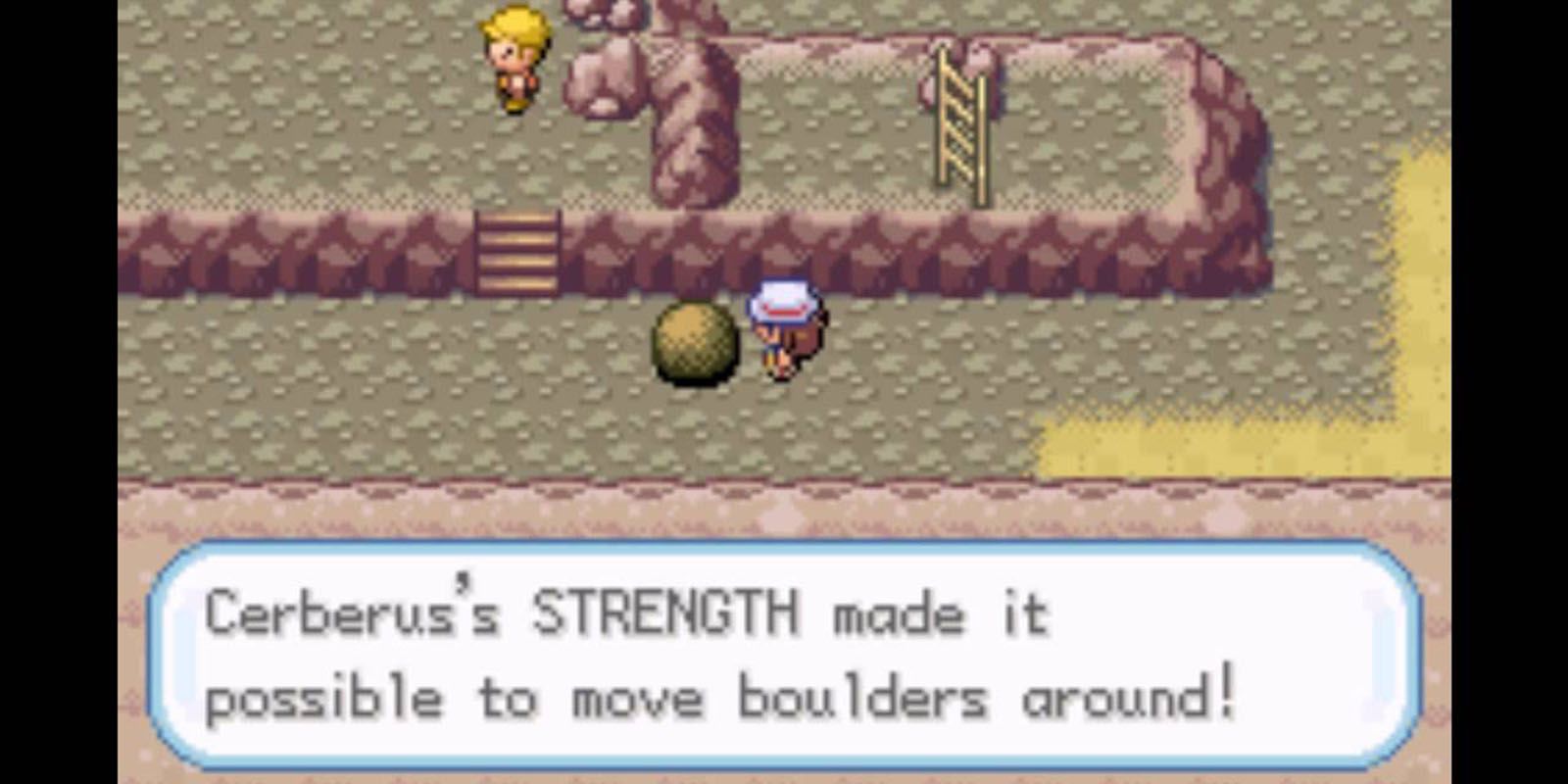
But perhaps one of the most significant gameplay additions was the Post-Game content. This was something the original games severely lacked. Once you beat the Elite Four, it was pretty much lights out. You could aimlessly wander around, maybe catch a few more Pokémon, but the thrill quickly faded. FireRed and LeafGreen changed that by introducing the Sevii Islands.
The Sevii Islands weren't just some tacked-on area; they were a whole new archipelago with new challenges, new trainers, and, crucially, access to Pokémon from later generations! Suddenly, you weren't just limited to the 151 original Pokémon. You could encounter and catch Pokémon from Johto! This was HUGE. It extended the lifespan of the game exponentially and kept players engaged for weeks, even months, after they’d conquered Kanto. It felt like the world of Pokémon had suddenly expanded, hinting at the vastness of the universe to come.
A New Home for the Old Guard
It's also worth noting the hardware advantage. The Game Boy Advance was a significant leap from the Game Boy Color. The improved processing power meant smoother animations, more complex battle sequences, and a generally more robust experience. The battery life was also a dream compared to the original Game Boy, which felt like it ate AA batteries for breakfast.
And let's not forget the link cable functionality. While the original games had trading and battling, the GBA's connectivity options felt more refined. The wireless adapter that came with some versions also made it a little less of a hassle to link up with friends. That social aspect, the ability to trade your way to completing your Pokédex or battle your rival head-to-head, was always a cornerstone of Pokémon, and the remakes enhanced that experience.

For those of us who had poured hundreds of hours into the original games, it was like visiting a beloved childhood home that had been completely renovated. All the familiar furniture was there, but everything was brighter, more comfortable, and had all the modern conveniences. You could revisit all your favorite spots – Pallet Town, Viridian Forest, Saffron City – and experience them with a renewed sense of wonder.
And for those who were new to the Pokémon universe? FireRed and LeafGreen served as the perfect entry point. They offered the classic Kanto journey, the iconic starter Pokémon, and the legendary battles, all presented in a package that was far more accessible and engaging than the originals. It was a masterclass in how to modernize a classic without sacrificing its soul.
The Legacy of the Red and Green Tints
So, how exactly did FireRed and LeafGreen change the series? Well, in so many ways.
Firstly, they proved the viability of remakes. Before these games, the idea of revisiting older generations with updated graphics and gameplay wasn't as established. They showed that there was a massive appetite for revisiting beloved worlds, and that developers could leverage nostalgia while also introducing new elements to keep things fresh. This paved the way for every subsequent Pokémon remake, from HeartGold and SoulSilver to Brilliant Diamond and Shining Pearl.
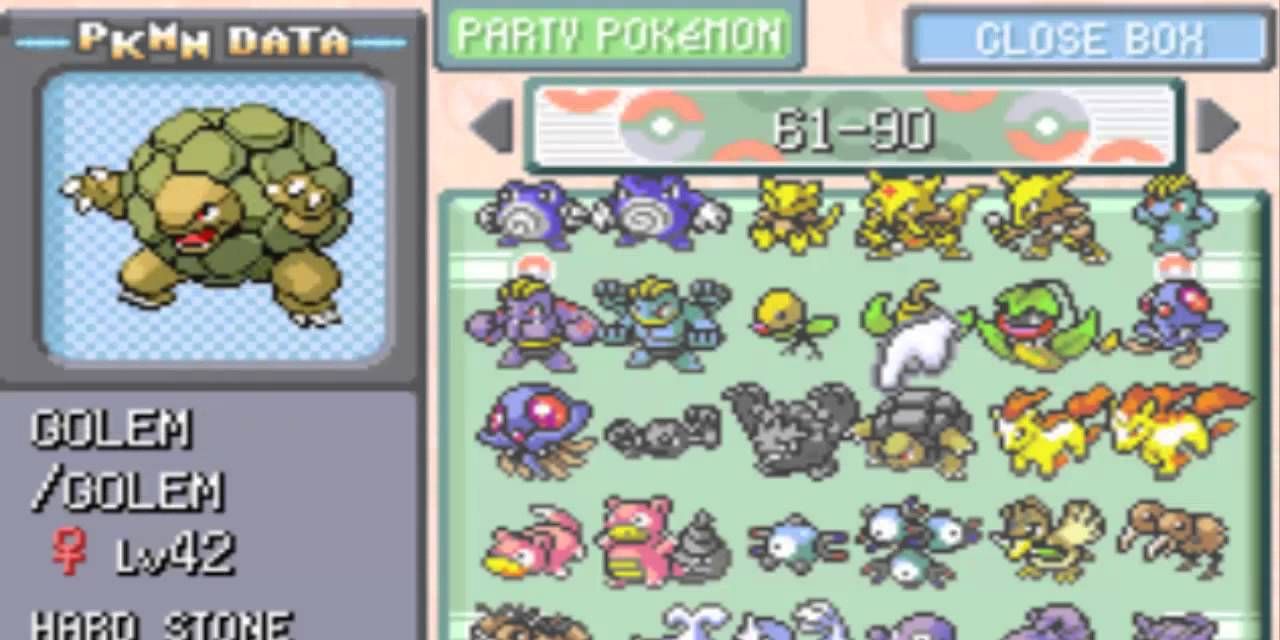
Secondly, they set a new standard for graphical fidelity and presentation. The leap from the GBC to the GBA was substantial, and the developers made the most of it. They established that Pokémon games, even remakes, should strive for a certain level of polish and visual appeal. This pushed subsequent games to aim for higher graphical standards and more dynamic animations.
Thirdly, they refined and expanded the gameplay loop. The integration of features from later generations and the addition of significant post-game content demonstrated a commitment to player engagement and longevity. They showed that a Pokémon game could be enjoyed for a very long time, with plenty to do even after the main story concluded.
And finally, and perhaps most importantly, they reignited the passion for Kanto. They reminded long-time fans why they fell in love with Pokémon in the first place and introduced a new generation to the magic of catching them all in a way that was both familiar and excitingly new. It was a carefully crafted blend of the past and the future, a perfect harmony of nostalgia and innovation.
Looking back, it’s easy to see FireRed and LeafGreen as more than just video games. They were cultural touchstones, the moments where a beloved franchise leveled up, proving that you could honor your roots while boldly stepping into the future. And for a generation of gamers, they were the gateway back to a world we thought we knew, but which, thanks to these brilliant remakes, we got to discover all over again. It’s hard to overstate their impact. They didn't just remake games; they remade the future of Pokémon. And that’s pretty darn cool if you ask me. 😉


