Ever wondered how some individuals amass truly mind-boggling fortunes? We're not talking about lemonade stands here. We're diving into a world where illicit substances have created empires, and a relatively new player has outmaneuvered the old guard. It's a story of scientific innovation, ruthless ambition, and a whole lot of cash. Understanding this dynamic is pretty fascinating, and frankly, it's a useful peek into how the global economy, even its shadowy corners, can be reshaped by what people are willing to buy and what can be produced most efficiently. It's a stark reminder that sometimes, the biggest shifts come from unexpected places, and this story of the Fentanyl Fortune is a prime example.
The purpose of this article is to shed light on a significant shift in the landscape of organized crime, specifically focusing on how synthetic drugs have propelled certain cartel leaders to unprecedented levels of wealth. Traditional drug lords built their empires on crops like marijuana and cocaine, which require vast amounts of land, labor, and time to cultivate. The arrival and proliferation of synthetic drugs, particularly fentanyl, have dramatically altered the game. These substances are chemically engineered in labs, often on a much smaller scale, and can be produced much faster and with a higher profit margin. This makes them incredibly attractive to criminal organizations seeking to maximize their returns and minimize their logistical challenges. By understanding this transition, we can begin to grasp the economic forces at play in the drug trade and why some leaders have become astronomically richer than their predecessors.
The Rise of the Synthetic King
For decades, the titans of the drug trade were those who controlled the cultivation and trafficking of natural substances. Think of the legendary figures associated with cocaine from Colombia or marijuana from Mexico. Their fortunes were built on fertile land, clandestine labs, and elaborate smuggling routes. However, a new era dawned with the widespread availability of precursor chemicals and the scientific knowledge to synthesize potent drugs like fentanyl. This is where figures like Joaquín "El Chapo" Guzmán, once the undisputed kingpin of the Sinaloa Cartel, find themselves surpassed in sheer financial power by newer players.
The game-changer? Fentanyl. Unlike opium poppies that need to be grown, harvested, and processed, or coca plants that demand specific climates and extensive labor, fentanyl is made in a laboratory. This seemingly simple difference has monumental implications for profit. The precursor chemicals needed to make fentanyl are often readily available, sometimes even through legitimate industrial channels, making them easier to acquire than vast quantities of coca leaves or opium sap. The synthesis itself is a relatively quick process, meaning production can be scaled up or down with much greater agility than traditional drug manufacturing.

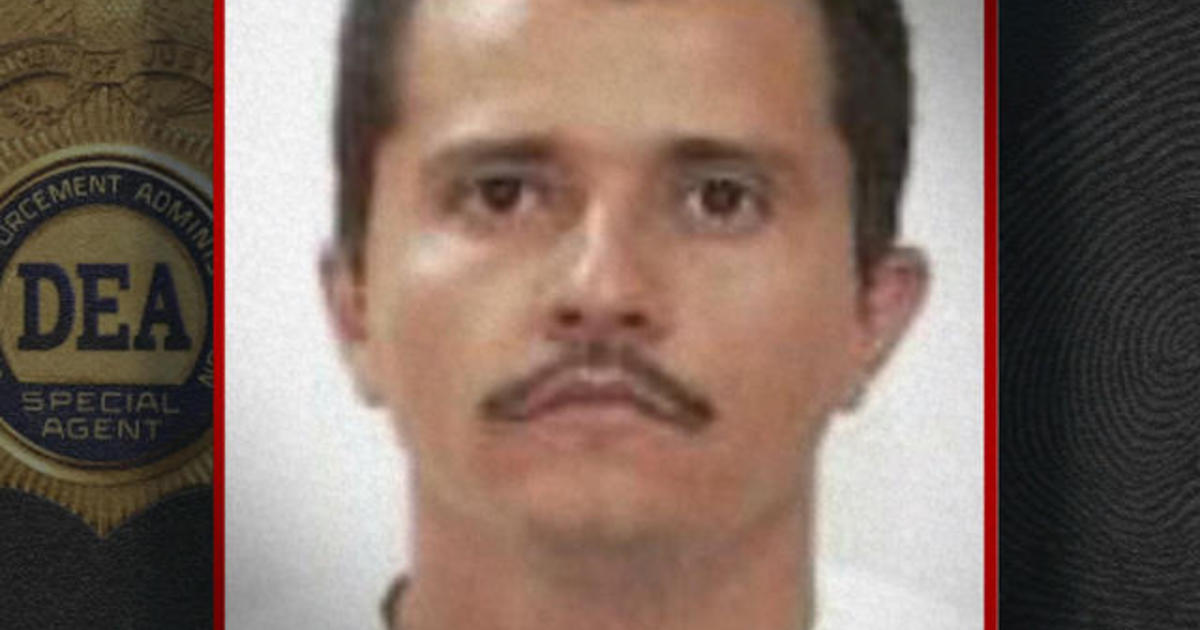
Imagine this: a few chemists in a hidden lab can churn out kilograms of fentanyl in a fraction of the time it takes a small army of farmers to cultivate and process a comparable amount of cocaine. And the profit margins? They're astronomical. Because fentanyl is so incredibly potent – hundreds of times stronger than morphine – tiny amounts can be diluted to produce a massive number of doses. This means that the cost of production per dose is minuscule compared to the street price. This efficiency translates directly into unimaginable wealth. While El Chapo was a billionaire many times over, the sheer volume and profitability of fentanyl production have allowed leaders of syndicates like the Jalisco New Generation Cartel (CJNG), often associated with Nemecio Oseguera Cervantes, alias "El Mencho", to potentially dwarf those previous fortunes.
The shift from natural to synthetic drugs isn't just a change in product; it's a fundamental alteration of the business model, favoring speed, efficiency, and profit margins that were previously unimaginable.
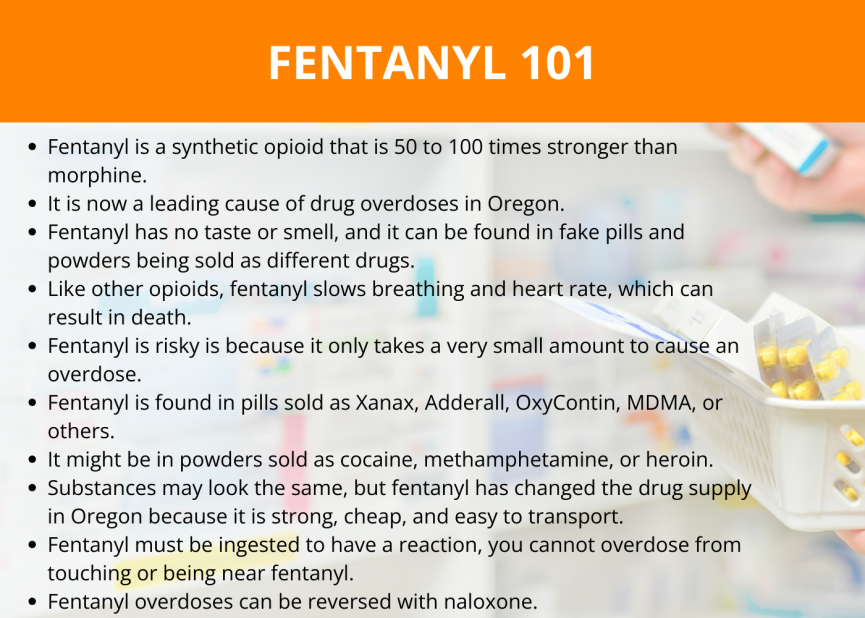
What makes fentanyl so dangerous and how can people prevent overdoses
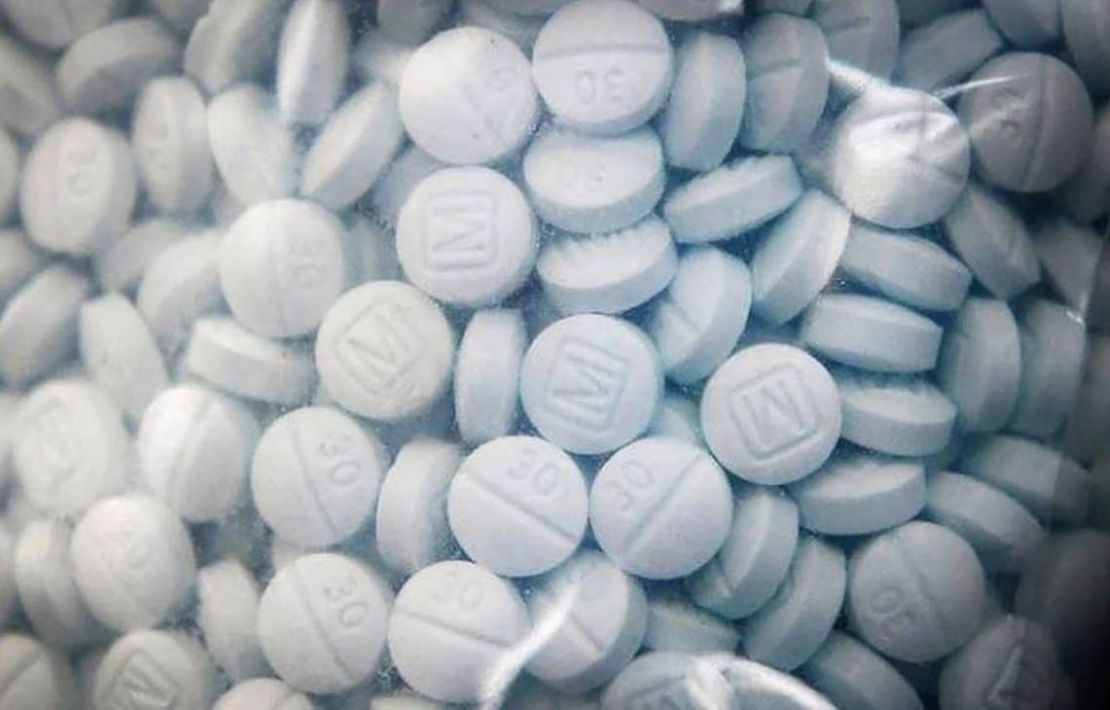
This isn't just about a few individuals getting rich; it has profound global consequences. The accessibility of fentanyl and its synthetic cousins has fueled devastating addiction crises worldwide, from North America to Europe. The ease with which these drugs can be manufactured and trafficked also presents significant challenges for law enforcement agencies. Unlike drug crops that can be eradicated or seizures of bulk product, the decentralized nature of synthetic drug production and the small quantities involved make them incredibly difficult to track and interdict.
The story of the Fentanyl Fortune is a complex one, highlighting the ingenuity of criminal organizations when fueled by profit. It's a cautionary tale about how scientific advancement can be twisted for destructive purposes and a stark reminder that the global drug trade is a constantly evolving, and often terrifying, economic force. The old kings built their empires on the earth, but the new royalty makes its fortune in a beaker.