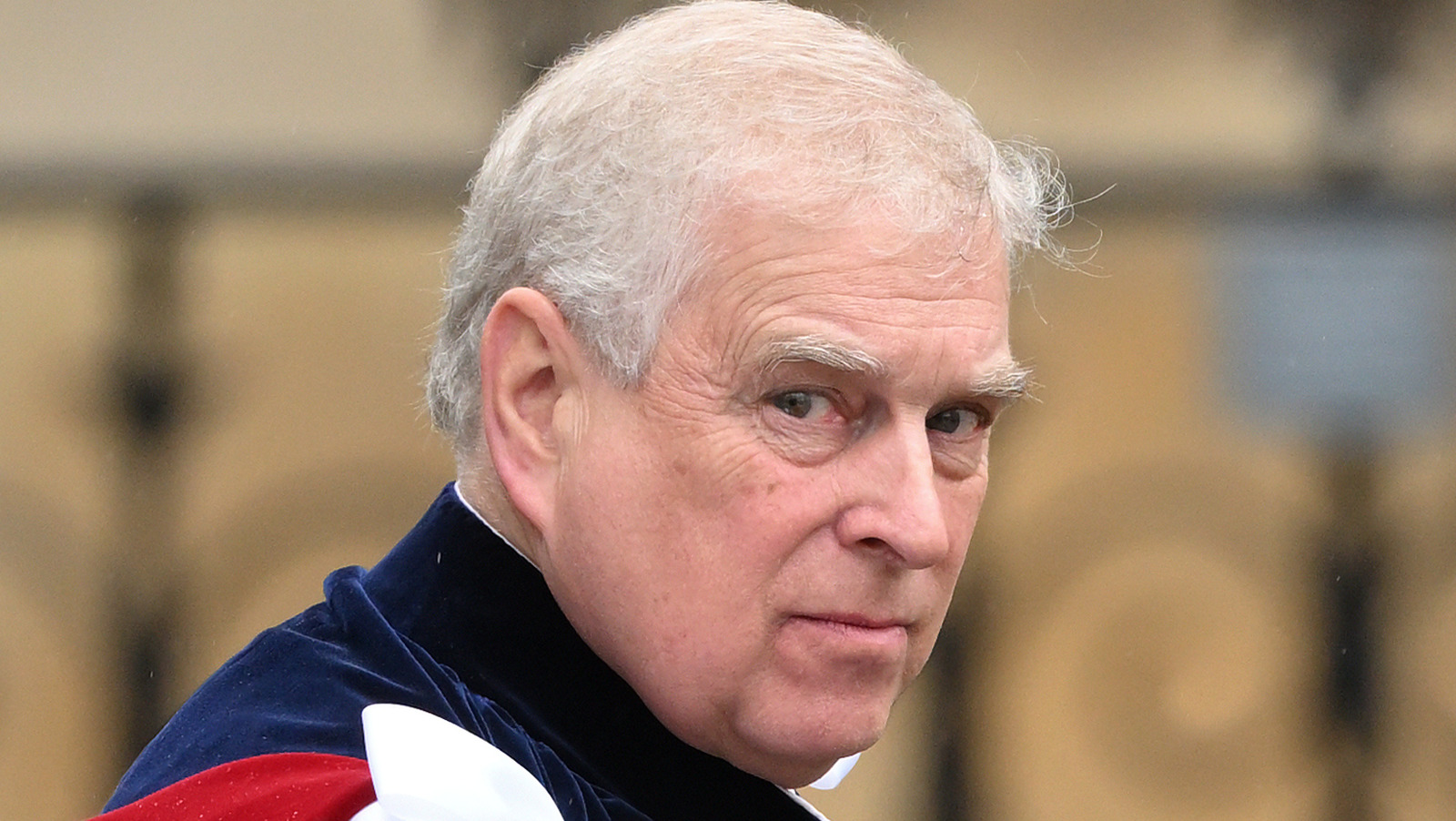
Okay, so grab your cuppa, or your preferred beverage of choice, because we need to chat about something that’s been buzzing around like a confused bee in a jam jar. We’re talking about Prince Andrew. Yep, that Prince Andrew. You know, the one who was once quite the dab hand at chasing a polo ball and possibly… well, let’s just say some less-than-stellar associations.
For the longest time, it felt like the Royal Family, and specifically some members, were living in a bit of a gilded bubble. A bubble where, you know, normal rules and consequences just… didn’t quite apply. It’s like they had a secret handshake that said, “We’re royalty, so… shrug.” And for a while there, it seemed to work. The public often just let it slide, chalking it up to eccentricities or ‘they’re just different.’
But then, things started to get a little sticky, didn’t they? Like when you accidentally step on a rogue Lego brick in the dark. Ouch! And the sticky stuff involved some pretty serious allegations. We’re talking about the whole Jeffrey Epstein saga, and the deeply uncomfortable connections that emerged. It was all very… murky. Like trying to see through a pond after a flock of ducks has had a party.
And through it all, Prince Andrew seemed to be riding it out. He was out here, doing his royal duty (or what passed for it), giving those rather famously awkward interviews, and generally giving off the vibe of someone who thought the whole thing would just blow over. You know, like a bad bout of indigestion. “Just a bit of a… hiccup.”
But here’s the kicker, folks. The thing that’s making everyone sit up and take notice. The ground has shifted. The tectonic plates of privilege have, dare I say it, grumbled. Because now, we’re hearing whispers, no, more like outright shouts, about potential arrests. Yes, you read that right. Arrests. For royalty. gasp!
Now, before we all start planning our street parties to celebrate the end of all things rotten in the state of Denmark (or indeed, the UK), let’s take a deep breath. It’s not quite a full-blown revolution yet. But the fact that the possibility of arrest is even on the table for someone like Prince Andrew? That’s a monumental shift. It’s like finding out your cat can suddenly do your taxes. Unexpected, and frankly, a bit alarming for those who thought they were safe.
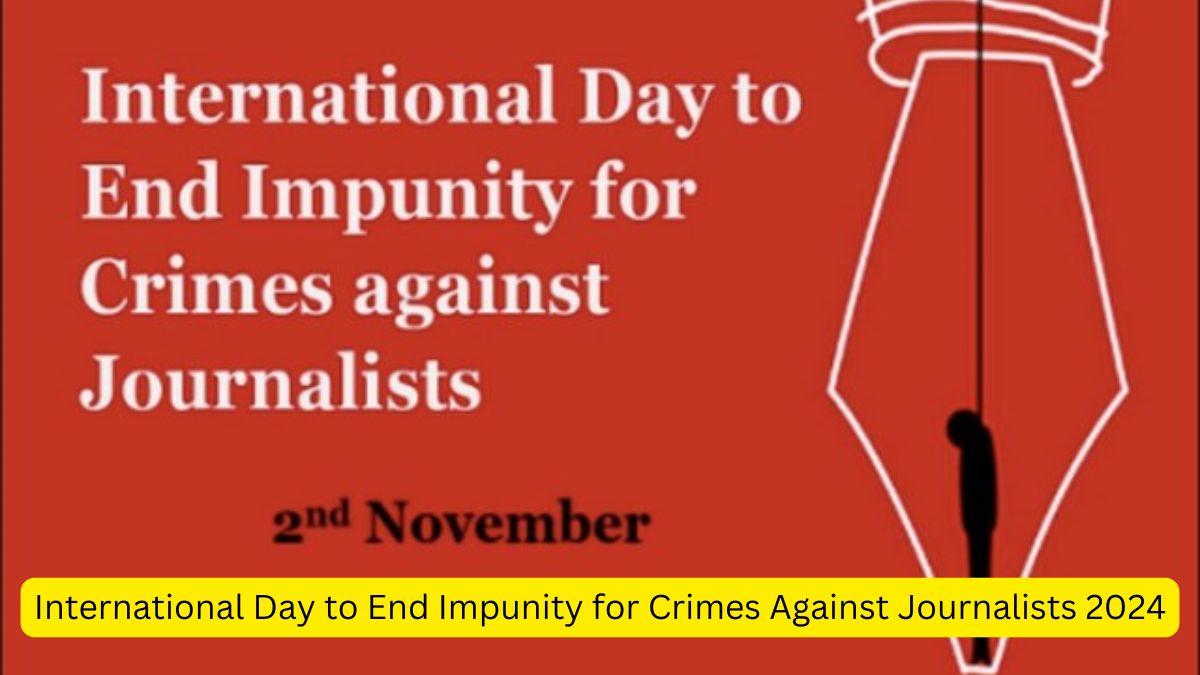
For decades, impunity has been a word that seemed to hover around certain circles, especially those connected to immense wealth and power. It's that feeling of being untouchable, of being above the fray. Like a superhero, but without the cool costume and the moral compass. They could dodge questions, issue carefully worded statements, and generally skate by on the sheer force of their name. It was a game of chess, and they always had a few extra queens.
And let’s be honest, it wasn’t just Prince Andrew. There were plenty of other individuals, both in the UK and globally, who seemed to operate with that same sense of being… special. Like they’d been handed a golden ticket to skip the queue for accountability. It bred a kind of cynicism, didn’t it? A feeling that justice was a bit like a VIP club – some people were on the guest list, and others were… well, queuing in the rain.
But the Prince Andrew situation, or rather, the potential consequences he might face, is a real seismic event. It suggests that the walls of that gilded bubble might actually be starting to crack. Not crumble, mind you. Let’s not get ahead of ourselves. But cracks. And those cracks let in the light. And the light, as we all know, can be quite revealing.

Think about it. If someone with such a high profile, someone so deeply embedded in the very fabric of the British establishment, can be brought to the brink of something as serious as an arrest, what does that say about the future? It suggests that maybe, just maybe, nobody is truly above the law anymore. Or at least, the perception of being above the law is starting to erode.
This isn't just about Prince Andrew and his alleged transgressions, though those are obviously serious and deserve to be addressed. This is about a broader cultural shift. It’s about the growing impatience of the public with those who seem to live by a different set of rules. We’ve seen it with political scandals, corporate malfeasance, and yes, even royal indiscretions. The internet has a long memory, and people are less willing to just ‘forget and forgive’ when the stakes are this high.
The social media storm that often surrounds these figures plays a massive role. It’s like a digital town square where opinions are not just aired, but amplified. And when those opinions coalesce into a demand for accountability, it becomes a force that can no longer be easily ignored. The mob, in this instance, isn’t pitchfork-wielding villagers; it’s a global network of keyboard warriors armed with hashtags and righteous indignation.
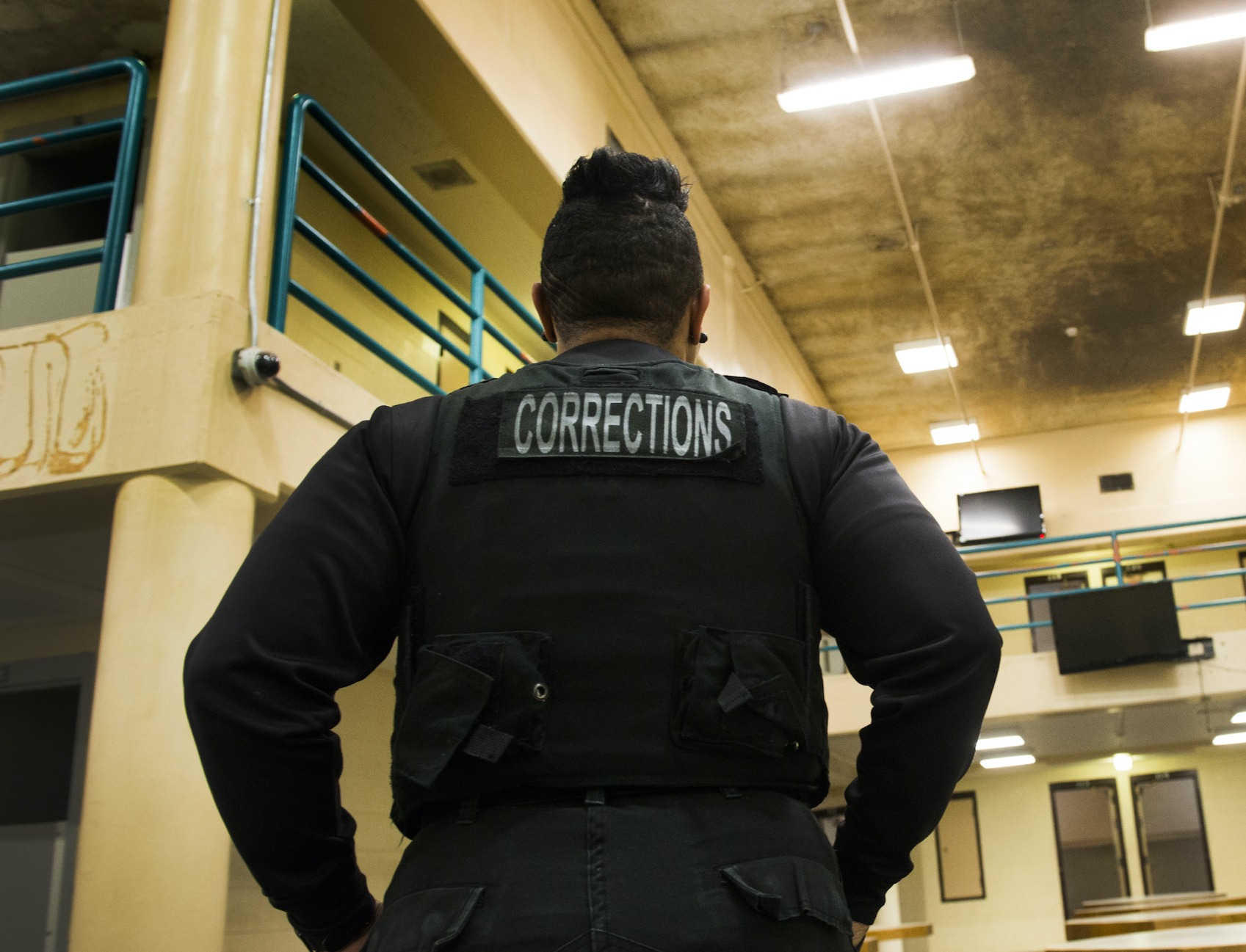
For a long time, institutions have relied on tradition and the sheer weight of their history to maintain their authority and shield their members. But tradition alone doesn’t pay the bills, and it certainly doesn’t grant immunity from the legal system. When that system starts to knock on the doors of the privileged, it sends a powerful message. A message that says, “You might be important, but you’re not that important.”
This isn’t about schadenfreude, although it’s hard not to feel a little bit of satisfaction when the mighty might actually have to face the music. This is about fairness. It’s about the principle that the rules should apply to everyone, regardless of their title or their bank balance. When that principle is seen to be upheld, even in small ways, it strengthens the foundations of our society.
The implications of this shift are far-reaching. For other powerful individuals who might have been quietly enjoying their untouchable status, the Prince Andrew situation is likely a rather stark wake-up call. It’s like a cold shower after a long, warm bath of self-importance. “Brrr, this is… invigorating!”

It also has a knock-on effect on the institutions themselves. If the Royal Family, for example, wants to maintain its relevance and its public support, it needs to demonstrate that it’s not a haven for those who have done wrong. It needs to show that it’s willing to police its own, even when it’s uncomfortable. And let’s face it, Prince Andrew’s situation has been very uncomfortable for the entire institution.
The path to true accountability is often long and winding. And we’re not there yet. There are still many hurdles to overcome, many legal processes to navigate. But the mere fact that Prince Andrew, a Duke, no less, is facing the prospect of arrest for serious allegations is a monumental step. It’s a signal that the old ways, the days of simply smiling and waving your way out of trouble, might be coming to an end.
It’s a sign that the public’s appetite for justice is growing, and that institutions are, however grudgingly, being forced to respond. It’s a testament to the power of collective voice, and the relentless pursuit of truth, even when it’s inconvenient. It’s about chipping away at the edifice of privilege, stone by stone, until the cracks are undeniable.
And that, my friends, is something to be genuinely hopeful about. It’s a reminder that even in the face of immense power and entrenched systems, change is possible. It might be slow, it might be messy, and it might involve a few awkward interviews along the way, but it is happening. The days of unchecked impunity are, slowly but surely, becoming a thing of the past. And as we watch this unfold, we can take a moment, raise a metaphorical glass (or a real one!), and smile at the prospect of a world where justice, at least in principle, strives to be blindfolded for everyone. Now, who wants another biscuit?
:max_bytes(150000):strip_icc():focal(999x0:1001x2)/prince-andrew-04f3ea4a054a43a0913a0766199227ce.jpg)