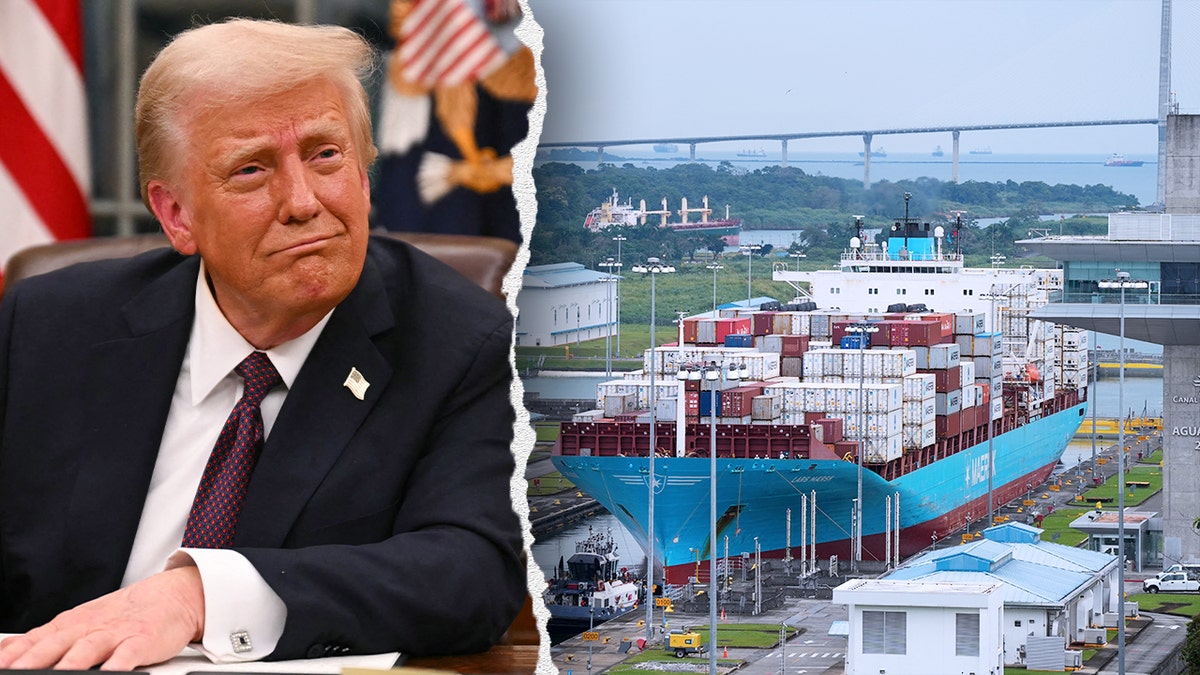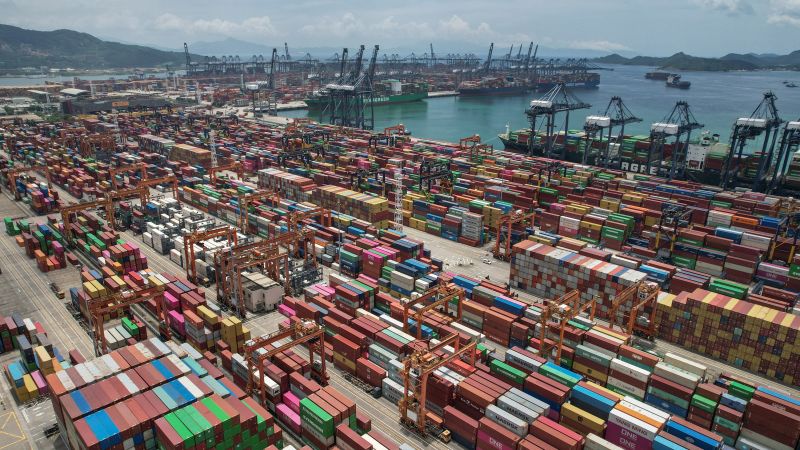
So, let's chat about something that might sound a little dry at first, but trust me, it's actually pretty fascinating. We're talking about trade and who gets to make the big decisions in the U.S. – specifically, the Democratic Party's game plan if their current legal strategy hits a snag. Think of it like this: what's Plan B, Plan C, and maybe even Plan D if the first lawsuit doesn't go their way?
Now, you might be wondering, "Trade? Why is that even a big deal right now?" Well, it’s a huge deal! It touches everything from the price of your morning coffee to the availability of your favorite gadgets. And for a while now, there's been a bit of a tug-of-war over who really holds the reins when it comes to setting trade policy. For a long time, Congress was seen as the ultimate boss of trade. They're the ones who are supposed to write the laws, approve the deals, and generally steer the ship. But, as is often the case in Washington, things have gotten a bit… squishy.
Enter the executive branch – the President and their administration. Over the years, presidents, regardless of party, have found ways to exercise more power over trade. They've used executive orders, negotiated agreements that didn't require full congressional approval, and generally carved out a bigger slice of the trade pie for themselves. It's a bit like that one friend who always manages to snag the biggest piece of pizza, even if you agreed to split it evenly. 😉
Democrats, particularly those who are more progressive, have been feeling this shift keenly. They believe that Congress, representing the people more directly, should have the primary say in trade deals. They argue that past agreements, negotiated more by the executive branch, haven't always served the best interests of American workers, the environment, or even human rights in other countries. They’re the ones asking, "Are these deals really making life better for regular folks, or just for big corporations?"
So, what’s their current big move? Well, they’ve been looking at the legal system. The idea is to challenge some of the ways the executive branch has been operating, arguing that it’s overstepping its bounds. Think of it as taking the executive branch to court for hogging the trade playbook. If these lawsuits are successful, it could force more trade matters back into the laps of Congress, which is exactly where many Democrats want them. It's a bit of a legal chess match, trying to put the queen back on her rightful square.
When the Legal Game Isn't Enough: Unveiling the "Plan B" for Trade Authority
But, as we all know, lawsuits can be a long, drawn-out affair. They can be unpredictable. And sometimes, even if you win, the victory isn't as decisive as you hoped. So, what happens if the court cases don't quite deliver the knockout punch? Or if they get dismissed on a technicality (because, let's be honest, legalese can be a nightmare)? That’s where the Democrats’ creative thinking and strategic planning come into play. They're not just putting all their eggs in the legal basket. Oh no, they've got other irons in the fire, ready to be stoked.

One of the biggest avenues they're exploring is good ol'-fashioned legislative action. This means working within Congress to change the rules of the game. It’s like saying, "Okay, the courts aren't giving us what we want, so let's just write a new law that says what we want!" Simple, right? Well, as simple as anything in politics can be, which means it’s actually quite complicated, involving a lot of negotiation, compromise, and hopefully, enough votes.
Specifically, they’re looking at ways to give Congress more leverage when it comes to negotiating and approving trade deals. This could involve requiring more public input, demanding stronger environmental and labor protections within agreements, and giving lawmakers more opportunities to amend or even block deals they don't like. Imagine a scenario where every trade deal has to go through a rigorous congressional review, not just a quick nod from the President. That's the kind of scenario they're aiming for.
Think about it: when Congress has more power, it means more voices can be heard. It means that the concerns of everyday Americans – from factory workers to small business owners – have a better chance of being considered. It's about making trade work for more people, not just a select few. And that’s a message that resonates with a lot of voters.

Another strategy involves leveraging congressional oversight. This is essentially the power of Congress to investigate and monitor the actions of the executive branch. It’s like being the world’s most nosy, but ultimately productive, neighbor. If they suspect the executive branch is quietly slipping through trade loopholes or making side deals that undermine congressional intent, they can hold hearings, demand documents, and generally shine a spotlight on what’s happening.
This is a powerful tool because it’s not about changing a law; it’s about making sure existing laws and intentions are being followed. It can also put pressure on the executive branch to be more transparent and accountable. It's a way to influence trade policy even if the ultimate legal authority isn't fully re-claimed overnight. It’s a way to ensure that the President isn’t just doing whatever they please in the shadows of trade negotiations.
Beyond the Courtroom: The Power of Public Opinion and Grassroots Advocacy
But let's not forget about the people power! While lawyers are busy in courtrooms and lawmakers are debating in the halls of Congress, there's a whole other battlefield: the court of public opinion. Democrats are also heavily invested in building grassroots support and raising public awareness about the importance of trade policy. They want to convince ordinary Americans that this isn't just some abstract Washington debate; it affects their lives directly.
This involves a lot of education and advocacy. Think town hall meetings, online campaigns, op-eds in newspapers, and rallies. The goal is to highlight the downsides of current trade practices and to build a coalition of support for reforms that give Congress more power. They want to frame trade not as a complex economic issue, but as a matter of fairness, jobs, and the well-being of communities.
They're also trying to mobilize specific groups who are most affected by trade – labor unions, environmental organizations, and consumer advocacy groups. By bringing these different voices together, they can create a stronger, more unified message. It’s like building a super-team of advocates, each bringing their own unique strengths to the table. Imagine a union leader, an environmental activist, and a consumer advocate all speaking with one voice about fair trade. That’s a powerful combination!
Furthermore, they’re actively working to elect more members of Congress who share their vision for trade policy. This is the long game, of course. By getting more like-minded individuals into positions of power, they can gradually shift the balance of influence within Congress itself. It’s about building a legislative force that is consistently pushing for greater congressional authority over trade.
So, even if the lawsuits don’t go exactly as planned, these other strategies – legislative action, congressional oversight, and grassroots advocacy – are all designed to nudge the system in the desired direction. It’s a multi-pronged approach, like a strategic invasion from several different fronts. They understand that reclaiming trade authority isn’t a single event; it’s a process.
The Future of Trade: A More Democratic Dialogue?
Ultimately, what Democrats are striving for is a more democratic and transparent trade policy. They believe that when Congress has a stronger hand, trade deals are more likely to be negotiated with a broader range of considerations in mind – not just the bottom line of a few corporations, but the impact on jobs, wages, the environment, and even global inequality. It’s about ensuring that trade serves the interests of the many, not just the few.
It’s a big challenge, no doubt about it. The executive branch has gotten pretty good at wielding its trade powers, and shifting that balance of power is never easy. But that’s the beauty of democracy, isn’t it? It’s a constant conversation, a perpetual negotiation, and a tireless effort to make things better. Even if one path is blocked, there are always other roads to explore.
So, what’s the takeaway from all this? Well, the Democrats are determined to get their voice heard on trade, and they’re not waiting around for a single lucky break. They’re playing the long game, using every tool in the toolbox – the courts, the legislature, and the power of the people. It's a testament to the idea that when people are passionate about something, they'll find a way to make it happen.
And isn’t that an inspiring thought? No matter what the legal outcomes are, the effort to make trade policy more representative and more beneficial for everyone is a worthy pursuit. It's about ensuring that the decisions made in Washington echo the needs and hopes of people across the country. So, let’s keep an eye on this space, because the conversation about who controls trade is far from over, and the spirit of advocacy is alive and well! And who knows, maybe one day we’ll all be experts in trade law. 😉 Now, who’s ready for some coffee? I think we’ve earned it after all that talk about trade authority!