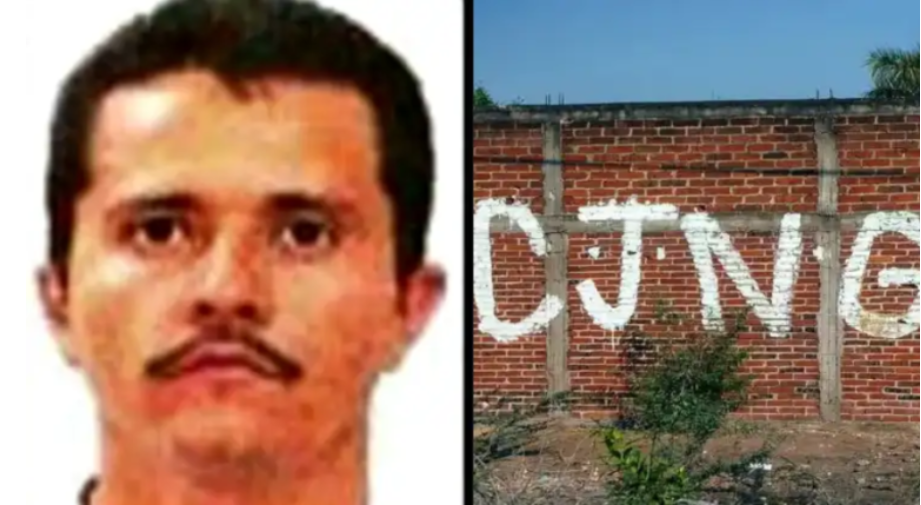
The air in Aguililla, a town nestled in the heart of Michoacán, Mexico, carries a distinct scent. It’s a mix of fertile earth, the faint sweetness of ripening fruit, and sometimes, depending on the season, the smoky aroma of chiles roasting. For many, this place is synonymous with one thing: avocados. But beneath the sun-drenched groves and the vibrant green of this coveted fruit lies a story, one that begins not in a boardroom or a university lecture hall, but in the very soil that nourishes these trees. This is the story of a life forged in the fields, a tale that sheds light on the roots of one of the most talked-about figures in recent memory: El Mencho.
Now, before you picture us delving into the gritty details of cartel operations, let’s hit the pause button. This isn’t that kind of article. We’re here to talk about the simpler beginnings, the early life that shaped a man, and in doing so, offers a fascinating glimpse into a world far removed from our everyday routines. We're talking about the path less traveled, the one paved not with ambition for global markets, but with the sweat of hard labor and the wisdom gleaned from watching the sun rise and set over endless rows of avocado trees.
The Fifth-Grade Dropout Who Shaped a Region
The name Nemesio Oseguera Cervantes, better known as "El Mencho," carries a heavy weight of notoriety. But strip away the headlines and the fear, and you find a young boy, barely a teenager, making a pivotal decision. A decision that, for many in Aguililla, was less a choice and more a necessity. He dropped out of school after the fifth grade.
Think about that for a moment. Five years of formal education. In many parts of the world, this would be the beginning of a long academic journey. But in places like Aguililla, the demands of life, the need to contribute to the family, and the sheer pull of the land often dictated a different path. The fields weren't just a place to work; they were the family's livelihood. And for young Nemesio, the responsibility likely fell on his shoulders earlier than most.
This wasn't a case of a lack of intelligence or a disdain for learning. It was a pragmatic response to a world where practical skills and hard work were the currency of survival. Imagine him, at the tender age of ten or eleven, trading textbooks for pruning shears, the rustling leaves of avocado trees becoming his new classroom.
The Avocado: More Than Just a Superfood
Today, the avocado is a global phenomenon. It’s the star of brunch menus, a healthy fat darling, and the cornerstone of a multi-billion dollar industry. But in Michoacán, it’s been a way of life for generations. The fertile volcanic soil and the ideal climate create a perfect storm for these creamy green gems to thrive.
The process of cultivating avocados is labor-intensive. It starts with seedlings, carefully nurtured. Then comes the planting, the constant vigilance against pests and diseases, the meticulous watering – especially crucial during dry spells – and of course, the harvest. Imagine the sheer physical effort involved, day in and day out, under the hot Mexican sun.
For a young boy like Nemesio, this would have been his daily reality. Learning to identify the perfect ripeness, understanding the nuances of each tree, the rhythm of the seasons. These aren't lessons taught in textbooks; they are passed down through observation, through calloused hands, and through the quiet hum of the agricultural life.

A Glimpse into Aguililla’s Agricultural Soul
Aguililla isn’t a bustling metropolis. It’s a town that breathes with the rhythm of its land. Life here is slower, more connected to the cycles of nature. The communities are tight-knit, and family ties run deep. It’s a place where neighbors know each other’s struggles and triumphs, where the bounty of the harvest is celebrated collectively.
Think of it as a world where the digital detox is inherent, not a choice. Where the "farm-to-table" movement is not a trend, but a fundamental way of life. The sounds you'd hear wouldn't be car horns and sirens, but the chirping of birds, the gentle rustle of leaves, and the distant braying of a donkey.
The culture of work in Aguililla is deeply ingrained. It’s about providing for your family, about the pride that comes from a job well done, about the satisfaction of seeing the fruits of your labor literally grow before your eyes. For a young boy, this immersion would have been incredibly formative. It’s where he learned discipline, resilience, and the practicalities of survival.
The Practicalities of Field Work: What It Really Means
Let's break down what "working the fields" actually entails. It’s not just picking avocados. It’s a year-round commitment. There’s the pruning, which shapes the tree and ensures optimal fruit production. There’s pest and disease management, which requires a keen eye and a deep understanding of the delicate ecosystem of the grove. And then there’s the harvesting, a critical time when the fruits of months of labor are finally collected.
Imagine the sheer physical exertion involved. Climbing ladders, reaching for heavy branches, carefully placing each precious avocado into baskets. It’s work that demands strength, endurance, and a certain dexterity. For a young boy, this would have been a constant physical challenge, shaping his body and his mind.

And let's not forget the elements. Working under the relentless Mexican sun, dealing with sudden downpours, the biting cold of early mornings. This isn't a nine-to-five job; it's a life lived in sync with nature's unpredictable moods.
The Subtle Art of Avocado Cultivation
There's a real artistry to growing avocados, a skill honed through years of experience. It's not just about planting a seed and hoping for the best. It involves understanding soil composition, irrigation techniques, and the specific needs of different avocado varieties. The Hass avocado, the most popular variety globally, has its own unique requirements.
Consider the science behind it: pollination. For avocados, this often involves cross-pollination, meaning different types of trees need to be planted in close proximity to ensure fruit set. It’s a delicate dance of nature, and the farmers are the conductors.
Then there’s the question of ripeness. An avocado is only perfect for a fleeting moment. Knowing when to pick is a skill that can only be learned through hands-on experience. Too early, and it’s rock hard. Too late, and it’s mushy. It’s a testament to the farmer’s intuition and dedication.
Fun Facts About the Green Gold
Did you know that avocados are technically a large berry? Yep, botanically speaking, they are! And they were first cultivated in south-central Mexico as far back as 5,000 B.C. Talk about a long history of deliciousness.

Another cool fact: avocados have no cholesterol. Instead, they’re packed with healthy monounsaturated fats, which are great for your heart. So, when you're enjoying your avocado toast, you can feel good knowing you're making a healthy choice. It’s a testament to the power of nature’s bounty.
And speaking of trends, the avocado toast phenomenon really took off in the early 2010s. It’s amazing how a single fruit can go from being a regional staple to a global culinary icon. This transformation, however, is built on the backs of generations of farmers who understood its value long before it became a hip breakfast choice.
The Ripple Effect of the Fields
While El Mencho's life took a turn that led him far from the avocado groves, the foundational experiences of his youth in Aguililla undoubtedly shaped him. The discipline, the understanding of resourcefulness, the ingrained work ethic – these are all elements that could have been honed in those fields.
It's a stark reminder that the path to power, or to notoriety, doesn't always begin in privileged environments. Sometimes, it's forged in the crucible of necessity, in the quiet rhythm of agricultural labor. The lessons learned under the Mexican sun, among the rustling avocado trees, are a part of his story, whether acknowledged or not.
This isn’t to condone or glorify any illicit activities, but rather to emphasize the complex tapestry of life. Every individual has a genesis, a period of formative experiences that contribute to who they become. For many in regions like Aguililla, those experiences are deeply rooted in the land and the hard work it demands.

From Field to Fortune (and Beyond)
The story of the avocado itself is a fascinating economic one. The demand for avocados has surged, making Michoacán a powerhouse in global agriculture. This has brought both opportunities and challenges to the region. The economic boom has also attracted undesirable elements, creating a complex socio-economic landscape.
It’s a situation that highlights the duality of many agricultural communities: the beauty of the harvest intertwined with the struggles of securing peace and prosperity. The farmers of Aguililla, many of whom are likely descendants of those who taught young Nemesio the trade, continue their vital work, a testament to their resilience and dedication.
The global appreciation for avocados has created a powerful industry. Yet, it’s crucial to remember the human element, the generations of farmers whose sweat and knowledge have made this possible. The story of El Mencho’s early life is a micro-narrative within this larger, global story of the avocado.
A Reflection: The Roots of Our Choices
As we savor our avocado toast or sprinkle guacamole on our tacos, it’s easy to forget the journey that brought that fruit to our plates. The story of a young boy leaving school to work in the fields of Aguililla isn’t just about a notorious figure’s past. It’s a story that resonates with the experiences of countless individuals whose lives are shaped by the land, by the necessity of work, and by the choices made in the face of circumstance.
It’s a powerful reminder that our backgrounds, our early environments, and the opportunities (or lack thereof) we encounter can profoundly influence our paths. Whether it’s the decision to pursue higher education, to enter a trade, or to dedicate oneself to the demanding, yet rewarding, life of farming, these early choices lay the groundwork for the lives we lead. It’s a testament to the fact that even the most complex destinies often begin with the simplest of roots, planted in the soil of our beginnings.