I remember reading a story once, years ago, about a small town in Mexico, pretty much a speck on the map, suddenly finding itself overrun. Not with tourists, mind you, but with heavily armed guys in tactical gear, casually setting up roadblocks and practically owning the place. The locals, bless their hearts, were terrified, but also, I imagine, a little bewildered. Like, "Who are these guys, and why are they here?" That’s how it often starts, right? A quiet infiltration, then BAM. Suddenly, you’re living in someone else’s territory. And that, my friends, is a tiny, chilling glimpse into the world of the Jalisco New Generation Cartel, or CJNG, and their absolutely mind-boggling ability to rake in cash. We’re talking about a criminal enterprise that, under the leadership of Nemesio Oseguera Cervantes, better known as "El Mencho," has become a veritable empire, reportedly raking in a staggering $30 billion annually. Think about that for a second. Thirty. Billion. Dollars. That’s more than some countries’ GDPs. Wild, isn't it?
It’s the kind of number that makes your brain do a little flip. And when you stop and consider that this is all generated through, let’s be honest, pretty horrific and destructive means – drug trafficking, extortion, kidnapping, you name it – it’s even more surreal. But the question that always gnaws at me is, how? How does a criminal organization achieve this level of financial success? It’s not just about having lots of drugs to sell. It’s about organization, ruthlessness, and a seriously twisted business model. So, let’s dive into this less-than-savory, but undeniably fascinating, world and try to unpack the mechanics behind El Mencho’s $30 billion empire.
The Rise of the Kingpin: El Mencho’s Touch
El Mencho, the guy behind the curtain, is a figure shrouded in a mixture of fear and, for some, a strange kind of respect. He’s not just some random gangster; he’s a strategic mastermind, albeit a deeply dangerous one. His leadership style is often described as brutal and efficient. Imagine the most cutthroat CEO you can think of, but instead of quarterly reports, his metrics are body counts and seized shipments. He took a cartel that was once a splinter group and transformed it into a global force, a legitimate contender for the top spot in the narco-world. And the key to his success? A few things, really, that he seemed to have perfected.
Firstly, there’s the sheer violence. CJNG is notorious for its extreme brutality. They don't shy away from public displays of power – beheadings, bodies dumped in public squares, elaborate torture videos. It’s a scorched-earth policy designed to instill fear and, frankly, to eliminate competition. When you can make rivals and authorities too scared to even breathe in your direction, you’ve pretty much secured your territory. It’s a terrifyingly effective form of market control, if you want to put it in business terms. You wouldn’t see this in a Harvard Business Review case study, that’s for sure.
Secondly, El Mencho cultivated an image of invincibility. The cartel often releases slickly produced videos showing their heavily armed fighters, driving convoys of armored vehicles, projecting an image of overwhelming military might. It’s propaganda, pure and simple, but it works. It intimidates enemies and, believe it or not, can even garner a degree of loyalty from within. When people see an organization that appears to be unstoppable, they’re more likely to fall in line, either out of fear or a misguided sense of opportunity.
And thirdly, his focus on diversification. While they are famously known for their heroin and fentanyl production, CJNG isn't a one-trick pony. They’ve expanded into cocaine trafficking, methamphetamines, and have even been linked to human trafficking and illegal mining. It’s like a multinational corporation, but with infinitely more death and destruction. By spreading their operations across various illicit markets, they’ve created multiple revenue streams, making them more resilient to disruptions in any single area. If one market gets a bit tight, they can lean on another. Smart, in a very, very dark way.
The Pillars of the $30 Billion Empire
So, let's break down the actual revenue-generating machinery. It's not a single, monolithic operation. It's a complex web of interconnected activities, each contributing to the massive annual haul.
1. The Drug Trade: The Foundation of the Fortune
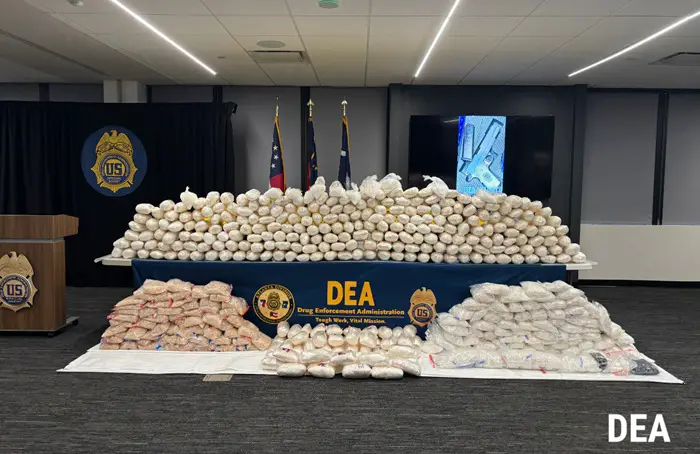
This is the bread and butter, the core of the CJNG's financial empire. We're talking about the big three: cocaine, heroin, and synthetic drugs like methamphetamine and fentanyl. They control significant production and distribution networks. Mexico, as you know, is a major transit point for drugs heading into the United States, and CJNG has carved out a dominant position in this lucrative corridor. Their access to precursor chemicals, their manufacturing capabilities, and their vast distribution networks are what allow them to move immense quantities of these substances across borders.
Fentanyl, in particular, has been a game-changer. It's incredibly potent and cheap to produce, meaning massive profits for those who can get it to market. And CJNG is exceptionally good at that. They’ve flooded the U.S. market with this deadly synthetic opioid, contributing to the ongoing overdose crisis. It’s a grim reality, but the demand for these drugs is what fuels the fire, and CJNG is more than happy to supply it, for a hefty price, of course.
The logistics involved are astounding. We’re talking about elaborate smuggling routes, sophisticated hiding places, and a willingness to bribe, threaten, and kill anyone who gets in their way. Think of the sheer manpower, the vehicles, the communication networks. It’s a colossal operation, run with a ruthless efficiency that would make many legitimate businesses envious. The margins are incredibly high, and the demand, sadly, is insatiable.
2. Extortion and Protection Rackets: The "Service Fee"
Beyond just selling drugs, CJNG also makes a substantial amount of money by essentially forcing businesses and individuals to pay them for "protection." It’s a classic mafia tactic, but on a cartelesque scale. Local businesses, farmers, even legitimate industries can find themselves on the receiving end of demands for cash. Refuse to pay, and you risk facing the consequences – property damage, violence, or worse. It's not a voluntary transaction; it’s a shakedown, pure and simple.
This extortion extends to various sectors, from agriculture to transportation. They essentially impose their own form of taxation on communities and industries within their sphere of influence. This creates a constant, reliable stream of income that doesn't rely on the volatile international drug market as much. It's a way of solidifying their control and ensuring that everyone who operates in their territory contributes to their wealth.
Imagine running a small restaurant or a farm and having to set aside a portion of your earnings for a group of heavily armed men you’ve never met, who might show up at any moment. It’s a terrifying way to operate a business, and it highlights the pervasive reach of these cartels into the everyday lives of ordinary people. This "protection money" is a significant part of their annual revenue, providing a stable, albeit sinister, income.

3. Kidnapping and Ransom: The Human Factor
Another significant, and particularly horrifying, revenue stream is kidnapping for ransom. CJNG has been known to target individuals with wealth – businessmen, politicians, their families – and hold them for large sums of money. The fear of being snatched, of having a loved one disappear, is a powerful motivator for payment. It's a deeply personal and traumatic way for the cartel to extract wealth.
The intelligence gathering involved in successful kidnappings is often quite sophisticated. They need to identify targets, understand their routines, and plan the abduction meticulously. This requires a network of informants and operatives, all feeding information back to the leadership. Once the victim is secured, the negotiations begin, and the pressure is immense. The psychological toll on the victim and their family is immense, but for CJNG, it’s another calculated business move.
The amounts demanded can be astronomical, and while not every kidnapping is successful or results in a payout, the ones that do contribute significantly to their coffers. It’s a stark reminder that their empire is built on the suffering of others, and kidnapping is one of the most direct ways they inflict that suffering to achieve financial gain.
4. Other Illicit Activities: The Diversification Strategy
As I mentioned earlier, CJNG is not afraid to diversify. They are involved in a multitude of other illegal activities that add to their financial might. This includes:
- Human Trafficking: Exploiting vulnerable individuals for labor or sexual exploitation.
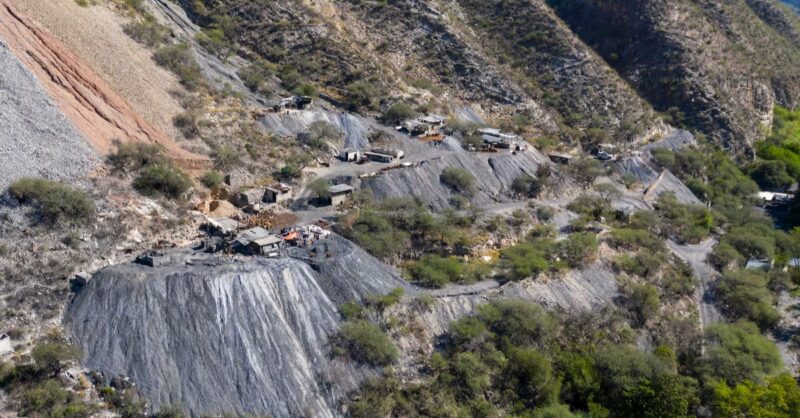
- Illegal Mining: Operating clandestine mines, often for precious metals, and selling the extracted resources.
- Counterfeiting and Smuggling: Producing and distributing counterfeit goods, or smuggling other prohibited items.
- Fuel Theft (Huachicol): Diverting and selling stolen fuel, a significant problem in Mexico.
This willingness to engage in a wide array of criminal enterprises is a testament to their adaptability and their relentless pursuit of profit. Each of these activities, while perhaps not as high-profile as drug trafficking, contributes to the overall financial ecosystem of the cartel. It’s like a diversified investment portfolio, but instead of stocks and bonds, they’re investing in fear, corruption, and illicit goods. And the returns, as we've seen, are astronomical.

The Infrastructure of an Empire
It’s easy to just focus on the money, but how do they actually do all this? It’s not just a bunch of guys with guns. They have an impressive, albeit terrifying, infrastructure.
1. Global Reach and Logistics
CJNG is not a local gang. They operate on a global scale. They have established supply chains and distribution networks that span continents. This involves intricate relationships with corrupt officials, money launderers, and other criminal organizations worldwide. Think about the complexity of moving tons of drugs from South America, through Mexico, and into the United States, and then potentially onward to Europe or Asia. It requires sophisticated logistics, intelligence gathering, and a willingness to engage with a vast array of criminal actors.
Their ability to adapt their routes and methods to evade authorities is also remarkable. They’re constantly innovating, finding new ways to smuggle their goods. This could involve using submarines, drones, or even old-fashioned tunnels. It’s a constant cat-and-mouse game, and CJNG is playing to win, at any cost.
2. Recruitment and Training: The Human Capital
To maintain such a vast operation, you need people. Lots of them. CJNG is known for its aggressive recruitment tactics, often targeting young men from impoverished areas. They offer a sense of belonging, purpose, and, of course, money. The training is rigorous and often brutal, designed to weed out the weak and instill absolute loyalty.
There are reports of sophisticated training camps where recruits learn combat skills, tactics, and the cartel's strict codes of conduct. This isn't just about brute force; it's about creating a disciplined, highly effective fighting force that can carry out its leaders' orders without question. The human capital is as crucial as any other asset in their empire.

3. Money Laundering: Making the Dirty Money Clean
All that cash needs to be managed. And it can’t just be deposited in a bank account. CJNG, like any major criminal enterprise, has sophisticated money laundering operations. This involves a complex network of shell companies, front businesses, and international financial transactions designed to obscure the origin of the illicit funds. They invest in legitimate businesses, real estate, and other assets to make their wealth appear legitimate.
This is where the lines between the criminal underworld and the legitimate economy can become dangerously blurred. The scale of money laundering required to handle $30 billion annually is immense, and it involves a global network of financial enablers, often operating with impunity. It's a crucial, and often overlooked, aspect of their ability to sustain their operations and enjoy the fruits of their labor.
The Impact and the Future
The existence of a $30 billion empire like CJNG has profound and devastating consequences. It fuels violence, corruption, and instability not just in Mexico, but across the globe. The demand for drugs, the pervasive extortion, and the human cost of their operations are a constant reminder of the dark side of human ambition.
The question that lingers is: what’s next? Can these empires ever truly be dismantled? El Mencho himself remains elusive, a ghost in the machine, and the cartel’s ability to adapt and survive is a testament to their resilience. The fight against these organizations is an ongoing battle, and one that requires a multifaceted approach, tackling not just the supply but also the demand, and addressing the root causes that make people vulnerable to recruitment.
It’s a sobering thought, isn't it? That a criminal organization can generate more wealth in a year than many nations. It’s a testament to the dark side of capitalism, the perverse incentives that can drive individuals to extreme measures for profit. And as long as there's a demand, there will be those willing to supply it, and organizations like CJNG will continue to find ways to profit, no matter the cost.
So, there you have it. A peek into the financial engine of El Mencho's $30 billion empire. It's a story of brutal efficiency, ruthless diversification, and a global reach that is both terrifying and, in a perverse way, undeniably impressive in its sheer scale and scope. It’s a reminder that sometimes, the most shadowy operations are the most financially successful, even if they’re built on a foundation of pure destruction.