Remember the good old days? Not that long ago, really. I was chatting with my uncle, a man who still insists on paying for his morning coffee with crumpled bills and has a shoebox filled with what he calls "emergency cash." He looked at me, a bit bewildered, and said, "You know, I saw something about silver going up. Eighty dollars? Eighty dollars! Back in my day, you could buy a decent pair of shoes for that."
He wasn't wrong. For years, silver was kind of the shy cousin to its flashier, more famous sibling, gold. You'd hear about gold prices setting records, and silver would be… well, just kind of there, humming along. But now? Suddenly, silver’s not just showing up to the party; it’s demanding a spotlight. And it got me thinking. Why the sudden surge? And more importantly, what does it tell us about what’s brewing for 2026?
The Not-So-Shy Cousin's Comeback
Let's be real, the financial world can feel like a giant, unpredictable rollercoaster. One minute you're cruising, the next you're bracing for a drop you didn't see coming. And lately, the chatter about 2026 has been getting louder. Concerns about inflation, geopolitical instability, maybe even a looming recession – you name it, people are worried.
This is where precious metals, and especially silver right now, start to look less like quirky collectibles and more like smart strategy. Think of them as your financial safety net, your trusty umbrella when the economic storm clouds gather. And that $80 silver price? It's a pretty big flashing neon sign saying, "Hey, pay attention!"
Why Silver? It's Not Just About Sparkle
So, why silver specifically? It's not just because it looks pretty in jewelry (though it does!). Silver has a dual personality, which is actually its superpower in these uncertain times. It’s both an industrial workhorse and a store of value.
On the industrial front, silver is surprisingly essential. It's used in everything from solar panels and electronics to medical equipment and water purification. As the world pushes for more renewable energy and advanced technology, the demand for silver in these sectors is only going to grow. Think about it: more solar panels mean more silver. More electric cars mean more silver. More of the gadgets we rely on daily? You guessed it, more silver.
This increasing industrial demand, when coupled with a fluctuating global economy, creates a potent mix. If supply chains get strained, or if there's a sudden boom in manufacturing for essential goods, the price of silver could skyrocket. It’s like a demand-driven price increase, but with a significant underlying scarcity factor.
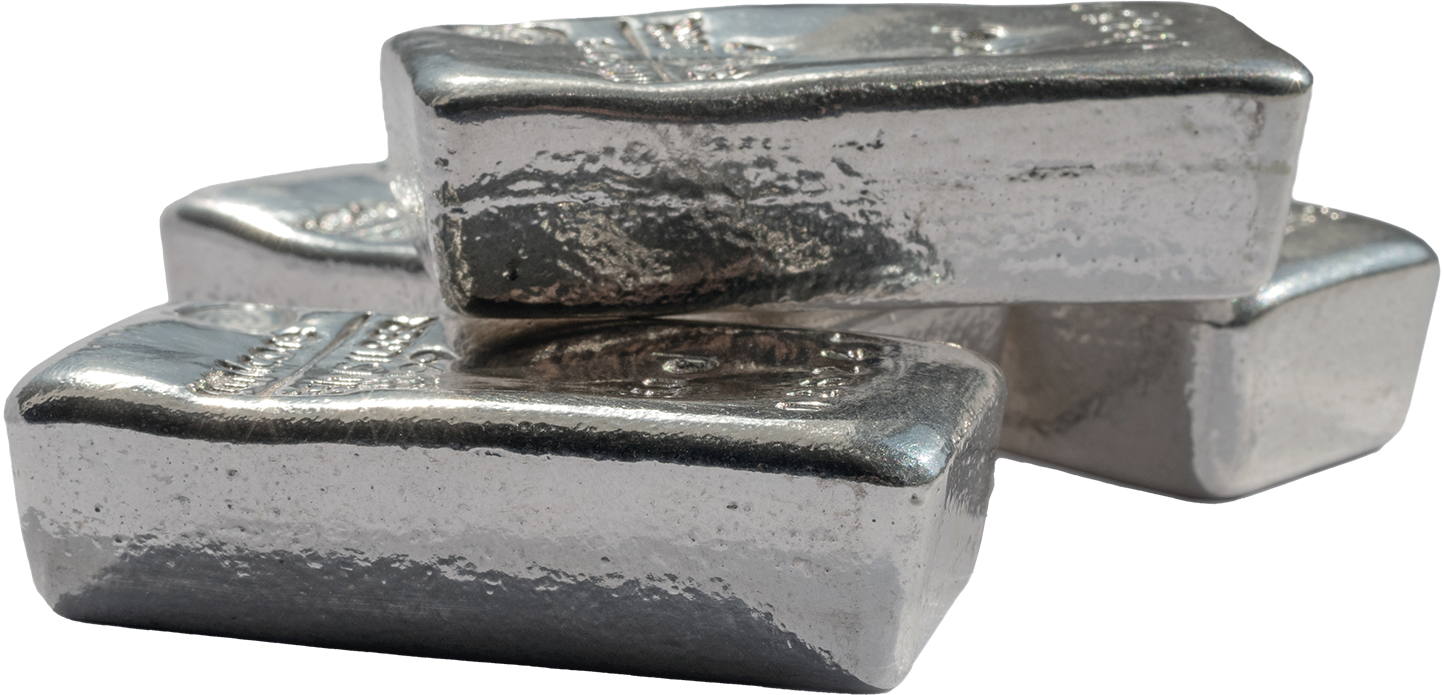
And then there’s the classic precious metal role: a hedge against inflation. When the value of your regular currency starts to erode, meaning your money buys less and less, people naturally turn to assets that tend to hold their value. Gold has always been the go-to, the undisputed king of this category. But silver, being more abundant and therefore historically cheaper, becomes a more accessible option for many.
When inflation rears its ugly head, and it looks like it might stick around for a while (hello, 2026 concerns!), investors start diversifying their portfolios. They don't want all their eggs in the depreciating currency basket. They want something tangible, something that has intrinsic value. And silver, with its dual role, fits the bill perfectly. It's like having your cake and eating it too, but the cake is made of something valuable and doesn't lose its flavor.
The 2026 Crystal Ball (Sort Of)
Okay, I don't have a crystal ball, and neither does anyone else in the financial world. But we can look at trends and listen to the whispers. The consensus among many economists and analysts is that 2026 could be a year of significant economic shifts. We’ve seen a lot of stimulus injected into economies over the past few years. What goes up, often comes down – or at least, its value can be significantly impacted.
Consider the rising national debts in many countries. Think about the ongoing geopolitical tensions that can disrupt trade and energy markets. These are not small, isolated incidents. They are the kind of macro-level factors that can lead to economic instability. And in times of instability, the old reliable assets tend to shine.
Gold has always been the poster child for safe-haven assets. When things get scary, people buy gold. It’s a deeply ingrained behavior. But as I mentioned, silver is often seen as gold's younger, more agile sibling. It’s more affordable to acquire in larger quantities, making it more appealing to a wider range of investors looking to diversify.
And when you have both increasing industrial demand and increasing investor demand for a relatively scarce commodity, you get a recipe for a significant price increase. The $80 mark for silver isn't just some arbitrary number; it's a reflection of these powerful underlying forces.
The "Why Now?" Question
So, why are we talking about this now? Because the future is always built on the present, and the seeds of 2026 are being sown today. If you wait until 2026 to start hedging against economic uncertainty, you might be too late. The smart money, the ones who are really paying attention, are already making moves.
It’s like packing for a trip to a place that might have unpredictable weather. You don’t wait until you’re at the airport to grab a raincoat. You pack it in advance. For investors, precious metals like silver and gold are that raincoat. They are proactive measures, not reactive ones.

The current price of silver, while significant, might still be considered an entry point for some, especially when compared to the potential upside if economic headwinds for 2026 materialize as many fear. It's about risk management. It’s about protecting the wealth you’ve worked hard to accumulate.
It's easy to dismiss these concerns as alarmist. "The economy has always bounced back!" you might think. And yes, it often does. But the scale and nature of the challenges we face globally today are, in some ways, unprecedented. The interconnectedness of economies, the speed at which information (and misinformation) spreads, and the sheer scale of global debt are all factors that can amplify economic shocks.
Beyond the Shiny Metal: What It Means for Us
This isn't just about rich investors hoarding gold and silver. The price of precious metals, especially silver, can have ripple effects. Increased demand can spur mining operations, creating jobs. It can also influence the cost of goods that rely on silver. For the average person, it’s a signal. It’s a sign that the economic landscape might be shifting, and it's worth paying attention.
Are you starting to see more headlines about inflation? Are you noticing that your grocery bill is creeping up faster than usual? These are the everyday signs that what’s happening in the abstract world of finance is starting to affect your wallet. And when those abstract forces start to manifest in tangible ways, that's when it's crucial to have a plan.

For many, a diversified portfolio is key. This doesn't mean you have to sell everything and buy kilos of silver. It means considering adding a portion of your assets to things that are less correlated with the stock market and tend to perform differently during economic downturns. Precious metals, particularly silver in its current trajectory, are a compelling option to consider for this diversification.
The Irony of Modern Finance
There’s a certain irony, isn't there? In a world increasingly dominated by digital currencies, cryptocurrencies, and abstract financial instruments, it's the ancient, tangible assets like silver that are being looked to as a hedge against uncertainty. It's a reminder that sometimes, the oldest solutions are the most robust.
My uncle, with his shoebox of cash, might not fully grasp the nuances of futures markets or inflation-adjusted bonds, but he understands a fundamental truth: tangible value. When paper money feels less certain, people gravitate towards things you can hold in your hand. Silver, with its historical significance and its modern-day industrial importance, is a perfect example of this.
The $80 silver price is more than just a number. It's a story. It’s a story of a precious metal reasserting its value. It’s a story of a world grappling with uncertainty and looking for reliable anchors. And it's a story that's still unfolding, with 2026 looming as a potential inflection point. So, while you might not be buying silver by the pound tomorrow, understanding why it’s becoming such a hot commodity is a pretty smart move in itself. It’s about staying informed, staying prepared, and perhaps, just perhaps, keeping an eye on that not-so-shy cousin in the precious metals family.
.png)