Alright, gather 'round, fellow digital adventurers, and let me tell you about a recent quest I undertook. It wasn't battling lions in the Serengeti, or wrestling a stubborn yak in the Himalayas. Nope. This was a much more modern, and arguably more frustrating, expedition: trying to get my iPhone's Safari to play nice with iCloud Private Relay. You know, that fancy privacy feature Apple dangles in front of us like a shiny new treat? Turns out, sometimes that treat is locked in a vault guarded by gremlins.
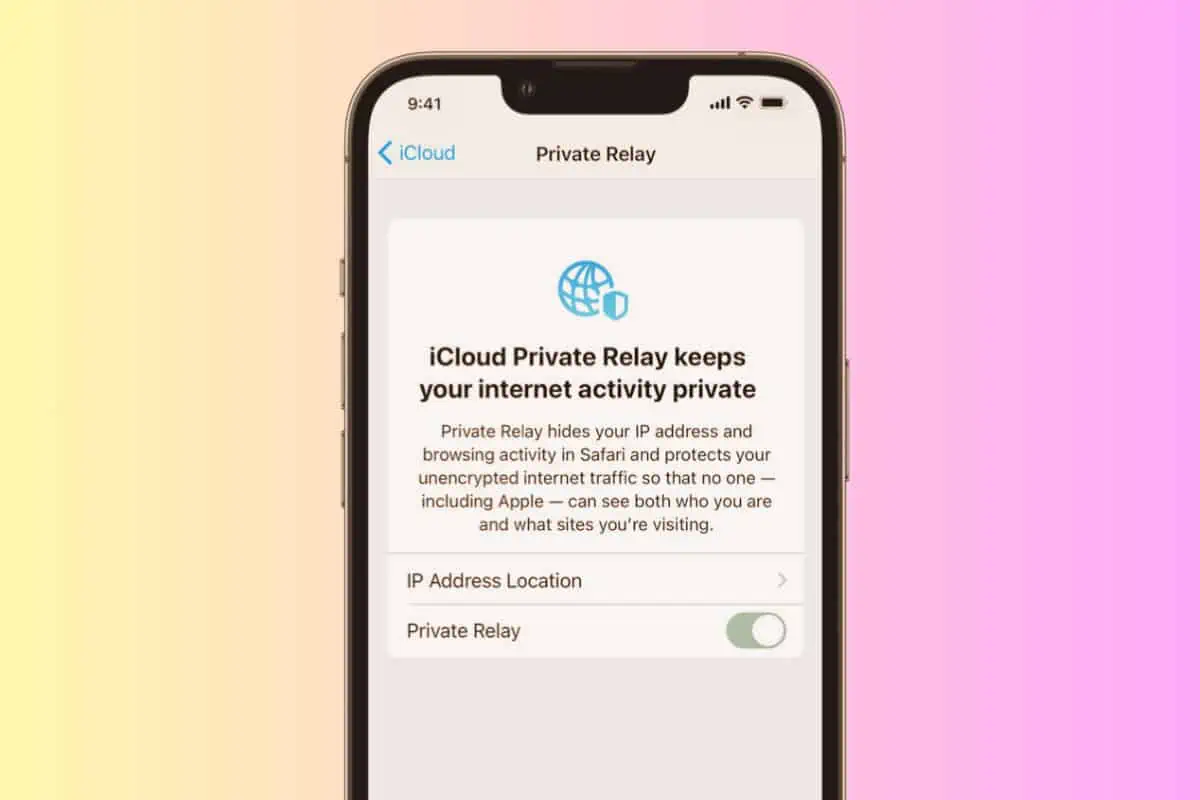
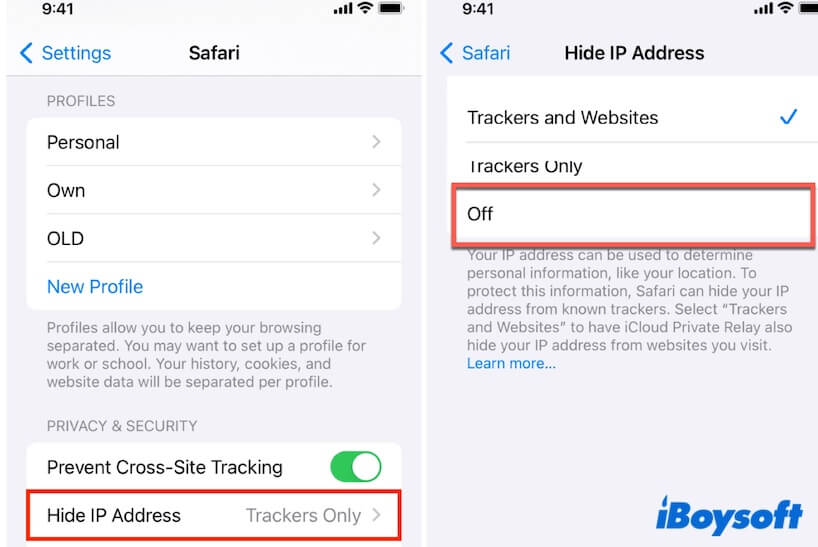
I’d just upgraded my phone – because who doesn't get a thrill from unboxing a new gadget? This one promised the moon, including this supposedly magical Private Relay. The idea is, it’s like a secret tunnel for your internet traffic. Instead of your IP address being out there for everyone to see, it’s bounced around through Apple's servers, making you look like you're browsing from… well, somewhere else entirely. Think of it as an invisibility cloak for your browsing habits. Pretty cool, right? Almost makes you feel like a digital ninja.
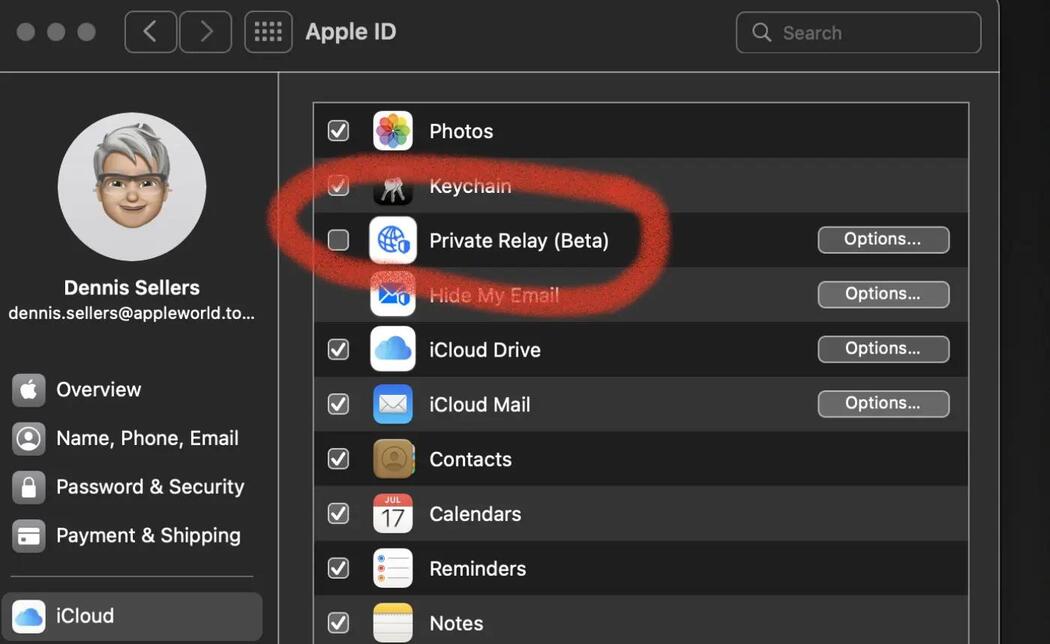
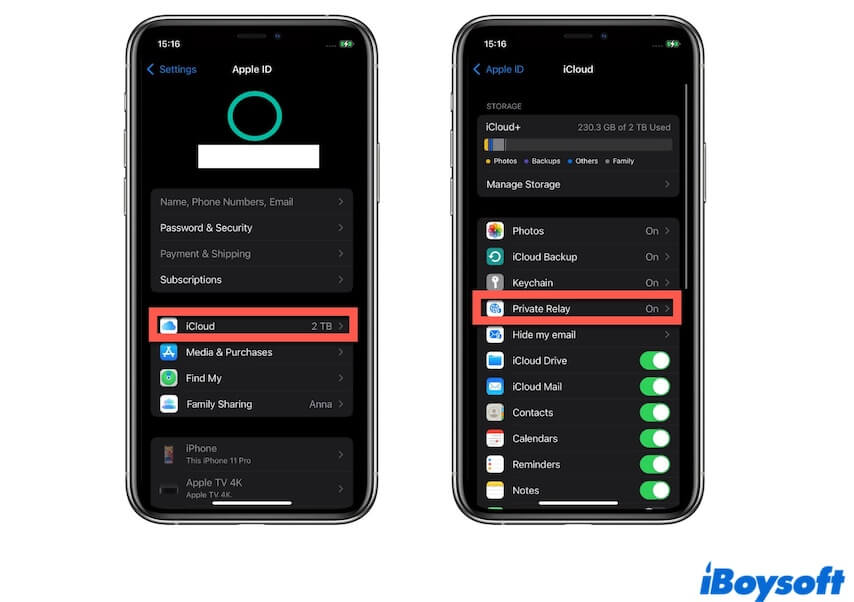
So, I enthusiastically flipped the switch for Private Relay in my iCloud settings. Everything looked peachy. I went to open Safari, ready to surf the web with my newfound anonymity. And then… crickets. Nothing. Safari just sat there, looking as confused as a cat at a dog show. It couldn't connect. At all. It was like I'd asked it to perform brain surgery with a spork.
My initial reaction, of course, was a sophisticated blend of gentle sighing and mild existential dread. This wasn't just a minor inconvenience; this was a full-blown technological rebellion! My brand new iPhone, fresh from the land of Apple's pristine design studios, was refusing to do the most basic thing: browse the internet. I started to wonder if I'd accidentally activated a secret self-destruct sequence. Was my phone staging a tiny, silicon-based coup?
I’m no stranger to tech tantrums. I’ve wrestled with Wi-Fi routers that seem to have a personal vendetta against my streaming services. I've argued with printers that believe printing is an optional hobby. But this felt different. This was Apple, the company that practically invented user-friendly. They're supposed to be the ones who make everything just… work. Like magic. Apparently, my magic wand was on backorder.
My first thought, naturally, was to blame the internet. It’s always the internet’s fault, right? Maybe the Wi-Fi was acting up. I hopped off my trusty home network and tethered to my phone's cellular data. Safari connected. Success! But then… I turned Private Relay back on. And… crickets again. The mystery deepened. Was it the Wi-Fi? Was it Private Relay? Was it a cosmic alignment of planets that specifically targeted my browsing experience?
This is where the detective work began. Forget Sherlock Holmes; I was now "Safari Sleuth." I started Googling (on a different device, of course, because my iPhone was on strike). I typed in the exact phrase that would haunt my dreams: "Safari Can't Connect To iCloud Private Relay On iPhone." The internet, bless its chaotic heart, delivered. And let me tell you, the results were a mixed bag. Some suggested restarting my phone (the universal IT solution, like duct tape for computers). Others suggested… well, more duct tape for computers.
One particularly helpful forum post mentioned something about network settings. Ah, network settings! The Bermuda Triangle of smartphone troubleshooting. You touch them, and suddenly your phone forgets how to make calls, send texts, and possibly even breathe. I was hesitant, like a bomb disposal expert eyeing a suspicious package. But the call of functional browsing was strong.
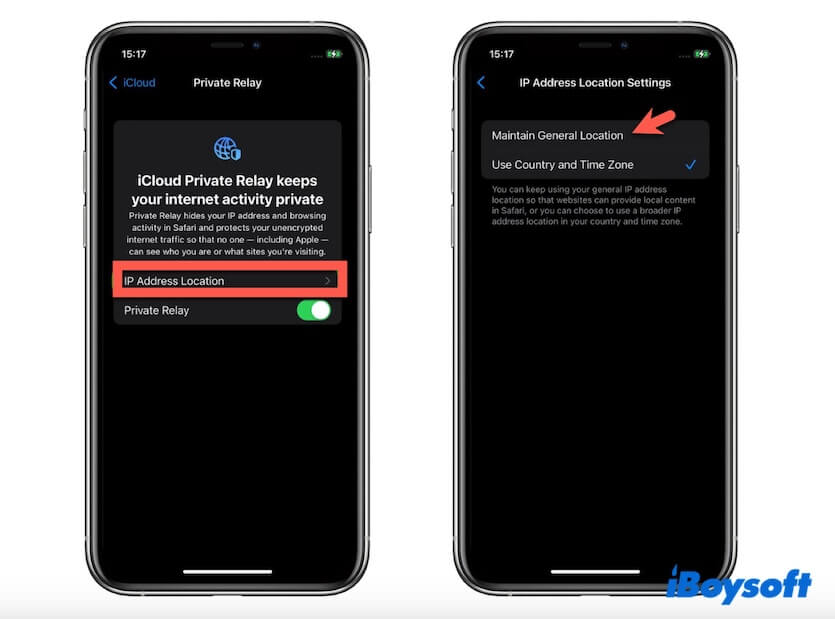
The suggestion was to reset network settings. This sounds dramatic, doesn’t it? Like you're wiping your phone's entire memory of ever knowing what a Wi-Fi password is. In reality, it just nukes your saved Wi-Fi networks and Bluetooth pairings. Basically, you have to re-enter all your Wi-Fi passwords. A small price to pay for not feeling like you’re living in the digital dark ages, I reasoned. So, with a deep breath and a silent prayer to the tech gods, I navigated to Settings > General > Transfer or Reset iPhone > Reset > Reset Network Settings. Dramatic, I know.
After my iPhone rebooted, looking slightly bewildered (or maybe that was just me), I eagerly reconnected to my Wi-Fi. Then, I braced myself and toggled Private Relay back on. I opened Safari, fingers crossed so tightly I thought they might fuse. And… drumroll please… it worked! Glorious, beautiful, functioning Safari! It connected! The internet flowed like a digital river! I was no longer a prisoner of my own privacy settings.

It turns out that sometimes, your iPhone's network configuration just gets a little… frazzled. Like a toddler who’s had too much sugar and is now running around the living room in a frenzy. Resetting the network settings is like giving that toddler a nap and a stern but loving talk. It wipes the slate clean, forcing everything to reconnect from scratch. And in the case of Private Relay, this seems to be the magic bullet.
So, if you ever find yourself in this peculiar predicament, where Safari refuses to acknowledge the existence of iCloud Private Relay, don't panic. Don't start hoarding canned goods or building a Faraday cage. Just try the reset network settings trick. It’s less dramatic than it sounds, and infinitely less painful than trying to explain to your boss why you spent three hours trying to browse the internet on your cutting-edge smartphone.
And here’s a fun fact for you: did you know that the term "IP address" stands for "Internet Protocol address"? It's like a postal code for your device on the internet. Private Relay essentially gives you a temporary, anonymous postal code. Pretty neat, huh? Now you can browse the web feeling like a ghost, albeit one that occasionally needs to reset its network settings. Happy browsing, my friends!