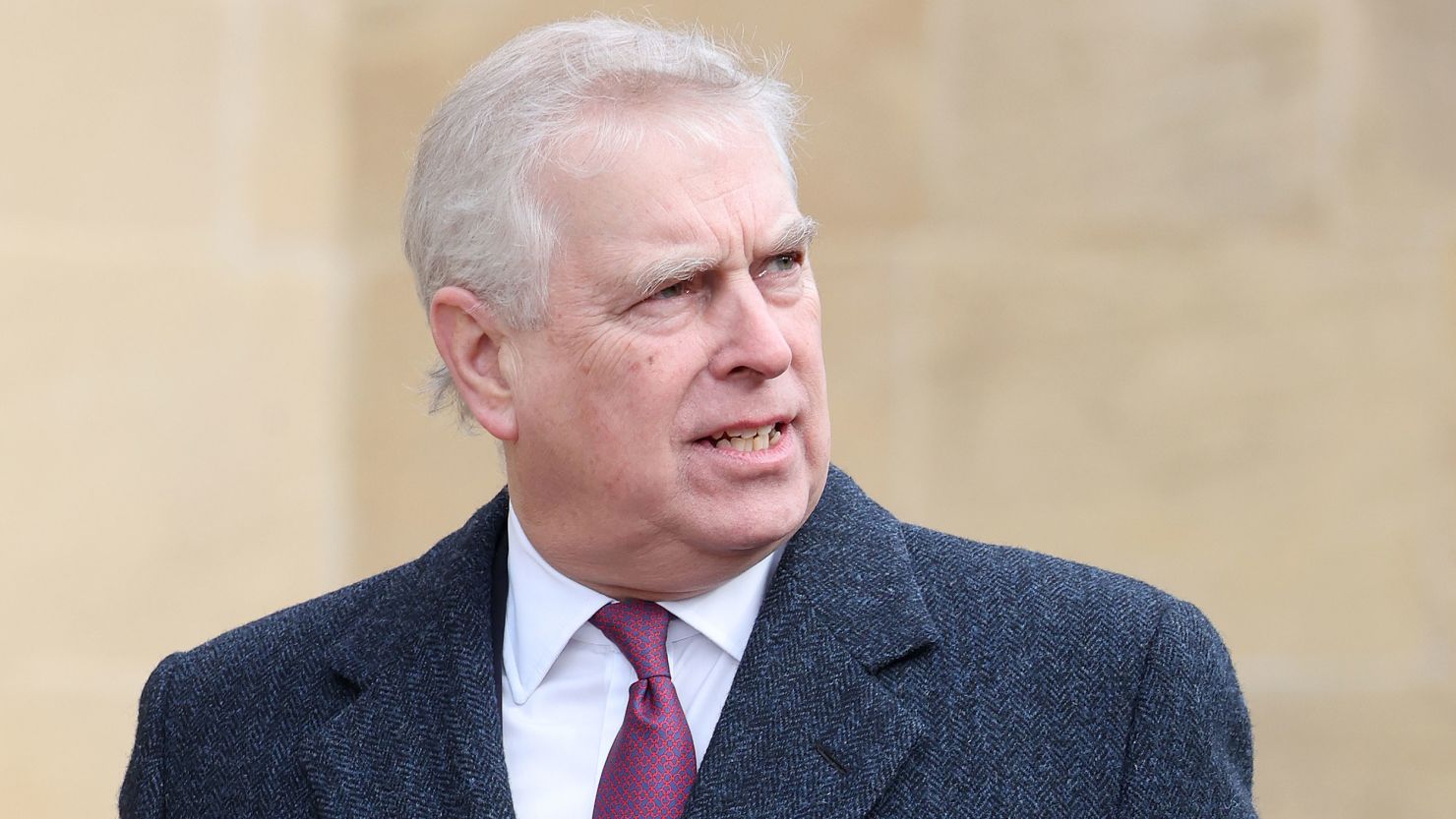
So, let's talk about Prince Andrew. You know, the Duke of York? The one who used to be quite the royal fixture, often spotted with his mother, the late Queen Elizabeth II, at events. It's been a bit of a… drama-filled chapter for him, hasn't it? Like a reality TV show nobody quite signed up for, but everyone's watching with a mixture of fascination and, for many, a sense of inevitability.
Look, we're not here to dish out royal gossip for the sake of it. This is more about a bigger, broader theme that’s been playing out in the public eye, a sort of modern-day fable about consequences and the ever-present truth that no one is truly above the law. It’s a concept we all grapple with, whether we're dealing with a parking ticket or, well, much more serious allegations.
The Royal Rollercoaster
Prince Andrew's story has been… a journey. From being a charming younger son and a naval officer to his current, rather uneasy position in the public consciousness. It's the kind of narrative arc that would make for a compelling, albeit somber, Netflix docuseries. Think "The Crown," but with a bit more real-life legal grit and significantly fewer dramatic monologues (though one can only imagine the internal ones).
For years, the whispers and accusations surrounding him persisted. They were like those annoying background characters in a film that you know are going to have a significant plot point later on. And eventually, they did. The allegations of sexual abuse, the civil lawsuit filed by Virginia Giuffre, the subsequent settlement – it all unfolded like a carefully orchestrated, yet incredibly messy, legal drama.
It's easy to feel a sense of detachment from such high-profile figures, to see them as almost mythical beings. But the reality is, when serious accusations surface, the legal system is designed to address them, regardless of titles or pedigree. This isn't about taking sides; it's about acknowledging that the scales of justice, at least in principle, are meant to be balanced.
The Weight of Allegations
The allegations themselves are deeply disturbing and have caused immense pain to the alleged victims. This is something that cannot be understated. The impact of such accusations, whether proven in a criminal court or settled in a civil one, leaves an indelible mark. It forces us to confront uncomfortable truths about power, privilege, and the vulnerability of individuals.
For Prince Andrew, the consequences have been tangible and swift. Stripped of his military titles and royal patronages, he's become a figure largely relegated to the sidelines of royal life. It’s a stark contrast to the prominent role he once held. This isn't just a PR nightmare; it's a fundamental shift in his public and, presumably, private life.

It makes you think about how we, as a society, react to such situations. There’s a natural inclination to want clarity, to want things resolved. And in this case, the resolution came in the form of a civil settlement, a move that, while ending the immediate legal battle, did little to dispel the public scrutiny.
"No One Is Above The Law": A Modern Mantra
This phrase, "no one is above the law," isn't just a catchy slogan. It's the bedrock of a just society. It means that everyone, from the person next door to the person in the palace, is accountable for their actions. And when someone with significant influence or status is accused of wrongdoing, their case becomes a very public litmus test for this principle.
Think about other instances where the powerful have faced legal scrutiny. From politicians to corporate leaders, the expectation, or at least the hope, is that the legal system will do its work impartially. Prince Andrew's situation is a high-profile example of this principle being put to the test. The outcome, the public's reaction, and the ongoing discussion all highlight the importance of this fundamental concept.
It’s a bit like watching a popular TV series that’s been building tension for seasons. You know something has to give. And in this case, what gave was Prince Andrew's perceived immunity. It’s a reminder that even the most insulated individuals can be brought before the bar of accountability, whether that’s a courtroom or public opinion.
Practical Takeaways for Us Mortals
Okay, so we're not all dukes and duchesses, but the principle still applies. What can we learn from this whole saga, beyond the royal tea leaves? A few things, actually, that can help us navigate our own lives with a bit more clarity and integrity:
- Be mindful of your actions: This is the most obvious one. Every decision you make has a ripple effect. In an era of instant information and social media scrutiny, even seemingly small indiscretions can become magnified. Think before you act, especially when others could be impacted.
- Uphold your values: What are your non-negotiables? What principles do you live by? Staying true to these values, even when it's difficult or unpopular, builds personal integrity. It's the foundation of self-respect and earns you respect from others.
- Listen to criticism (constructively): If people are raising concerns about your behavior, it’s worth paying attention. While not all criticism is valid, a pattern of negative feedback might indicate an area for self-reflection. Being open to constructive feedback is a sign of strength, not weakness.
- Seek wise counsel: When you're facing a difficult situation, who do you turn to? Having trusted friends, family, or professional advisors can provide invaluable perspective and guidance. They can help you see things more clearly and make better decisions.
- Understand the consequences: Every choice, good or bad, has consequences. Whether it's a legal penalty, a damaged reputation, or a lost opportunity, understanding these potential outcomes can help you make more informed choices. It’s about taking responsibility for your trajectory.
Cultural Echoes and Modern Parallels
The story of power and accountability isn't new. It's woven into the fabric of mythology and history. From Icarus flying too close to the sun to the fall of ancient empires, the narrative of hubris and its downfall is a recurring theme. Prince Andrew's situation, in its own modern way, taps into this ancient human fascination with the rise and fall of those in prominent positions.
Think about the public's reaction. There’s a certain satisfaction, a sense of cosmic balance, when someone who appears to be living a life of immense privilege is held accountable. It’s a little bit like watching a villain in a movie finally get their comeuppance. It confirms our belief that, despite the inequalities of the world, there’s a fundamental fairness that should prevail.
This also ties into the evolving nature of public discourse. In the past, certain stories might have been suppressed or kept within hushed circles. But today, with the internet and social media, information travels at lightning speed. Allegations, evidence, and opinions are all shared and debated openly, putting immense pressure on individuals and institutions to address wrongdoing.
A Bit of Fun: Royal Residences and Legal Battles
Here's a fun fact for you: did you know that Buckingham Palace itself has a rich history of legal disputes, albeit usually about land and property? It’s almost ironic that a place so steeped in tradition and often perceived as untouchable, has its own complex legal entanglements. It’s a subtle reminder that even the most iconic structures are subject to the same laws of the land.
And speaking of legal battles, let's consider the sheer cost and complexity of the legal process. For Prince Andrew, the settlement alone was reportedly millions of pounds. This highlights another aspect: legal battles are not just about right and wrong; they are also incredibly expensive and time-consuming. It's a stark reminder of the practical implications of facing serious accusations.
It makes you appreciate the simplicity of our own legal interactions. A speeding ticket feels like a big deal, doesn't it? Imagine dealing with the kind of legal machinery that a figure like Prince Andrew faces. It really puts things into perspective, doesn't it?
The Unseen Threads of Accountability
Ultimately, Prince Andrew's situation serves as a potent reminder that the concept of accountability isn't just an abstract legal principle. It has real-world consequences that can impact careers, reputations, and personal lives. And while the specifics of his case are unique to his position, the underlying message resonates universally.
It’s about the idea that our actions have weight. That even in a world of complex hierarchies and significant privilege, there are boundaries. And when those boundaries are crossed, there are mechanisms in place, however imperfect, to address them. This is what allows societies to function and maintain a sense of order and justice.
The media's role in this is also fascinating. They act as the public's eyes and ears, dissecting every development, fueling the conversation, and often, holding a mirror up to society's expectations of fairness and justice. It’s a dynamic relationship, a sort of co-dependency between the public, the powerful, and the press.
A Reflection for Your Coffee Break
So, as you sip your morning coffee or scroll through your news feed, take a moment to reflect on this. The Prince Andrew saga, for all its royal drama and legal complexities, boils down to a simple, enduring truth: we are all subject to the same rules. Our actions, our choices, and our responsibilities extend to everyone, regardless of their social standing.
In our own everyday lives, this translates to simple acts of integrity. It’s about being honest in our dealings, treating others with respect, and taking responsibility for our mistakes. It’s about understanding that even small acts of accountability build character and contribute to a more just and equitable world, one interaction at a time. It’s a quiet, consistent effort, but it’s the bedrock of living a life with purpose and integrity. And that, in its own way, is a victory for us all.


:max_bytes(150000):strip_icc():focal(999x0:1001x2)/prince-andrew-04f3ea4a054a43a0913a0766199227ce.jpg)