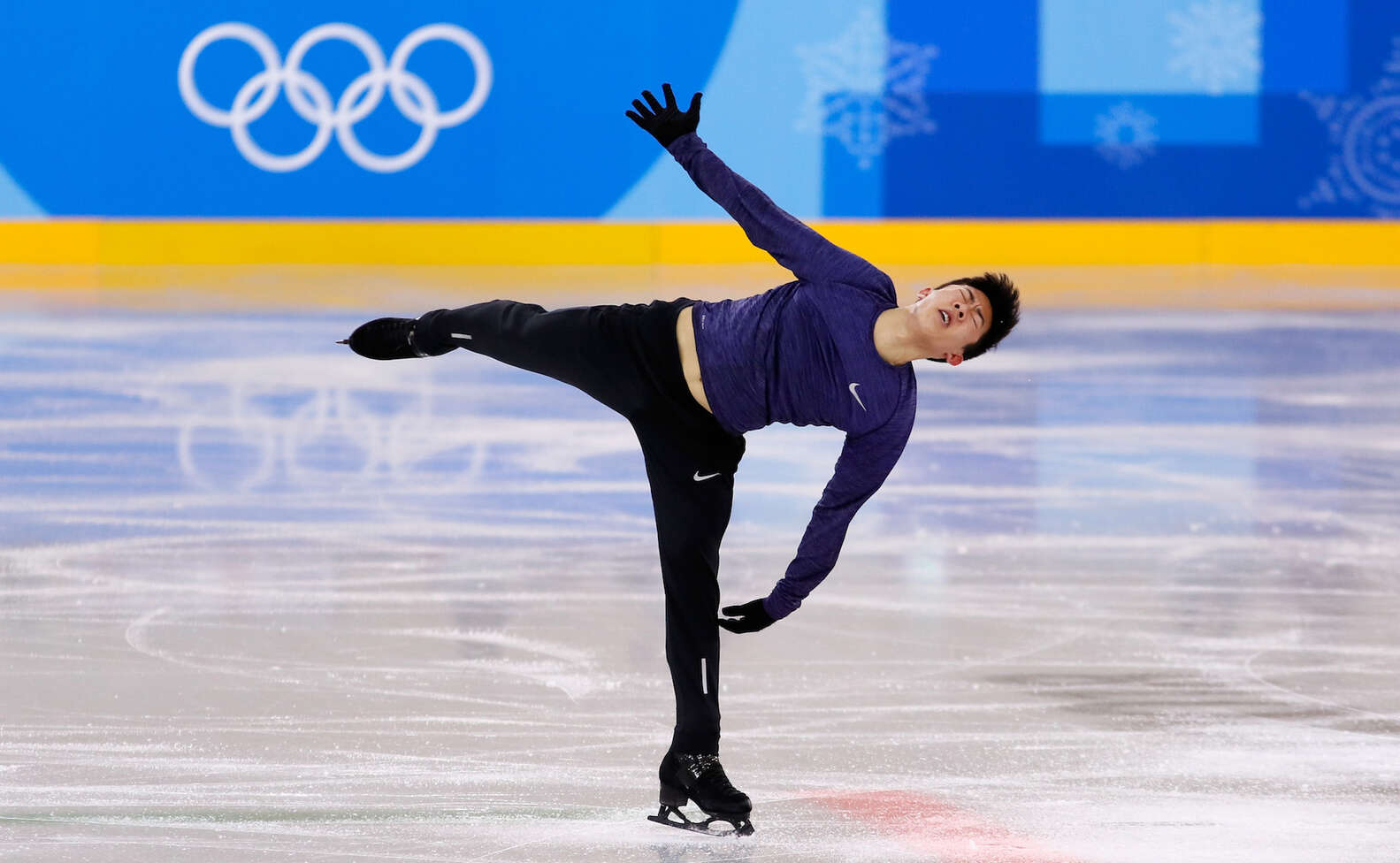
So, you’ve seen those sparkly outfits. You’ve heard the dramatic music. And you’re wondering, “What in the frozen wonderland is actually happening on the ice?” Yep, we’re diving into the dazzling world of Olympic figure skating! Forget stuffy textbooks. This is your friendly, no-stress guide.
Think of it like this: it's ballet on blades. But with way more spins. And a whole lot of courage. These athletes are basically superheroes. They defy gravity. They glide. They leap. All while looking like they just stepped out of a fairy tale.
It’s Not Just About Pretty Pirouettes!
You might think it’s all about who can do the most impressive jump. And yeah, jumps are a big deal. But there’s SO much more to it. It’s a mashup of athleticism and artistry. They’re telling a story with their bodies. Every move has a purpose. It’s like watching a silent movie. But with more ice dust.
There are two main events: Singles Skating (that’s the solo action) and Pairs Skating (where things get really interesting). And let’s not forget Ice Dance. They’re like the ballroom dancers of the ice. Different vibes, but all totally captivating.
The Nitty-Gritty: Rules and What They’re Doing
Okay, deep breaths. The rules can sound a little intimidating. But we’ll break it down. Imagine a super-detailed checklist. Judges are basically ticking boxes. Or maybe they’re not ticking boxes. That's where the drama comes in!
Every program has required elements. Think of them as the homework assignments. Jumps, spins, step sequences. They have to nail these. But how they do them matters even more. Did they nail the landing? Was the spin fast enough? Did they look like they were enjoying it? (Okay, maybe that last one isn’t official, but it helps!).
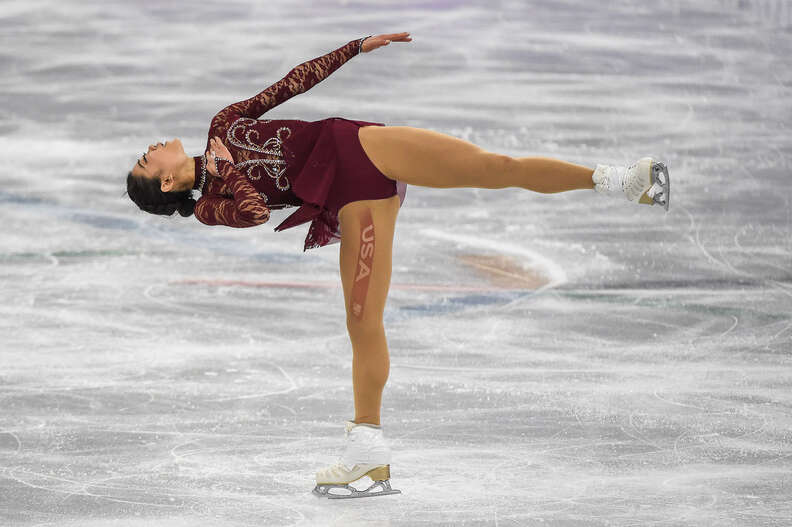
Singles Skating: These skaters have to showcase a mix of powerful jumps. They’re looking for the big ones: the quadruple jumps (that’s four rotations in the air, people!). Sounds wild, right? They also do incredible triple jumps. And they need to execute flawless spins. Different kinds of spins, too. Some are fast. Some look like they’re defying the laws of physics.
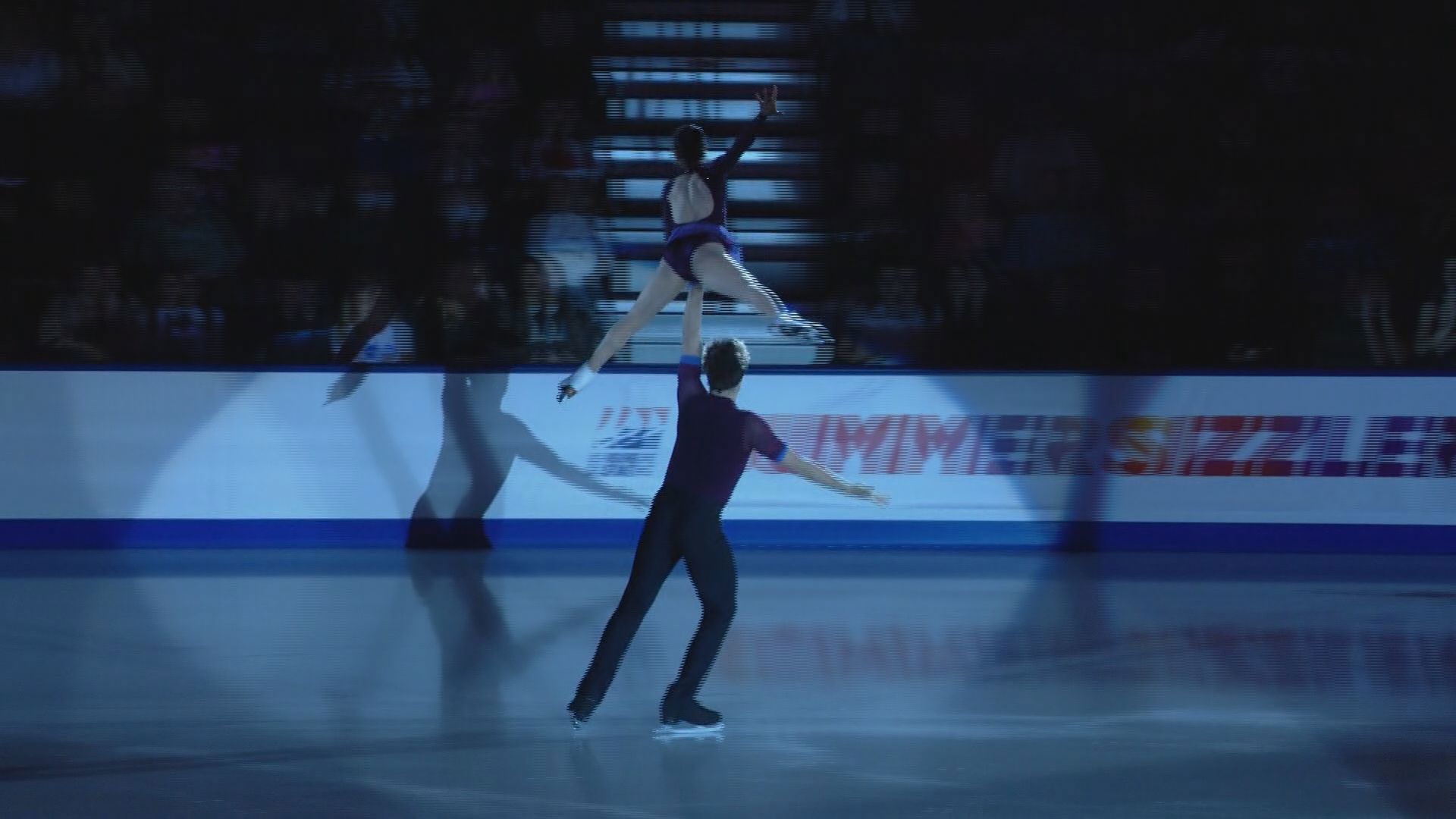
Pairs Skating: This is where the chemistry is everything. It’s two people working as one. They do synchronized jumps (scary!). They do throws (even scarier!). The man literally throws the woman into the air for her to do a jump! Imagine trusting someone that much. Plus, they have these amazing lifts. The woman is held high above the man's head. It’s pure power and grace. It's a lot of coordinated risk-taking. And it’s thrilling to watch.
Ice Dance: Forget the big throws and aerial stunts here. Ice dance is all about connection. It’s like a romantic waltz on ice. They have a Rhythm Dance and a Free Dance. The Rhythm Dance has specific music and rhythms they have to follow. Think Latin vibes or a disco beat! The Free Dance is where they get to show off their storytelling and musicality. They focus on intricate footwork, smooth transitions, and expressing the music. It’s less about extreme heights and more about the journey.
Scoring: The Mystical Numbers Game
This is where it gets a bit… abstract. Don’t worry, you don’t need a calculator. The scoring system is called the International Judging System (IJS). It sounds official, and it is. But the core idea is simple: they get points for what they do well, and they lose points for mistakes.
There are two main scores: the Technical Element Score (TES) and the Program Components Score (PCS).
TES: This is the "did they do it?" score. Each element (jump, spin, step sequence) has a base value. Then, judges add points for how well they executed it. Think of it as "quality points." A perfectly landed quad jump gets way more points than a shaky one. If they fall, ouch, points get deducted. No sugarcoating that.
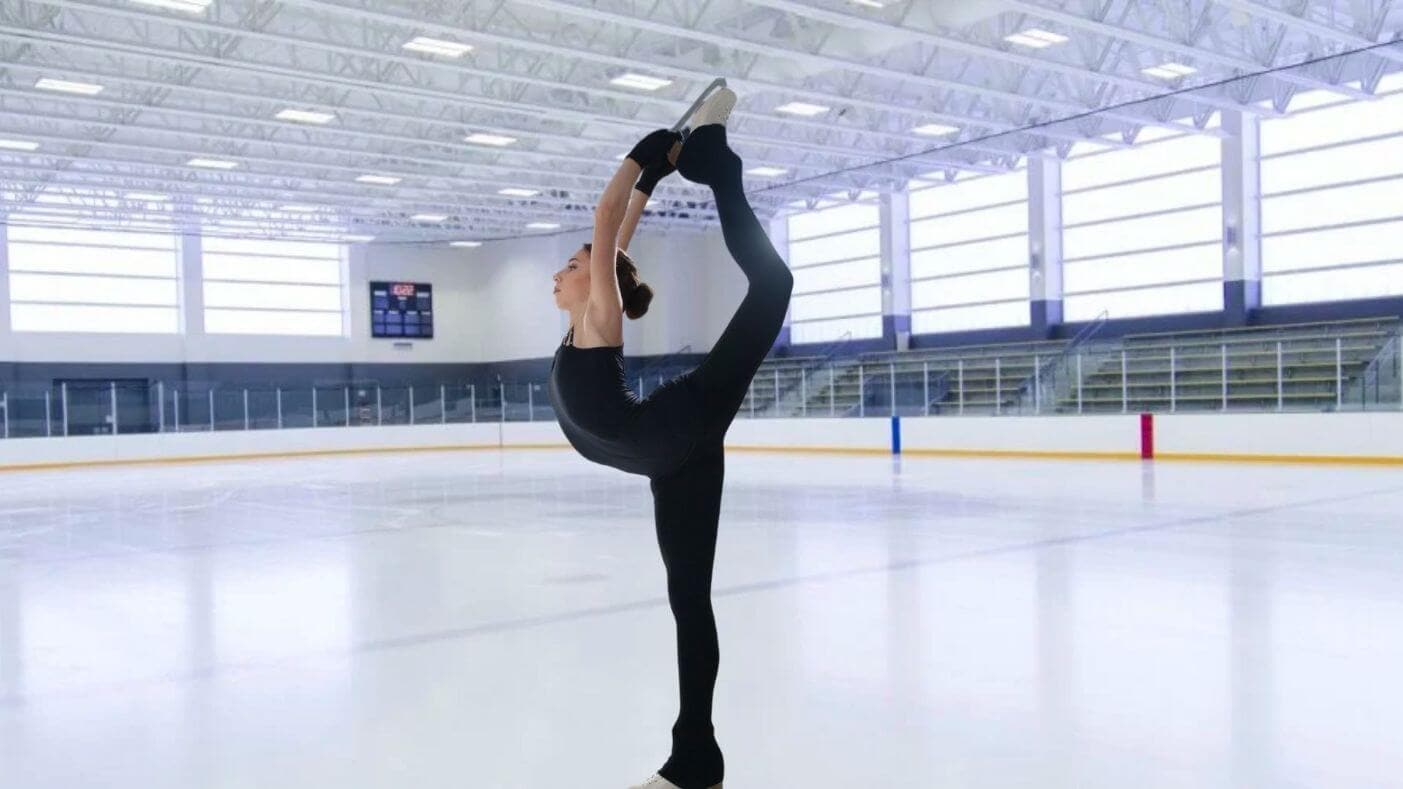
PCS: This is the "how beautiful was it?" score. It’s more subjective. Judges look at things like:
- Skating Skills: How fluid are they? Do they use the whole ice?
- Transitions: How smoothly do they connect one element to another?
- Performance: How engaging are they? Do they connect with the audience?
- Composition: How well is the program put together? Is it creative?
- Interpretation of the Music: Do they feel the music?
This is where the artistry shines. A technically perfect but boring program might not win. It’s that blend of the amazing feats and the pure magic that takes home the gold.
Key Terms to Sound Like a Pro
Want to impress your friends during the next viewing party? Drop these terms like they’re hot ice!
- The Quad: Short for quadruple. The most talked-about jump. Four rotations. Pure insanity.
- Triple Axel: A triple jump, but with an extra half rotation because it’s taken off forward. It’s notoriously difficult. Think of it as the tricky cousin of the other triples.
- The Twist Lift: A signature move in pairs. The man throws the woman, she rotates in the air, and he catches her. Looks impossible.
- Step Sequence: A series of intricate footwork patterns. It’s like a fancy dance break on ice.
- Choreography: The planned movements and artistry of the program. It's the story being told.
- Edge Work: The subtle way skaters use the inside and outside edges of their blades to control their movement. It's the invisible magic.
- Ice Coverage: How much of the ice surface the skater utilizes. Good coverage means they’re using the whole arena, not just a small patch.
- The Kiss and Cry: Not a move, but a place! It’s where the skaters wait for their scores. It’s often filled with happy tears or dramatic sighs. Always good for a laugh or a tear.
Why It’s Just Plain Fun!
Figure skating is a rollercoaster. One minute you're holding your breath during a death-defying jump. The next, you're moved by a beautifully interpreted piece of music. The costumes are outrageous. The drama is real. And the sheer talent on display is breathtaking.
It’s a sport that celebrates both incredible power and delicate grace. It’s a canvas for incredible athletes to express themselves. And at the Olympics? The pressure is ON. Every single move is magnified. The stakes are sky-high. It’s pure entertainment.
So next time you see figure skating on TV, you’ll know a little bit more about what’s going on. You’ll appreciate the insane athleticism. You’ll notice the subtle artistry. And you might just find yourself cheering louder than you ever expected.