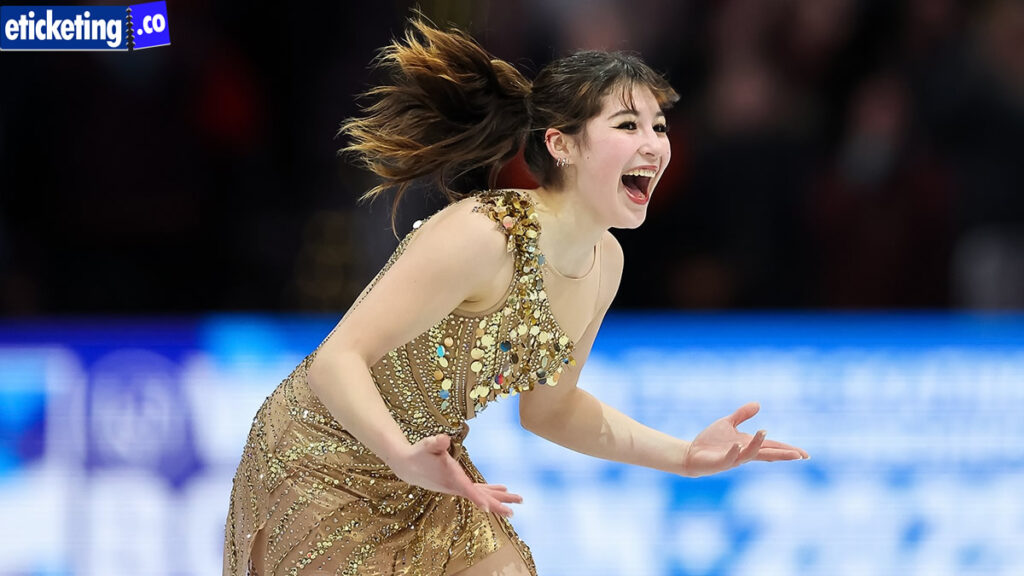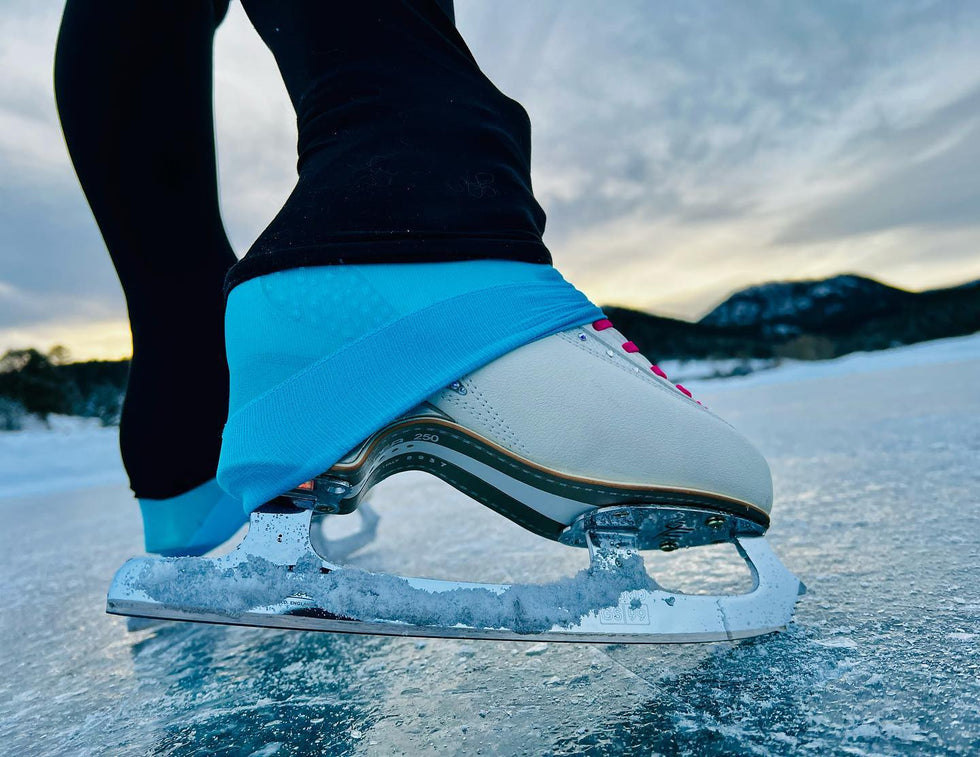
Ever watched those impossibly graceful humans twirl and leap on ice and thought, "How do they even do that?" Well, strap on your imaginary skates, because we're diving into the dazzling world of Olympic Figure Skating! It's like a beautifully choreographed ballet on a slippery stage, and it's way more exciting than just watching people fall (though, let's be honest, that can be pretty entertaining too).
Figure skating at the Olympics is divided into two main events for each skater: the Short Program and the Free Skate. Think of the Short Program as the spicy appetizer, and the Free Skate as the show-stopping main course. And your final score? That's like the grand finale, the ultimate standing ovation.
The Short Program: The "Gotta Nail This" Round
The Short Program is where skaters have to perform a set list of required elements. It's like a pop quiz on ice, and you can't skip any questions! They have to show off specific jumps, spins, and step sequences. There's no room for improvisation here; it's all about precision and hitting those marks perfectly.
Imagine you're trying to remember all the lyrics to your favorite song and do a little dance routine at the same time. That's kind of what the Short Program is like, but with way more triple axels and a lot less chance of forgetting where you are. It's short, it's sweet, and it's incredibly demanding.
Each skater is given a specific time limit, usually around 2 minutes and 40 seconds. It flies by faster than a Zamboni on a mission! They have to pack in all their required moves, and if they miss one or mess it up, it's like losing points on that pop quiz. Ouch!
The judges are watching for everything: how high their jumps are, how many rotations they do in their spins, how intricate their footwork is, and how smoothly they transition between elements. They're also looking at the skater's artistic impression – are they telling a story? Are they connecting with the music? It's not just about the tricks; it's about making it look effortless and beautiful.

Think of it this way: if the Short Program was a job interview, the skater would be presenting their absolute best, most polished resume with a confident smile. They're showing off their core skills, proving they have what it takes to be in the running. And the pressure is ON!
The Free Skate: The "Let's Blow 'Em Away" Spectacular
Now, for the main event: the Free Skate! This is where skaters get to unleash their creativity and show off their personality. It's like a blank canvas where they can paint a masterpiece using their body and the ice as their medium. They have more time, more music, and more freedom to choose their elements.
In the Free Skate, skaters can perform any jumps, spins, and step sequences they want, as long as they fit within the program's structure and time limits. This is where you see those jaw-dropping quad jumps that seem to defy gravity. It's like watching someone try to do a superhero landing, but on ice skates!
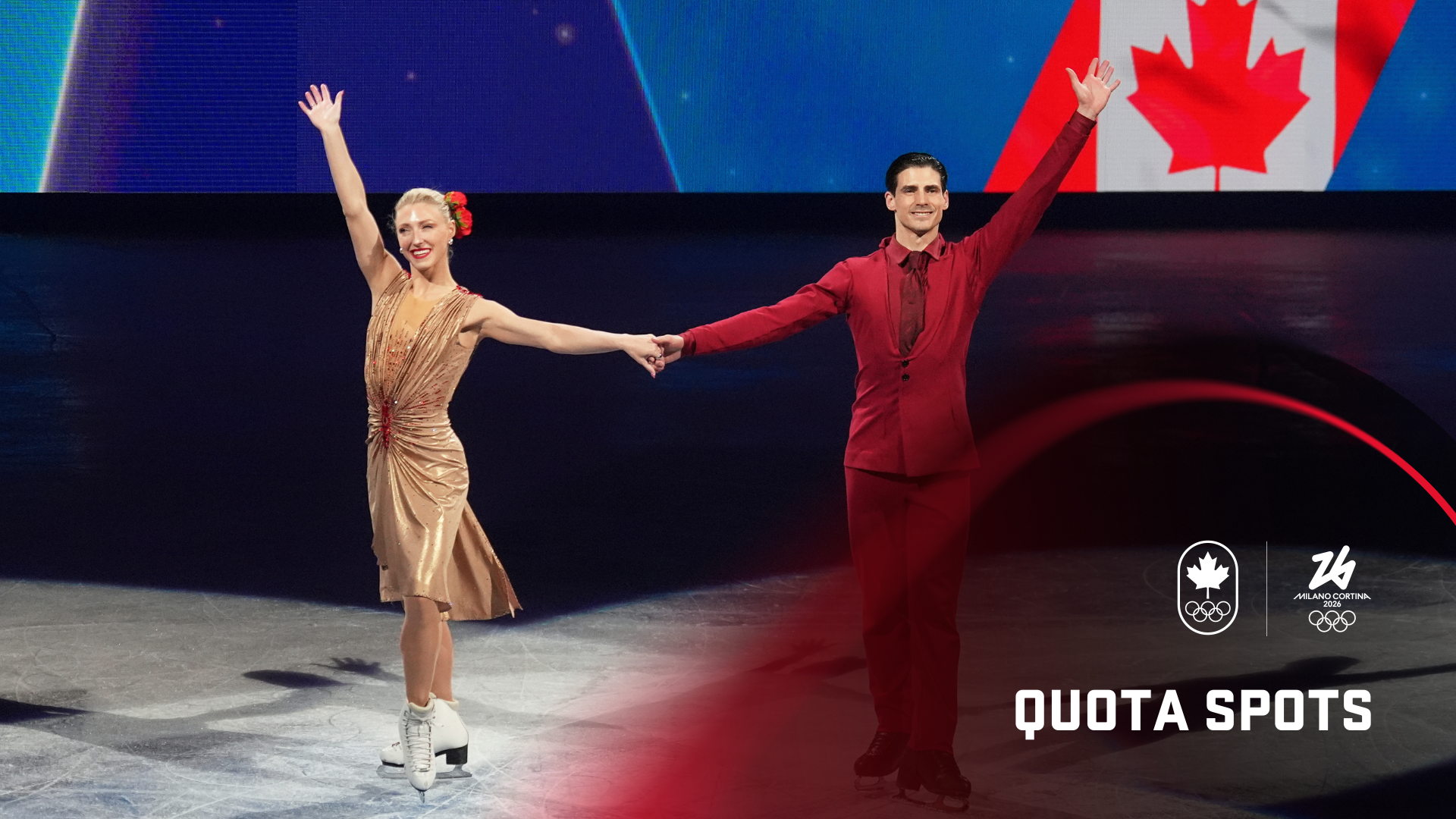
The music choice here is HUGE. It can be anything from classical epics to modern pop hits. A skater might choose something dramatic and powerful to showcase their strength, or something lyrical and flowing to highlight their elegance. The music is their partner, guiding their every move.
This is also where the choreography truly shines. Skaters and their coaches spend months, even years, crafting these routines. They weave together the technical elements with artistic expression, creating a story that unfolds with every glide, spin, and jump. It’s like a silent movie where the emotions are conveyed through movement.
Imagine you're at a concert, and the performer is absolutely owning the stage, pouring their heart and soul into every note. That's the feeling you get watching a spectacular Free Skate. You're on the edge of your seat, mesmerized by their skill, their grace, and their sheer determination.

The Free Skate is significantly longer than the Short Program, usually lasting around 4 minutes for singles and pairs. This gives them ample time to build momentum, showcase a wider variety of difficult skills, and really connect with the audience and the judges. It's the grand finale, the moment they've been training for their whole lives.
The Score: Where the Magic Happens (and the Numbers Add Up!)
So, how do they actually get a score? It’s a bit like grading an incredibly complex art project. Judges award points for two main categories: Technical Score and Program Components Score.
The Technical Score is all about the execution of those difficult elements we talked about. Did they land that triple jump cleanly? Was their spin fast and centered? Did they get all the required rotations? Every jump, spin, and step sequence is broken down and evaluated. Think of it as the "did they do it right?" part of the score.

The Program Components Score, on the other hand, is all about the artistry. This is where judges look at things like skating skills (how smooth and powerful their skating is), transitions (how they link one element to another), performance (how well they express themselves), choreography (how creative and well-put-together the routine is), and interpretation of the music. This is the "how beautifully did they do it?" part.
These two scores are then added together to get a skater's total score for that particular program. The judges don't just give out random numbers; there are very specific rules and guidelines that they follow. It's a complex system, but the goal is to reward both incredible athleticism and breathtaking artistry.
Finally, for the overall Olympic medal, the scores from the Short Program and the Free Skate are added together. The skater with the highest combined score wins! It’s like getting your grades from two different, but equally important, exams and then seeing which student has the highest overall average. The pressure to perform well in both is immense, as one mistake in either can be incredibly costly.
So, the next time you're watching figure skating, you'll know that it's not just about pretty costumes and fancy footwork (though those are awesome!). It's a strategic blend of incredible athleticism, artistic expression, and a whole lot of nerve. It's a sport that requires a unique combination of strength, grace, and mental fortitude. And honestly, it's just plain fun to watch!
/cdn.vox-cdn.com/uploads/chorus_image/image/58632291/915986570.jpg.0.jpg)