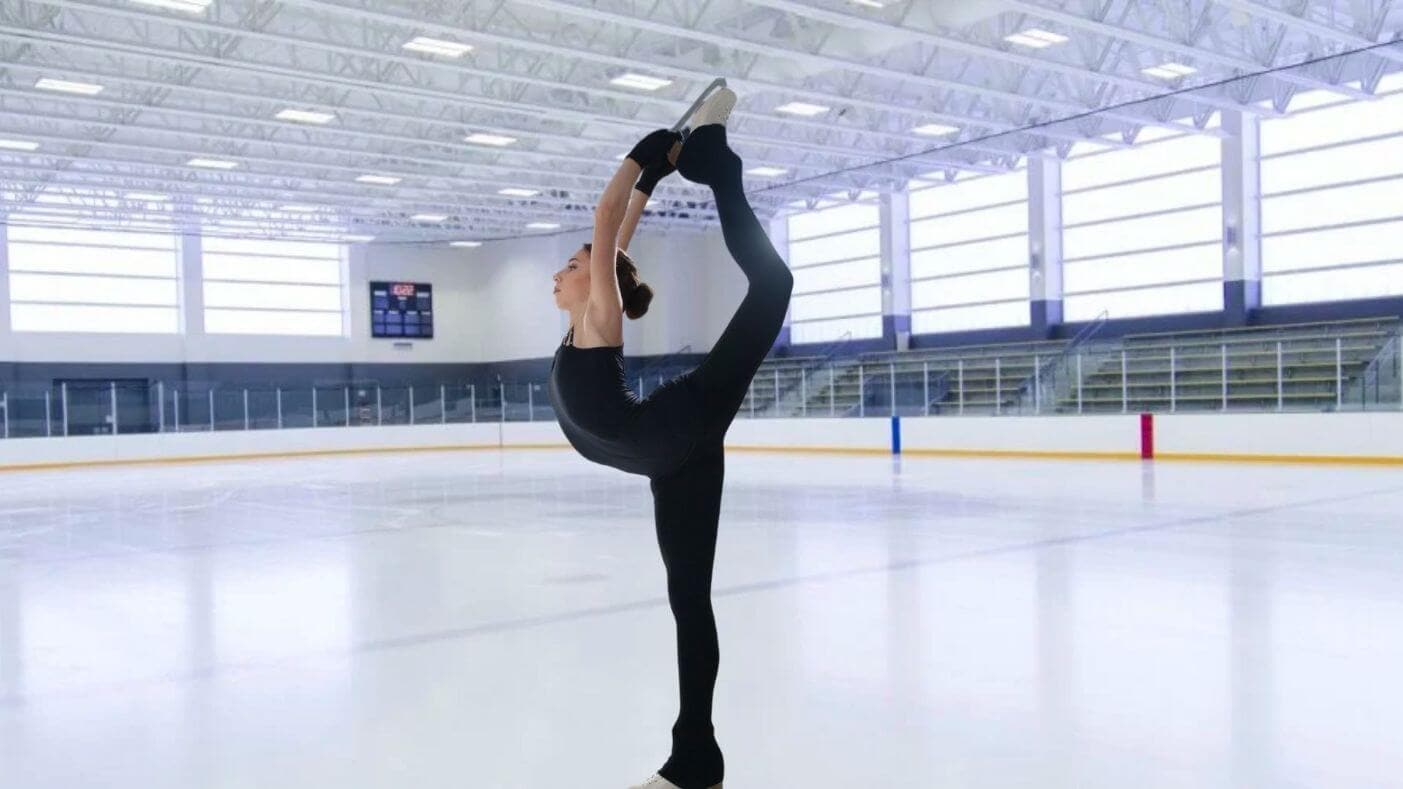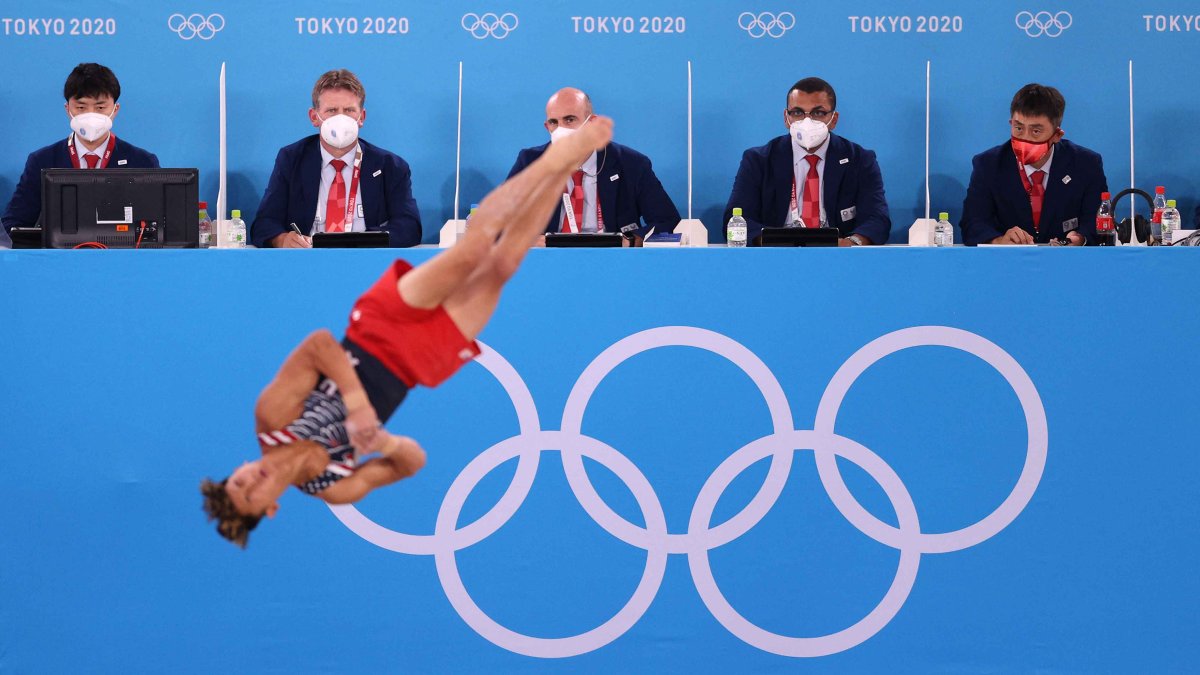
Imagine a sheet of ice, smoother than a freshly wiped table, reflecting the dazzling lights. Now, picture people gliding on it, not just walking, but soaring, spinning, and leaping like graceful swans. That’s the magic of ice skating at the Olympics, a sport that’s as much about breathtaking beauty as it is about sheer grit. Forget dusty textbooks; we’re diving into the fun, the surprising, and maybe even a little bit of the silly side of this frosty spectacle.
At its heart, ice skating at the Olympics is divided into two main flavors: singles and pairs. Then there’s the electrifying ice dance, which is like ballet on blades, and the team event, where nations bring their best to the frozen stage. Each has its own unique charm and challenges, turning the ice into a canvas for athletic artistry.
Singles Skating: The Solo Superstars
Think of singles skating as the ultimate test of individual brilliance. One skater, one mind, one mission: to wow the judges and the crowd with a performance that’s both technically demanding and emotionally resonant. It’s like a solo concert, but instead of a microphone, they’ve got razor-sharp blades.
There are two main parts to a singles competition: the short program and the free skate. The short program is like a meticulously crafted appetizer; it’s shorter, requires specific jumps and spins, and sets the stage. If a skater messes up here, it’s like dropping the first bite of a fancy meal – tough to recover.
The free skate, on the other hand, is the main course, and it’s a feast for the eyes. Skaters get to show off their personalities with a longer routine, filled with their choice of jumps, spins, and intricate footwork. They can even pick their own music, which is where things get really interesting. We’ve seen everything from classical masterpieces to modern pop hits, and sometimes, a skater’s music choice can be as surprising as their triple axel!
The Jumps: Are They Flying?
The jumps in singles skating are what often steal the show. There are six main types, each with its own unique takeoff and landing. The Salchow, the Toe Loop, the Loop, the Flip, the Lutz, and the Axel. The Axel is the trickiest because it’s the only jump that takes off forward, meaning it has an extra half-rotation. Imagine doing a somersault from a running start – that’s kind of what an Axel feels like!
And when they go for a triple or even a quadruple jump, it’s simply breathtaking. They launch themselves into the air, twirling faster than a dizzy toddler, and then land with a grace that defies gravity. Sometimes, though, things don’t go perfectly, and you get a wobbly landing or a fall. It’s a reminder that even these seemingly superhuman athletes are, well, human!
The Spins: The Human Top
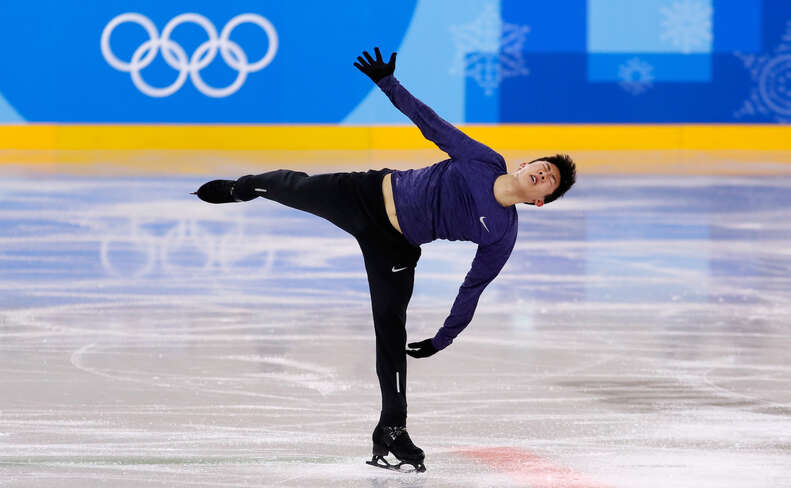
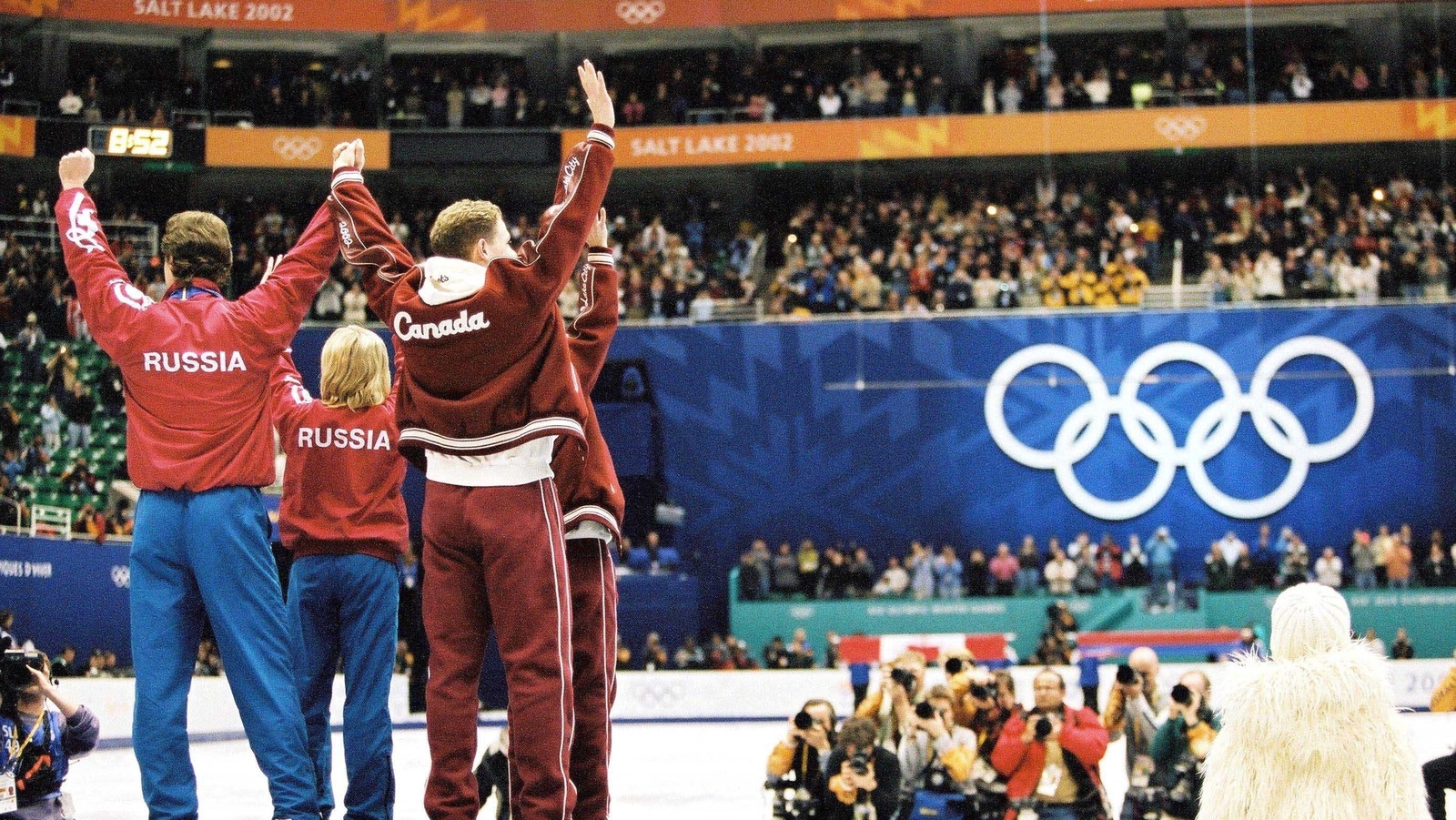
After a powerful jump, skaters often transition into spins. These aren't just casual twirls; they are complex maneuvers where skaters whirl around on one foot, often in different positions. There are upright spins, sit spins, and camel spins, each with variations that can make your head spin just watching them. The speed and control are incredible. Some skaters can even change positions mid-spin, making it look like they’re performing magic tricks.
Pairs Skating: Two’s Company, Three’s a Crowd (But Four Is a Jump!)
Pairs skating takes the intensity of singles and adds a whole other layer of complexity: a partner! It’s a beautiful dance between two people, requiring immense trust and synchronization. Think of them as a synchronized swimming team, but on ice, and with much cooler outfits.
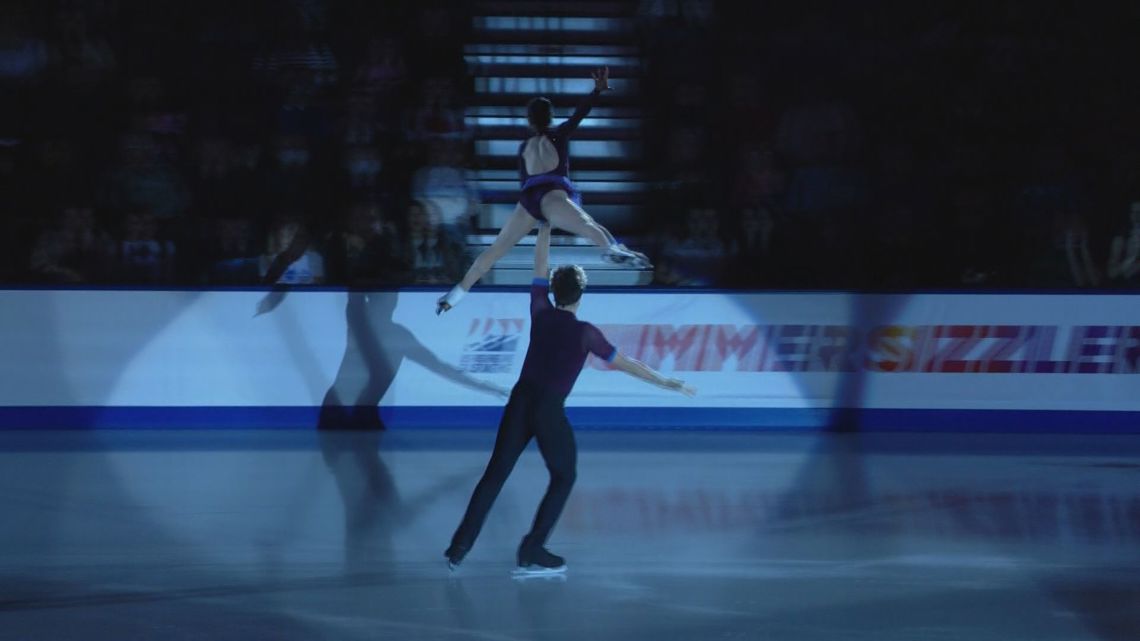
In pairs, you’ll see stunning throw jumps, where the male skater literally throws the female skater into the air to perform a jump. It looks terrifying, but for them, it’s just another day at the office. The precision required to catch her safely is mind-blowing.
There are also lifts, where one partner is held high above the other’s head in a variety of stunning poses. Some of these lifts are so creative, they look like they belong in a circus. And then there are the death spirals, a signature move where the female skater is spun around on one blade while her partner holds her hand, her body almost parallel to the ice. It’s a dramatic and elegant display of partnership.
The Chemistry: More Than Just a Partnership
Beyond the technical moves, the chemistry between pairs skaters is palpable. You can see the unspoken communication, the quick glances, the way they support each other through every element. When it clicks, it’s like watching two souls moving as one, a perfect blend of strength and softness.
Ice Dance: The Ballroom on Blades
Ice dance is where the artistry and elegance of skating truly shine, with a focus on rhythm, musicality, and intricate footwork. It's less about soaring jumps and more about telling a story with every step, glide, and turn. Imagine a grand ballroom waltz, but with the added thrill of gliding on ice.
Like singles, ice dance has a short dance and a free dance. The short dance has specific requirements, often focusing on a particular rhythm or dance style. The free dance allows the skaters to express themselves creatively, choosing their own music and theme. This is where you see the most heartwarming and sometimes quirky performances.
The emphasis in ice dance is on the connection between the partners and their interpretation of the music. They perform intricate footwork patterns, often close together, mirroring each other’s movements. There are no throw jumps or overhead lifts like in pairs skating; the focus is on smooth transitions and seamless flow.
The Costumes: A Spectacle in Themselves
One of the most fun things about ice dance is the costumes. They are often elaborate, reflecting the theme and mood of the music. You’ll see everything from glittering ballgowns to stylish suits, each designed to enhance the performance and tell the story. Sometimes the costumes are so dazzling, they could probably win awards on their own!
Scoring: The Judges’ Not-So-Secret Code
So, how do they get their scores? It’s not just about who falls the least! The scoring system, called the International Judging System (IJS), is quite detailed. It's designed to reward both the difficulty of the elements performed and the quality of their execution.
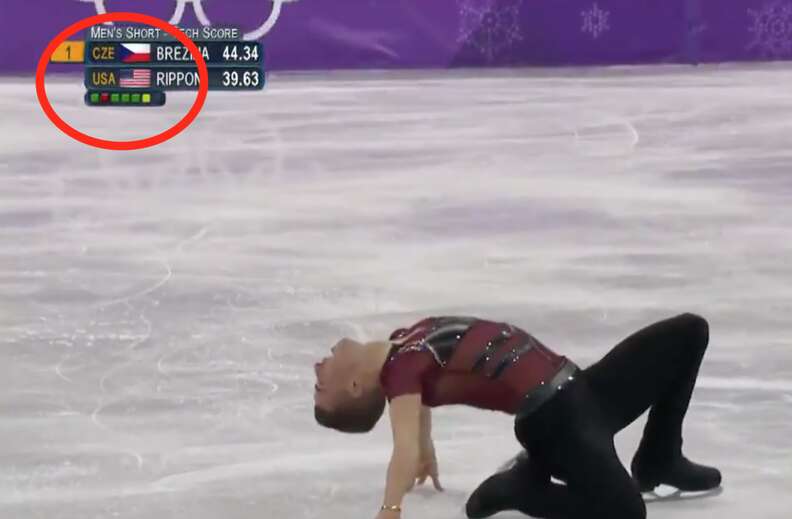
There are two main components: the Technical Element Score (TES) and the Program Component Score (PCS). The TES is for the actual jumps, spins, and lifts – the harder the move, the more points it’s worth. The PCS is more about the artistic side: how well they skate, their musicality, choreography, and overall performance quality. Think of TES as the "what" they do, and PCS as the "how" they do it.
Judges watch every move, and even small errors can lead to deductions. A wobbly landing, a slightly missed rotation on a spin, or a stumble can all impact the score. It’s a testament to the skaters’ dedication that they can perform such demanding routines with so few errors.

The Little Details Matter
It’s fascinating to see how much detail goes into judging. Judges aren’t just looking at the big leaps; they’re evaluating the flow between elements, the tightness of their spins, and the clarity of their edges on the ice. Even the way they hold their arms can be assessed. It’s a meticulous process, ensuring the best skaters truly earn their medals.
The Team Event: A Nation’s Pride on Ice
The team event is a relatively new addition to the Olympics, and it’s a fantastic way to see different disciplines come together. A team consists of skaters from one country competing in various disciplines: men's singles, ladies' singles, pairs, and ice dance. They all earn points for their performances, and the country with the highest total score wins.
It adds a different kind of pressure, as the skaters are not just competing for themselves, but for their entire nation. The camaraderie and support among teammates are often heartwarming to witness. It’s a great way to celebrate the collective talent of a country’s figure skating program.
This event really highlights the strengths of different disciplines within a single country. Sometimes a country might be particularly strong in singles skating but weaker in pairs, or vice versa. The team event gives everyone a chance to shine and contribute to a shared goal.
So, the next time you see ice skaters twirling and leaping on your screen, remember there’s a whole world of strategy, artistry, and heart behind those dazzling performances. It's a sport that can be both incredibly intense and wonderfully whimsical, a true testament to human dedication and the beauty of movement on ice.