Let’s be honest, there’s a certain morbid curiosity that kicks in when we hear whispers about a famous person. It's like a collective gasp, a shared moment of disbelief, and then… the scramble. Suddenly, everyone’s a detective, frantically scrolling, searching, and trying to separate fact from the internet's wild imaginings. Why do we do this? Perhaps it’s our way of grappling with mortality, of seeing that even those larger-than-life figures are, ultimately, human. Or maybe it’s just the sheer drama of it all, a real-life plot twist that captures our attention.
This fascination isn't just idle gossip; it serves a surprisingly practical purpose in our daily lives. In an age where misinformation can spread like wildfire, learning to verify celebrity death news is a crucial skill. It hones our critical thinking, teaches us to be discerning consumers of information, and frankly, saves us from the embarrassment of sharing a fake obituary. It’s about developing a healthy skepticism and a commitment to accuracy, even when the subject matter is as sensational as a celebrity passing.
We see this skill applied all the time, consciously or not. Think about the last time you saw a shocking celebrity death headline. Did you immediately accept it? Probably not. You likely clicked on a few more links, looked for corroboration from trusted sources, and waited for an official statement. This is the process in action! It's the same analytical approach you might use when evaluating political news, a product review, or even a health claim. It’s about building a mental checklist of credibility.
So, how can you become a more effective celebrity death news verifier? Here are a few practical tips to enhance your investigative journey:
First and foremost, look for multiple reputable sources. Don't rely on a single social media post or an obscure blog. Major news outlets like the Associated Press (AP), Reuters, BBC News, or established entertainment news sites like The Hollywood Reporter or Variety are generally reliable. If a celebrity has passed, these outlets will be among the first to report it, often with confirmations from their family or representatives.
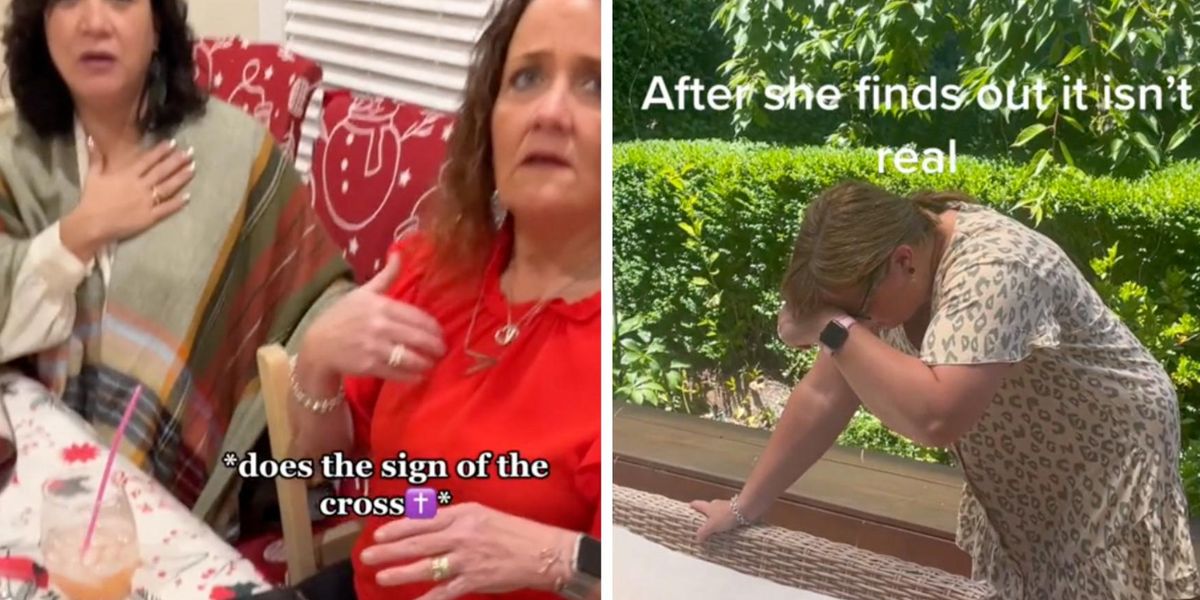
Secondly, be wary of sensational headlines and anonymous claims. If a headline screams "SHOCKING! [Celebrity Name] DEAD!" without any supporting details or a clear source, it's a red flag. Doubt everything that sounds too unbelievable at first glance.
Third, check for official statements. Celebrities and their representatives usually release official statements through their publicists, social media accounts, or official websites. Look for these direct confirmations. A tweet from a verified account of the celebrity’s spouse or close family member can also be a strong indicator.

Fourth, consider the timing and context. Sometimes, rumors can arise from misunderstandings or misinterpretations. If a story seems rushed or lacks specific details, it might be an unconfirmed report. Patience is a virtue in this context. Waiting a few hours can often clarify the situation and prevent the spread of false information.
Finally, use fact-checking websites. Resources like Snopes or PolitiFact, while not always focused on celebrity deaths, can sometimes debunk viral rumors. Their rigorous investigation methods can be a useful guide to spotting fake news in general.
By adopting these simple strategies, you can navigate the often-turbulent waters of celebrity news with confidence, becoming a more informed and responsible reader. It’s about more than just satisfying curiosity; it’s about contributing to a more accurate information ecosystem. So, the next time you encounter a celebrity death rumor, put on your detective hat and verify, verify, verify!