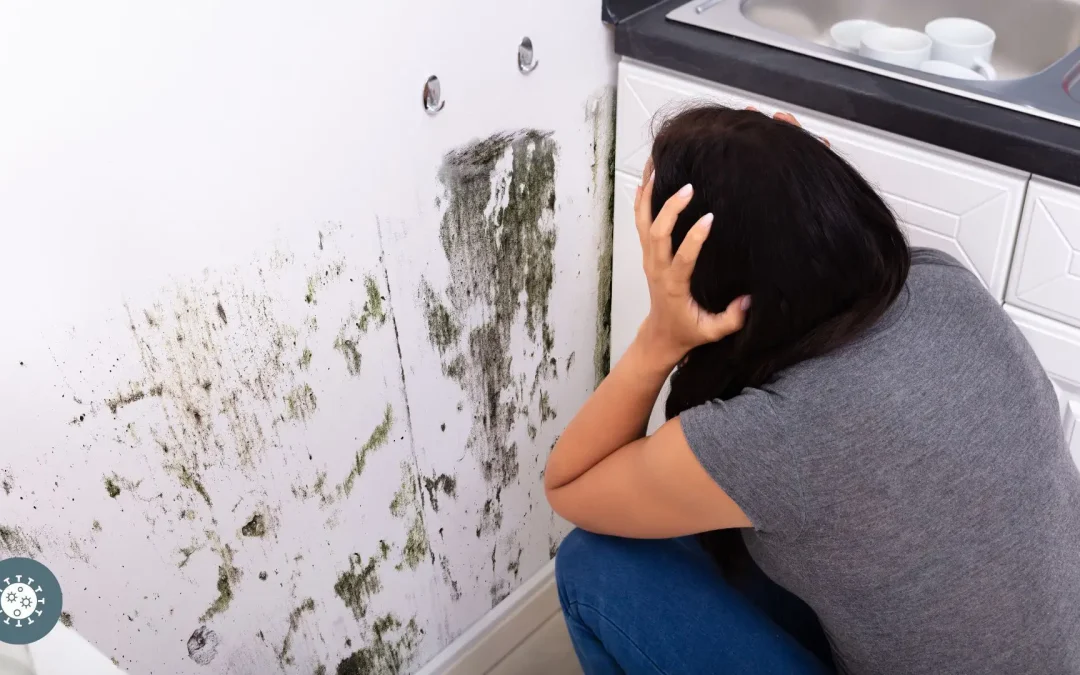
Hey there, fellow chill-seekers and home-proud pals! Let’s talk about something that’s definitely not as fun as brunch or a spontaneous road trip, but hey, it’s part of keeping our sanctuaries… well, sanitary. We’re diving into the slightly slimy world of black mould on walls. Don't freak out! Think of this as your friendly neighbourhood guide to banishing those pesky dark spots, all without turning your home into a hazmat zone.
You know that feeling when you’re scrolling through Pinterest, dreaming of pristine white walls and perfectly curated shelves, and then BAM! You spot it. A little patch of darkness creeping into the corner of your bathroom, or maybe lurking behind that beloved vintage armchair. It’s the uninvited guest none of us asked for, the moody teenager of your décor. But fear not, because with a little know-how and some gentle elbow grease, we can send this unwelcome visitor packing.
The Mystery of the Midnight Menace: Why Mould Appears
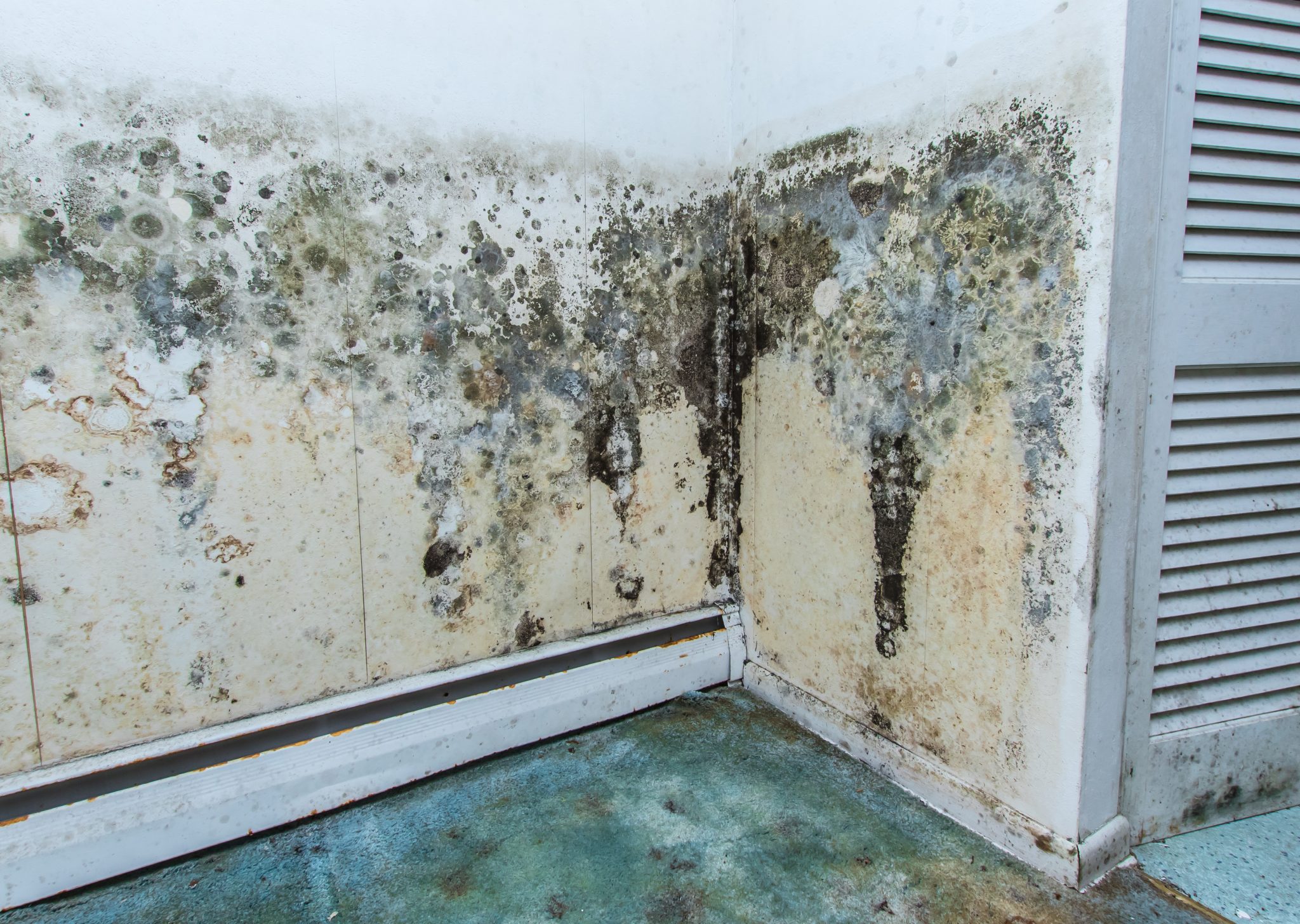
So, what’s the deal with black mould? Is it some ancient curse brought on by bad feng shui? Not quite! The main culprit is usually moisture. Think of it as mould's favourite cocktail: damp air + organic material (like your paint, wallpaper, or even dust) = mould party. This is why you often find it in places like bathrooms, kitchens, basements, and even around leaky windows. It’s the universe’s way of telling you, "Hey, buddy, it’s a bit too humid in here!"
Consider your home a living, breathing entity. Sometimes, it sweats. And when it sweats in the wrong places, mould can take root. It’s less about your housekeeping skills (though we’ll get to that!) and more about the environment. High humidity, poor ventilation, and condensation are the silent architects of mould growth. It’s like when you leave your favourite gym towel in your bag for too long – suddenly, it’s got a whole ecosystem going on. Same principle, just on your walls!
Did you know that mould spores are practically everywhere? They’re floating around in the air like tiny, invisible tumbleweeds. When they land on a damp surface with something to eat, they decide to settle down and start a family. And by "family," we mean a colony that can grow surprisingly quickly if left unchecked.
Your Eco-Warrior Arsenal: What You’ll Need
Before we get our hands dirty, let’s assemble your anti-mould squad. The good news is, you probably have most of this already, or it’s super easy to find. We’re going for effective, but also a little bit kinder to our planet and our lungs.
The Gentle Giants (Natural Solutions)
- White Vinegar: This is your MVP. It’s acidic enough to kill most mould species. Plus, it’s budget-friendly and smells way better than bleach (in my humble opinion!). Think of it as your kitchen ninja, battling grime and goo.
- Baking Soda: Another kitchen superhero. It's a mild abrasive and can help scrub away mould. It also absorbs moisture and odours, so it’s a triple threat!
- Tea Tree Oil: If you’re into essential oils, this is your secret weapon. It has powerful antifungal properties. A few drops in water can create a potent mould-fighting spray. It smells a bit medicinal, but it works wonders!
- Hydrogen Peroxide (3% solution): This is a bit stronger than vinegar but still a good option. It kills mould and can also help with stain removal. Just be careful, as it can lighten some surfaces.
The Heavy Hitters (When Needed)
- Mild Detergent: For general cleaning and removing surface dirt before tackling the mould.
- Scrub Brush or Stiff-Bristled Brush: To get into those nooks and crannies.
- Spray Bottles: Essential for applying your cleaning solutions evenly.
- Gloves: Protect your hands! Mould can be yucky.
- Mask: Especially if you're sensitive or dealing with a larger patch. Safety first, always!
- Old Rags or Sponges: For wiping and scrubbing.
- Bucket: For your cleaning solutions.
And a quick note on bleach. While it’s a common go-to, it’s also quite harsh. It can kill surface mould but might not penetrate porous materials effectively. Plus, the fumes can be pretty intense. If you’re going to use it, ensure excellent ventilation and never mix it with ammonia (that’s a big no-no!). For everyday mould issues, the gentler options are usually your best bet.
Operation: Mould Bust – Your Step-by-Step Guide
Alright, team, let’s get down to business. Imagine you're a detective, and mould is your suspect. We’ve got the intel, now we execute the plan.
Step 1: Preparation is Key
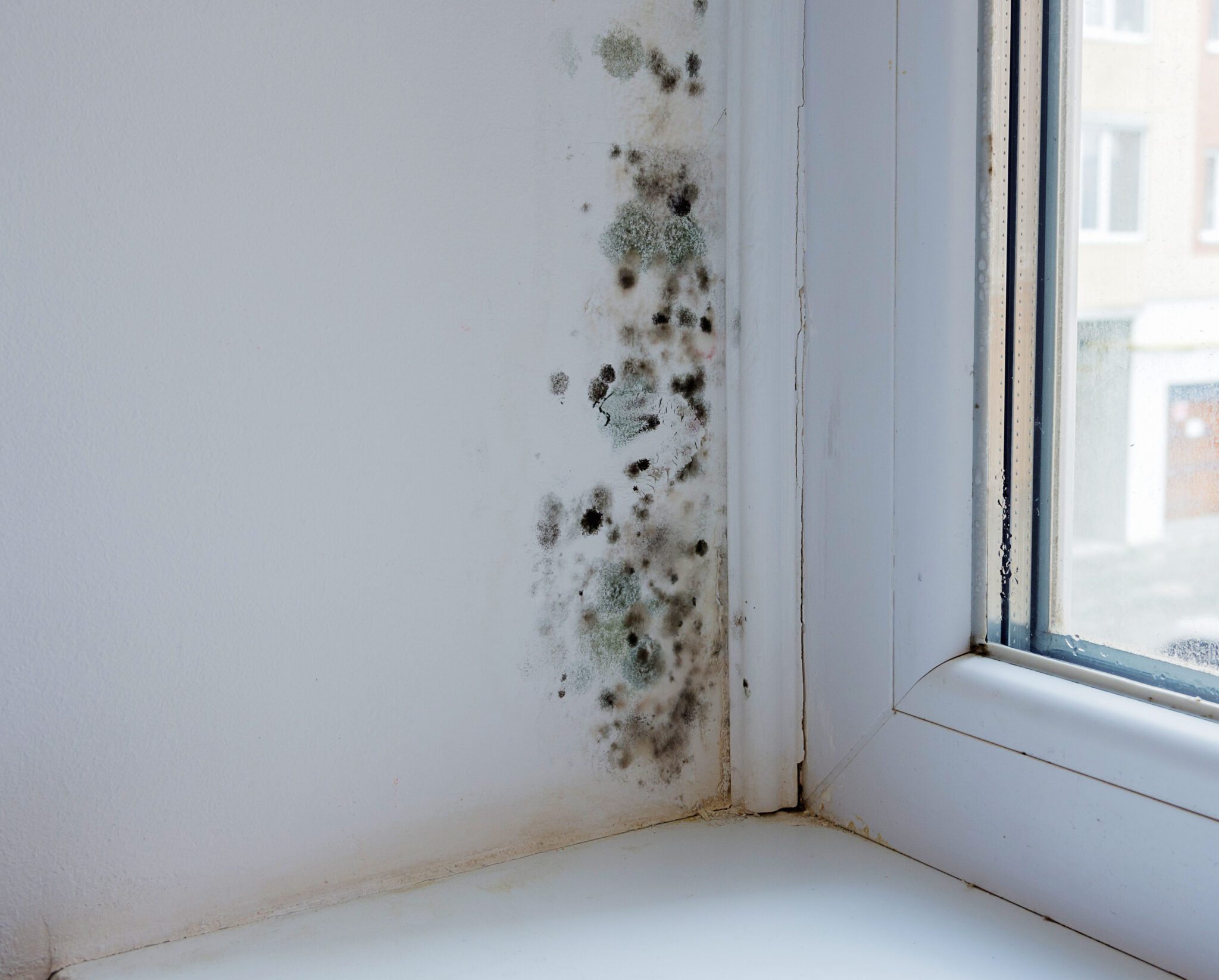
First, ventilate the area. Open windows and doors. If you have a fan, point it towards the window to help circulate air. This is crucial to prevent spores from spreading further into your home. Think of it as giving your home a good, fresh breath of air.
Next, protect yourself. Put on those gloves and your mask. Mould spores can be irritating, and we don’t want any unwanted respiratory souvenirs.
Step 2: Choose Your Weapon (Solution!)
For most situations, white vinegar is your best friend. Pour undiluted white vinegar into a spray bottle. Don't worry about the smell; it dissipates quickly and is much better than the alternative.
If you're tackling a slightly tougher spot or prefer an essential oil boost, mix one teaspoon of tea tree oil with one cup of water in a spray bottle. Shake well.
Another option is hydrogen peroxide. Pour a 3% solution into a spray bottle.
Step 3: Apply and Wait
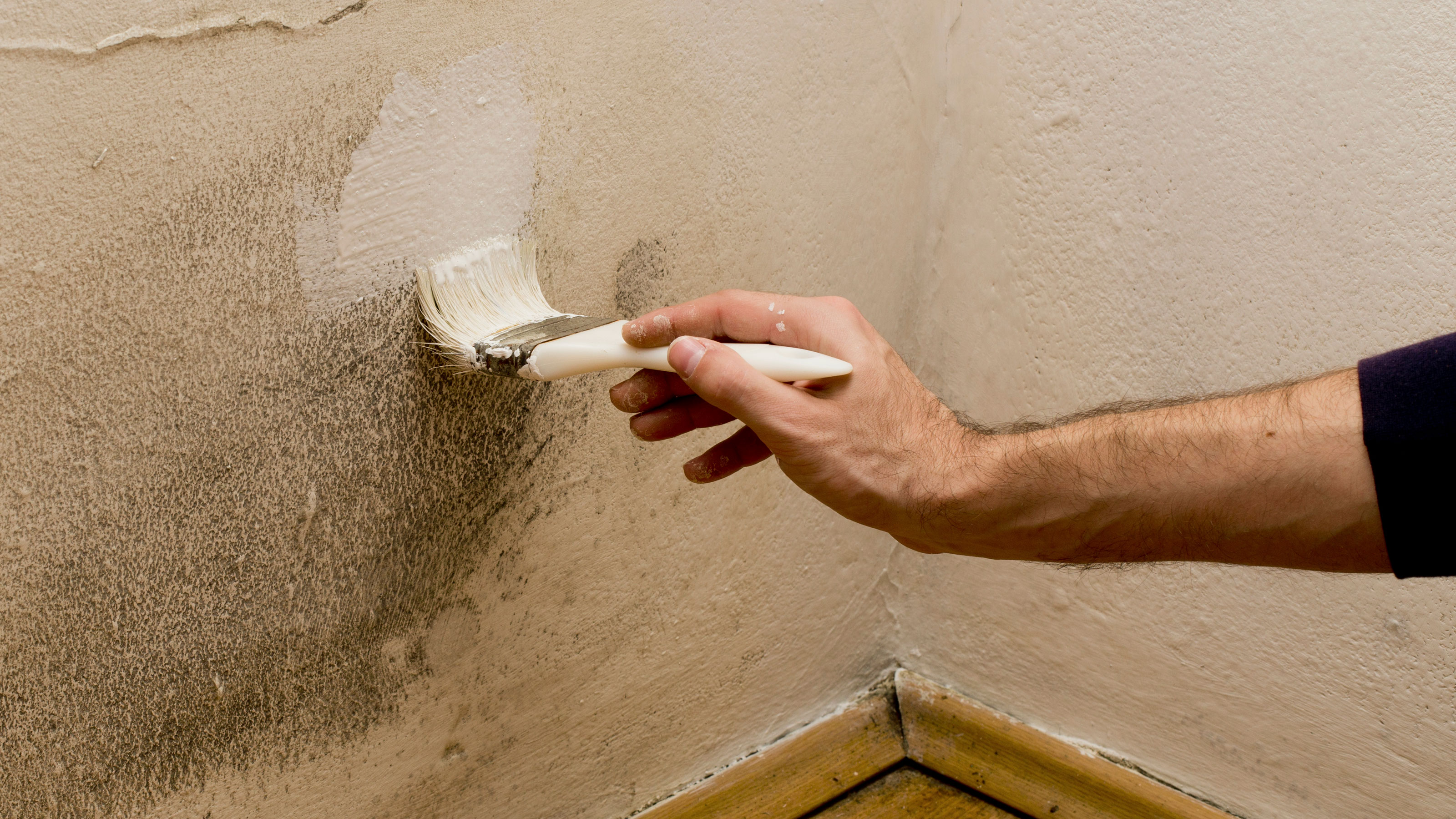
Spray your chosen solution directly onto the mouldy area. Don't scrub it yet! Let the solution sit for at least an hour. This gives it time to soak in and kill the mould spores. Think of it as letting your coffee steep perfectly – patience is a virtue!
/MoldInsideWalls-d40fdee134fd46cf9e9090bb3576e5c6.jpg)
This waiting period is where the magic happens. The vinegar or tea tree oil is actively breaking down the mould. It’s like a tiny, silent war being waged on your wall. You might even see the mould start to recede or change colour slightly.
Step 4: Scrub-a-Dub-Dub
After the waiting period, it's time to scrub. Use your stiff-bristled brush or a damp cloth to gently scrub away the mould. You don't need to attack it with all your might; the solution has already done most of the heavy lifting.
If you're using baking soda for extra scrub power, you can create a paste with water and apply it to the mouldy area before scrubbing.
Step 5: Rinse and Dry
Wipe the area clean with a damp cloth to remove any residue. Then, dry the area thoroughly. Use a clean, dry cloth or even a hairdryer on a cool setting. This is super important – you don't want to leave any lingering moisture for the mould to return.
Think of this as giving your wall a spa treatment. Cleanse, exfoliate (the scrubbing part!), and then moisturize (by drying it completely!).
Step 6: Inspect and Repeat (If Necessary)
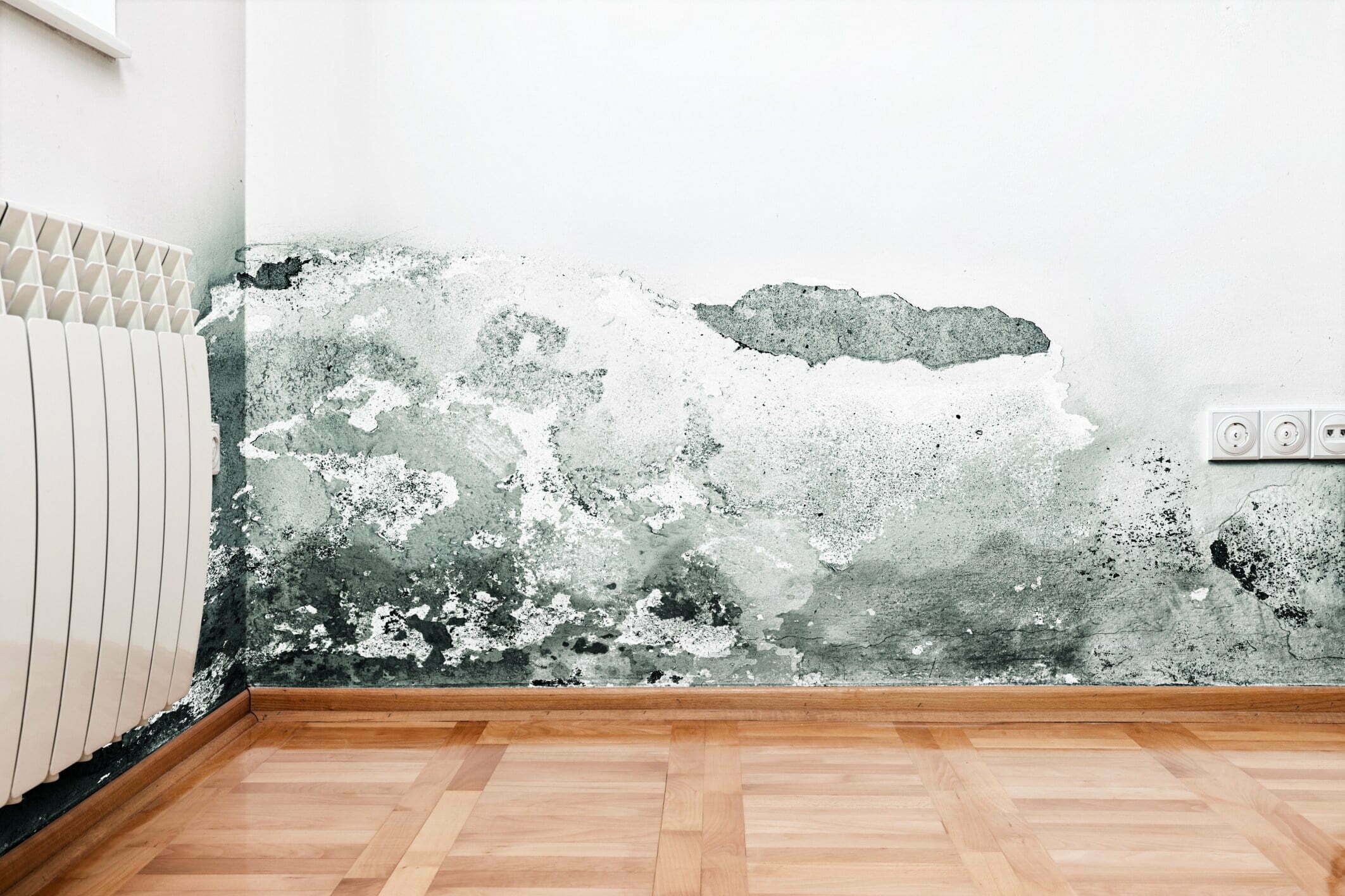
Once everything is dry, inspect the area. If you still see any traces of mould, repeat the process. Sometimes, it takes a couple of rounds, especially for stubborn patches.
If the mould is deeply embedded or the area is very large, you might need to consider more professional solutions or a stronger cleaning agent. But for most common household mould, this should do the trick.
Beyond the Fix: Prevention is Your New Best Friend
Now that you've banished the black mould, the real lifestyle upgrade is prevention. Nobody wants to do this regularly, right? Let's make our homes less appealing to these tiny invaders.
Ventilation, Ventilation, Ventilation!
This is your mantra. Always ensure good airflow. Open windows after showers, while cooking, and even for a few minutes each day. Use exhaust fans in bathrooms and kitchens. It's like giving your home a constant fresh breeze.
Humidity Control
Consider a dehumidifier, especially in damp areas like basements or bathrooms that don't get much natural light. Keep humidity levels below 50% if possible. It's a small investment for a significantly healthier home environment.
Think of it as curating your home’s microclimate. You wouldn't wear a parka in the Sahara, so why let your bathroom become a mini-rainforest?
Fix Leaks Promptly
That dripping tap or slightly damp patch around a pipe? Address it immediately. Even small leaks can create the perfect breeding ground for mould. It’s better to fix a minor issue now than a major mould infestation later.
Regular Cleaning
A good, regular clean can stop mould before it starts. Wipe down surfaces that tend to get damp, like shower walls, window sills, and kitchen backsplashes.
Insulate and Ventilate Windows
Condensation on windows is a big sign of humidity. Ensure good insulation and ventilation around them. Sometimes, even simply wiping down window frames regularly can make a difference.
Did you know that the ancient Romans actually used mould-inhibiting plaster in some of their buildings? They understood the importance of a healthy living environment, even back then!
A Little Reflection: Our Homes, Our Havens
Dealing with mould can feel like a chore, a little interruption to our otherwise fabulous lives. But in a way, it’s a gentle reminder. Our homes are our sanctuaries, our places of rest and rejuvenation. Taking care of them, even the less glamorous parts, is an act of self-care. It’s about creating a space that truly supports our well-being, a space where we can breathe easy, literally.
When we tackle these little imperfections, whether it's mould on a wall or a forgotten plant needing water, we're not just cleaning; we're nurturing. We're investing in our peace of mind and the health of our loved ones. So, the next time you spot that uninvited dark patch, remember: you’ve got this. A little vinegar, a bit of patience, and you’ll have your haven looking and feeling fresh again. Now, go forth and conquer that mould – then, maybe treat yourself to that well-deserved latte!