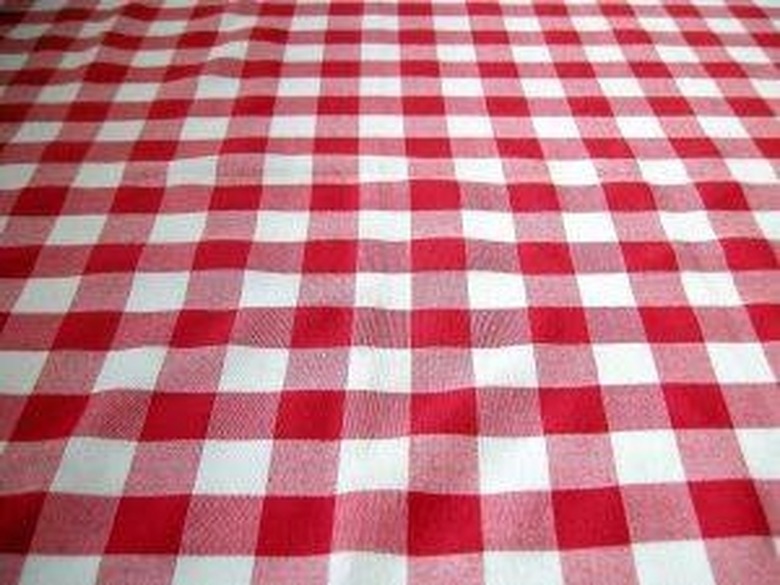
Ah, the vinyl tablecloth. A true hero of the modern household. It’s the unsung champion of messy brunches, spontaneous crafting sessions, and those impromptu pizza nights that somehow end with flour dusting the entire kitchen. We love it for its wipe-clean convenience, its resistance to spills that would send a delicate linen scurrying, and its general go-with-the-flow attitude. But let’s be honest, there’s one little snag in this otherwise perfect picture: those stubborn, unsightly creases that seem to appear out of nowhere the moment you unroll it.
Whether it’s from being folded away in a cupboard or the relentless folding and unfolding it endures, creases can turn your pristine tabletop into something that looks like it survived a minor earthquake. But fear not, fellow lovers of easy living! Getting those wrinkles to surrender is totally achievable, and we’re about to dive into a few delightful methods that will have your vinyl tablecloth looking smoother than a freshly poured latte.
The Gentle Art of Smoothing: Your First Line of Defense
Before we break out the big guns, let's start with the simplest approach. Sometimes, all your vinyl tablecloth needs is a little bit of love and a gentle hand. Think of it like coaxing a shy guest to join the party – a little encouragement goes a long way.
The most basic technique is simply to lay it flat. Find a large, clear surface. This could be your dining table itself (if it’s not currently in use, of course!), your kitchen counter, or even a clean floor space. Spread the tablecloth out as smoothly as possible, ensuring there are no underlying bumps or folds. Give it some time to naturally relax. Gravity is a powerful force, and sometimes, just letting the vinyl hang out flat for a few hours or even overnight can work wonders.
This method is particularly effective for newer tablecloths or those with only minor, superficial creases. It’s the equivalent of a good night’s sleep for your tablecloth – restorative and often all that’s needed to reset its posture.
The Power of Warmth: Embracing a Gentle Heat
Now, when gravity alone isn’t quite cutting it, it’s time to introduce a little warmth. Vinyl, bless its plastic heart, is somewhat susceptible to heat. This isn't about melting it into a puddle, mind you. It's about using just enough warmth to make the material more pliable, allowing those stubborn creases to ease out.
Method 1: The Hair Dryer Hug
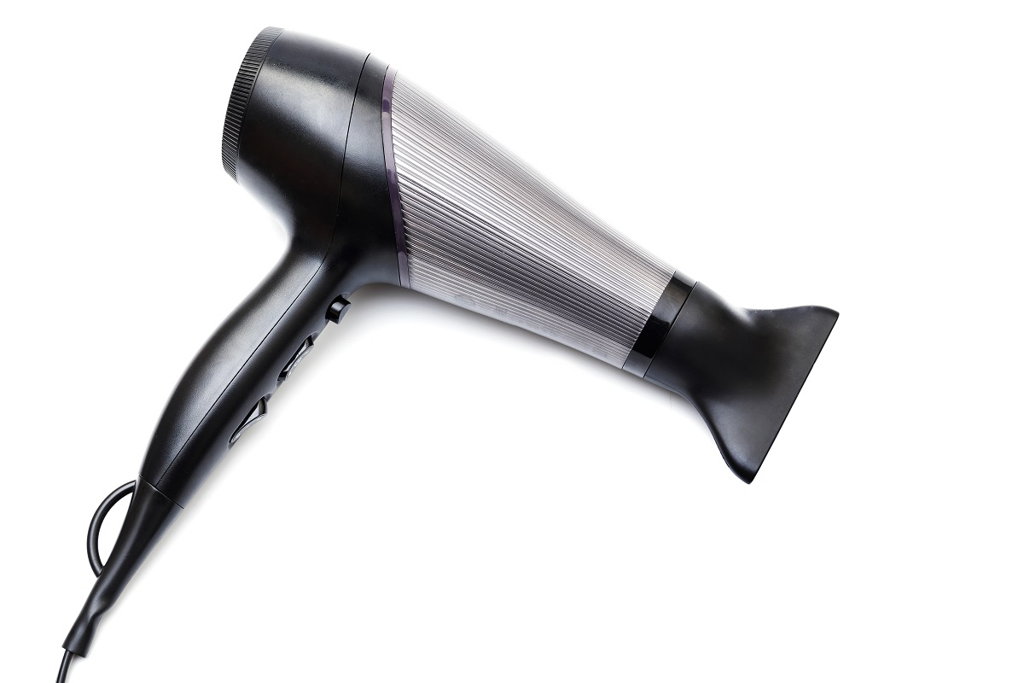
Your trusty hairdryer, that marvel of modern convenience used for everything from taming bedhead to drying socks in a pinch, can also be a superhero for your tablecloth. Set your hairdryer to a low or medium heat setting. Hold it a good 6-10 inches away from the vinyl. Gently move the hairdryer back and forth over the creased area. You’ll want to keep the air moving so you don’t concentrate the heat in one spot. As you warm the vinyl, use your hands to gently smooth out the crease. Think of it as giving the vinyl a warm, comforting embrace that helps it remember its smooth intentions.

This method is fantastic because it’s precise. You can target specific creases without having to heat the entire tablecloth. It’s like giving a personalized spa treatment to your vinyl friend. Just remember, patience is key. Work in small sections, and don’t rush the process. You’re aiming for pliable, not puddled.
Method 2: The Sun-Kissed Smoother
If you’re lucky enough to have a sunny day and a suitable outdoor space, nature offers its own gentle heating solution. Spread your vinyl tablecloth flat on a clean, dry surface outdoors, perhaps on a patio table or a large, flat deck. Let the sun do its work. The natural warmth of the sun can slowly and effectively relax the vinyl and encourage creases to disappear. You might want to place a few clean, flat objects (like books or tiles) around the edges to keep it from blowing away, but ensure they don't create new creases themselves!
This is perhaps the most eco-friendly and laid-back method. It requires minimal effort on your part, other than finding the right spot and perhaps checking on it periodically. It’s a beautiful reminder that sometimes, the most effective solutions are the ones that involve stepping back and letting nature take its course. Plus, who doesn’t love a bit of sunshine?
Method 3: The Warm Water Wonder (with caution!)
This method requires a bit more caution, but it can be very effective. You’ll need a spray bottle filled with lukewarm water (not hot!). Lightly mist the creased areas of the tablecloth. Then, lay it flat and gently smooth the creases with your hands. The slight moisture can help the vinyl fibers relax. For more stubborn creases, you can also gently dab the area with a soft cloth dipped in lukewarm water. After smoothing, allow the tablecloth to air dry completely, preferably spread out flat.

It’s crucial to emphasize lukewarm here. Boiling water is a definite no-go for vinyl and will likely cause damage. Think of it as a gentle misting, not a full soak. This method is akin to giving your skin a light spritz of hydrating mist on a dry day – it just needs a touch of moisture to feel refreshed and smooth.
The Weighty Approach: Letting Gravity Do More Heavy Lifting
Sometimes, a little bit of consistent, gentle pressure is all that’s needed to persuade those creases to pack their bags. This method is all about patience and strategic placement.
Once you’ve laid your tablecloth flat (as described in the "Gentle Art of Smoothing"), you can introduce some weight. The key here is to use flat, heavy objects that won’t imprint themselves onto the vinyl. Think large, smooth books, cutting boards, or even neatly stacked, flat decorative items. Place these weights strategically over the creased areas. The idea is to apply even pressure over time, allowing the vinyl to gradually flatten out.
This method is particularly good for those long, deep creases that can be a bit more tenacious. It’s like a gentle, persistent massage for your tablecloth. Just be sure that whatever you use as a weight is clean and doesn't have any sharp edges that could scratch the vinyl.
The Ironing Impossibility (and How to Get Close)
Now, let’s address the elephant in the room: ironing. For most vinyl tablecloths, direct ironing is a big no-no. The heat from an iron can quickly melt or warp the vinyl, turning a minor annoyance into a full-blown tablecloth catastrophe. So, unless your vinyl tablecloth has a specific "iron-safe" label (which is rare!), keep that iron safely stored away.

However, if you’re really craving that freshly ironed look and are using a heat method like the hairdryer or sun, you can achieve a similar effect by using a smooth, flat tool to press down on the vinyl as it warms. A clean, flat ruler or a thick piece of cardboard can work wonders. As you warm the fabric with your hairdryer, gently press and slide the ruler over the crease. This combines the heat and the pressure for a beautifully smooth finish, mimicking the effect of ironing without the inherent risks.
Cultural Tidbits & Fun Facts about Vinyl’s Versatility
Did you know that vinyl, or PVC (polyvinyl chloride), is one of the most widely produced synthetic plastic polymers in the world? It’s used in everything from window frames and flooring to medical tubing and, of course, our beloved tablecloths! Its versatility and durability have made it a staple in modern life, a testament to clever material science.
Historically, vinyl tablecloths gained popularity in the mid-20th century as a more affordable and practical alternative to traditional fabric options. They represented a move towards a more convenient, "do-it-yourself" lifestyle, where easy cleaning and low maintenance were highly valued. Think of them as the democratic answer to fancy dining, making everyday meals feel just a little bit more special without the fuss.
And for a fun little fact: The distinct "plasticky" smell of new vinyl is often due to plasticizers, which are added to make the material more flexible. While the smell can be strong initially, it usually dissipates over time and is generally considered harmless. So, that new tablecloth smell? It’s just the scent of convenience!
Preventative Measures: Keeping Creases at Bay
The best way to deal with creases is, of course, to prevent them in the first place. While it’s not always possible to avoid them entirely, a few simple habits can make a big difference:
- Roll, Don’t Fold: Whenever possible, store your vinyl tablecloth rolled around a cardboard tube. This is the gold standard for wrinkle prevention. It’s like giving your tablecloth its own personal sleeping bag, keeping it smooth and ready for action.
- Hang It Up: If rolling isn’t an option, try hanging your tablecloth over a wide hanger, ensuring the weight is distributed evenly.
- Unroll Promptly: When you bring your tablecloth out for a meal or activity, unroll it as soon as possible. Give it time to relax before guests arrive or the crafting begins.
- Wipe Down and Dry: After spills, wipe down your tablecloth thoroughly and allow it to air dry completely before folding or storing it. Dampness can sometimes contribute to crease setting.
These little preventative steps are like a good skincare routine for your tablecloth – they keep it looking its best and prolong its lifespan. Who knew such a practical item could benefit from a little bit of pampering?
A Reflection on Smoothness in Life
It’s funny how we spend so much time and effort trying to smooth out the creases in our vinyl tablecloths, isn’t it? And perhaps there’s a gentle metaphor in there for our own lives. We all encounter wrinkles – the unexpected challenges, the moments that fold us in ways we didn’t anticipate, the creases of worry that can settle onto our faces.
Sometimes, a bit of gentle warmth, a patient approach, and strategic weight can help smooth those out. Other times, it’s about letting things lie flat, trusting that over time, with a little bit of sunshine and perspective, the lines will soften. And sometimes, it's simply about learning to embrace the texture, knowing that the imperfections are part of the story.
So, the next time you find yourself battling a stubborn crease on your vinyl tablecloth, take a deep breath. You’ve got this. And remember, a smooth tablecloth is a beautiful thing, but so is a life lived with a little bit of character, even with a few gentle wrinkles here and there. Now, go forth and enjoy your beautifully smooth tabletop!