Alright, chainsaw wizards and wood-chopping adventurers! Ever feel like your trusty Craftsman chainsaw is a bit, shall we say, temperamental? Like it’s got a mind of its own, sputtering and coughing when you just want to slice through that fallen branch like a hot knife through butter? Well, fear not, for today we're diving into the wonderful, slightly greasy world of carburetor adjustment. It’s not as scary as it sounds, I promise! Think of it like tuning up your favorite, slightly cantankerous, but ultimately reliable old car.
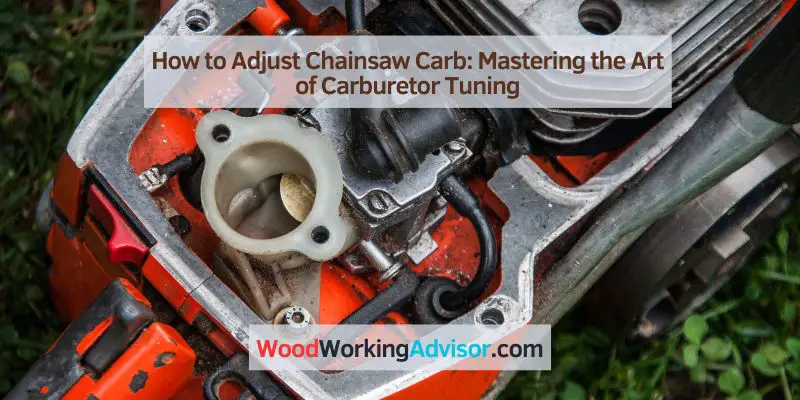
Your chainsaw's carburetor is its tiny, magical fuel mixer. It’s the unsung hero responsible for making sure your beastly saw gets just the right blend of gasoline and air. When this magical blend goes wonky, so does your saw’s performance. It might be sluggish, it might be running too fast, or it might just decide to throw a full-blown tantrum and quit altogether.
So, when do you know it's time to give your carburetor a little loving adjustment? If your saw feels like it's struggling to get going, or if it dies when you let off the throttle, it's a good sign. Maybe it's a bit rough at idle, like a nervous opera singer before their big solo. Or perhaps it screams at maximum RPMs with a frantic, unhinged energy that's frankly a little alarming.
The culprit is often those little screws on the carburetor. They're not just there for show, folks! These are your magical adjustment knobs, your chainsaw's mood rings. There are usually two main characters in this screw drama: the idle speed screw and the idle mixture screw(s). Sometimes there's just one mixture screw, sometimes there are two. It depends on the vintage and model of your magnificent Craftsman.
The Great Screw Hunt!
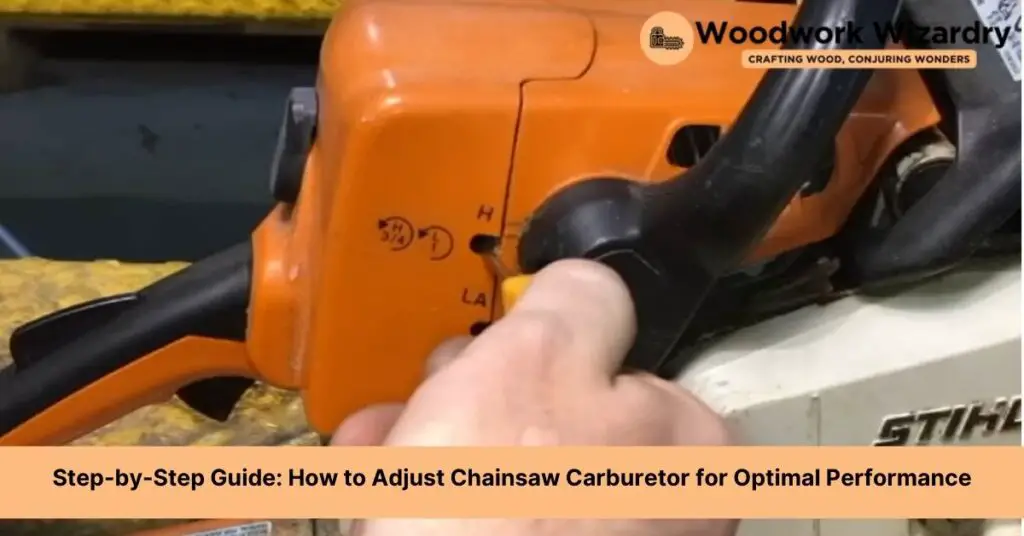
First things first, you need to locate these elusive screws. They're usually on the side of the carburetor, a little cylindrical gizmo that looks like it belongs on a tiny alien spaceship. They’re often marked with an ‘L’ for low speed and an ‘H’ for high speed, or sometimes just a ‘T’ for idle speed. Your Craftsman manual, if you can find it amidst the sawdust and dreams of firewood, is your best friend here. It’s like a treasure map for your saw’s inner workings.
If you're rocking a super-modern Craftsman, you might have some fancy, tamper-proof screws that are a pain in the derrière to adjust. These are designed to keep you from messing with perfection, but they can be overcome with a bit of ingenuity and a tiny screwdriver. For the more traditional models, you'll likely be dealing with good old-fashioned screws that are begging for a little turn.
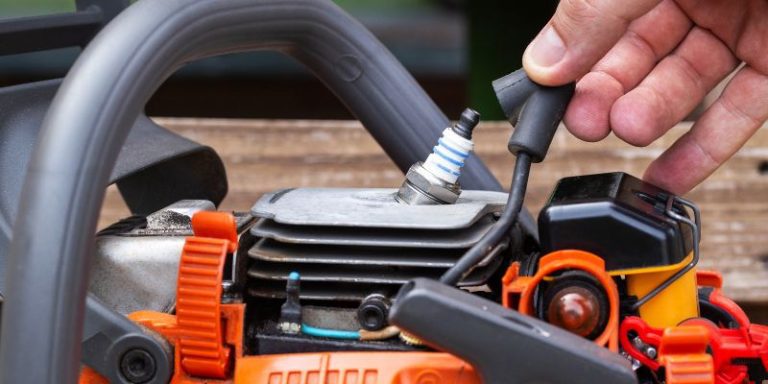
Before we get our hands dirty, safety first, always! Make sure your saw is on a flat, stable surface. No adjusting your carburetor while it’s perched precariously on a wobbly log, unless you’re aiming for a career in extreme sports with your chainsaw. Also, make sure the spark plug wire is disconnected. We don't want any unexpected, enthusiastic revving while we're fiddling.
Taming the Idle Speed Beast
Let’s start with the idle speed screw, often marked with a ‘T’. This little guy controls how fast your engine idles when you’re not holding the trigger down. If your saw is dying when you let go of the throttle, this screw is probably your main man. It's like the volume knob for your saw's quiet time.
You’ll typically want to turn this screw clockwise to increase idle speed and counter-clockwise to decrease it. Imagine you’re gently coaxing a shy kitten out of hiding – a little turn goes a long way. We're aiming for a nice, steady hum, not a frantic buzz that sounds like an angry beehive.
Connect the spark plug wire, start your saw, and let it warm up for a few minutes. It needs to get nice and toasty before we can accurately assess its mood. Then, let off the throttle and see what happens. Does it die? Does it chug along like a tired old donkey?
If it dies, give the idle speed screw a tiny clockwise turn. Just a quarter turn is usually plenty. Try again. If it’s still struggling, try another small turn. We’re looking for that sweet spot where the engine idles smoothly and consistently without sounding like it’s about to launch into orbit.

If your saw is revving like a race car at idle, you'll need to turn the idle speed screw counter-clockwise. Again, small adjustments are key. We don't want to go from a race car to a parked bicycle overnight. We’re aiming for a gentle purr.
Wrangling the Idle Mixture (The Spicy Bit!)
Now for the slightly more intricate dance: the idle mixture screw(s). These screws, often labeled ‘L’ for low speed, control the ratio of fuel to air when your saw is idling or just off idle. This is where things get a little more sensitive, like adjusting the seasoning on a gourmet meal.
The general rule of thumb is to turn these screws until the engine runs the smoothest. Too lean (not enough fuel) and the engine will sound rough, possibly overheat, and might even seize up like a rusty hinge. Too rich (too much fuel) and it will run poorly, smoke a lot, and generally be a sad, soggy mess.
Start by turning the idle mixture screw(s) all the way in (clockwise) until they gently seat. Don't crank on them like you're trying to win a wrestling match! Just until you feel a slight resistance. Then, back them out a specific number of turns. Often, the manual will suggest something like 1 to 1.5 turns out.

Now, start your saw and let it warm up again. Listen closely to its song. If it’s sputtering and rough, try turning the idle mixture screw(s) out a tiny bit (counter-clockwise). If it sounds sluggish or you see excessive smoke, try turning them in a tiny bit (clockwise).
The goal here is to find the point where the engine runs with the most consistent and highest RPMs at idle. You might need to go back and forth between turning the mixture screw and then fine-tuning the idle speed screw. It's a delicate balancing act, a chainsaw tango!
Some folks like to use a tachometer for this, which is a fancy gadget that measures RPMs. If you have one, great! If not, your ears are your trusty instruments. Listen for that smooth, even hum. You're looking for the point where the engine speed is highest and most stable.
The High-Speed Tango
If your saw also struggles at full throttle, you'll need to adjust the high-speed mixture screw (often labeled ‘H’). This is similar to the low-speed mixture, but it affects the fuel mixture when the engine is running at high RPMs. Again, we’re aiming for that perfect blend.
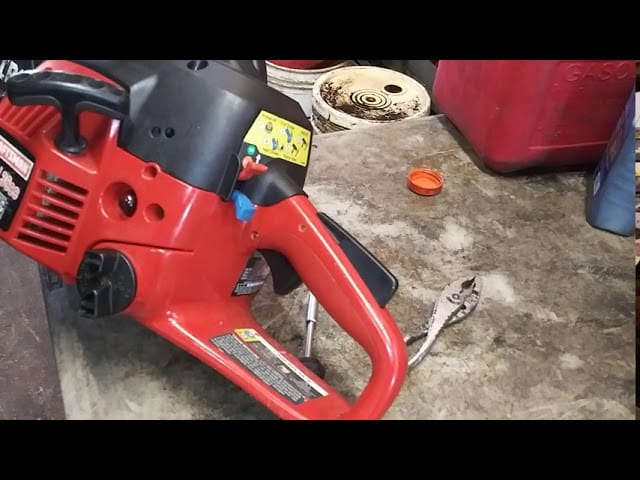
Generally, turning the ‘H’ screw in (clockwise) leans out the mixture, and turning it out (counter-clockwise) richens it. If your saw is bogging down or hesitating when you open it up to full throttle, it might be running too lean. You’d want to turn the ‘H’ screw out a tiny bit. If it’s sputtering or sounding like it’s drowning in fuel, it might be too rich, and you’d turn the ‘H’ screw in.
Be extra careful with the high-speed adjustment. A lean mixture at high RPMs can cause the engine to overheat and seize, which is about as much fun as a papercut in your eye. It’s better to be a tiny bit rich than too lean when it comes to high speeds.
Remember, these adjustments are often sequential. You might adjust the idle speed, then the low-speed mixture, then the high-speed mixture, and then go back and fine-tune the idle speed again. It’s a bit like a chef tasting and adjusting their soup until it’s just right.
So there you have it, chainsaw warriors! A little patience, a few turns of those magical screws, and your Craftsman chainsaw will be purring like a happy, wood-munching kitten. You’ve just conquered the carburetor, and that, my friends, is a cause for celebration! Go forth and chop with confidence!