So, you've got one of those fancy zero-turn mowers, huh? The kind that hugs those tight corners like a pro and makes mowing your lawn feel less like a chore and more like a high-performance ballet? Yeah, I get it. They’re awesome. But just like your trusty car or that squeaky bike you love, your zero-turn needs a little bit of TLC to keep it humming along. And one of the most important, yet often overlooked, bits of that TLC is the hydraulic oil.
Now, I know what you might be thinking. "Hydraulic oil? That sounds… complicated. And a little bit messy." And you're not wrong! It can feel a bit intimidating, like trying to decipher the instructions for assembling a flat-pack piece of furniture. But stick with me, because understanding how often to change that hydraulic oil is actually pretty darn important for keeping your lawn-mowing sidekick happy and healthy. Think of it as giving your mower a refreshing spa treatment!
Why Should You Even Care About This Gooey Stuff?
Imagine your zero-turn's transmission is like your body's circulatory system. The hydraulic oil is the blood, circulating around, keeping everything moving smoothly. It’s not just there for show; it’s doing some seriously heavy lifting.
First off, it lubricates. Just like you wouldn't go for a run without stretching your muscles, your mower's hydraulic system needs its parts to slide and glide effortlessly. Without proper lubrication, things start to grind. And nobody wants a grinding sound coming from their prized mowing machine, right? That's the sound of parts wearing down faster than a kid's favorite superhero cape after a week of intense play.
Secondly, it cools. All that hard work your mower does, especially on a hot summer day, generates heat. The hydraulic oil absorbs and carries away a lot of that heat, preventing your mower from overheating. Think of it like your AC unit on a sweltering July afternoon – essential for keeping things comfortable and functioning.
And finally, it cleans. As parts move, tiny bits of metal and other debris can flake off. The hydraulic oil acts like a little janitor, picking up all this gunk and carrying it to the filter to be removed. A clean hydraulic system is a happy hydraulic system.

So, When Does This "Blood" Need a Refresh?
This is the million-dollar question, isn't it? And like most good questions, the answer isn't a simple, one-size-fits-all number. It’s more of a "it depends" situation, but we can definitely give you some solid guidelines.
The Manufacturer's Word is Gold
The very best place to start is your mower’s owner's manual. Seriously, that thick booklet you might have shoved in a drawer somewhere? Pull it out! It’s got all the nitty-gritty details specific to your make and model. Most manufacturers will recommend a timeframe, often measured in operating hours. This is usually the most accurate and reliable recommendation.
Why operating hours? Because mowing your lawn for 10 hours straight on a flat, manicured yard is a lot different than mowing 10 hours on a steep, bumpy hill with overgrown weeds. The amount of strain on the hydraulic system is vastly different.

The "Roughly" Rule of Thumb
If you can't find your manual (we’ve all been there, right? Maybe it fell victim to a mischievous toddler or a mischievous squirrel), there’s a general guideline for many zero-turn mowers. It’s often somewhere in the range of 200 to 400 operating hours. Some might even go up to 500 hours. But again, this is just a general idea. Your manual is king!
Think of it like this: If your car needs an oil change every 5,000 miles, but you mostly drive it in stop-and-go city traffic where the engine is constantly working harder, you might consider changing it a bit sooner. Same principle applies here.
What Else Can Give You a Hint?
Beyond the recommended hours, there are some visual cues and performance changes that can tell you it's time for a hydraulic oil change:
The Color and Condition of the Oil
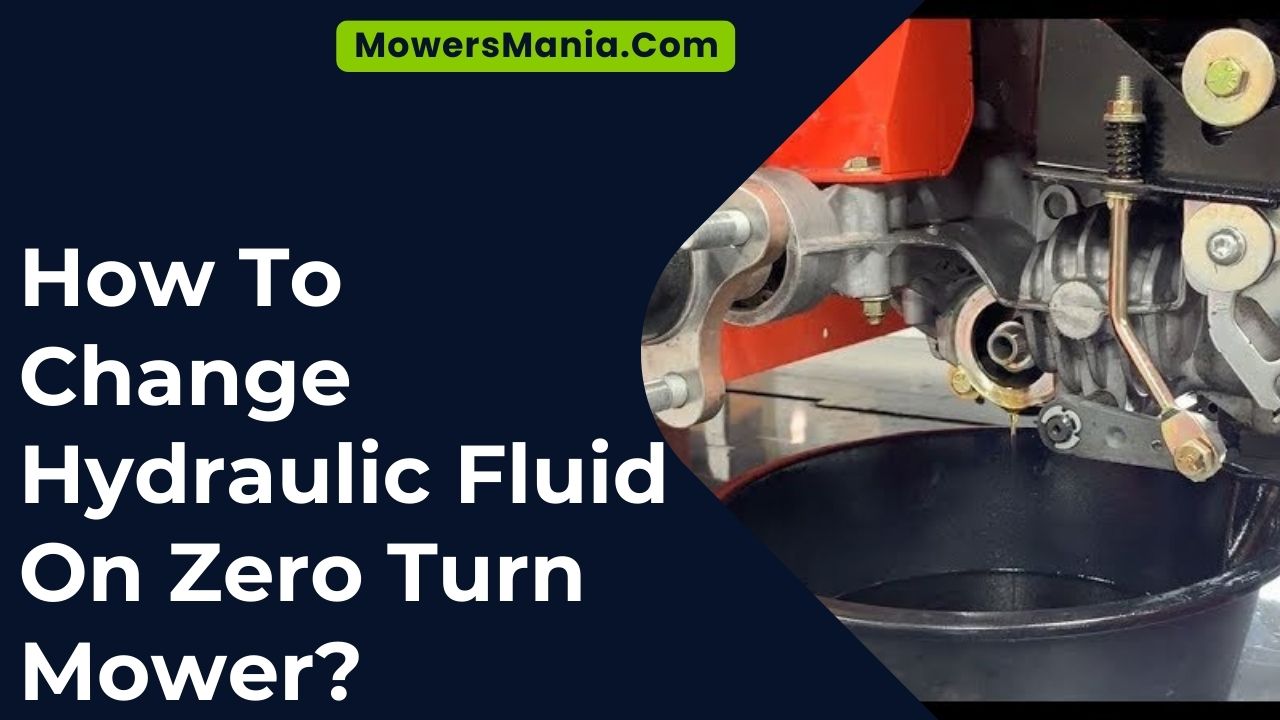
If you can, check the hydraulic oil's color. New hydraulic oil is typically a clear or slightly amber color. Over time, it degrades. If it starts to look dark, milky, or even burnt, that’s a big red flag. Milky oil can indicate water contamination, which is terrible for your system. Burnt oil means it's been working too hard and is losing its lubricating properties.

Imagine if your coffee turned black and thick after a few weeks without being stirred or cleaned – you wouldn’t want to drink that, and your mower doesn’t want to run with that kind of oil!
Performance Sluggishness
Is your mower feeling a bit… tired? Are the steering and drive systems becoming less responsive? Does it feel like it’s struggling to get going, especially on inclines? This could be a sign that your hydraulic oil is worn out and not doing its job effectively. It’s like when you’re feeling drained after a long day – you’re not operating at peak performance either!
If your zero-turn’s turning radius starts to feel more like a wide arc and less like a tight circle, pay attention! That’s the hydraulics telling you something’s up.
Unusual Noises
As we mentioned before, grinding or whining sounds are never a good sign. These can be early indicators of failing hydraulic components, often exacerbated by old, degraded oil.
How Often is "Often" Really?
For most homeowners who use their zero-turn mower a few times a month during the mowing season, a yearly change is often a good practice, even if you haven't hit the maximum operating hours. It's a bit like changing the batteries in your smoke detector – better to do it proactively than wait for an emergency.
If you have a really large property, or if you use your mower for more demanding tasks like a landscaping business, you'll definitely be hitting those operating hour recommendations much faster and will need to stick closer to those guidelines.
The Bottom Line
Taking care of your zero-turn's hydraulic oil isn't some arcane ritual performed by grease-covered wizards. It's a simple, yet crucial, maintenance step that can save you a lot of headaches (and money!) down the road. A little bit of attention now can mean years of smooth, powerful mowing. So, next time you’re admiring that perfectly cut lawn, remember the unsung hero: the hydraulic oil. Give it some love, and it will keep your zero-turn performing like the lawn-conquering champ it is!