So, you've got a fuzzy little ball of energy bouncing into your life, or maybe you're just dreaming of that day. Puppies! Aren't they just the cutest? And when we think about these tiny bundles, a question that often pops up is: "How long should they stay with their mama?" It sounds like a simple question, but it's actually a really big deal for our little furry friends. Think of it like this: would you send your toddler off to kindergarten the day they were born? Probably not! They need time to grow, learn, and get cozy with their first family. Puppies are no different.
This time with their mom and littermates is like puppy preschool. It's not just about snuggling and getting milk (though that's pretty important too!). It's where they learn all the crucial life skills they'll need to navigate the big, wide world. This is where they learn how to be a dog, in the most fundamental way.
The Nitty-Gritty: What Happens in Those Early Weeks?
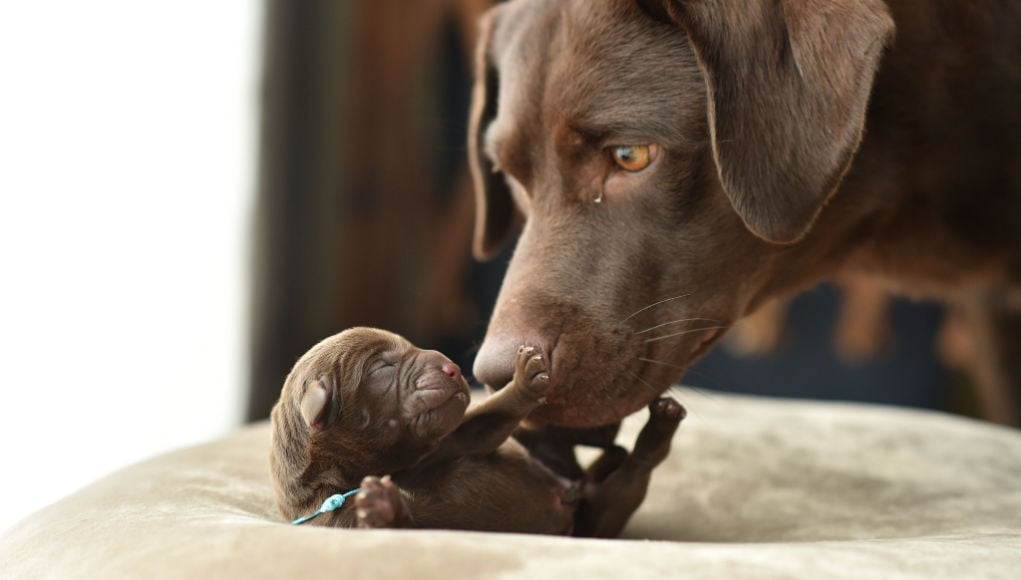
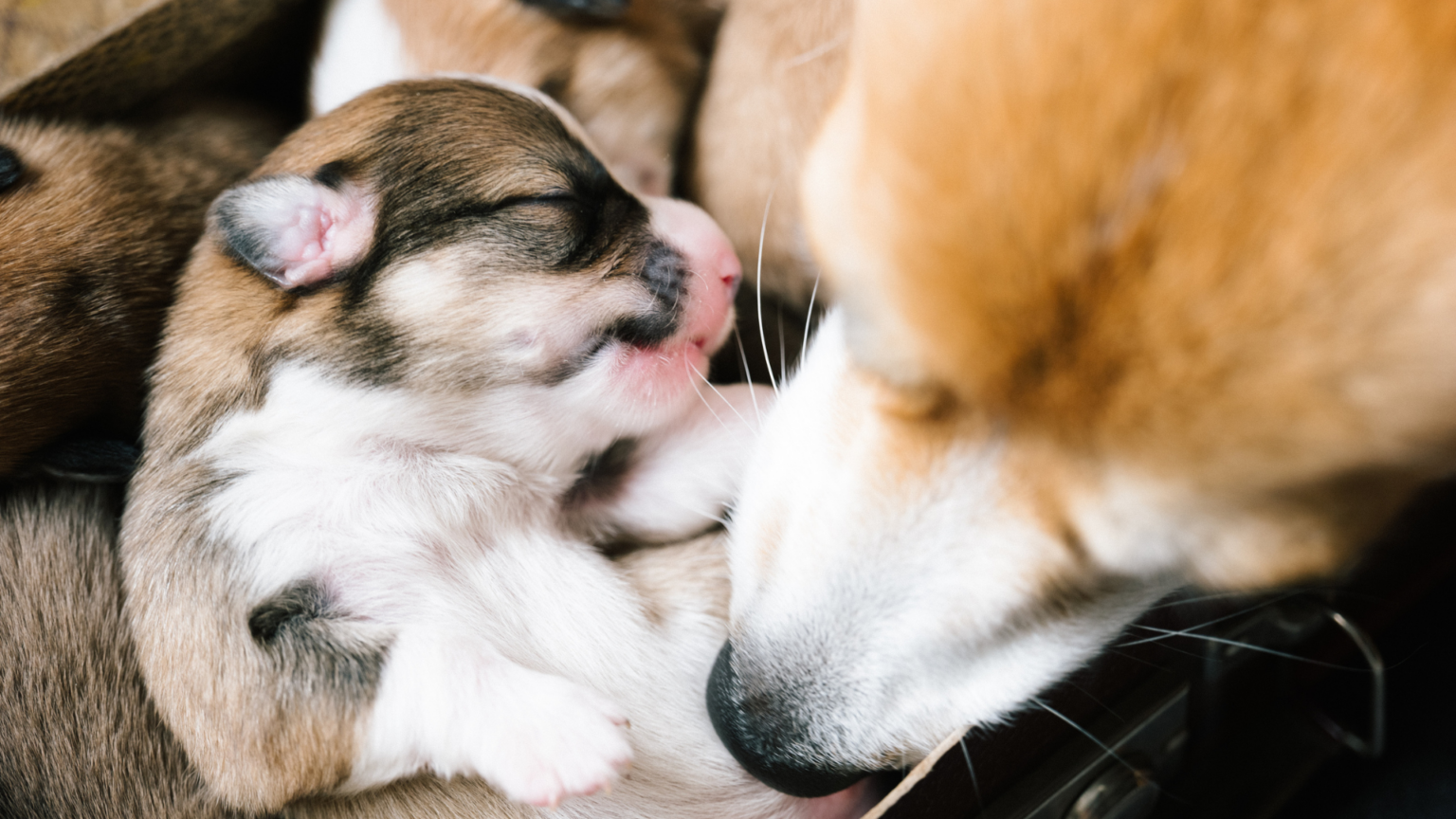
From the moment they arrive, puppies are practically glued to their mom. She’s their everything – their chef, their heater, their protector, and their first teacher. In the first few weeks, it’s all about survival. They’re blind and deaf, and their world is pretty small, revolving around nursing and sleeping. Their mom keeps them warm, cleans them up, and stimulates them to go to the bathroom. It’s a full-time, around-the-clock job!
Around 3-4 weeks old, things start to get interesting. The pups’ eyes open, their ears perk up, and their wobbly legs get a bit stronger. This is when the real learning begins. Imagine a tiny toddler discovering their feet for the first time – that's kind of what it’s like for them. They start to explore their surroundings, their siblings become playmates (and sometimes wrestling partners!), and they begin to observe their mom’s every move.
Learning the Ropes from Mom and Siblings
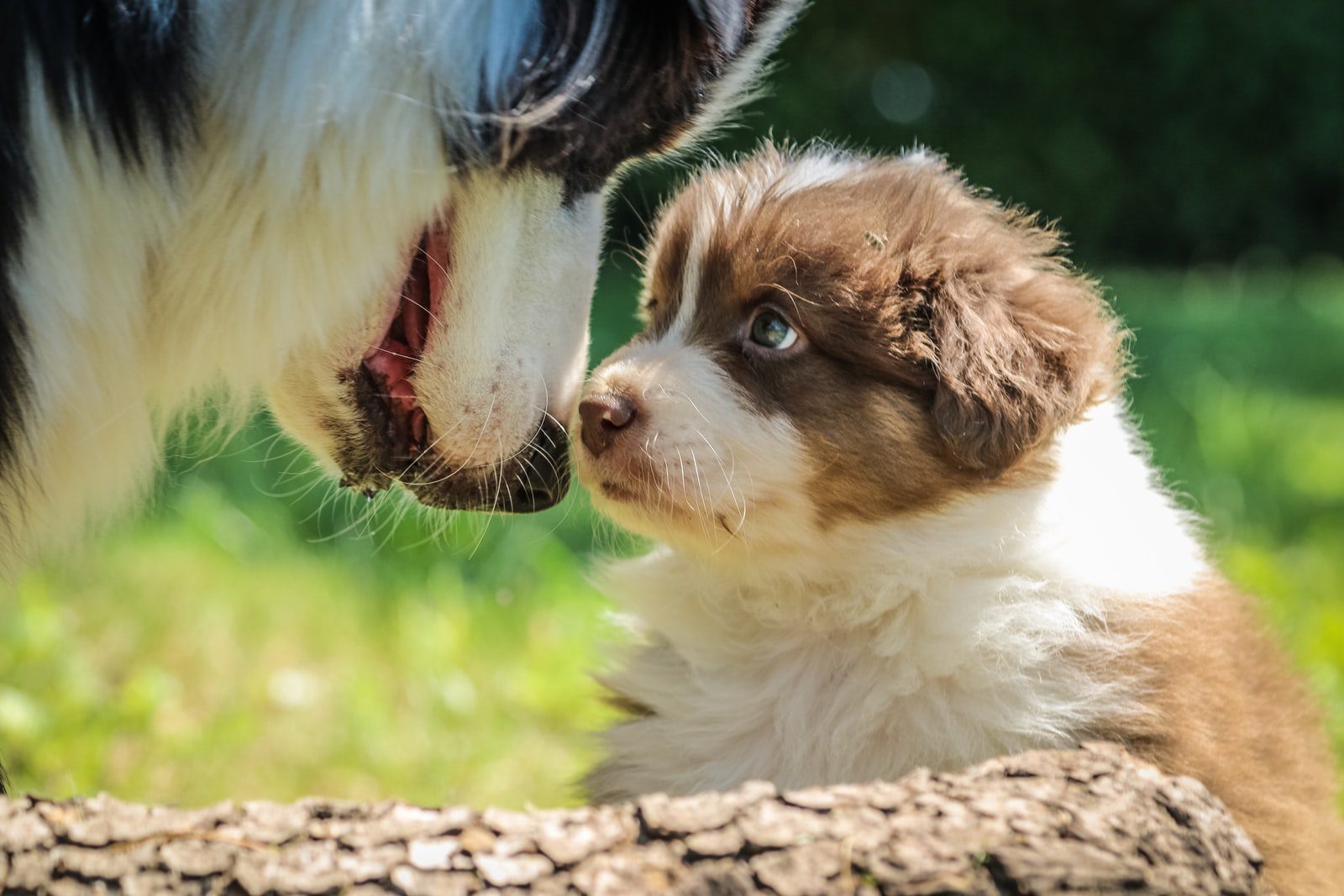
This is where the magic happens. When a puppy accidentally nips too hard during play, their mom or a sibling might let out a yelp or withdraw. This is their first lesson in bite inhibition. It's like learning that if you push your friend too hard on the swings, they might get off and go play with someone else. They learn to moderate their bite, which is super important for them not to hurt humans or other animals later on. Without this, they might grow up thinking it's okay to be too rough.

They also learn social cues. Watching their mom interact with people or other dogs teaches them how to behave. They see how she greets, how she responds to certain sounds, and how she navigates different situations. It’s like watching your older sibling ace a test and then trying to copy their study habits. They learn from observing and imitating.
And let’s not forget about house-training! Puppies naturally start to move away from their sleeping and eating areas to eliminate. Their moms often encourage this by licking them in a specific spot or nudging them outside. It's like a little nudge in the right direction, setting them up for success when they move to their new homes. It’s a gradual process, and their mom is the best teacher for this early stage.
The Golden Window: When is the Right Time to Say Goodbye?
Most experts agree that puppies should spend at least 8 weeks with their mother and littermates. Why 8 weeks? It’s often considered the sweet spot, a magical period where they’ve learned enough from their first family but are still adaptable enough to form strong bonds with their new humans. This 8-week mark is crucial because it allows them to develop those essential social and behavioral skills.

Imagine a little bird learning to fly. They practice flapping their wings in the nest, getting stronger and more confident. Then, they take that first leap, guided by their parents. If they’re pushed out of the nest too early, they might not be ready for that flight. Similarly, if a puppy is separated from its mom too soon – say, at 4 or 5 weeks – they miss out on vital learning opportunities. They might become more anxious, have trouble with socialization, or even develop behavioral issues down the line.
Think about it like this: if you were learning a new language, and you were only allowed to practice with a few basic phrases for a short time before being thrown into a full conversation, you’d probably be pretty overwhelmed, right? Puppies need that extended period of learning and immersion with their first family. This is their puppy immersion program.

The Sad Truth About Early Separations
Unfortunately, some puppies are still sent to new homes way too early. This can happen for various reasons, but the consequences can be serious. Puppies separated before 8 weeks often lack confidence. They might be more prone to fear aggression because they haven't learned how to read social cues properly. They might also struggle with potty training because they didn't get enough consistent guidance from their mom.
It’s like skipping the foundational chapters of a book and then trying to understand the plot. You’ll be missing crucial context and might get confused. For a puppy, those early weeks are the foundational chapters of their life story. They learn about trust, boundaries, and how to interact with the world. When this is cut short, it’s a disservice to their well-being and future happiness.
A responsible breeder will never let a puppy go before 8 weeks. They understand the importance of this developmental stage and prioritize the puppy’s health and happiness above all else. If someone is trying to sell you a puppy younger than 8 weeks, it's a huge red flag. It’s a sign they might not be prioritizing the well-being of their animals.

Why Should You Care About This?
You might be thinking, "Okay, so they stay with mom a bit longer. What's the big deal for me?" Well, it’s a big deal for the happy, well-adjusted dog you’ll eventually bring home! A puppy that has had sufficient time with its mother and littermates is more likely to be:
- Confident and less anxious: They’ve learned to trust their instincts and have a solid foundation for navigating new situations.
- Better socialized: They understand how to interact with other dogs and people, leading to fewer behavioral problems.
- Easier to train: They’ve already learned important lessons like bite inhibition and boundaries, which makes training a breeze.
- Generally healthier: Sometimes, early separation can even impact their immune system.
Think of it as investing in a high-quality, long-lasting friendship. You want your future furry best friend to be as prepared as possible to be a loving, stable companion. This early bonding period is like their “charm school”. They’re learning how to be the best dog they can be, all thanks to their mama and their brothers and sisters.
So, the next time you see a litter of adorable puppies, remember that their time with mom is far more than just cuddles. It’s a critical period of learning and development that shapes them into the wonderful dogs we love. And by supporting responsible breeding practices and waiting those crucial 8 weeks (or more!), you're contributing to a happier, healthier life for them, and a more joyful experience for you.