It's fascinating to dive into the world of human resilience and the incredible journey of life, isn't it? We often find ourselves drawn to stories of endurance, particularly when it comes to understanding the complexities of health and the human body. It’s a topic that touches all of us, reminding us of the preciousness of each moment and the constant quest for knowledge and understanding.
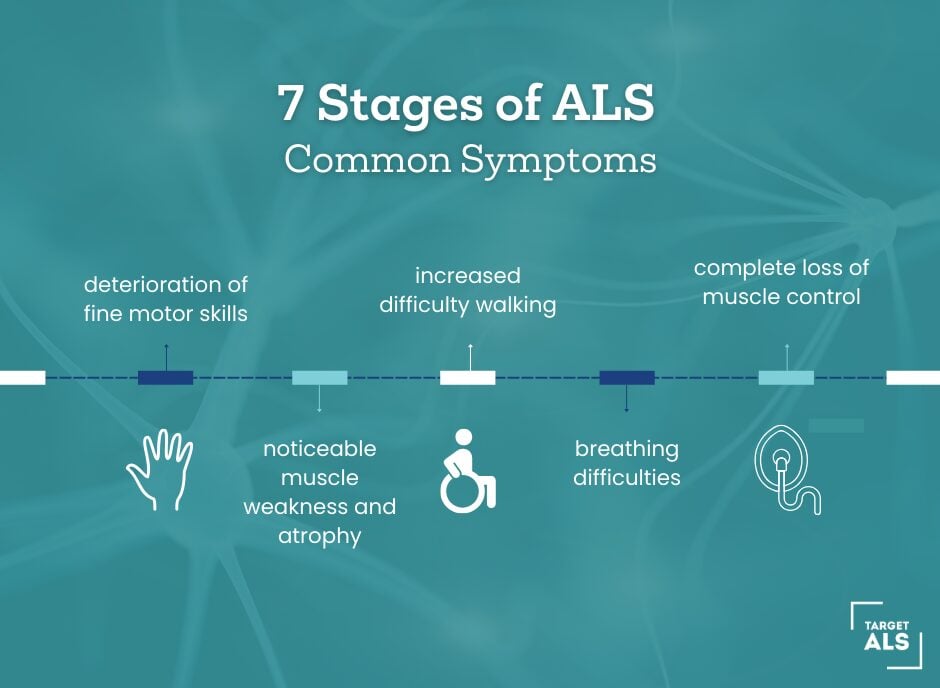
When we talk about conditions like Amyotrophic Lateral Sclerosis, or ALS, we’re exploring a disease that profoundly impacts the nervous system, affecting the cells that control voluntary muscle movement. Understanding ALS isn't just about statistics; it's about shedding light on a journey that many face with immense courage. The primary purpose of discussing ALS is to foster awareness, encourage research, and offer support to those affected. It helps us appreciate the incredible work of medical professionals and the importance of compassionate care.
You might encounter discussions about ALS in various contexts. News reports often highlight scientific breakthroughs in treatment or the stories of public figures living with the disease, like the legendary Lou Gehrig or physicist Stephen Hawking. These stories, while sometimes heartbreaking, are also incredibly inspiring, demonstrating the strength of the human spirit. We also see it in medical journals, research papers, and support groups where individuals and families share experiences and information.
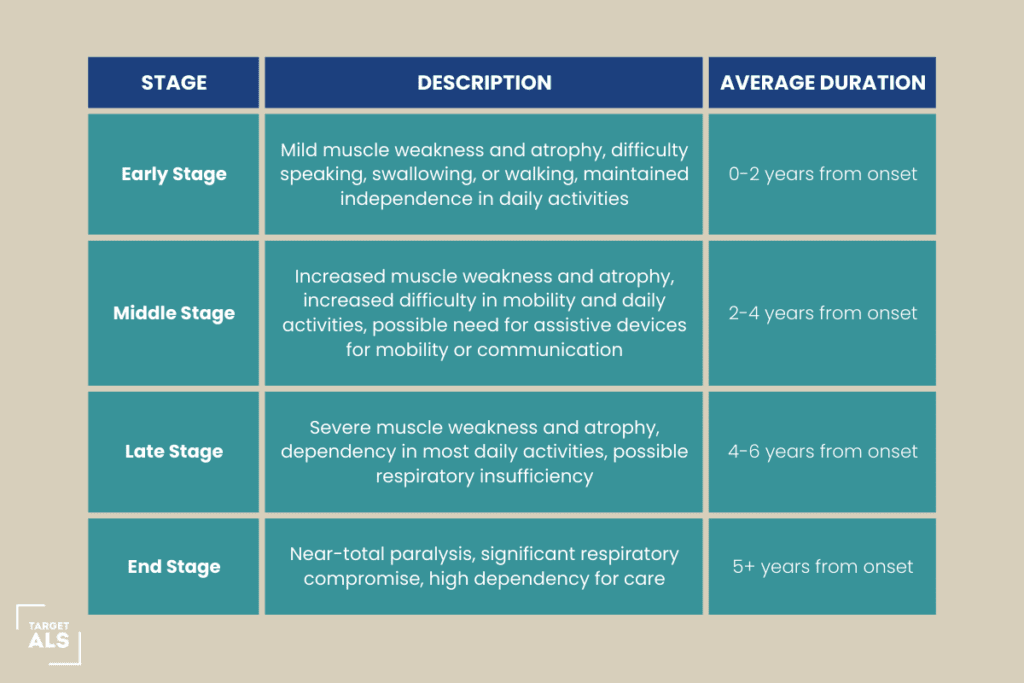
So, how long can someone live with ALS? This is a question that doesn't have a single, simple answer. The prognosis for ALS is highly individual. On average, people live with ALS for about 2 to 5 years from the time of diagnosis. However, it’s crucial to understand that this is just an average. Some individuals may live for 10 years or even longer, while others may have a shorter journey. It’s a disease that progresses at its own pace for each person.

What affects this prognosis? Several factors play a significant role. Age at diagnosis is one. Younger individuals tend to have a slightly longer survival rate. The specific type of ALS also matters; some forms are more aggressive than others. Perhaps most importantly, the rate of disease progression varies greatly. How quickly the muscles weaken and how the disease impacts respiratory and swallowing functions are critical indicators. Furthermore, access to and effectiveness of supportive care, including respiratory support, nutritional management, and physical therapy, can significantly influence quality of life and, in turn, longevity.
To truly embrace the pursuit of understanding these complex health topics, even when they involve challenging conditions, it’s helpful to approach them with an open mind and a desire for accurate information. Focus on reliable sources like the ALS Association or your healthcare provider. Remember that while the journey with ALS can be incredibly difficult, the collective effort of researchers, medical teams, and support networks continues to push boundaries, offering hope and striving for better outcomes. By staying informed and fostering empathy, we can contribute to a world where those facing ALS receive the best possible care and support.


:max_bytes(150000):strip_icc()/als-lou-gehrigs-disease-life-expectancy-2223973_V2-b2ca2920c39a4ff99d0218fb2e482038.png)