Hey there, hot tub enthusiast! So, you’ve been enjoying your bubbly oasis, right? The water feels just right, the jets are massaging away your worries, and you’re living your best spa life. But then, BAM! Your trusty test strips are screaming at you about something called “alkalinity,” and it’s a bit too high. Don’t panic! It’s not a sign that your hot tub is secretly plotting to take over the world. 😉
Think of alkalinity as the water’s watered-down bodyguard. It’s the stuff that keeps your pH from doing crazy, wild swings. Like a teenager’s mood, pH can go from happy-go-lucky to full-blown tantrum in a heartbeat. Alkalinity acts as a buffer, saying, “Whoa there, pH, calm down! Let’s keep things chill.” It’s all about maintaining a nice, stable environment for your skin and your hot tub’s components.
However, sometimes, just like a bodyguard who gets a little too enthusiastic, alkalinity can become a bit of a… well, a bit much. When it gets too high, it’s like having too many bouncers at the door. Things can get a bit… stiff. And that’s where we come in, ready to dial it back and get your hot tub water singing the right tune again.
So, what exactly is high alkalinity, and why should you care? Good question! When your total alkalinity is too high, it can lead to a few not-so-fun issues. For starters, it makes it super difficult to get your pH level into the sweet spot. Remember that pH bodyguard? When alkalinity is too high, it’s like it’s hogging all the attention, making pH adjustment a real pain. You’ll be adding pH reducer, and it’ll barely budge. Frustrating, right?
Beyond the pH struggle, high alkalinity can also contribute to cloudy water. Ew, nobody wants a murky hot tub! It can also make your water feel a bit… well, slimy. Not exactly the luxurious spa experience we’re going for. And in the long run, it can even start to cause scaling on your hot tub’s surfaces and equipment. Think of it like tiny, persistent barnacles deciding your jets are their new real estate. Nobody wants that!
The ideal range for total alkalinity in a hot tub is generally between 80 and 120 parts per million (ppm). Some experts might give you a slightly different range, like 80-150 ppm, but aiming for that 80-120 ppm sweet spot is usually a safe bet for most hot tub owners. It’s that Goldilocks zone – not too high, not too low, just right!
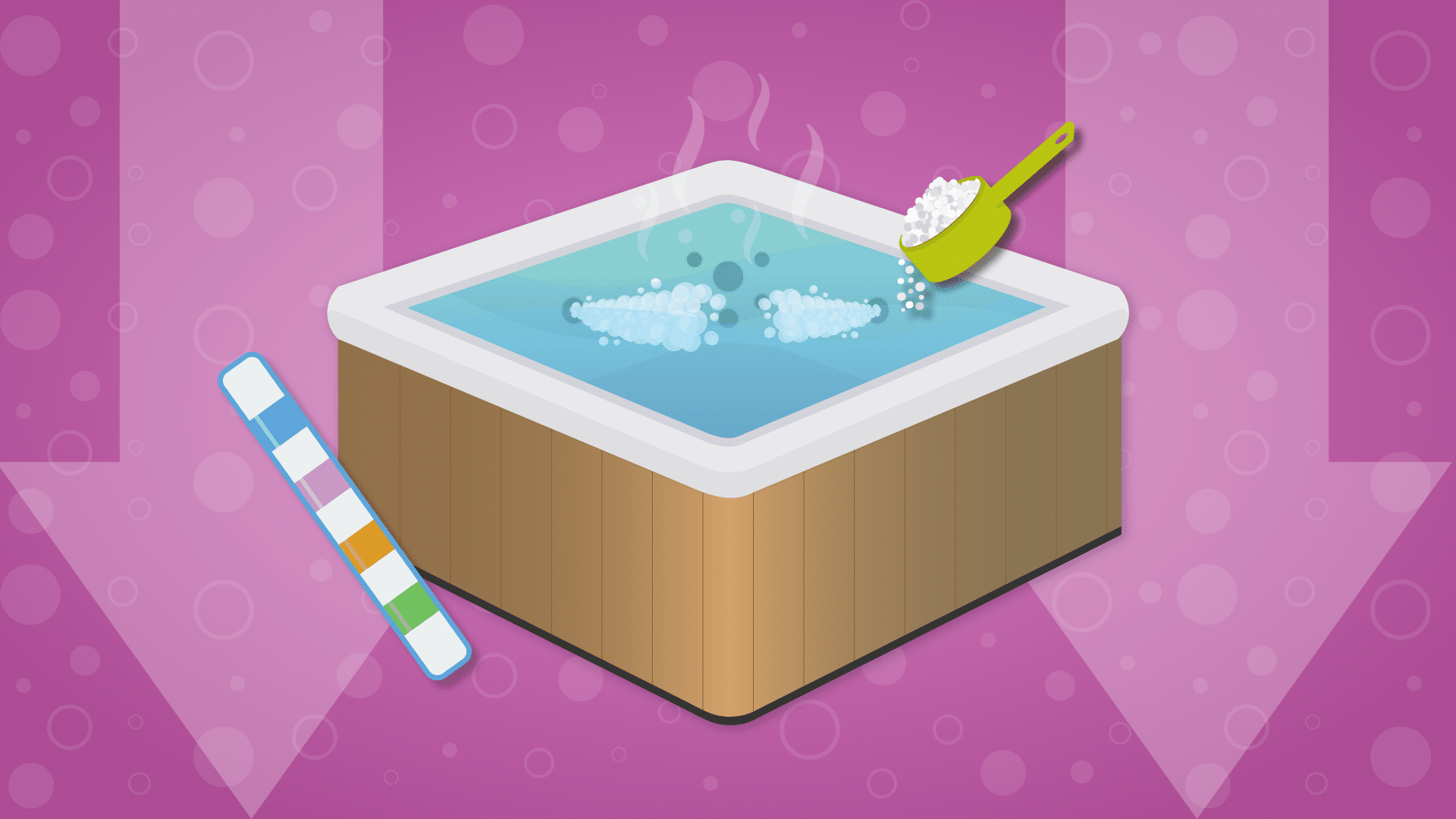
Now, how do you actually know if your alkalinity is out of whack? This is where your trusty hot tub test strips or a liquid test kit come into play. These little wonders are your best friends in the hot tub world. You dip them in the water, wait a few seconds for the colors to develop, and then compare them to the chart on the bottle. It’s like a science experiment, but the reward is a perfectly balanced, inviting hot tub. Pretty cool, huh?
If your alkalinity reading is consistently higher than that 120 ppm mark, it’s time to roll up your sleeves and do a little alkalinity lowering. But before we dive into the “how,” let’s quickly touch on why it might have gotten so high in the first place. Sometimes, it’s just a buildup over time. Other times, if you’ve been adding a lot of chemicals, or if your source water is naturally high in minerals, that can contribute.
Don't beat yourself up about it! It happens to the best of us. The important thing is that you’re catching it and you’re ready to fix it. You’re practically a hot tub superhero!
The Heroic Quest: Lowering Your Hot Tub Alkalinity
Alright, so you’ve confirmed it: your alkalinity is higher than a giraffe’s eyebrows. No worries! The primary weapon in our arsenal for lowering total alkalinity is a product called sodium bisulfate. It’s also sometimes referred to as dry acid. Think of it as the gentle but firm hand that tells alkalinity to take a hike.
You can usually find sodium bisulfate at your local pool and spa supply store, or even online. When you buy it, it might come in a granular form. Make sure you get the right stuff – you don’t want to confuse it with something that’s going to cause more problems than it solves! Always read the label carefully.
Now, here’s the crucial part: dosage. This is not a “wing it” situation, folks. The amount of sodium bisulfate you’ll need depends on a few factors, including the size of your hot tub and how high your alkalinity is. Most products will have a dosage chart on the packaging. It's your roadmap to alkalinity reduction success!

As a general rule of thumb, you’ll usually start by adding a small amount, let’s say about 1-2 tablespoons of granular sodium bisulfate per 100 gallons of water. But again, always check the manufacturer’s instructions. They know their product best!
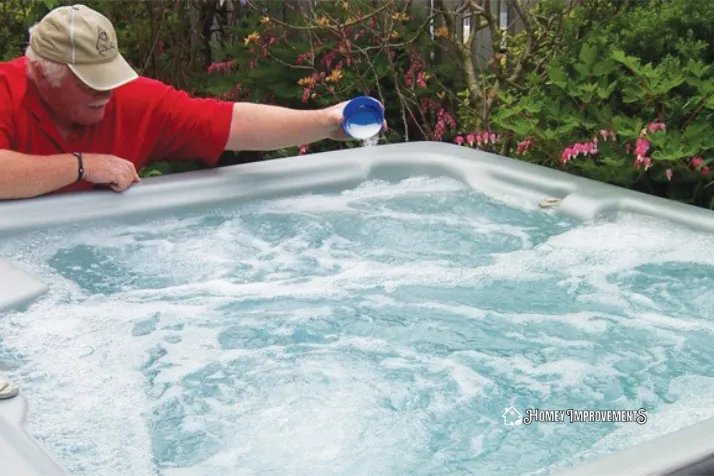
Before you just dump the stuff into your hot tub like a mad scientist, there’s a little pre-game ritual we need to perform. You want to pre-dissolve the sodium bisulfate. This is super important to prevent it from damaging your hot tub’s shell or equipment. Grab a clean bucket, fill it with some of your hot tub water, and then slowly add the measured amount of sodium bisulfate to the bucket, stirring until it’s completely dissolved. It might fizz a little – that’s normal! Just don’t breathe in the fumes directly. Think of it as the water giving the acid a friendly (but fizzy) welcome.
Once your sodium bisulfate is all dissolved and looking like clear water again, it’s time to introduce it to the hot tub. With your hot tub’s jets running on high, slowly pour the dissolved solution around the perimeter of the hot tub. This helps distribute it evenly throughout the water.
After you’ve added the sodium bisulfate, let those jets run for a good at least 4-6 hours. This is crucial for allowing the chemical to circulate and do its magic. You want to give it ample time to work its way through the entire system. Think of it as a spa spa session for your water.
Once the circulation period is over, it’s time for the moment of truth: re-testing. Grab those trusty test strips or your liquid kit again and check your alkalinity levels. Did it work? Did it budge? Hopefully, it’s moved closer to that ideal range!
Now, here’s a little secret: it might take more than one application. Don’t be discouraged if you’re not in the sweet spot after the first round. Hot tub chemistry is sometimes a marathon, not a sprint. If your alkalinity is still a bit high, you can repeat the process: pre-dissolve, add, circulate, and re-test. Just remember to be patient and follow those dosage guidelines carefully.
A common mistake people make is trying to fix everything in one go by dumping in way too much chemical. That’s like trying to un-burn toast by throwing it back in the toaster – not a good idea! Small, consistent adjustments are the key to a happy, balanced hot tub. Trust me, your tub will thank you.
Important Considerations and Other Tips
While sodium bisulfate is your main guy for lowering alkalinity, there are a few other things to keep in mind. First, always add chemicals to water, never water to chemicals. This is a safety rule that applies to almost all pool and spa chemicals. It helps prevent dangerous reactions and splashing.
Secondly, remember that lowering alkalinity will also naturally lower your pH. So, after you've adjusted your alkalinity and it's in the right range, you might need to adjust your pH back up if it's dropped too low. It's like a little chemical dance – one step affects the other!
Also, consider your source water. If your tap water is naturally high in alkalinity, you might find yourself dealing with this issue more often. You can get your source water tested to see its mineral content. If it’s consistently high, you might consider using a filter when filling your hot tub, or looking into a product that helps bind or sequester minerals.
Another helpful tip is to test your water regularly. The more you test, the better you’ll get at recognizing when things are starting to go off balance. It’s like getting to know your hot tub’s personality. You’ll start to see patterns and be able to nip problems in the bud before they become big issues.
And speaking of testing, make sure your test strips or kit are not expired. Old test strips can give you inaccurate readings, which can lead to adding the wrong chemicals. Nobody wants to play the guessing game with their hot tub!
Finally, if you’re ever feeling overwhelmed or unsure about what to do, don’t hesitate to reach out to your local pool and spa professional. They’re the wise wizards of water chemistry and can offer personalized advice for your specific situation. They’ve seen it all, so don’t be shy!
So there you have it! Lowering your hot tub’s alkalinity isn’t some mystical, impossible task. It’s simply about understanding the science behind it and using the right tools and techniques. With a little patience and a dash of diligence, you’ll have your alkalinity back in that happy, balanced zone, ensuring your hot tub remains a source of relaxation and enjoyment for a long, long time.
And remember, every time you test your water and make an adjustment, you’re not just maintaining your hot tub; you’re investing in your own well-being and the longevity of your amazing relaxation station. So, go forth, test your water, make those adjustments, and get ready to sink into perfectly balanced, wonderfully bubbly bliss. Your happy, healthy hot tub awaits, and frankly, you deserve it!

:max_bytes(150000):strip_icc():format(webp)/HowtoLowerAlkalinityInYourHotTub2-f0686f63321b48b0976ded660a91ef40.jpg)