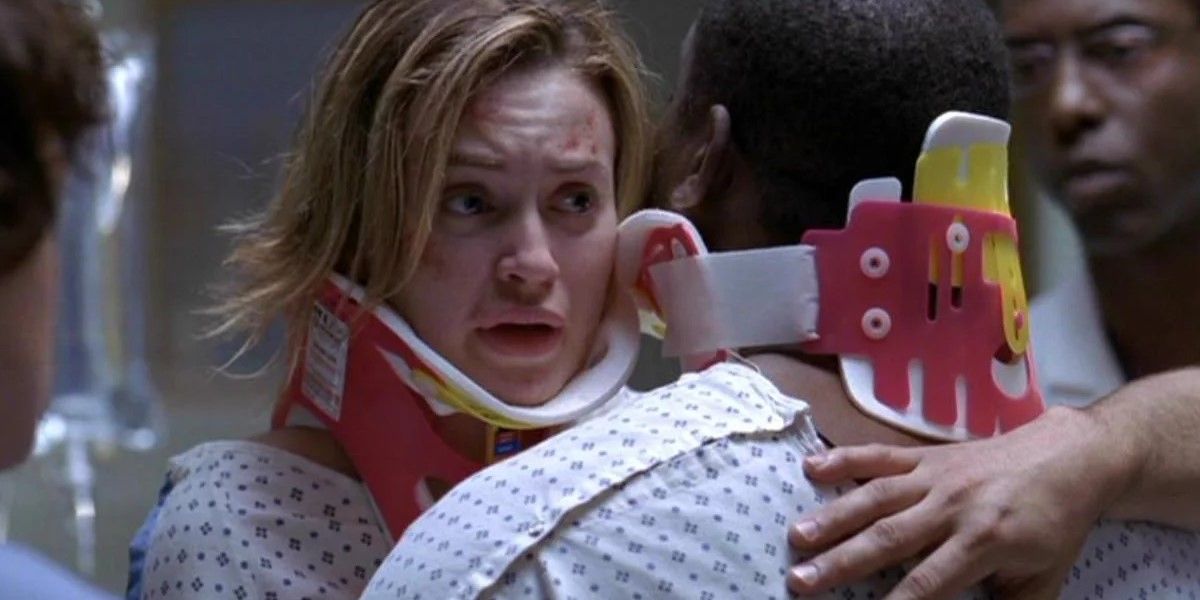
We all have those shows that become a part of our lives, and for many of us, Grey's Anatomy is one of them. It's more than just a medical drama; it's a rollercoaster of emotions, relationships, and, let's be honest, some truly heartbreaking moments. One of the most fascinating aspects of its enduring popularity is how major character deaths haven't just been plot points, but rather turning points that have defined distinct eras of the show. It’s a fun, and dare I say, morbidly useful way to understand how a long-running series evolves.
For the absolute beginners to Grey's, understanding these deaths is like getting a cheat sheet to the show's emotional landscape. It helps you grasp the significance of certain characters and why the remaining ones react the way they do. For families who might be dipping their toes into binge-watching together, knowing about these pivotal moments can prepare them for the emotional impact, perhaps sparking conversations about loss and resilience in a relatable (albeit fictional) context. And for the seasoned "Grey's Anatomy hobbyists" who love dissecting every episode, this perspective offers a deeper appreciation for the show's narrative structure and how it's managed to reinvent itself over its many seasons.
Think of it like chapters in a book. The early days were defined by the excitement of Meredith and Derek's romance, but the death of Denny Duquette was one of the first major shocks, setting a tone that no character was truly safe. Then came the era shaped by the devastating loss of George O'Malley, which profoundly impacted his close friends and highlighted the fragility of life for the doctors themselves. Later, the shocking and sudden demise of Lexie Grey and the heroic sacrifice of Mark Sloan marked a significant shift, ushering in a period of deeper exploration of grief and the lasting effects of trauma. Even more recently, the departure of beloved characters like Derek Shepherd and Cristina Yang (though not a death, her exit was a seismic event) created new dynamics and forced the remaining characters to forge ahead, defining new chapters in their personal and professional lives.
If you're curious to explore this yourself, it's surprisingly easy to get started. You don't need to watch every single episode from the beginning (though you might get hooked!). A great way to begin is by looking up a list of major character deaths and their associated seasons. You can then watch specific episodes or even short clips of those pivotal moments online. Pay attention to how the characters around the departed react. Notice the subtle shifts in the hospital's atmosphere and the storylines that emerge from the grief. It's like watching history unfold, through the lens of a fictional hospital!
Understanding how these major deaths have shaped Grey's Anatomy isn't just about memorizing sad moments. It’s about appreciating the show’s ability to use loss to propel its narrative forward, to test its characters, and ultimately, to keep us hooked season after season. It’s a testament to the power of storytelling, and a surprisingly engaging way to revisit the emotional journey of our favorite Seattle Grace (or Grey Sloan) Memorial doctors.