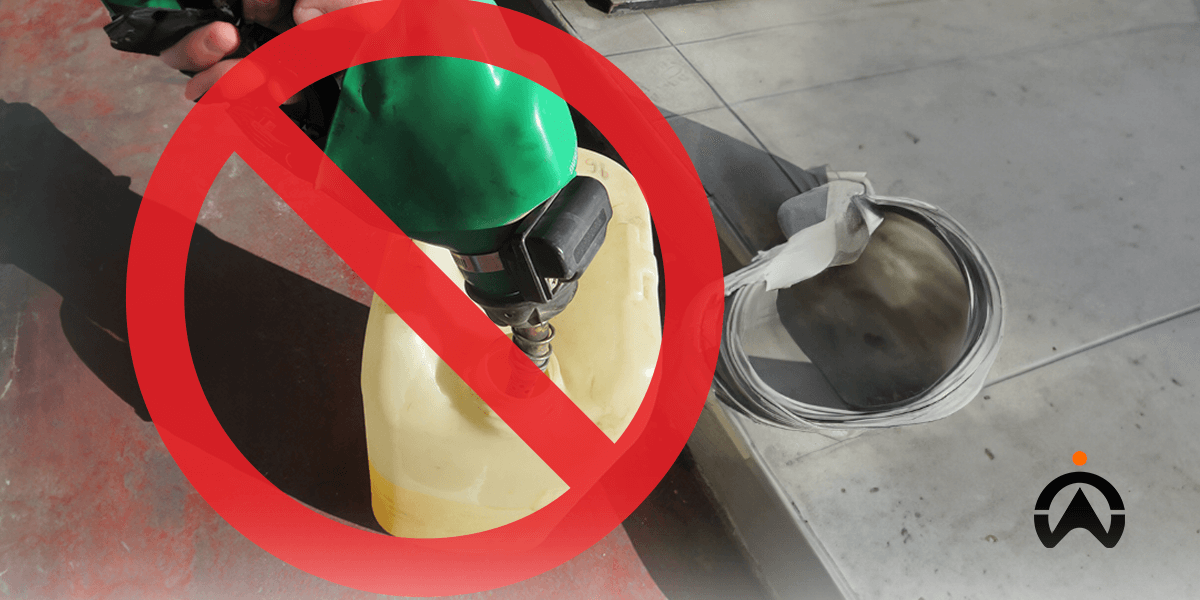
Imagine your car sputtering to a halt, the gas gauge reading empty. Frustrating, right? Now imagine that instead of a quick trip to the gas station, the fuel that should be flowing freely through the pipes is being siphoned off, not by a few opportunistic kids, but by an entire, super-organized, super-profitable underground industry. That, my friends, is the wild, wild world of “huachicoleo”, a term that sounds a bit like a secret handshake and a lot like a cash cow, especially for a certain infamous cartel boss named “El Mencho”.
So, what exactly is this “huachicoleo” thing? Think of it like this: you’ve got these massive, super-important pipelines carrying gasoline and diesel all across the country. These pipelines are like the veins of the nation’s transportation system. Now, imagine someone figured out how to tap into those veins, discreetly, of course, and start drawing out all that precious liquid gold. That’s huachicoleo in a nutshell. It’s the art of stealing fuel directly from the source, like a sneaky chef dipping their finger into the pot of soup before it’s served.
But this isn’t your grandpa’s garden hose and a jerry can operation. Oh no. This is industrial-scale theft. We’re talking about sophisticated networks, people with specialized knowledge, and a whole lot of underground infrastructure. Think of it like an illicit, parallel gas station system running beneath the surface. They’d puncture these pipelines, set up makeshift refueling stations, and then sell the stolen fuel, often at a discount, to unsuspecting buyers. It’s like finding a secret lemonade stand that’s suddenly selling premium, imported lemonade for half price. You’d be tempted, right?
And who, you ask, got incredibly, unbelievably rich from this? Well, the undisputed king of this particular brand of larceny was none other than Nemecio Oseguera Cervantes, better known by his fearsome moniker, “El Mencho”. He’s the big boss, the puppet master, the guy whose empire is built on a foundation of… well, illegal activities, and fuel theft became a massive part of that. For El Mencho and his Jalisco New Generation Cartel (CJNG), huachicoleo wasn’t just pocket change; it was a veritable gold mine.
Why was it so profitable? Let’s break it down, and try not to get too bogged down in the boring economics. Imagine you’re running a legitimate business. You have to buy raw materials, pay for labor, rent factories, deal with regulations, and pay taxes. It’s a whole song and dance. Now, imagine you’re El Mencho. Your raw material is already being transported for you, free of charge! All you need is the know-how to tap into it and a network to distribute it. The overhead? Pretty darn low compared to, say, building a legitimate gas empire.

Think of it like a farmer who’s worked hard to grow his crops, and then someone comes along and steals a whole truckload of his prize-winning tomatoes. Except, in this case, the "tomatoes" were millions of gallons of valuable fuel, and the "thieves" were an organized criminal syndicate with a talent for industrial-level sabotage. The profits, as you can imagine, were astronomical. It was like finding a secret cheat code for making money, and El Mencho and his crew were playing the game on expert mode.
The sheer volume of stolen fuel was mind-boggling. We’re talking about enough gasoline and diesel to power countless vehicles, industries, and basically keep a good chunk of the country moving. And when you’re selling something that everyone needs, something that’s literally essential for daily life, at a lower price than the legitimate sources, you’re going to have a lot of customers. It’s like a black market for gasoline, and it boomed!
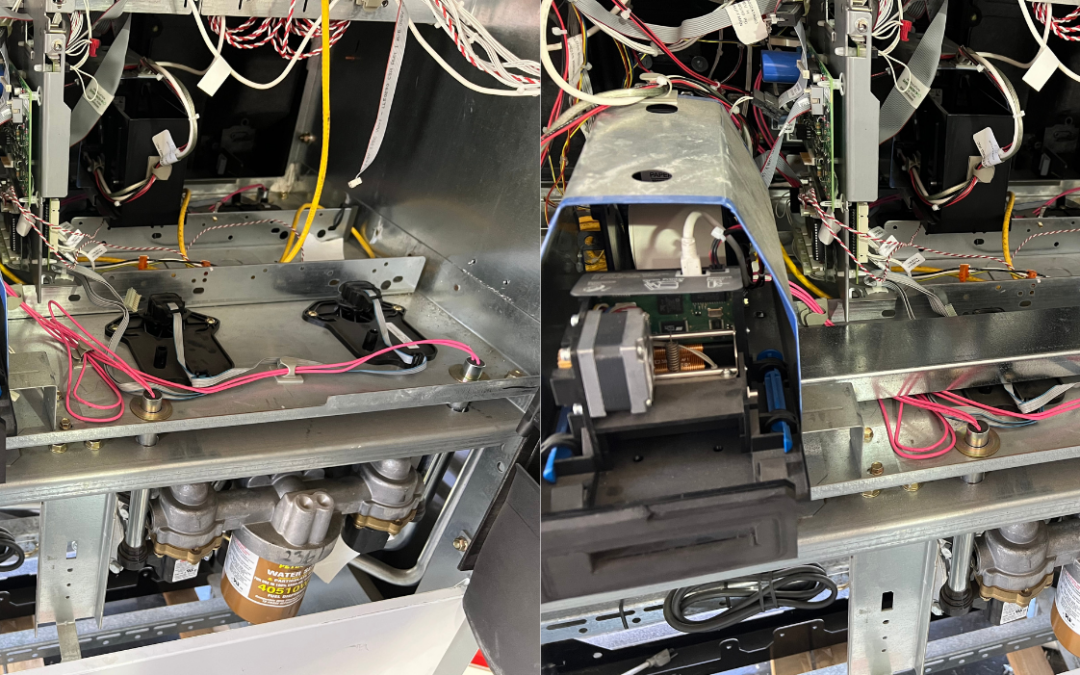
This operation wasn’t just about a few guys with buckets. It was a well-oiled, albeit illegal, machine. They had the muscle to intimidate, the brains to plan, and the resources to execute these complex pipeline taps. It’s the kind of operation that would make a seasoned logistics expert raise an eyebrow and a law enforcement officer tear their hair out. They essentially created a parallel economy, fueled by stolen goods, and it enriched El Mencho’s cartel to an unbelievable degree. It was, in a twisted way, a testament to their organizational prowess, a dark, criminal genius at work.
“Huachicoleo wasn’t just a side hustle for El Mencho; it was a primary engine of his empire’s growth.”
It’s a story that’s both fascinating and, frankly, a little alarming. It highlights how criminal organizations can find incredibly lucrative ways to exploit existing infrastructure and demand. For El Mencho, huachicoleo was more than just a way to make a quick buck; it was a strategic move that funded his expansion, his weaponry, and his overall dominance. It was the secret sauce that made his empire even bigger, bolder, and, unfortunately, more dangerous. And while the official efforts to combat it have certainly put a damper on things, the memory of how “huachicoleo” became a fuel-powered titan of crime for El Mencho’s empire remains a wild and potent tale.