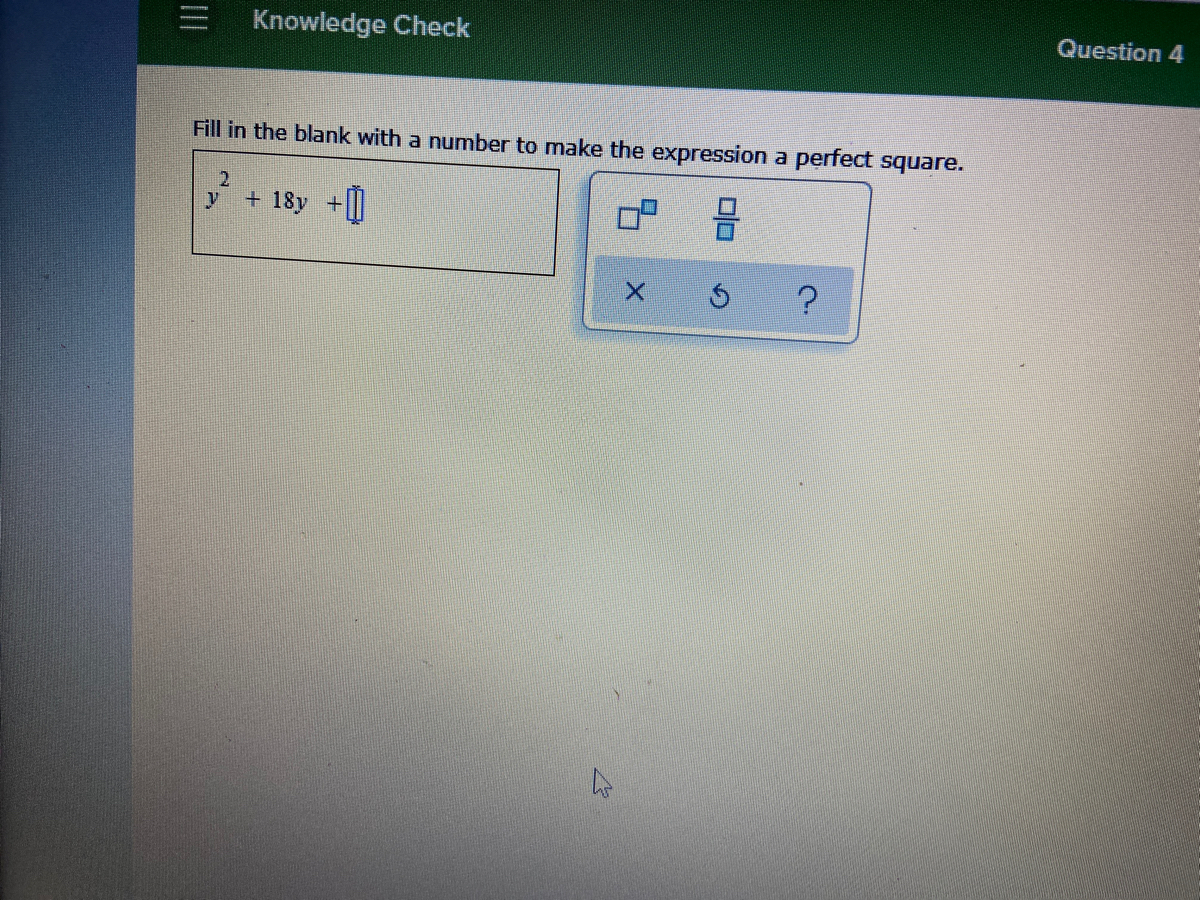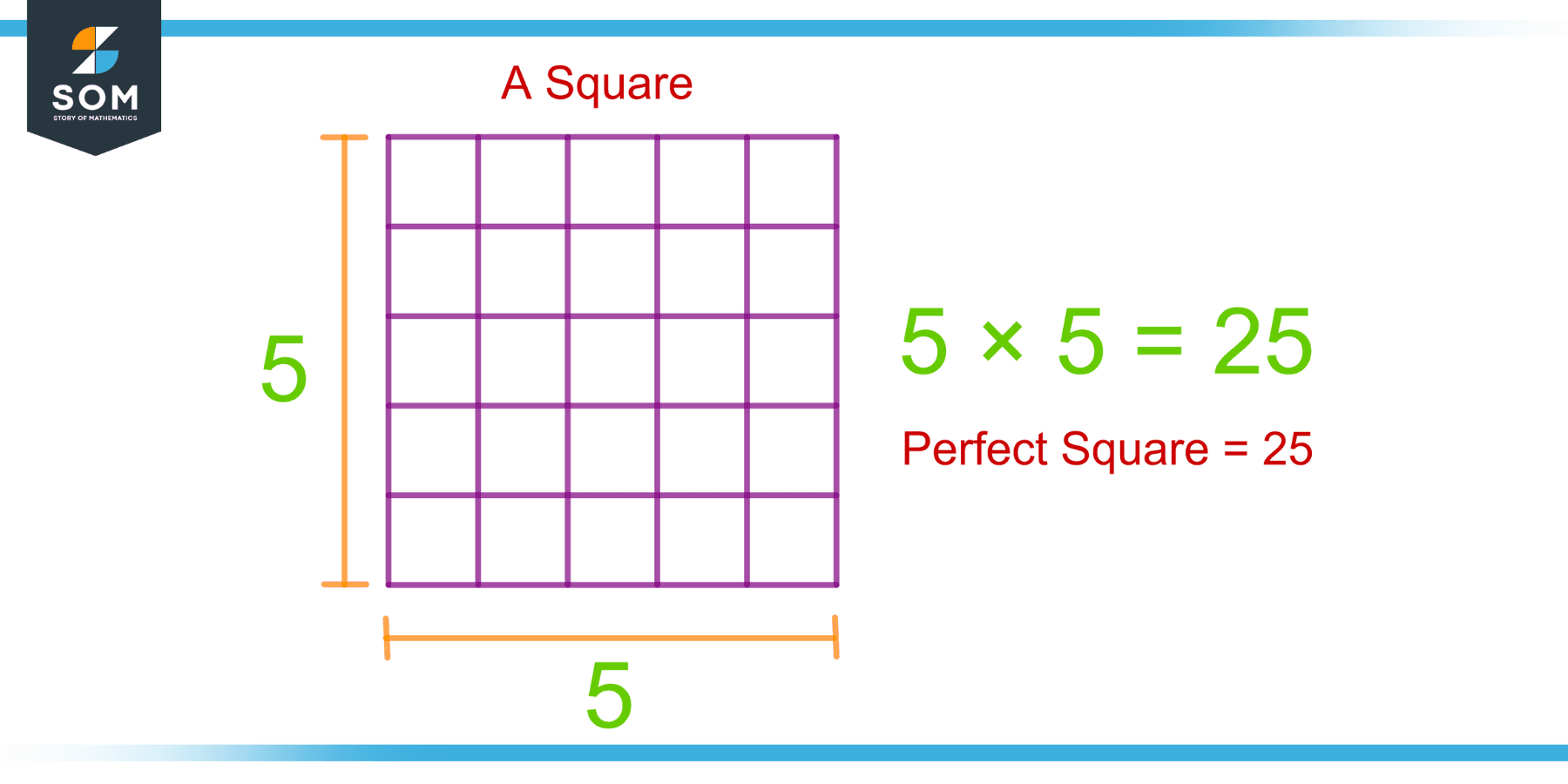
Alright, gather 'round, you magnificent mathematical misfits and geometry gurus! Pull up a chair, I've got a story for you. It involves numbers, it involves squares, and it involves a little bit of magic. No, seriously, it’s almost like conjuring. We’re talking about the art of the "Fill In The Blank To Make A Perfect Square." Sounds like a riddle from a particularly dusty Egyptian tomb, doesn't it? But fear not, it’s far less likely to unleash a mummy curse and much more likely to make your brain do a happy little jig.
So, picture this. You’re staring at an equation, right? And it looks… incomplete. Like a sad, lopsided sandwich missing its most crucial ingredient. We're talking about a quadratic expression, specifically one that looks like this: x² + bx. Now, if you're like me, your initial reaction might be, "Ugh, algebra. Can't we just go back to counting sheep?" But hang in there! Because this missing ingredient, this little blank space, is the key to transforming this mathematical mess into a thing of beauty – a perfect square trinomial.
Think of a perfect square, like 9. It's 3 times 3, right? Or 16, which is 4 times 4. It’s a number that’s been multiplied by itself. In algebra, a perfect square expression is something that can be factored into the form (x + a)(x + a) or (x - a)(x - a). When you expand that out, you get something like x² + 2ax + a². See that pattern? The first term is x², the last term is something squared (that's our a²), and the middle term… well, that’s the crucial bit. It’s 2ax.
The Secret Sauce
Now, let's get back to our sad sandwich: x² + bx. We’ve got the x², and we’ve got a middle term with an x in it (represented by that mysterious ‘b’). What’s missing? That beautiful, constant term at the end! The one that’s been squared. And here's where the magic happens. To turn our incomplete expression into a perfect square, we need to add a specific number to the end. This number is the secret sauce, the missing puzzle piece, the… well, you get the idea.
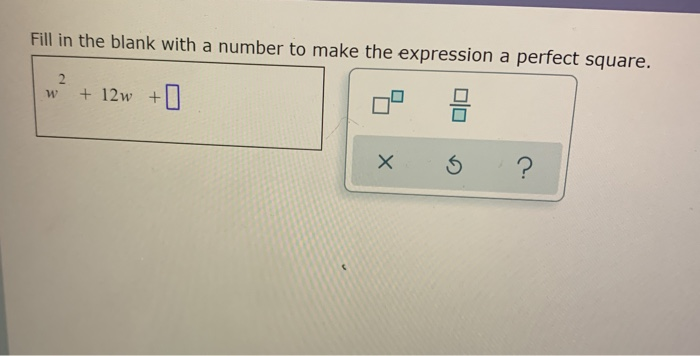
How do we find this magical number? It's surprisingly simple, and honestly, if you told a medieval alchemist this trick, they’d probably try to use it to turn lead into gold. (Spoiler alert: it doesn't work for gold, but it does work for math!). The recipe is this: take the coefficient of our x term (that’s the ‘b’), divide it by 2, and then square the result. That’s it. Seriously. (b/2)².
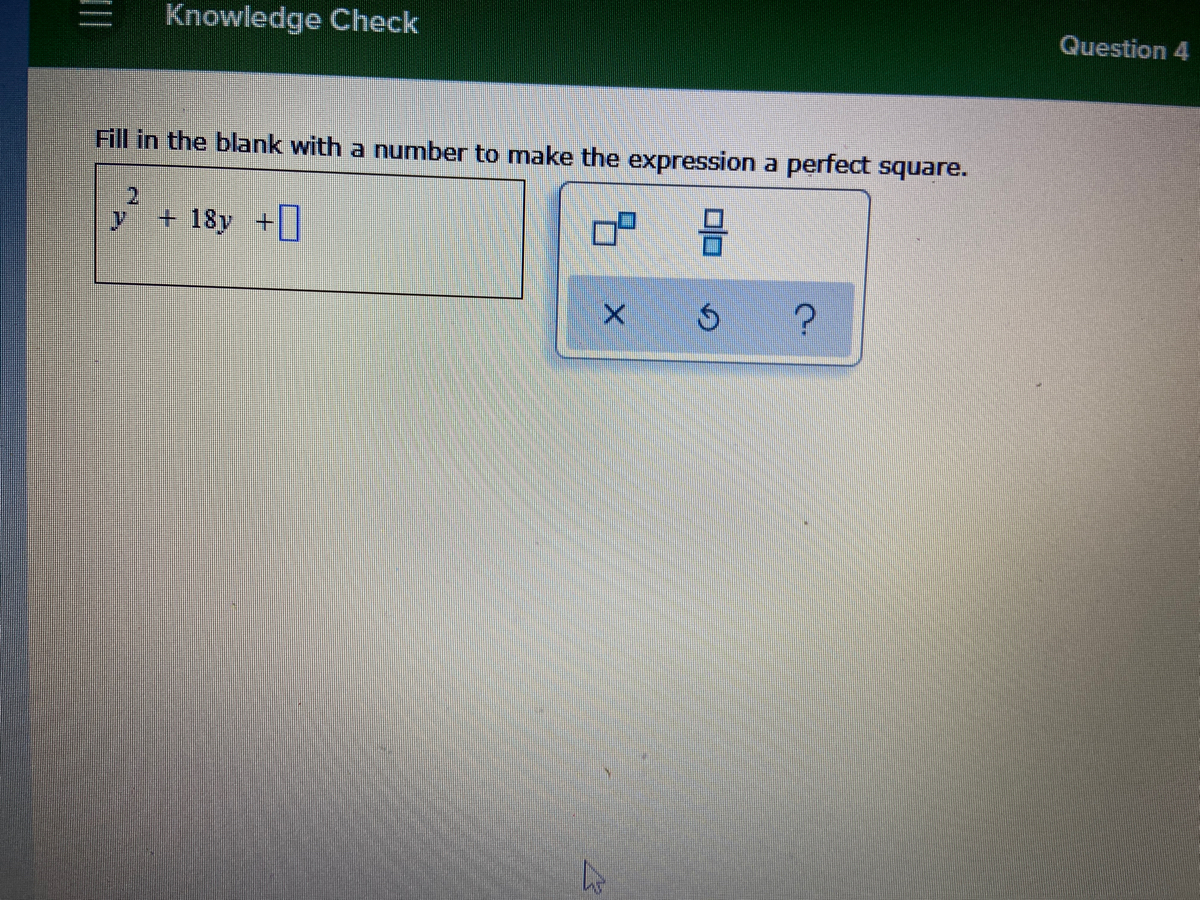
Let’s try an example, shall we? Imagine you have x² + 6x. Our ‘b’ is 6. So, we take 6, divide it by 2, which gives us 3. Then we square that 3. 3 squared is… 9! So, to make x² + 6x a perfect square, we just need to add 9. Ta-da! We now have x² + 6x + 9. And the amazing thing is, this can be factored back into (x + 3)(x + 3), or (x + 3)². Isn’t that neat? It’s like finding a hidden trapdoor in your math homework.
A Dash of Humor, A Pinch of Proof
Why does this work? It all comes back to that factored form we saw earlier: (x + a)² = x² + 2ax + a². Notice how the middle term, 2ax, is twice the value of ‘a’, and the last term, a², is the square of ‘a’. When we have x² + bx, our ‘b’ is essentially playing the role of 2a from the perfect square form. So, if b = 2a, then a = b/2. And the term we need to add to complete the square is a², which means we need to add (b/2)². It’s like a mathematical echo, bouncing back to confirm our findings.
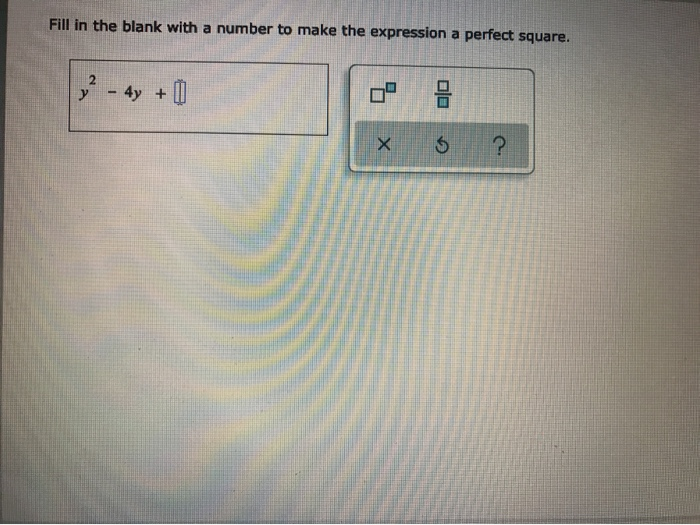
Here’s another one. Let’s say you’ve got x² - 10x. Our ‘b’ is -10. So, divide -10 by 2, you get -5. Square -5, and you get 25. So, x² - 10x + 25 is a perfect square, and it factors into (x - 5)². See? Even with negatives, our little formula holds true. It’s robust! It’s reliable! It’s… well, it's not going to win any Nobel Prizes, but it's darn useful.
Sometimes, you might encounter an equation where the coefficient of x² isn't 1. For instance, 2x² + 8x. In this case, you can usually factor out that leading coefficient first. So, 2(x² + 4x). Now, focus on the part in the parentheses: x² + 4x. Our ‘b’ here is 4. Divide by 2, you get 2. Square it, you get 4. So, x² + 4x + 4 is a perfect square, factoring into (x + 2)². Putting it all back together, the original expression becomes 2(x² + 4x + 4), which is 2(x + 2)². It’s like peeling an onion, layer by layer of mathematical goodness.
Why Should You Care?
You might be thinking, "Okay, that's cute. But why do I need to know this?" Ah, my curious companion, this technique, known as completing the square, is the bedrock of so many cool mathematical concepts. It's the secret weapon for solving quadratic equations, especially when factoring isn't as straightforward as a playground slide. It's also how we derive the quadratic formula, that legendary equation that can solve any quadratic! Without completing the square, the quadratic formula would be just… a bunch of letters and numbers without a purpose. It’s like having a superhero without their cape. Tragic.
Furthermore, this skill is a stepping stone to understanding conic sections – those beautiful curves like circles, ellipses, parabolas, and hyperbolas. Seriously, these things are all over the place in architecture, physics, and even in the trajectory of a perfectly thrown frisbee. So, by mastering this seemingly simple "fill in the blank" trick, you're unlocking a whole universe of geometric understanding. It’s a gateway drug to higher math, but in the best possible way!
So, next time you see a quadratic expression looking a bit bare, don’t despair. Just remember the secret recipe: take that middle term's coefficient, slice it in half, and then square it like it owes you money. You’ll be turning lopsided math into perfectly formed squares faster than you can say "Abracadabra!" Happy completing!