Ever found yourself glued to the TV during figure skating competitions, mesmerized by the effortless glides, gravity-defying jumps, and those impossibly graceful spins? And then, just as you're getting into it, the scores come out, and you're left scratching your head? "Wait, what was that all about?" you might think. You're not alone! Figure skating scoring can feel a bit like deciphering ancient hieroglyphs sometimes, but trust me, once you get the gist, it’s actually super cool and adds a whole new layer of fun to watching.
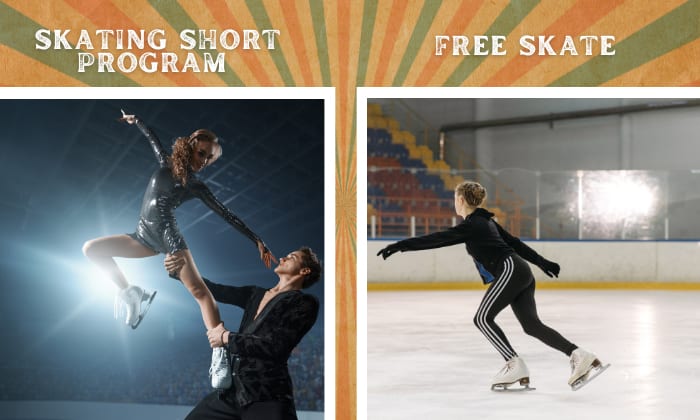
Let's break down this whole scoring shindig, shall we? Think of it like this: a figure skating competition isn't just one big performance; it's more like a two-part challenge. We've got the Short Program and the Free Skate. Each one has its own personality, its own rules, and its own way of earning those precious points. And then, poof! They get added up for the grand total. Simple, right? Well, almost!
The Short Program: Precision and Power Packed!
So, first up, we have the Short Program. Imagine it as the really focused, intense appetizer. It's shorter, as the name suggests, and it has a very specific list of required elements. Think of it like a curated playlist of must-do moves. Skaters have to hit all these particular jumps, spins, and step sequences. There’s no room for improvisation here; it's all about nailing the technical requirements to perfection.
Why is it so strict, you ask? Well, it’s designed to showcase the skater’s fundamental skills. They have to prove they can execute the building blocks of figure skating flawlessly. It's like the chef showing off their knife skills before they whip up a complex dish. The pressure is on to hit every single one of these required elements perfectly, because messing up even one can significantly impact their score. And that’s where the technical score comes in. Judges are looking at how well each jump is rotated, how high the elements go, and how clean the landings are.
But it's not just about the technical stuff, oh no! The Short Program also has a program component score, which is where the artistry shines through. This is where they judge how well the skater connects with the music, their skating skills (think flow, edge control, and speed), transitions between elements, and overall performance quality. Are they feeling the music? Are they selling the story? It’s a fantastic opportunity for skaters to show off their personality and interpretation, even within the structured confines of the program.

The Free Skate: Unleash the Inner Superstar!
Now, let’s talk about the Free Skate. This is where the skaters really get to spread their wings and show us what they’re made of! If the Short Program is the tightly curated playlist, the Free Skate is the epic, sprawling concert where they can play their heart out. It’s longer, and while there are still required elements, there's a lot more freedom in choosing what to include and in what order.
This is where we see those breathtaking quadruple jumps, those intricate choreography sequences, and those spins that look like they could go on forever. Skaters can pack in more of their favorite (and most difficult!) elements here. They can really build a narrative with their music and movement, telling a story that resonates with the audience and the judges. It’s their chance to be a true artist on ice.
/cdn.vox-cdn.com/uploads/chorus_image/image/58711843/918834768.jpg.1518757027.jpg)
Just like the Short Program, the Free Skate also has a technical score and a program component score. However, the weighting and the variety of elements are different. With more elements to perform, the potential for big technical points is higher, but so is the risk of errors. Judges are still scrutinizing every jump, every spin, and every step, but they're also looking at the difficulty of the chosen elements. A skater attempting a quad jump will earn more points if they land it than a skater performing a triple. It’s a high-stakes game of skill and daring!
The program components in the Free Skate are also crucial, and perhaps even more so. With a longer program, skaters have more time to demonstrate their skating skills, their transitions (how smoothly they move from one element to the next), their performance quality (their presence and engagement), and their choreography (the originality and complexity of their routines). This is where the magic truly happens, where the athleticism meets the art, and you, the viewer, get to experience the full spectrum of a skater's talent.
/cdn.vox-cdn.com/uploads/chorus_image/image/58632291/915986570.jpg.0.jpg)
The Grand Finale: Adding it All Up!
So, how do we get from those dazzling performances to the final rankings? It’s actually quite straightforward, once you understand the two parts. The judges award points for both the Short Program and the Free Skate separately. These scores aren't just a single number; they are broken down into the technical score (for the execution of elements) and the program component score (for the artistic and performance aspects).
Then, and this is the key part, the scores from the Short Program and the Free Skate are added together. That’s right, it’s a cumulative score! The skater with the highest total score at the end of both programs wins. So, a skater who has a stellar Short Program but a less impressive Free Skate might still be beaten by someone who was solid in both, or who really pulled out all the stops in their Free Skate. It's this combination that makes figure skating so fascinating to watch. You're not just cheering for a single brilliant moment; you're rooting for consistent excellence and artistic expression across the entire competition.
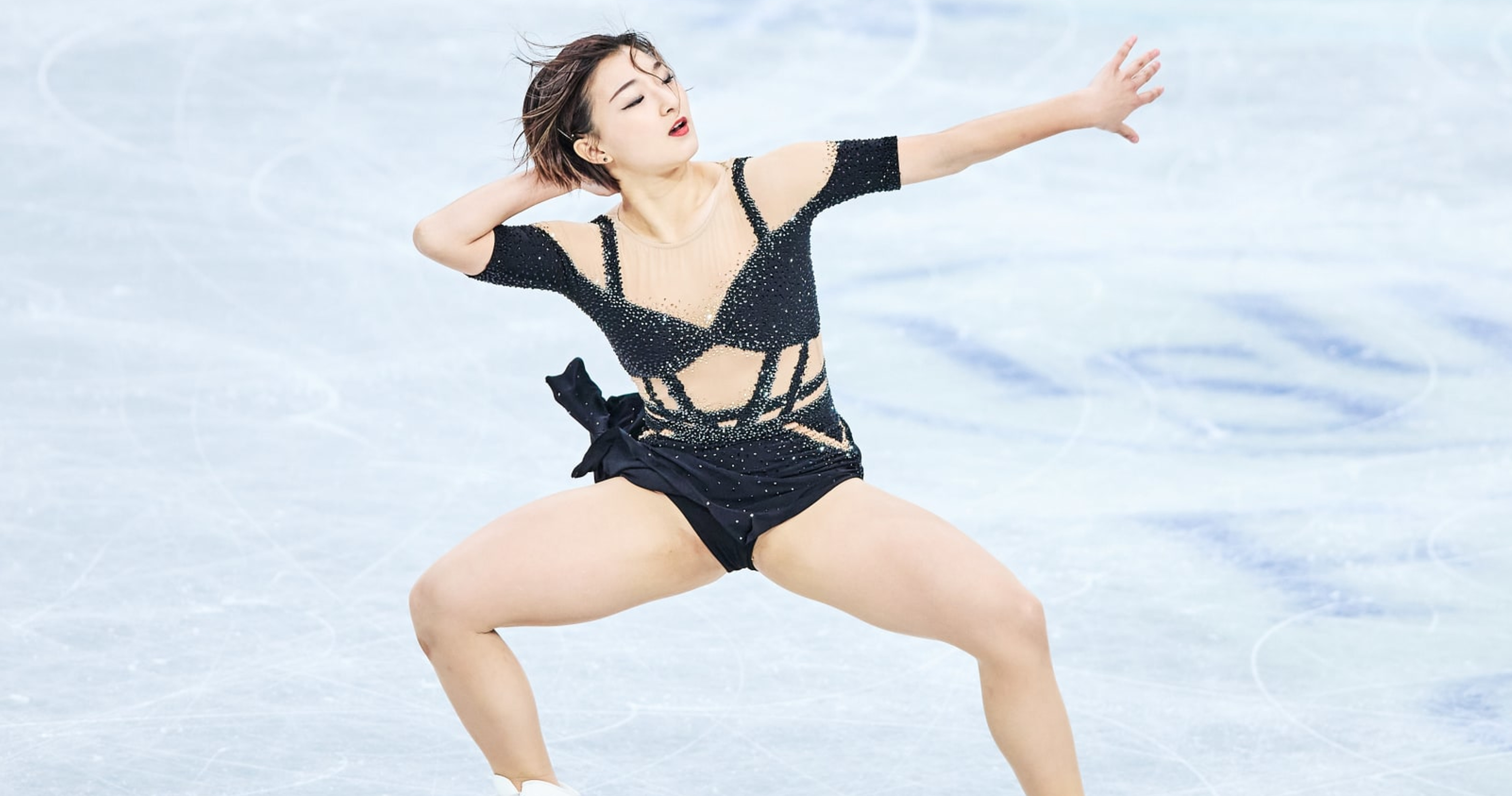
Why is this so fun to know? Because it means that every single jump, every spin, every glide matters! It adds a layer of intrigue, doesn't it? You can see a skater really push themselves in the Free Skate, and you know that those extra points they’re earning can make all the difference. It makes you appreciate the incredible amount of hard work, dedication, and sheer bravery that goes into every single routine. It’s not just about looking pretty; it’s about being a technical marvel and a captivating storyteller all at once.
So, the next time you’re watching figure skating, pay attention to those two distinct halves. See how the skaters approach the required elements in the Short Program, and then marvel at the creativity and daring they unleash in the Free Skate. Understand that the final score is a testament to their all-around mastery. It’s a beautiful, complex dance of athleticism and art, and now you’re in on the secret!
Isn't that exciting? Knowing how it all works just makes the whole experience richer. It deepens your appreciation for these incredible athletes and their dedication. So, go forth, watch with newfound knowledge, and let the magic of figure skating inspire you. Who knows, maybe next you'll be inspired to try a spin or two yourself (carefully, of course!). Keep watching, keep learning, and keep enjoying the dazzling world of figure skating!