Ever feel like you’re juggling a million things, trying to figure out what’s worth your hard-earned cash and what’s just… well, a fancy paperweight? Yeah, me too. We’ve all been there, staring at our shopping carts, a battle raging inside: "Do I really need this artisanal cat sweater, or should I save for that slightly less artisanal but infinitely more practical coffee maker?" That, my friends, is the whisper of demand. And while it might sound like something only economists in tweed jackets whisper about, it’s actually as familiar as your favorite comfy socks.
Think about it. When your absolute favorite ice cream flavor goes on sale, you probably buy an extra pint, right? Maybe even two if you’re feeling particularly indulgent. Suddenly, you’re willing to shell out a little more for that creamy, dreamy goodness because, hey, it’s a steal! Conversely, if the price of, say, kale chips skyrockets to the moon, you might suddenly find yourself miraculously developing a taste for… well, anything else. This, my friends, is the very essence of the law of demand in action, playing out in your kitchen, your grocery store, and even your late-night online shopping sprees.
Now, let's talk about this "Economic Skills Lab" thing. Sounds a bit like a mad scientist’s lair, doesn’t it? But really, it's just a way for us to take that gut feeling about prices and needs and put it under a microscope. Imagine it as a super-powered magnifying glass for your wallet. We’re not trying to turn you into Gordon Gekko overnight (though a power suit might be a nice side effect), but rather to understand the nitty-gritty of why we buy what we buy, and why sometimes, we just… don’t.
And the star of this economic show? The demand curve. Now, this might sound as exciting as watching paint dry, but bear with me. Picture this: you’ve got a whole bunch of stuff you might buy, and for each item, there’s a price. If that price is super low, you’re probably ready to snag a whole heap of it. Think of a Black Friday sale on those ridiculously popular sneakers everyone’s raving about. You’re practically forming a committee to decide who gets which pair, and you’re grabbing them faster than a free donut at a morning meeting.
But as the price creeps up, your enthusiasm starts to… well, mellow out. You might still want those sneakers, but now you’re having a serious conversation with yourself. "Do I need them, or do I just want them?" This is where the demand curve starts to dip. It’s like a gentle slope on a graph, showing that as the price goes up, the quantity you're willing and able to buy goes down. It’s not a sudden cliff dive, mind you, unless the price hits truly astronomical levels (like, needing to sell a kidney levels).
Let’s get a little more concrete, shall we? Imagine you're the proud owner of a lemonade stand. On a scorching hot day, you can charge a pretty penny for a cup of that sweet nectar. People are parched, and they're willing to pay. This is your high price, low quantity point. You might sell, say, 10 cups. But as the day wears on, or if you decide to lower your price to attract more thirsty adventurers, more people will line up. You might sell 20 cups at a slightly lower price, or even 30 cups if you slash it down to a "steal of a deal" level. Each of these price-quantity combinations forms a little dot on our imaginary graph.

Now, when you connect all those dots, voilà! You've got a demand curve. It’s a visual representation of the relationship between the price of a good or service and the quantity that consumers are willing and able to buy at that price. It’s basically your personal shopping manifesto, graphed out. And the general rule of thumb, as we've seen with our lemonade stand, is that it slopes downwards from left to right. Makes sense, right? More bang for your buck, more of the good stuff.
But the Economic Skills Lab isn't just about looking at one product in isolation. Oh no. It’s about understanding the influences that shift this curve. What makes you suddenly crave pizza even when it's not on sale? What makes you completely forget about that artisanal cat sweater? These are the forces that can move your entire demand curve, not just your willingness to buy at a specific price.
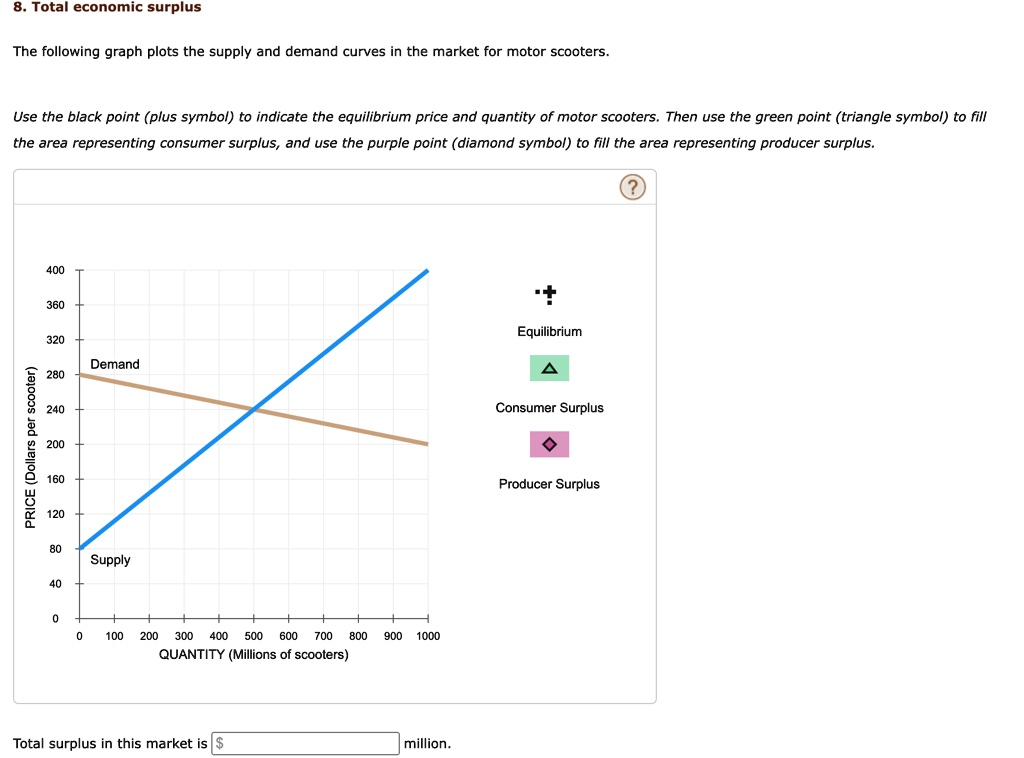
Let’s talk about income. If you suddenly win the lottery (a girl can dream, right?), your ability to buy all those things you want instead of just the things you need goes up. Suddenly, that slightly more artisanal coffee maker is looking like a must-have. Your demand for it has increased, meaning you're willing to buy more of it at every price. This is a shift to the right of your demand curve. Conversely, if you lose your job (let's not dwell on that, shall we?), your demand for anything non-essential will likely plummet faster than a deflated balloon. Your demand curve would shift to the left.
Then there are tastes and preferences. Remember when everyone was obsessed with those fidget spinners? Suddenly, the demand for them was through the roof, regardless of the price (within reason, of course). Then, poof! They were gone, replaced by the next big craze. That’s your demand curve doing the cha-cha. It’s a dance of trends and fads. What’s cool today is yesterday’s news tomorrow. The Economic Skills Lab helps us understand how these fleeting desires can impact the market.
And what about prices of related goods? This is where things get a little spicy. Let's say you're a big fan of hot dogs. Now, if the price of hot dog buns skyrockets, you might find yourself buying fewer hot dogs, even if the price of hot dogs themselves hasn't budged. Buns and hot dogs are complements – they go together. If the price of one goes up, the demand for the other goes down. It's like a domino effect for your dinner plans.
On the flip side, consider substitutes. If the price of a brand-name soda suddenly becomes exorbitant, you might find yourself reaching for the store brand. That store brand soda is a substitute. If its price stays the same but the price of its competitor goes up, your demand for the store brand will increase. Your demand curve for that budget-friendly bubbly beverage will shift to the right, like it just got a promotion!
The Economic Skills Lab is all about dissecting these little nudges and shoves that influence our buying decisions. It’s about recognizing that when you’re looking at a product, you’re not just looking at a price tag. You’re looking at a whole ecosystem of factors: your own financial situation, your current cravings, the latest social media trend, and even the price of that other thing you could be buying instead.
Think about the time you really wanted that new gaming console. You saved up, you researched, you waited for the best deal. That whole process? That’s you, in your own personal Economic Skills Lab, plotting your demand curve for that console. You had a certain price in mind, and you were willing to buy at that price. But if the price was way higher, you might have decided to hold off, or maybe look for a used one (a lower price point, a higher quantity). If your income suddenly increased, maybe you would have been willing to pay a bit more.
The lab just formalizes it. It gives us the tools to see these relationships clearly. We’re talking about taking our everyday "should I or shouldn't I?" moments and turning them into something a little more… structured. It's like finally getting a recipe for your favorite dish instead of just winging it with whatever spices you find in the back of the cupboard.

And understanding demand curves isn't just for economists or aspiring business moguls. It’s for you, the savvy consumer who wants to make smarter choices. It helps you understand why prices fluctuate, why some products are always more popular than others, and how your own choices contribute to the grand economic dance. It empowers you to ask questions, to compare, and to ultimately, get the most bang for your buck.
So, the next time you’re agonizing over whether to buy that second slice of cake (let’s be honest, it’s usually a yes), remember the demand curve. You’re not just indulging; you’re participating in a fascinating economic phenomenon. And in the grand scheme of things, that’s pretty cool. It’s the secret language of the marketplace, and now, you’re starting to understand it, one purchase at a time.
The beauty of the Economic Skills Lab is that it demystifies these concepts. It takes the abstract idea of economic principles and grounds it in the tangible reality of your own life. It’s not about memorizing complex formulas; it’s about recognizing the patterns you already intuitively understand. It’s about turning those “aha!” moments into a consistent understanding of how the world of commerce works, from the smallest lemonade stand to the biggest multinational corporation.
So, next time you see a price, don't just see a number. See the potential for demand, the subtle shifts, the hidden influences. You're not just a shopper; you're an active participant in the economic symphony. And that, my friends, is a skill worth honing, whether you’re in a fancy lab or just staring at your grocery list, wondering if that avocado is really worth the splurge.