Ever found yourself staring at a complex molecule diagram and thinking, "Whoa, what is that?" Today, we're going to pull back the curtain on something pretty fundamental to a whole bunch of fascinating biological stuff: the steroid nucleus. Don't let the fancy name scare you off! Think of it as the basic blueprint, the LEGO brick, if you will, that a whole family of important molecules is built upon.
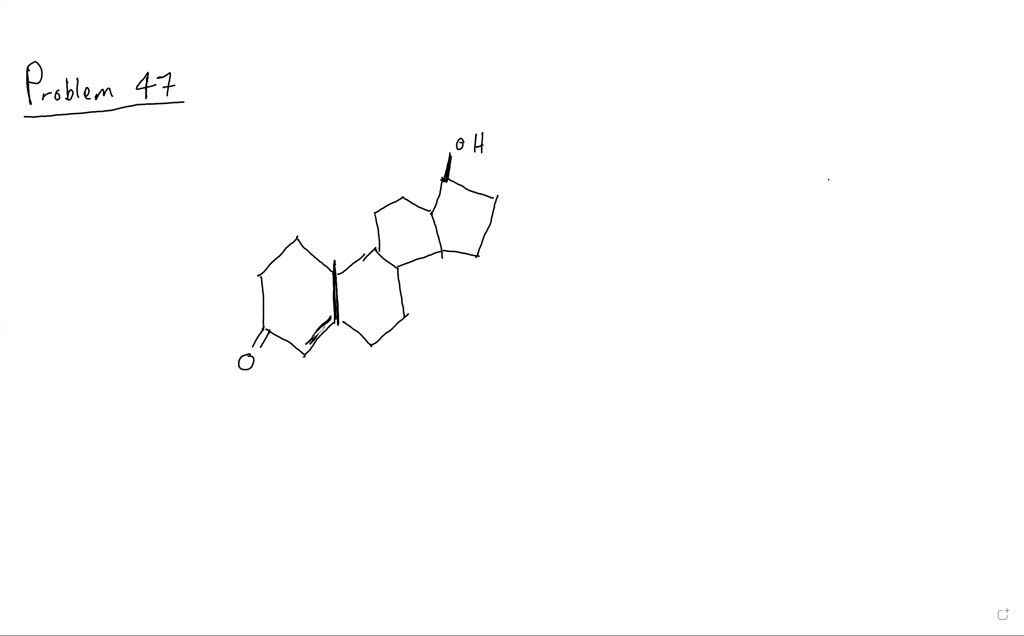
So, what exactly is this mysterious "steroid nucleus"? Imagine a sturdy, four-ringed structure. That's the heart of it. It's not a single thing you'd find floating around on its own in your body, but rather the core framework that gets decorated and modified to become all sorts of different steroids.
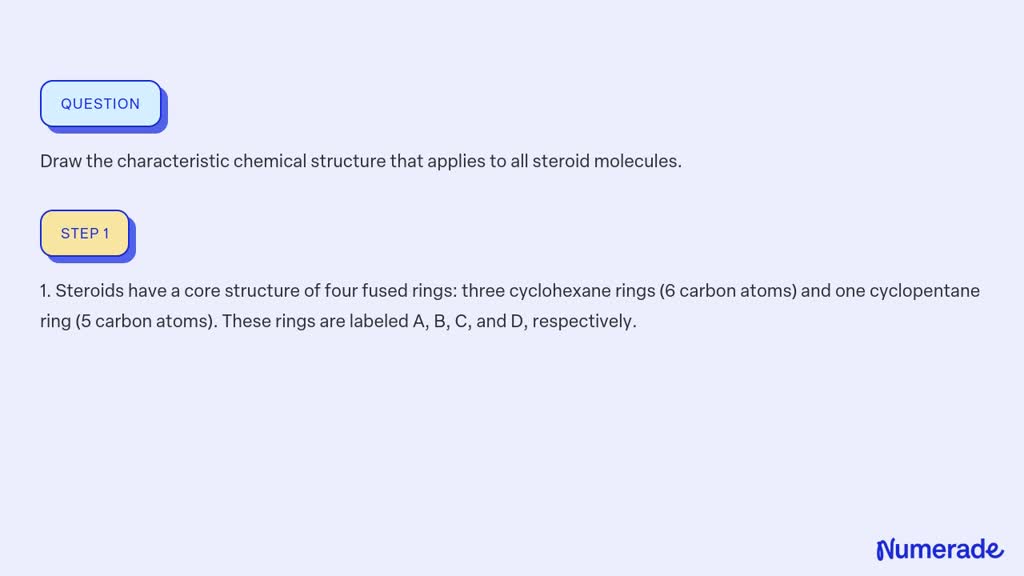
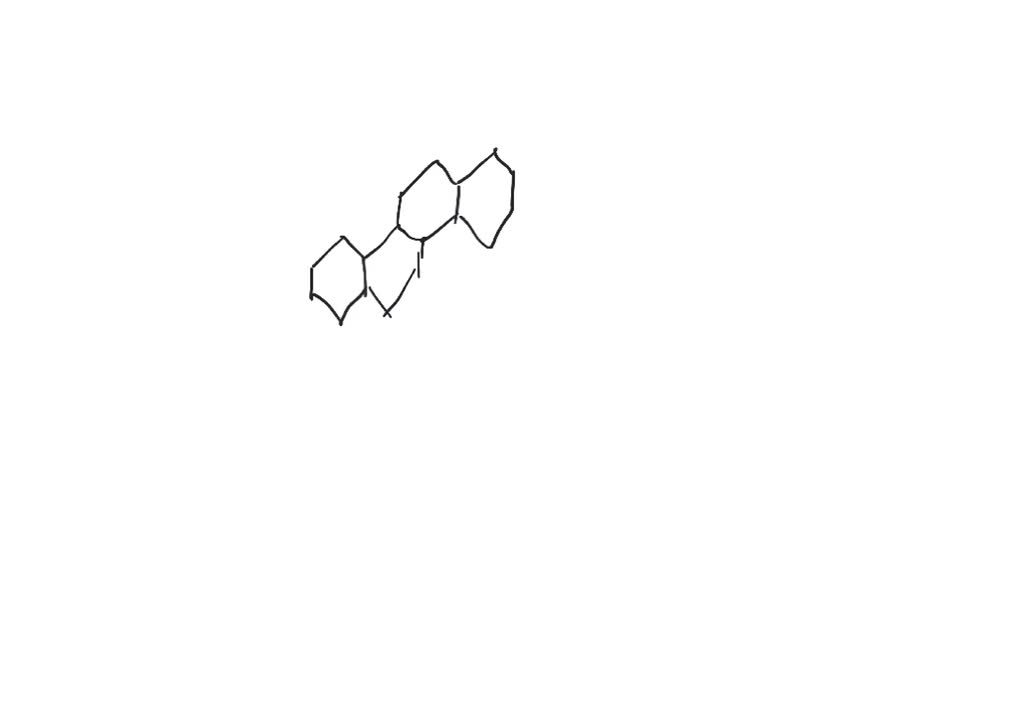
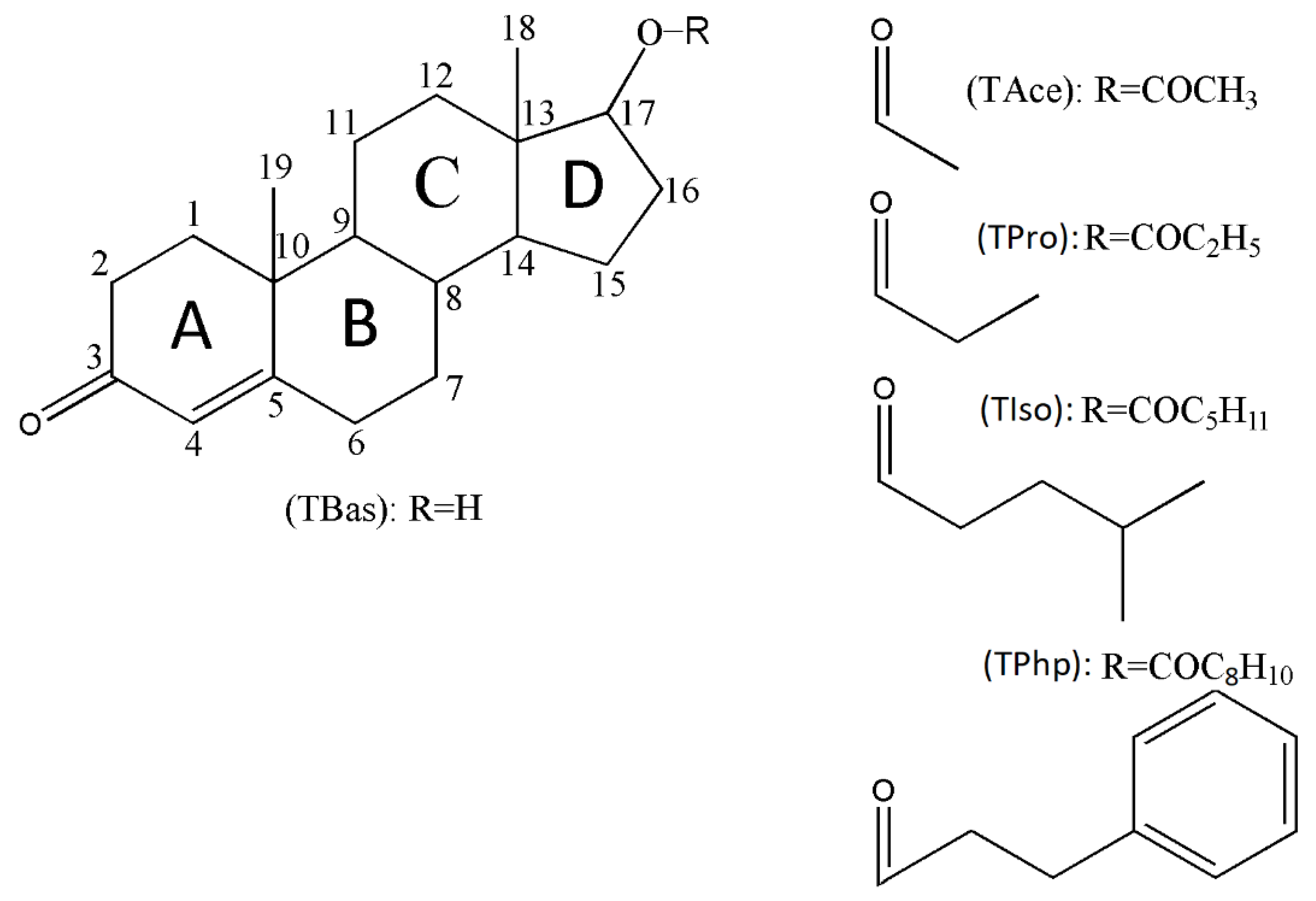
Let's break down these rings. We've got three six-membered rings, and then one five-membered ring attached. They're all linked up in a specific, sort of interlocking way. Pretty neat, right? It’s like a molecular puzzle that fits together perfectly.
The "Who's Who" of Steroids: It All Starts Here!
Why should we care about this four-ringed foundation? Well, because it's the parent of so many things we know and hear about. Think about cholesterol – that's the big one, often misunderstood, but super important for cell membranes and a precursor to all other steroids. Then you've got your sex hormones like estrogen and testosterone. Yep, the steroid nucleus is the common ancestor!
And it doesn't stop there. The steroid nucleus is also the basis for cortisol, which plays a role in stress and inflammation, and even things like Vitamin D. It's like the central station from which all these important signals and structures branch out.
So, when scientists talk about drawing the structure for the steroid nucleus, they're essentially drawing the fundamental shape that makes all these vital molecules possible. It's the skeleton that gets dressed up in different chemical "clothes" to perform different jobs.
Visualizing the Unseen: Let's Get Sketchy!
Now, how do we actually draw this thing? Don't worry, you don't need to be a chemistry prodigy! We're talking about a simplified representation, a way to get the basic shape down. It's like drawing a stick figure before you add all the details of clothing and hair.
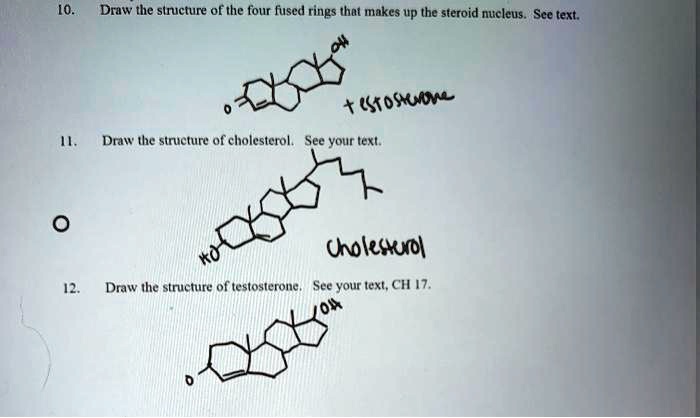
We'll use basic geometric shapes – specifically, rings. Remember those three six-membered rings and one five-membered ring we talked about? We connect them. Think of it like building with hexagonal and pentagonal blocks. The exact way they're connected is key. They're fused together, sharing sides.
Imagine placing your hexagonal blocks side-by-side, then attaching your pentagonal block to one of the hexagons. It forms a specific, somewhat chunky, but elegant arrangement. This is the core steroid structure. It's the fundamental plan.
Ring Names and Numbering: Getting a Little Technical (But Still Fun!)
Chemists, bless their organized hearts, have given names to these rings. The three six-membered rings are called A, B, and C. The five-membered ring is called D. So, you'll often hear it referred to as the A, B, C, D ring system.
They also have a numbering system. This is important for when scientists start adding those "clothes" – the functional groups – to the nucleus. They need a way to say, "Okay, this group is attached to carbon number 3, and that group is on carbon number 17." It’s like giving each corner of your blueprint a specific address.

While you don't necessarily need to memorize the exact numbering for a casual understanding, knowing that it exists helps appreciate the precision involved. It’s how we can differentiate between a testosterone molecule and an estrogen molecule, even though they share the same basic steroid nucleus!
Why is this Structure So Special? The Power of the Rings
So, why this particular arrangement of four rings? Why not five, or three? It’s a bit like asking why a specific key fits a specific lock. The shape of the steroid nucleus is perfectly suited to interact with certain biological molecules and receptors in our bodies. It’s a shape that nature found to be incredibly useful.
The rigidity of the fused ring system is also important. It means the molecule has a defined three-dimensional shape. This shape is crucial for its function. Think of it like a carefully crafted tool; its specific form allows it to do its job effectively. If it were too flexible, it might not fit into the enzyme or receptor it's meant to interact with.
And the fact that it's relatively flat, or has specific angles, also plays a role in how it fits into binding sites. It's a masterclass in molecular design, developed over millions of years of evolution.

Beyond the Drawing Board: What Steroids Do
Once we have this basic steroid nucleus, the magic really begins when chemical groups are added. Imagine our basic four-ring structure is like a plain t-shirt. Now, you can add pockets, different colored dyes, patterns, and embroidery. These additions are the functional groups that give each steroid its unique properties and functions.
For example, adding a hydroxyl group (-OH) in a specific spot can change its signaling capabilities. Adding a ketone group (=O) or a double bond can alter its solubility or how it binds to proteins.
This is why understanding the steroid nucleus is so foundational. It's the unchanging core, the reliable platform upon which all the diverse functions of steroids are built. It's the foundation of the house before you start adding rooms and decorations.
A World of Applications: From Health to Hormones
The impact of molecules derived from the steroid nucleus is enormous. We've already touched on sex hormones, which are fundamental to reproduction and development. But let's not forget the medicinal applications.
Corticosteroids, like prednisone, are powerful anti-inflammatory drugs used to treat a wide range of conditions, from asthma to arthritis. They work by mimicking the action of cortisol, our body's natural stress hormone, and modulating our immune response.
Even things we consume, like dietary supplements, can involve steroid derivatives. It just goes to show how pervasive and important this molecular framework is to life as we know it.
So, What's the Takeaway?
The next time you hear the word "steroid," try to picture that fundamental four-ringed structure. It’s not just a jumble of atoms; it’s a remarkably elegant and versatile molecular framework that underpins a huge variety of biological processes and has countless applications in medicine and beyond.
Drawing the steroid nucleus is like sketching the foundational blueprint of a magnificent castle. It might seem simple on its own, but it's the essential starting point for understanding all the complex and vital structures that it gives rise to. It’s a testament to the ingenious design found in nature, a reminder that even the most complex molecules often have a beautifully simple core.