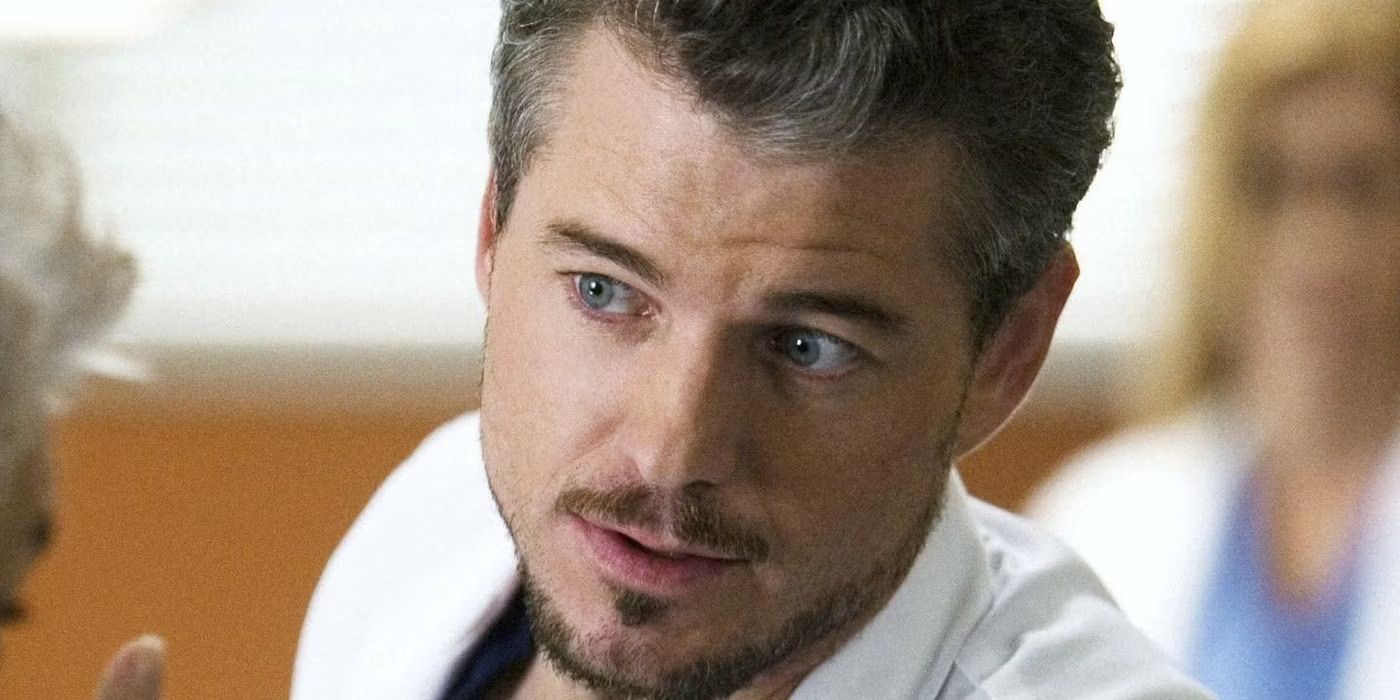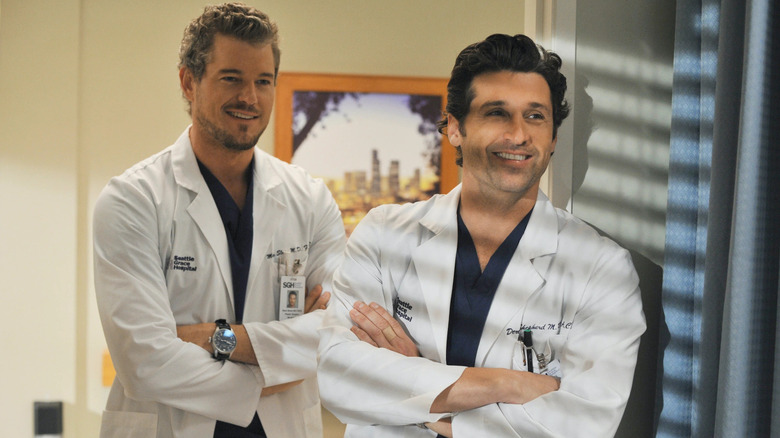
Ah, Grey's Anatomy. The show that taught us everything we needed to know about love, loss, and the surprisingly high stakes of a surgical scrub. For years, two particular doctors held court, not just with their scalpel skills but with their seriously memorable nicknames. We're talking, of course, about Dr. Derek Shepherd, a.k.a. "McDreamy," and his equally chiseled rival, Dr. Mark Sloan, affectionately (and perhaps a little devilishly) known as "McSteamy."
This wasn't just some on-the-fly naming convention. These nicknames weren't just thrown around; they were practically brand identities, weaving themselves into the very fabric of the show's narrative. They spoke volumes about the characters, their appeal, and the intense rivalries that kept us glued to our screens. So, let's dive into the fascinating world of these iconic monikers and explore the character arcs they so perfectly encapsulated. Grab your favorite latte, settle in, and let's have a little fun dissecting the magic of McDreamy and McSteamy.
The Genesis of Genius Nicknames
It's easy to assume these names just happened. But like a perfectly executed appendectomy, there's a craft behind them. The brilliance lies in their simplicity and their instant recognition. "McDreamy" and "McSteamy" are instantly understandable, painting a vivid picture before you even see the character on screen. They tap into a primal, almost mythological appeal – the ultimate fantasy doctor.
Think about it. Before social media was the behemoth it is today, nicknames like these were word-of-mouth gold. They spread like wildfire, becoming inside jokes for fans and a shorthand for the show's most compelling male leads. It’s a testament to the writers’ understanding of pop culture and their ability to create characters that resonated on a deeply personal level.
This kind of naming convention isn't entirely new, of course. Think of other fictional characters with instantly recognizable labels. But "McDreamy" and "McSteamy" hit a particular sweet spot. They're not just descriptive; they're aspirational. They promise a certain kind of… well, dreaminess and steaminess that fans were eager to explore.
McDreamy: The Quintessential Romantic Lead
Dr. Derek Shepherd. The neurosurgeon with the perfect hair, the impossibly kind eyes, and the talent to match. From the moment he walked into Seattle Grace, he was a force. And "McDreamy"? It was the nickname that perfectly encapsulated his role as the ultimate romantic fantasy. He was the guy you’d want to wake up next to, the one who’d whisper sweet nothings while meticulously mapping out a brain surgery.
His character arc began as the enigmatic stranger, the impossibly good-looking doctor who caught Meredith Grey’s eye in a bar. He was the embodiment of a whirlwind romance, the kind that makes you believe in fate, soulmates, and the power of a perfectly timed glance. He was the idealized version of a partner – intelligent, compassionate, and undeniably attractive.
Early on, Derek was all about the passion, the grand gestures, and the undeniable chemistry with Meredith. He was the man who would fight for love, even when it meant crossing professional and personal boundaries. His initial struggles revolved around his complicated marital situation, a classic soap opera trope that only added to his allure and the dramatic tension.
As the show progressed, however, McDreamy's arc became more nuanced. He wasn't just the dreamy doctor; he was a man facing real-world challenges. His ambition often clashed with his desire for stability, and his commitment to Meredith was tested time and again. We saw him grapple with leadership roles, personal sacrifices, and the heavy responsibility of saving lives. He evolved from a somewhat idealized figure into a flawed but fundamentally good man.

One of the most striking aspects of Derek's arc was his unwavering dedication to his specialty. He was a true innovator, pushing the boundaries of neurosurgery. This dedication, while admirable, also often placed him at odds with his personal life, creating relatable conflicts for viewers who understand the pressures of demanding careers. He showed us that even the "dreamiest" individuals have to make difficult choices.
The cultural impact of "McDreamy" is undeniable. He became a shorthand for the attractive, intelligent doctor, influencing perceptions and perhaps even inspiring aspiring medical professionals. He was the poster boy for the modern romantic hero, a figure who seamlessly blended professional excellence with personal charm.
Practical Tip: Embrace Your "McDreamy" Moments
While we might not all have Derek Shepherd’s scalpel skills or his impossibly tousled hair, we can all embrace our own "McDreamy" moments in daily life. This isn't about being perfect; it's about being present and showing genuine care. It could be as simple as remembering a friend's birthday, offering a listening ear without judgment, or tackling a challenging task with determination and a positive attitude. Think about what makes you feel confident and capable, and lean into that. It’s about bringing a little bit of that aspirational energy into your everyday interactions.
McSteamy: The Charismatic (and Complicated) Antagonist
Then there was Dr. Mark Sloan. The plastic surgeon. The man who was, shall we say, effortlessly charming, with a penchant for getting into (and often out of) trouble. "McSteamy" was the nickname that perfectly captured his sex appeal, his confidence, and his often questionable, yet undeniably magnetic, personality. He was the guy who could walk into a room and command attention, a stark contrast to Derek's more understated magnetism.
Mark's introduction was as Derek's former best friend and rival, a man who had a complicated history with Derek’s wife, Addison. This immediately set him up as the "other guy," the charming but potentially dangerous interloper. His initial characterization leaned heavily into his playboy persona, a man who lived by his own rules and reveled in his attractiveness.
His character arc was perhaps even more compelling than Derek's because it involved a significant transformation. For much of the early seasons, McSteamy was the villain, the antagonist who disrupted the carefully constructed relationships. He was the embodiment of impulsive decisions and a life lived for immediate gratification. His relationships were often superficial, driven by his desire for conquest rather than genuine connection.
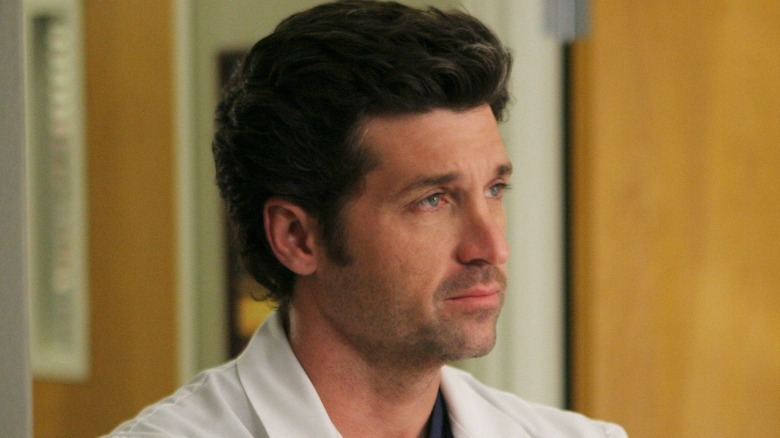
However, as the show unfolded, we saw glimpses of a deeper, more vulnerable Mark Sloan. His relationship with Lexie Grey was a turning point, showing a capacity for genuine love and commitment that many initially doubted he possessed. He began to shed his superficial exterior, revealing a man who yearned for something more meaningful than just fleeting encounters.
Mark’s journey was about redemption. He worked to mend his fractured relationships, particularly with Derek. He became a mentor to younger surgeons, taking on a more responsible and nurturing role. He faced personal tragedies and demonstrated remarkable resilience, proving that his charisma wasn't just a façade, but a component of a more complex individual.
His dedication to plastic surgery was also a key aspect of his character. While often seen as the "fluffier" specialty, Mark approached it with the same intensity and skill as Derek approached neurosurgery. He used his talents to help people, to rebuild and restore, which added another layer to his evolving persona.
The "McSteamy" nickname, while initially fitting his more roguish persona, eventually became a playful nod to his undeniable charisma and his journey towards becoming a better man. It’s a testament to how a character’s evolution can redefine even the most suggestive of monikers.
Fun Fact: The Power of a Good Nickname
Did you know that nicknames can actually influence how we perceive ourselves and how others perceive us? In psychology, this is often linked to the "labeling effect." When someone is consistently called "McSteamy," they might unconsciously start to embody some of those traits. Conversely, when a character like Mark Sloan starts to show growth, the audience’s perception of the nickname can also shift, allowing it to take on new, positive connotations.
The Rivalry That Defined an Era
The dynamic between McDreamy and McSteamy wasn't just about who was the better surgeon; it was about a deep-seated rivalry born from shared history and competing desires. Their banter was sharp, their competitive spirit was palpable, and their underlying affection for each other, despite the animosity, was what made their interactions so compelling.
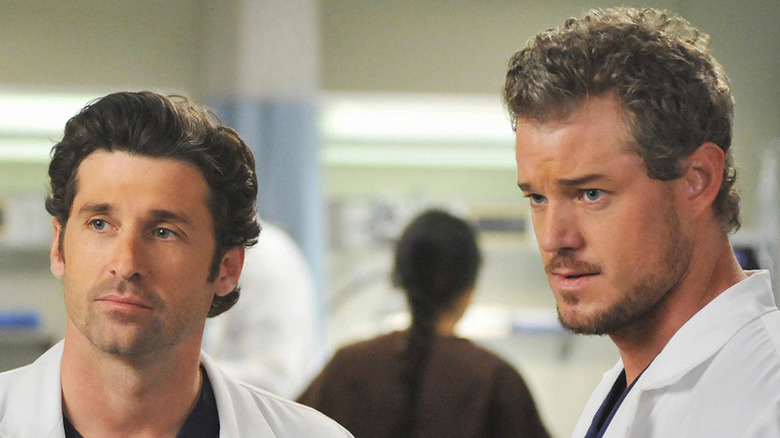
They represented two sides of the same coin: the charismatic, successful surgeon. Derek was the more grounded, responsible one, while Mark was the risk-taker, the one who lived life with a bit more flair (and a lot more scandal). Their contrasting personalities created a natural friction that fueled much of the show’s early drama.
Their rivalry wasn't just confined to the operating room. It extended to their personal lives, their romantic pursuits, and their ambitions within the hospital. This made their conflicts feel deeply personal and relatable, even amidst the high-octane world of a busy surgical residency.
The evolution of their relationship from bitter rivals to genuine friends and confidantes was a slow burn, a testament to the writing and the actors' chemistry. They learned to respect each other's strengths and to forgive each other's past transgressions. This transformation added a layer of maturity to the show and demonstrated that even the most intense rivalries can evolve into something deeper.
Cultural Reference: The "Bro Code" Reinvented
The evolving friendship between Derek and Mark reminds us of the complexities of male friendships, often referred to as the "bro code." While there are unspoken rules, these codes can also be challenged and rewritten. Their journey illustrates how men can navigate competition, betrayal, and ultimately, find a way to build a strong, supportive bond based on mutual respect and understanding. It's a more nuanced portrayal than we often see.
Beyond the Nicknames: The Enduring Legacy
"McDreamy" and "McSteamy" are more than just silly nicknames; they are integral to the identity of these characters and the enduring popularity of Grey's Anatomy. They represent archetypes that resonate with audiences: the unattainable ideal and the charming rogue. But the show didn't stop there. It allowed these archetypes to evolve, to become more human, more relatable, and ultimately, more beloved.
The characters’ journeys were about more than just finding love or excelling in their careers. They were about personal growth, about facing their flaws, and about the enduring power of human connection. Even after the show has moved on, these characters and their nicknames continue to be a significant part of pop culture history.

Their stories taught us that even the most "dreamy" or "steamy" individuals have their struggles. They showed us that redemption is possible and that true strength often lies in vulnerability. The legacy of McDreamy and McSteamy is a testament to the power of well-developed characters and the narratives that allow them to truly shine.
Their arcs remind us that life isn't always black and white. There are shades of grey, complex relationships, and the potential for growth in everyone. Even the characters we might initially dismiss as purely superficial can reveal surprising depths and undergo profound transformations.
Quick Takeaway: The Nuance of "Type"
We all have our "types," whether in fictional characters or real life. But the magic of stories like Grey's Anatomy is that they challenge these assumptions. McDreamy wasn't just the perfect guy; he had his issues. McSteamy wasn't just a player; he found a capacity for deep love. It’s a good reminder to look beyond first impressions and appreciate the complexity within individuals.
Reflection: Finding Our Own "Mc" Moments in Everyday Life
Stepping away from the drama of Seattle Grace, what can we glean from the journeys of McDreamy and McSteamy? It’s not about aspiring to be a surgical superstar or a certified heartthrob. It’s about recognizing the potential for growth and depth in ourselves and in others.
Derek’s dedication to his craft and his unwavering belief in love are qualities we can admire and emulate. Mark’s transformation from a somewhat selfish individual to a man capable of deep commitment and mentorship offers a powerful message of redemption. Their stories, though fictional, provide a lens through which to examine our own lives.
We all have moments where we can be our own version of "McDreamy" – showing up with kindness, competence, and a steady hand in a difficult situation. And we all have the capacity for "McSteamy" moments – embracing our charm, pursuing our passions with vigor, and being open to the possibility of genuine connection and transformation. It’s about embracing the full spectrum of who we are, the good, the flawed, and the ever-evolving.
So, the next time you find yourself facing a challenge, or perhaps just enjoying a quiet moment, consider what your own "Mc" moment might be. It's about approaching life with a little more intention, a little more heart, and a lot more willingness to embrace the beautiful, messy, and ultimately rewarding journey of becoming the best version of ourselves.