Ah, toothpaste! That minty fresh companion to our morning and evening routines. For many of us, that satisfying lather and the clean feeling afterward are more than just a habit; they're a little ritual that brings a sense of well-being. And who doesn't want a brighter, more confident smile? It’s no wonder the idea of leaving toothpaste on our teeth, beyond the usual brushing, has popped into people’s minds. It’s that age-old quest for a dazzling smile without a trip to the dentist.
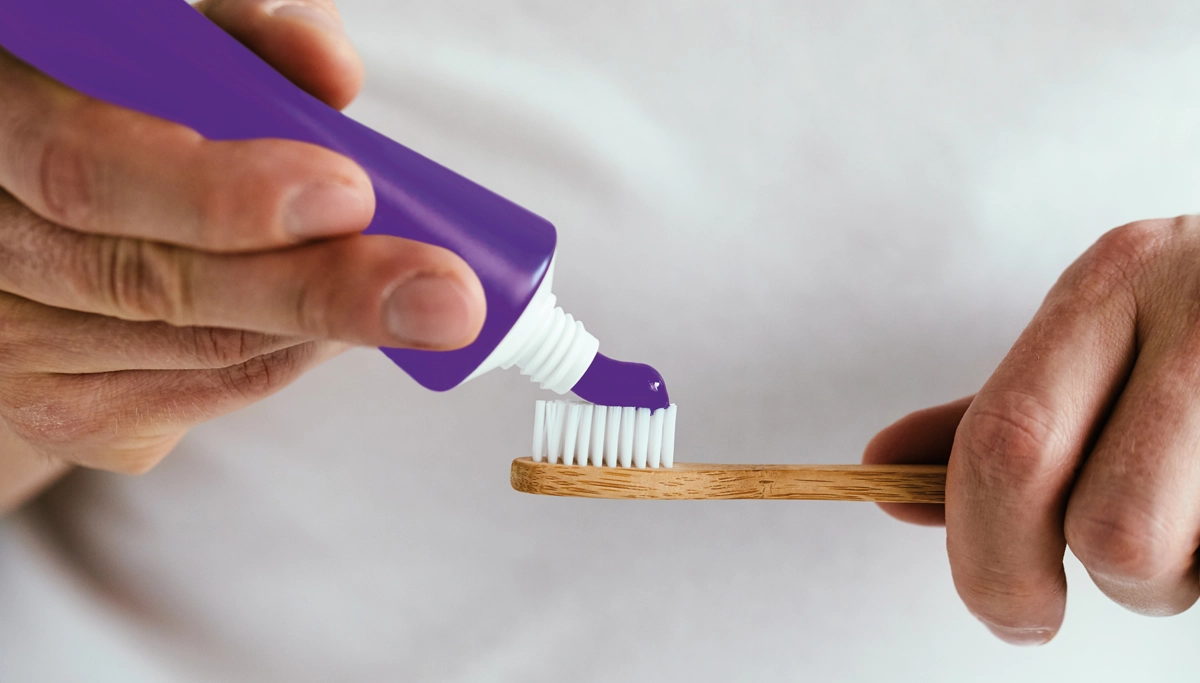
The primary purpose of toothpaste, as we all know, is to clean our teeth. It helps to remove plaque, that sticky film of bacteria, and fight cavities by delivering fluoride. That refreshing minty sensation? That’s often thanks to flavorings that leave your mouth feeling clean and your breath smelling pleasant. So, in essence, toothpaste is our daily defense against oral health issues and a key player in achieving that bright, white smile we all desire. The daily brushing with toothpaste is the cornerstone of good oral hygiene.
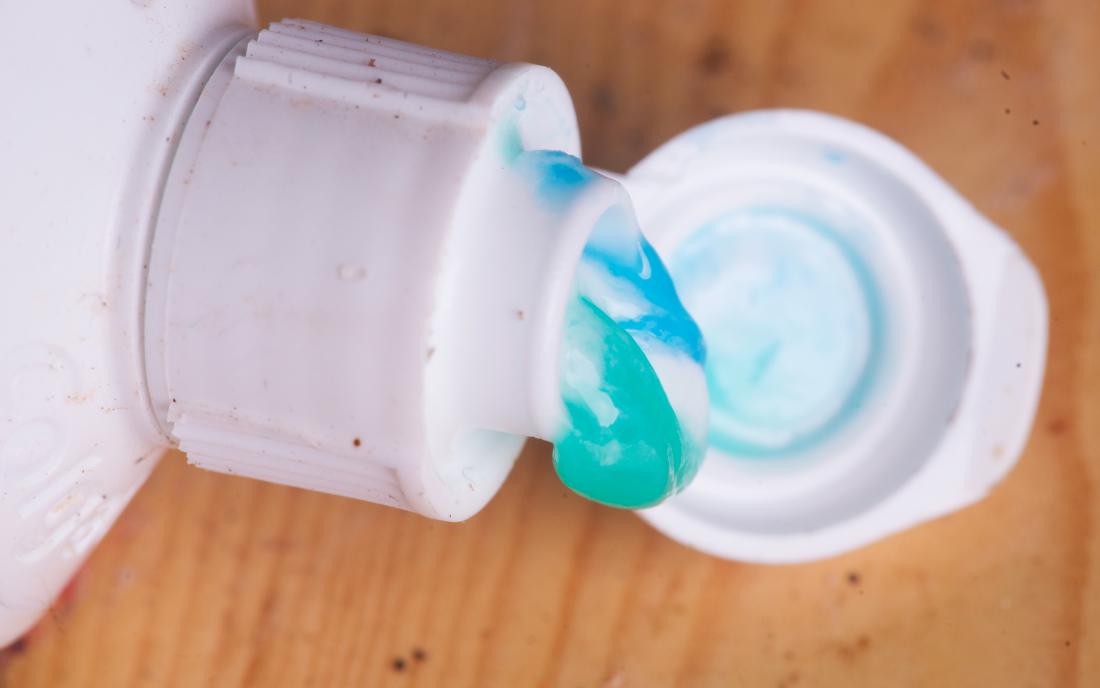
Now, about this idea of leaving toothpaste on. You might have seen or heard about people leaving a thin layer of toothpaste on their teeth for a few minutes after brushing, perhaps even letting it air dry. The logic behind this is that by prolonging the contact time between the active ingredients in the toothpaste and your tooth enamel, you might be giving them a better chance to work their magic. Think of it like letting a good face mask sit a little longer to absorb all the goodness. Common examples of this practice often involve using your regular fluoride toothpaste, though some might experiment with whitening toothpastes, hoping for an extra boost.
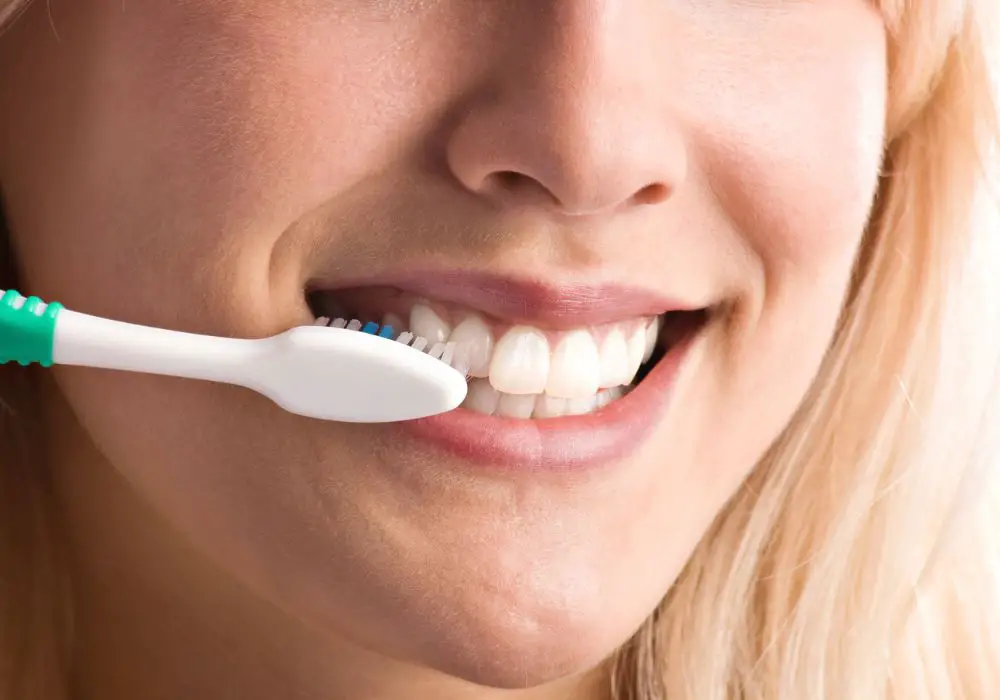
So, does it actually work for whitening? Here's the honest truth: traditional fluoride toothpastes are primarily designed for cleaning and cavity prevention, not significant long-term whitening. While they might remove surface stains that dull your smile, they typically don't contain ingredients that drastically change the intrinsic color of your teeth. Whitening toothpastes often contain mild abrasives that polish away stains or sometimes very low concentrations of bleaching agents. Leaving them on for a prolonged period might offer a slight increase in stain removal, but it's unlikely to deliver dramatic whitening results like professional treatments.
If you're curious about giving this a try, there are a few practical tips to keep in mind. Firstly, always use a toothpaste with fluoride for its protective benefits. Secondly, if you choose to leave it on, do so for a short period – perhaps an extra minute or two after your regular brushing routine. Don't let it dry out completely, as this can be uncomfortable and potentially lead to sensitivity. Think of it as a little extra polish. Rinse thoroughly afterward. And importantly, listen to your body. If you experience any sensitivity or discomfort, stop the practice immediately. For truly noticeable whitening, it’s always best to consult with your dentist about professional options like whitening strips, gels, or in-office treatments. They can offer safe and effective ways to achieve a brighter smile tailored to your needs!