
Ah, Kentucky Bluegrass. That velvety carpet of green that makes our lawns look like they belong in a magazine. We love it when it's lush and vibrant, a testament to sunny days and gentle rain. But then… winter rolls around. And sometimes, our beloved green goes a little… off-color. So, the age-old question pops up: Does Kentucky Bluegrass turn brown in winter? The short answer, my friends, is a resounding… well, it’s complicated and kind of beautiful, actually.
Imagine your lawn as a stylish friend who has a favorite outfit. In the summer, that outfit is a dazzling emerald green, all bright and eye-catching. But when the temperatures drop and the days get shorter, even the most fashionable among us might switch to something a little more subdued. They might swap their bright silks for cozy woolens, their vibrant colors for earthier tones. That's pretty much what Kentucky Bluegrass does.
It doesn't die. Oh no, that would be a tragedy! Instead, it’s like it’s putting on its winter coat. The vibrant green pigments, the ones that are so good at soaking up sunshine, start to fade. They take a well-deserved break. Think of it as the grass hunkering down, conserving its energy, and preparing for the grand reawakening of spring. It’s a natural process, a clever survival tactic that’s been perfected over centuries. It’s nature’s way of saying, "I'm still here, just taking a little nap."
When you see that brownish hue, it’s not a sign of defeat; it’s a sign of resilience. It’s the grass telling you, "Hey, I’m not actively growing right now, but don't you worry. My roots are strong, and I’m just chilling underground, dreaming of warmer days." It’s like a secret handshake between you and your lawn, a quiet understanding that this browning is temporary, a prelude to something even better.
Sometimes, the browning can be more dramatic than others. If you’ve had a particularly dry fall, or if the winter has been exceptionally harsh with a lot of frozen ground and biting winds, your Kentucky Bluegrass might lean into its brown phase with gusto. It might look like it’s completely given up. But look closely. Poke at it. You'll likely find that underneath that straw-like appearance, there's still life. The blades might be brittle, but the roots are still very much alive and kicking (or rather, anchoring and waiting).
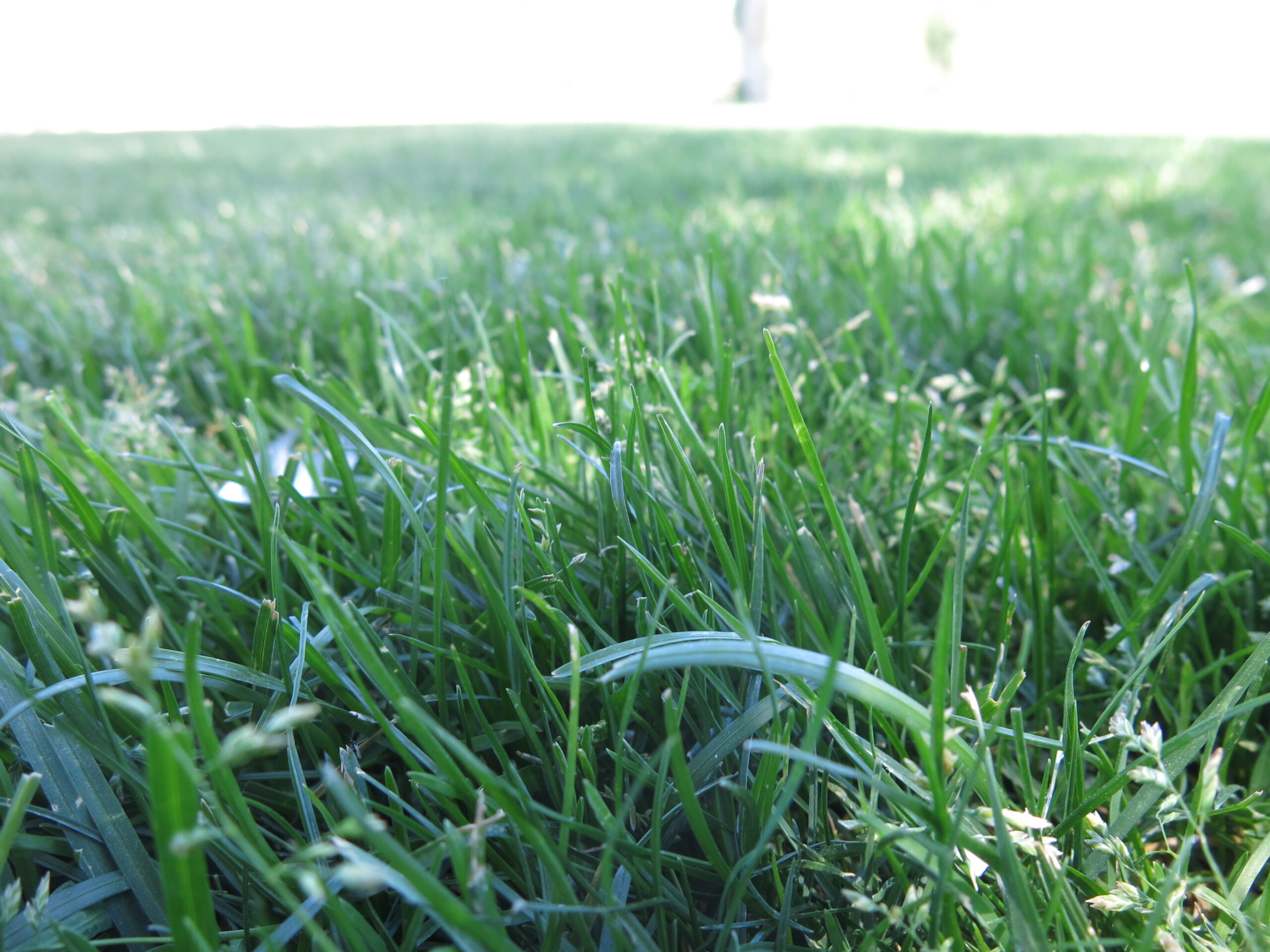
And here’s where it gets really interesting, and dare I say, a little heartwarming. That brown isn't just any brown. It’s a rich, earthy, almost golden-brown. It has a certain rustic charm to it. Think of a beautiful, antique wooden table. It’s not always brightly colored, but it has a depth and a character all its own. That winter browning of Kentucky Bluegrass can create a stunning visual contrast with evergreens in your garden. It can make the red berries on your holly bush pop, or the dark needles of your pine tree stand out even more. It’s a different kind of beauty, a subtle elegance that often goes unnoticed when the grass is in its summer prime.
It's nature's way of saying, "I'm still here, just taking a little nap."
Think about it. We spend so much time and effort nurturing our lawns to be perfectly green. And then, when nature decides it’s time for a change, we sometimes get a little… anxious. But what if we embraced this winter phase? What if we saw that brown lawn not as a problem, but as a period of rest and reflection? It's a chance for us to appreciate the cyclical nature of things. It's a reminder that even in dormancy, there's beauty and life waiting to re-emerge.
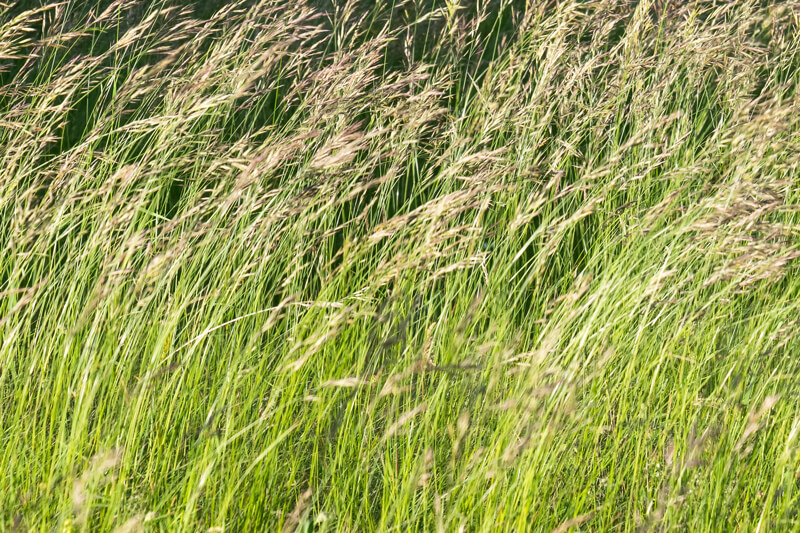
So, the next time you look out at your lawn and see that familiar brown blanket, don't despair. Smile. Give a little nod of appreciation to your Kentucky Bluegrass. It's not turning brown because it's sad or dying; it's turning brown because it's wise. It’s a seasoned performer taking a well-deserved break before its next dazzling performance. It's a little bit of resilience, a touch of rustic charm, and a whole lot of promise for the spring to come.
And who knows, maybe that muted, earthy tone can be quite appealing in its own right. It’s the color of coziness, of quietude. It’s the color of a world taking a deep breath before it bursts back into life. So, let your Kentucky Bluegrass be brown this winter. It’s a sign that it’s doing exactly what it’s supposed to be doing, and that, my friends, is something to be celebrated.
It's a beautiful dance of nature, this ebb and flow of color. And our humble Kentucky Bluegrass is a masterful dancer, always knowing when to shine and when to rest. It’s a little piece of magic right in our own backyards, teaching us about patience, resilience, and the enduring beauty of every season.
![Kentucky Bluegrass for Lawns [The Ultimate Guide] - Lawn Chick](https://i0.wp.com/lawnchick.com/wp-content/uploads/2020/11/when-to-plant-kentucky-bluegrass.jpg?w=640&ssl=1)

:max_bytes(150000):strip_icc()/Kentucky-bluegrass-big-2bfd5e0933514004b6ee11e86767a142.jpg)
:max_bytes(150000):strip_icc()/kentucky-bluegrass-7104710_02-e9c6b429b23e41e5afcacb5f11f5b2c9.JPG)
:max_bytes(150000):strip_icc()/kentucky-bluegrass-7104710_05-8b33c40a65654b5bb4393703f95d6eeb.JPG)
:max_bytes(150000):strip_icc()/kentucky-bluegrass-7104710_01-c5065feb544f49f38206a0fa7a7ae504.JPG)