
Hey there, DIY warriors and bathroom renovators! Today, we're diving into a topic that might sound drier than a week-old sponge: cement board behind tub surrounds. I know, I know, thrilling stuff, right? But stick with me, because this little bit of construction knowledge is actually kind of a big deal. And dare I say, it can be a little bit fun to talk about. Think of it as the unsung hero of your bathroom, silently saving you from aquatic disasters.
So, you’re staring at your shiny new tub surround. Maybe it’s that sleek acrylic, or perhaps a fancy tile situation. You’re picturing sudsy bliss, spa days in your own home. But before you get too carried away with bubble baths, let’s talk about what’s lurking behind that pretty facade. It’s like the secret ingredient in a killer recipe – you don't always see it, but it's crucial.
Is Cement Board a Tub Surround BFF?
The short answer? Pretty much, yes! For most tub surround installations, especially if you're going for anything beyond the simplest peel-and-stick situation, cement board is your friend. Think of it as the super-powered drywall for your wet zone.
Why? Because bathrooms are basically water parks, people! Your tub and shower are ground zero for moisture. And regular drywall? Well, let's just say it's not a fan of constant humidity. It can get soggy, moldy, and generally turn into a sad, disintegrating mess. And nobody wants a sad, disintegrating wall in their sanctuary of suds.
The Quirky World of Water Resistance
This is where cement board shines. It's made from… you guessed it… cement! Mixed with aggregate and often reinforced with mesh. It’s basically a super-tough, moisture-resistant slab. It doesn't warp, rot, or encourage the growth of those fuzzy green things we all pretend not to see under the sink.
Imagine your bathroom wall as a castle. Regular drywall is like a cardboard cutout – pretty from afar, but easily damaged by a rogue water balloon. Cement board is the sturdy stone foundation. It can handle the daily onslaught of steam, splashes, and… well, you know, the general chaos that happens in a bathroom. It’s the silent guardian, the watchful protector.
:max_bytes(150000):strip_icc()/installing-a-tub-or-shower-surround-2718986-hero-40160398595d4544b639b3398cdb247c.jpg)
Now, you might be thinking, "But my tub surround is already waterproof!" And that's a fair point. Many acrylic and fiberglass surrounds are designed to keep water out. But here's the kicker: even the most waterproof surround isn't a perfect, hermetically sealed unit. There will always be some moisture that finds its way behind it, especially around the edges and seams.
And that’s where our trusty cement board steps in. It provides an extra layer of defense. It’s like wearing a raincoat and carrying an umbrella. You’re covered, whatever the weather!
When is Cement Board a MUST-HAVE?
Okay, let's get a little more specific. If you're installing tile over your tub surround area, then cement board is not just recommended, it's practically mandatory. Why? Because tiles need a solid, stable backing. And they don't play well with the flexibility of drywall. Cement board gives your tiles a firm foundation to stick to, preventing cracks and grout failures down the line. It’s the difference between a stunning mosaic and a mosaic that looks like it's been through a mild earthquake.

Even with some of the newer, more robust one-piece tub surrounds, using cement board behind it is often a good idea. It provides a smooth, consistent surface for the surround to adhere to, ensuring a tight seal. Plus, it adds a layer of rigidity that can make the whole installation feel more solid and professional.
The "Can I Skip It?" Moment (and why you shouldn't!)
Let's be honest, we've all had those moments of DIY temptation. "Can I just skip this step? It'll save time and money!" I get it. But when it comes to moisture-sensitive areas like a bathroom, skipping the cement board is like trying to build a sandcastle during high tide. You're setting yourself up for a soggy situation.
Think of the potential consequences. Mold growth is a big one. It's not just unsightly; it can be bad for your health. Then there's the structural damage. Water can seep into your studs, causing rot and compromising the integrity of your walls. And let's not even talk about the potential for costly repairs down the line. Replacing water-damaged drywall and dealing with mold remediation is a whole lot more expensive and a lot less fun than installing cement board in the first place.
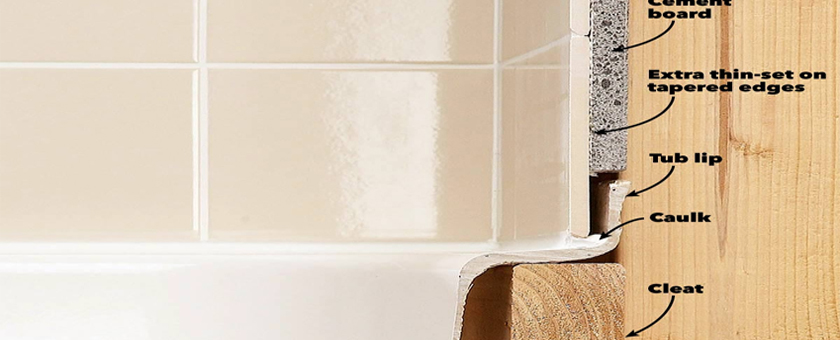
It’s kind of like that tiny little piece of advice your grandma always gave you – you might not think you need it at the time, but trust me, you’ll thank yourself later. It's the same with cement board. It’s a small investment of time and effort for a huge payoff in terms of durability and peace of mind.
The Funky Facts of Cement Board
Did you know that cement board is also used in other "wet areas" of your home? Think laundry rooms, backsplashes in kitchens (especially if you're a messy cook like me!), and even outdoor kitchens. It's the versatile workhorse of the building world. It's like the Swiss Army knife of wall backings.
And here's a little quirky detail: while it’s incredibly strong, cement board can be surprisingly easy to cut. With the right tools, of course! It’s not like trying to saw through a granite countertop. It’s a satisfyingly clean break. Almost meditative. Okay, maybe not meditative, but definitely satisfying.
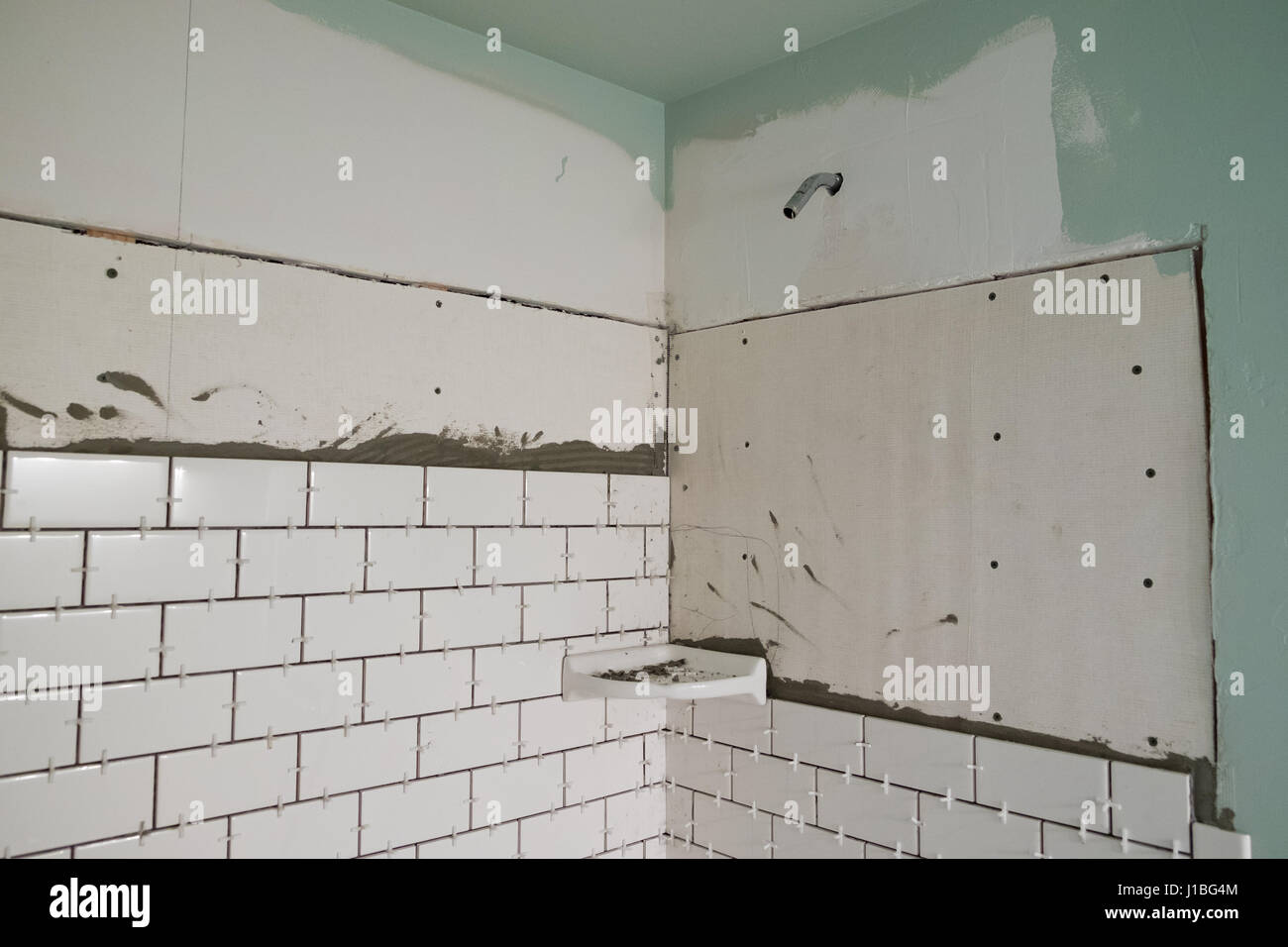
Also, the installation process itself is pretty straightforward. You'll typically screw it directly to your studs. It creates a solid, flat surface that's ready for your chosen tub surround material. It's like giving your wall a nice, smooth canvas to work with. No more bumpy, inconsistent surfaces to contend with.
Making Your Bathroom Battle-Ready
So, the next time you're planning a bathroom renovation, or even just contemplating a tub surround update, remember our friend, cement board. It's not the flashiest part of the project, but it's undeniably important. It's the behind-the-scenes magician that keeps your bathroom beautiful and, more importantly, dry.
It’s about creating a bathroom that not only looks good but also stands the test of time (and a lot of water!). It’s about smart building, about preventing problems before they even start. It’s about making your bathroom a true oasis, not a ticking time bomb of moisture damage.
So, embrace the cement board, my friends! It might not be the most glamorous topic, but it’s a crucial one. And knowing this little nugget of wisdom will make you feel like a construction guru. You'll be able to chat about it at parties (okay, maybe not that many parties, but you get the idea) and impress your friends with your newfound building knowledge. Now go forth and renovate with confidence, knowing your tub surround has a solid, moisture-proof friend behind it!


