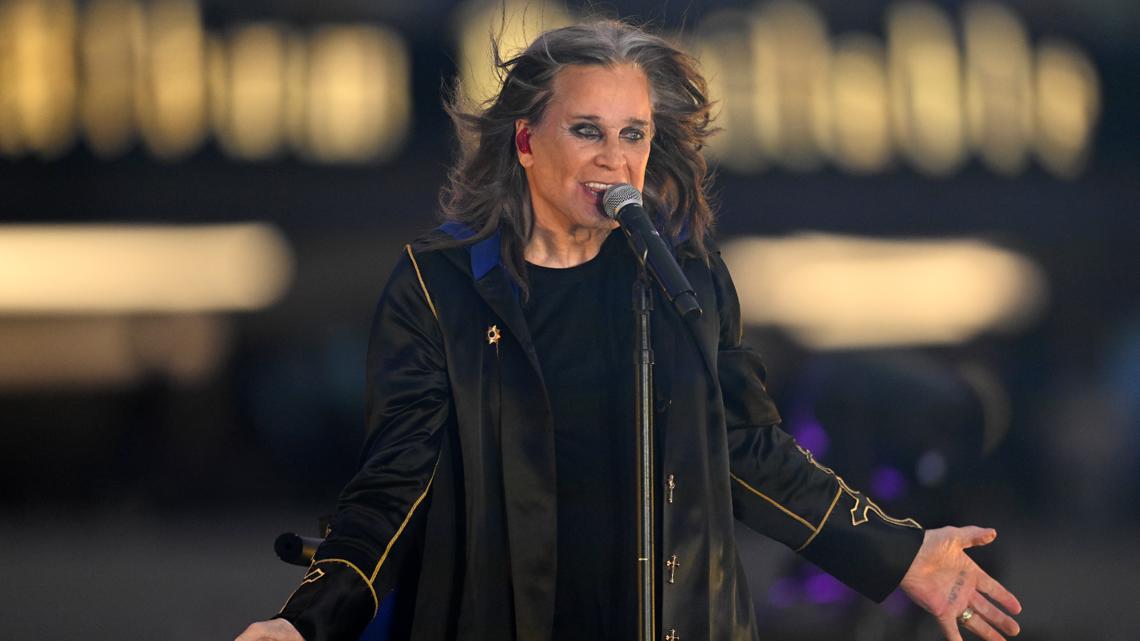
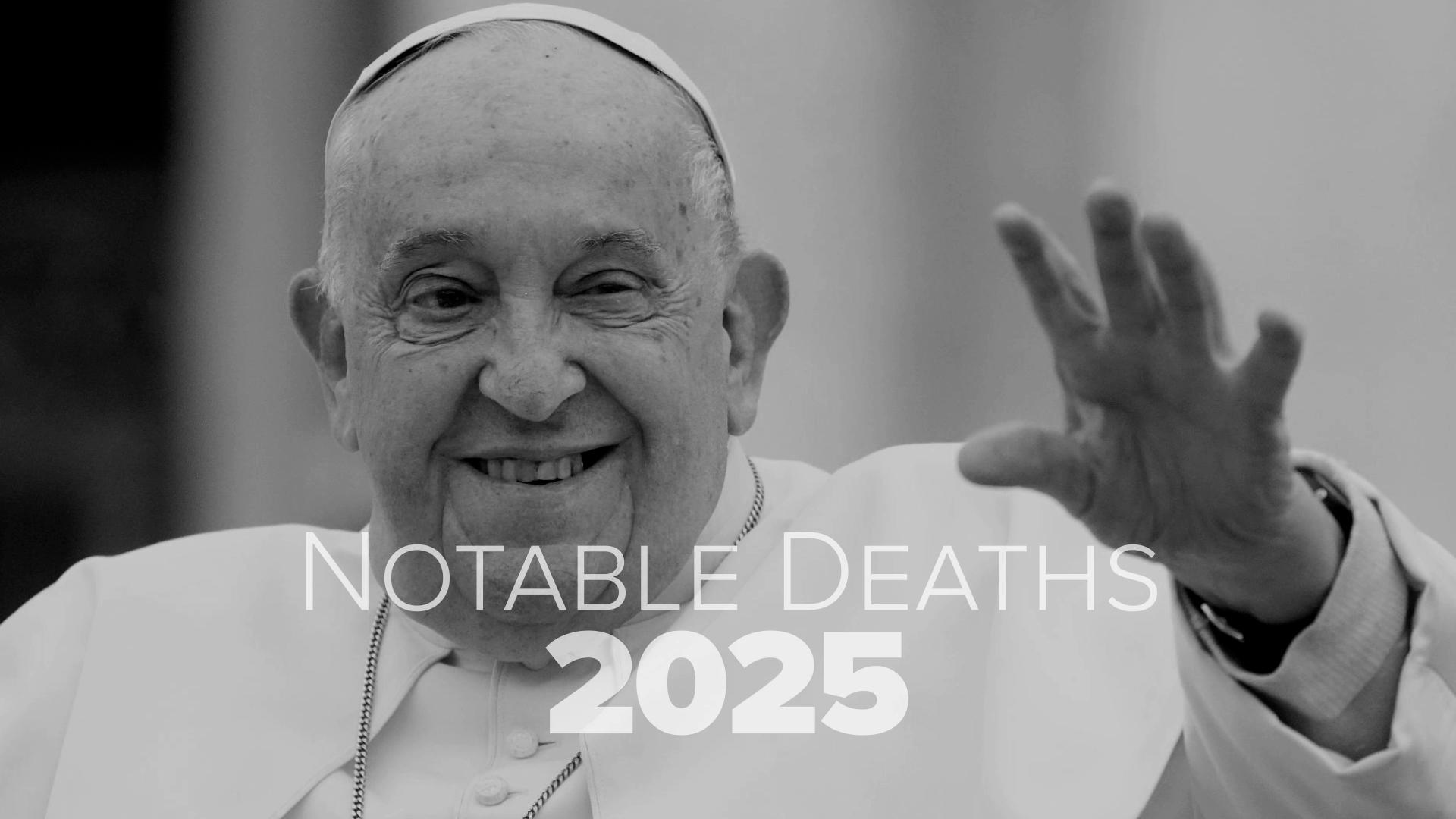
It might sound a little morbid at first, but there's a certain human curiosity that draws us to the passing of well-known figures. Whether it's an actor whose performances have filled our screens with joy, a musician whose songs have provided the soundtrack to our lives, or an athlete who has inspired us with their dedication, celebrities often become a part of our collective cultural landscape. When they depart, it's natural to want to know, to understand, and to pay respects. This is where the quest for reliable, confirmed celebrity death updates comes in.
The purpose of seeking out these updates isn't just about gossip; it's about factual awareness and engaging with a cultural moment. In a world flooded with information, distinguishing between fact and speculation is crucial. Knowing where to find confirmed news helps us avoid spreading misinformation and ensures we're getting our information from trustworthy sources. It allows us to participate in discussions, share condolences with genuine information, and understand the impact these individuals had on their fields and on us.
Think about it in an educational context. For students studying media literacy, understanding how to vet news sources, especially during fast-moving events like celebrity deaths, is an invaluable skill. It’s a practical, real-world application of critical thinking. In our daily lives, it’s about being informed citizens. If a beloved public figure passes, being able to quickly access verified news allows for respectful online engagement, avoids confusion, and helps us understand the broader cultural conversation that often ensues.
So, where can you find these reliable, confirmed updates? The best places are typically the major news organizations with established reputations for journalistic integrity. Think of reputable newspapers like The New York Times, The Washington Post, or The Guardian, and well-known broadcast news outlets like the BBC, CNN, or Associated Press. These organizations have dedicated reporters and rigorous fact-checking processes.
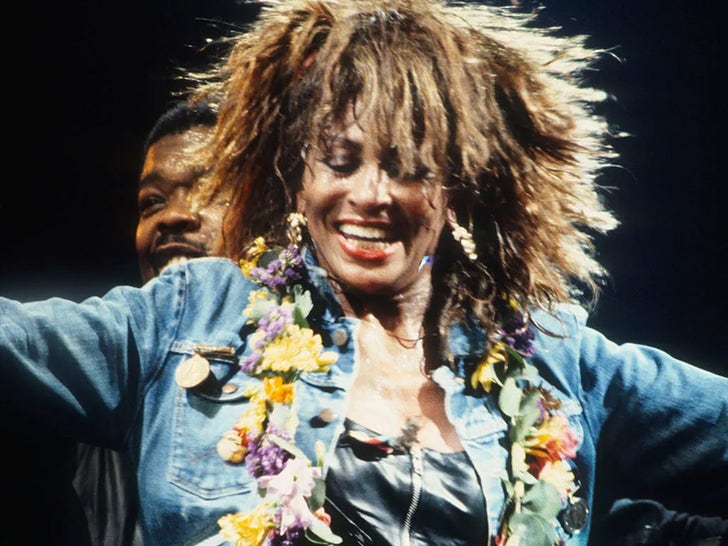
Another excellent resource is the official social media accounts of these major news organizations. However, exercise caution and verify the source. Look for the blue checkmark on platforms like Twitter (now X) which often signifies a verified account. Sometimes, an official statement from the celebrity's publicist or a verified family spokesperson might be the first confirmed confirmation. Again, always look for those signs of authenticity.
When exploring this topic, here are a few simple tips:
- Prioritize established news brands: Stick to names you recognize for their journalistic standards.
- Look for multiple confirmations: If several reputable sources are reporting the same information, it's a good sign.
- Be wary of sensational headlines: If it sounds too shocking to be true, it often is.
- Check the date of the report: Ensure you're looking at the most current, confirmed information.
- Avoid unverified social media accounts: Especially those without a clear affiliation or history of accuracy.
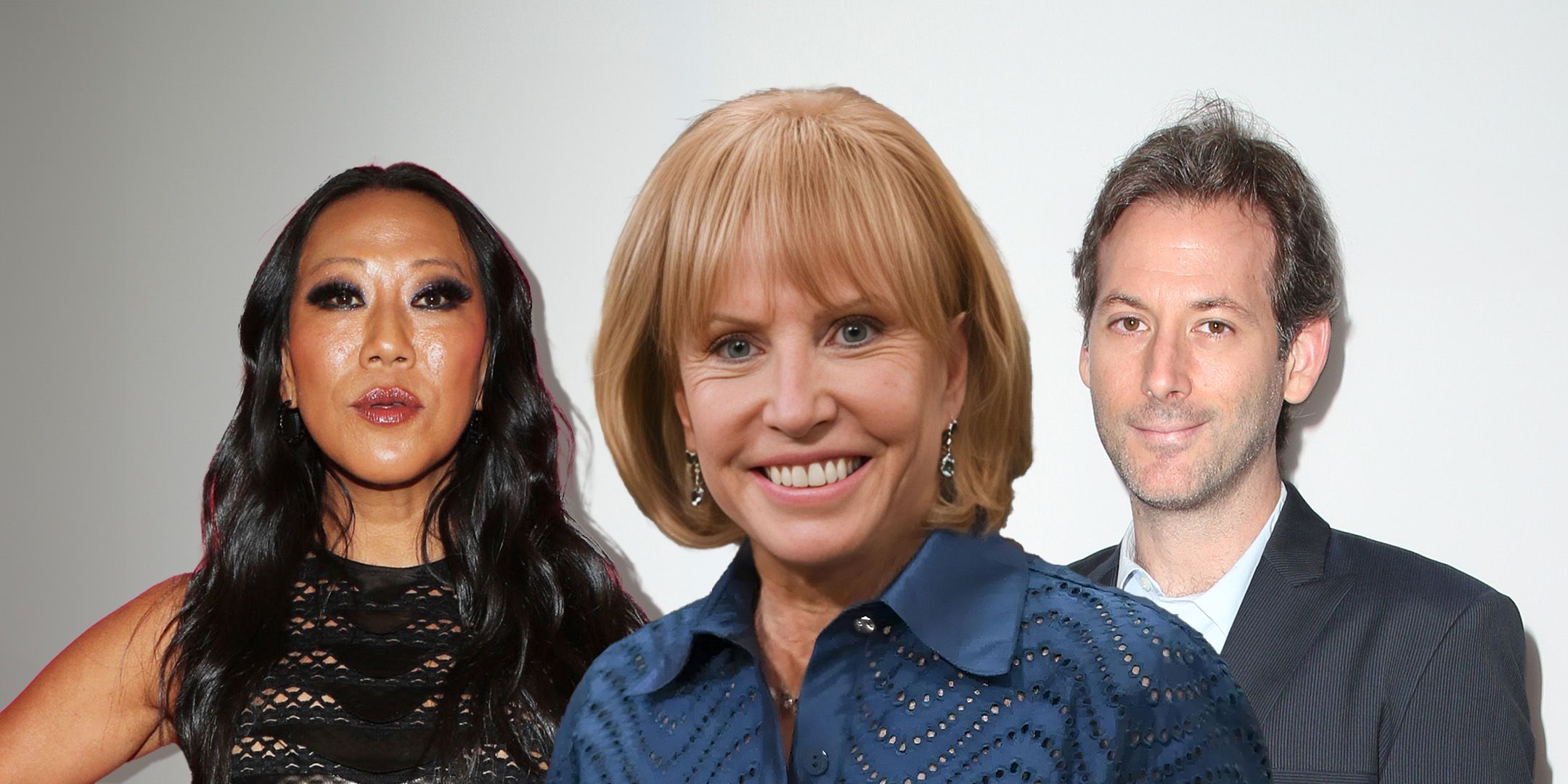
:max_bytes(150000):strip_icc():focal(749x0:751x2)/2024-celeb-deaths-tout-020224-1ba58cedbf7746c19ad109b9fefa8deb.jpg)