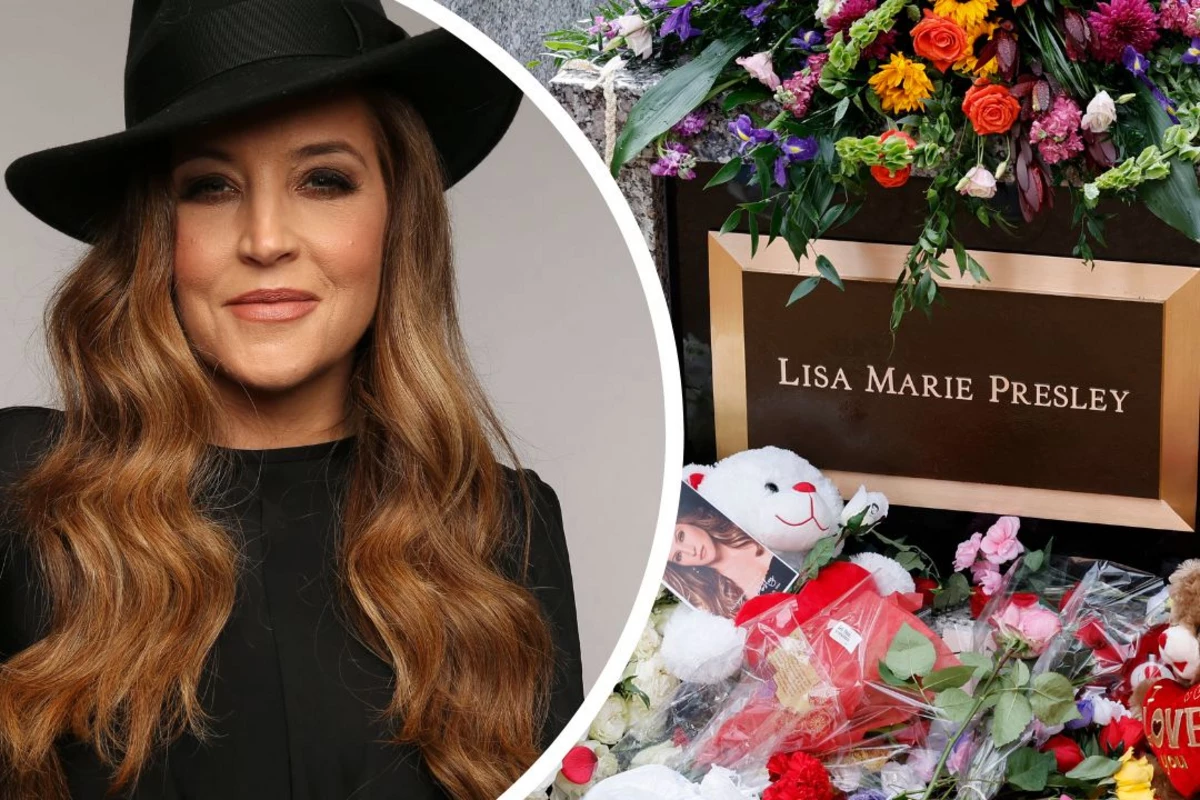
Remember that time last year when everyone on my feed lost their minds over a beloved actor who supposedly passed away, only for it to turn out he was alive and well, just… taking a very long nap? Yeah, me neither. Wink. But seriously, it happens. And it's not just a funny meme moment; it can actually be pretty upsetting for fans and even the celebrity's family.
We live in this super-connected world where news, or what looks like news, zips around faster than a Kardashian on a red carpet. And when it comes to celebrity deaths, the rumor mill can churn out some truly wild stuff. One minute you hear about a legend, the next you’re seeing headlines that would make your jaw drop. It’s like a rollercoaster of emotions, except sometimes the drop is totally fake!
So, today, let’s have a little chat about this whole “celebrity death news” thing. We’ll talk about why it’s so easy to get fooled, and more importantly, how we can become little digital detectives before we hit that share button and contribute to the chaos. Because let’s be honest, nobody wants to be the person who spread the rumor that [insert beloved celebrity here] is no longer with us, only for them to pop up on Instagram later that day with a perfectly filtered selfie.
The Siren Song of Sensationalism
Why is it that celebrity death news, real or fake, seems to grab our attention so fiercely? It’s a cocktail of emotions, really. There’s the genuine sadness, of course. We connect with these public figures through their work, their interviews, their very personas. They become a part of our cultural landscape, and their loss can feel surprisingly personal.
Then there’s the shock value. Let’s face it, a celebrity dying is big news. It’s a moment that makes us pause, reflect, and maybe even contemplate our own mortality. It's inherently dramatic, and drama, well, it sells. And the internet, being the voracious beast it is, feeds on that drama like a starving artist on a baguette.
And don’t forget the FOMO (Fear Of Missing Out). If everyone else is talking about it, you feel like you need to know. You want to be in the know, to have an opinion, to chime in on the collective grief or the stunned disbelief. Sharing the news, even if it's unverified, can feel like a way to participate in that moment.
It’s a powerful mix, and it makes us vulnerable to misinformation. The speed of social media means that an unsubstantiated rumor can spread like wildfire before anyone has a chance to hit the brakes and check the facts. It’s like a digital game of telephone, but with potentially devastating consequences.
The Usual Suspects: Where Rumors Start
So, where do these rumors typically spring from? It’s rarely a single, malicious source. More often, it’s a tangled web of clickbait, satire gone wrong, and genuine, albeit premature, reports that get amplified.
Clickbait Headlines: Ah, the humble clickbait headline. You know the ones: "Is [Famous Person] Dead? The Shocking Truth Will Leave You Speechless!" or "[Celebrity Name]'s Final Moments Revealed – You Won't Believe What Happened." These are designed to pique your curiosity and get you to click, regardless of the actual content. Sometimes, they are followed by actual news, but often they lead to pages filled with ads and very little substance. And sometimes, sadly, they’re just… made up.
Satire Sites: There are websites out there that are explicitly for satire, like The Onion. They publish fake news for comedic effect. The problem arises when people don’t realize it’s satire and share the articles as if they were legitimate news. It’s a classic case of mistaking a punchline for a headline.
Misinterpretation and Hearsay: Sometimes, information gets twisted. A celebrity might be reported as being seriously ill, and a misinformed person might jump to the conclusion of death. Or a vague statement from a family member could be misinterpreted and blown out of proportion.
Bot Accounts and Fake News Operations: Unfortunately, there are also organized efforts to spread misinformation, including fake celebrity death reports. These can be run by individuals or groups looking to cause mischief, generate traffic, or even manipulate public opinion for nefarious reasons. These accounts often have no real followers, but their fake news gets shared by unsuspecting users.
It’s a murky world out there, and it’s easy to get caught in the current of false information if you’re not careful. That’s why being a critical consumer of information is so important.
Becoming a Digital Sherlock Holmes
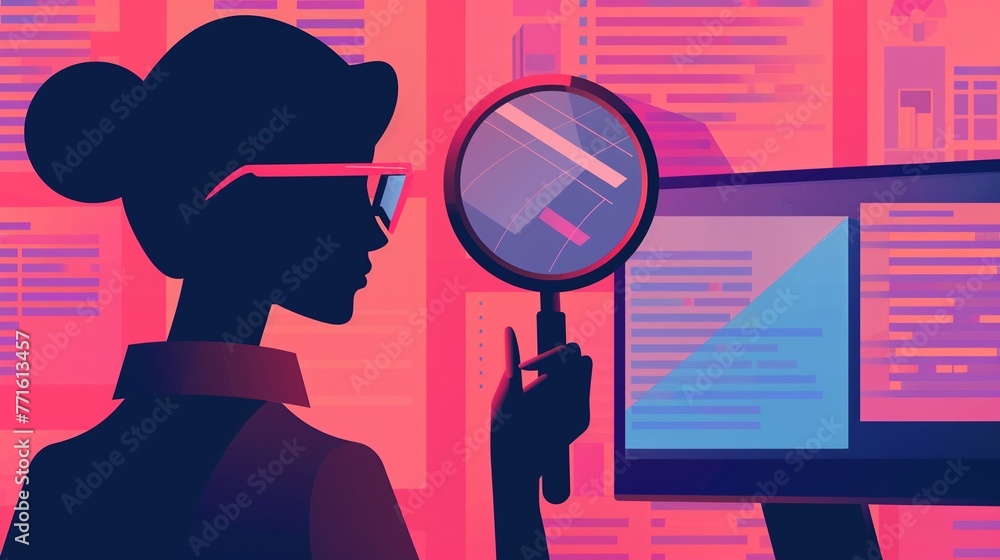
Okay, so we know the problem. Now, what do we do about it? We equip ourselves with a few handy tools and a healthy dose of skepticism. Think of yourself as a journalist, a fact-checker, a… digital Sherlock Holmes. Elementary, my dear Watson!
Step 1: Don't Panic, Just Pause.
The very first thing to do when you see a shocking headline about a celebrity death is to pause. Take a deep breath. Resist the urge to immediately click share or comment with your shocked reactions. That initial emotional response is exactly what the creators of misinformation want to exploit.
Ask yourself: "Is this source reputable?" Your gut feeling is often a good indicator. If the headline seems too outrageous, too sensational, or comes from a website you've never heard of, it's a red flag. Just a little nudge to your brain that says, "Hold on a sec."

Step 2: Check the Source. Seriously.
This is probably the most crucial step. Where did you see this news? Is it from a major, established news organization with a reputation for accuracy? Think BBC, Associated Press, Reuters, CNN, The New York Times, etc. These outlets have editorial processes, fact-checkers, and a vested interest in maintaining their credibility.
If the news is coming from:
- A random social media post with no attached link.
- A website with a strange URL or lots of flashing ads.
- A site you’ve never encountered before and can’t find any information about.
- A meme or image shared without context.
Then you should immediately be suspicious. Do a quick search for the website’s name. Does it have an "About Us" page? What do other sources say about it?
Step 3: Cross-Reference, Cross-Reference, Cross-Reference!
This is where the detective work really kicks in. If a legitimate news source reports a celebrity death, you’ll see that news echoed by multiple other major news outlets. If only one obscure site is reporting it, it’s almost certainly a fabrication.
If you see a headline on social media, do a quick Google search for the celebrity’s name along with "death." See what comes up in the search results. Are the top results from established news organizations? Or are they from sketchy blogs and forums?
It’s like doing a police investigation – you don’t just take one witness’s word for it. You look for corroborating evidence.

Step 4: Look for Official Statements.
When a celebrity dies, the news is usually confirmed by their publicist, their family, or their official representatives. You'll often see quotes from these sources in reputable news articles. If there’s no statement from an official representative, and the news is only circulating through unofficial channels, that’s another big red flag.
Sometimes, in the immediate aftermath of a potential death, there might be a period where official confirmation is still pending. In these cases, major news outlets will often report it as a "developing story" or "unconfirmed reports." This is a sign of responsible journalism, not a reason to jump to conclusions.
Step 5: Be Wary of "Breaking News" on Social Media.
Social media platforms are fantastic for connecting, but they are also breeding grounds for misinformation, especially when it comes to breaking news. Algorithms prioritize engagement, and sensational, unverified news often gets a lot of engagement.
Even if the news comes from an account that looks official (like a verified celebrity fan page), it's still wise to apply the same verification steps. Verified accounts can still share incorrect information, sometimes inadvertently.
Step 6: Consider the Date.
This one sounds obvious, but you’d be surprised how many old, debunked rumors resurface. Sometimes, people will share a story from years ago as if it just happened. Always check the date of the article or post.
It’s like finding a dusty old newspaper clipping in your attic. Interesting, sure, but probably not relevant to today’s headlines.
Step 7: When in Doubt, Stay Silent.
If, after all your detective work, you’re still unsure, the best course of action is to not share. It’s much better to be cautiously quiet than to spread false information that can cause pain and distress.
Think about it. If the news is true, it will be widely reported by credible sources soon enough. If it’s false, you’ve prevented yourself from becoming part of the problem. It’s a win-win for responsible digital citizenship.
The Ripple Effect of Falsehoods
Why is all this so important? Because these aren't just silly rumors. They have real-world consequences.
For the family and friends of the celebrity, it’s a constant barrage of grief and the added burden of having to constantly correct misinformation. Imagine going through the hardest time of your life, and then having to deal with the internet spreading lies about your loved one. It's unimaginable.
For fans, it can be a rollercoaster of emotional distress. They mourn a loss that never happened, only to be confused and hurt when the celebrity reappears. It erodes trust in information sources and can lead to a sense of helplessness.
And for the credibility of journalism, it’s a slow, steady erosion. When fake news spreads easily, it makes it harder for people to discern what’s real and what’s not, leading to increased cynicism and distrust.
So, let’s all commit to being more mindful. Let’s take that extra minute to verify before we share. Let’s be the signal of truth in a sea of noise.
Next time you see a shocking celebrity death headline, remember your inner detective. Do your due diligence. And if you’re not 100% sure, just… don’t share it. Your friends, the internet, and potentially the celebrity’s family will thank you for it. Now, go forth and be informed! And maybe treat yourself to a nice, verifiable cup of coffee for your efforts.