It's a strange but true thing: when a famous person passes away, a tiny thrill often zips through the internet. Suddenly, everyone is talking. News alerts pop up, social media explodes, and before you know it, you're deep in a rabbit hole of information.
And oh boy, can that rabbit hole be a wild ride! It's a mix of genuine sadness, shared memories, and, let's be honest, a whole lot of speculation. This is where the "fact-check" game really kicks into high gear.
The Instant Fame Frenzy
Think about it. The moment news breaks about someone like Betty White or Kobe Bryant, the world collectively gasps. We've seen them on our screens, cheered them on, or maybe just enjoyed their enduring presence for years. Their passing feels personal, even if we never met them.
This shared experience creates an immediate buzz. Everyone wants to be in the loop, to offer their condolences, and to share their favorite memories. It’s a moment of global connection, a fleeting feeling of being part of something bigger.
And that’s when the information starts to flood in. It’s like a celebrity memorial suddenly opens up on the internet, and everyone is invited. We scroll through tributes, watch old interviews, and, of course, try to confirm the news.
Whispers and Wild Guesses
But here's the juicy part: not everything you read is true. Not even close. In the rush to be the first to report, or just to join the conversation, rumors can spread like wildfire.
You might see a headline claiming a specific, unconfirmed cause of death. Or maybe a story about a feud that mysteriously led to their demise. These tales can be dramatic, sad, or even a little bit gossipy, making them incredibly tempting to believe.

It's like a real-life mystery unfolding, and everyone suddenly feels like a detective. We're all trying to piece together the story, to find the "real" reason behind the tragedy. It’s a morbid curiosity, perhaps, but it’s a powerful one.
The Allure of the Unverified
Why do we get so caught up in these unverified stories? Part of it is the desire for a complete narrative. We want to understand why. A simple "peaceful passing" might feel anticlimactic for such a larger-than-life personality.
A story with a bit of intrigue, a touch of drama, or a hidden secret? That's far more compelling. It fits our ideas of how epic lives might end, even if it's completely made up. It’s the stuff of Hollywood movies, and suddenly, it’s happening to people we know from the movies.
Think of the elaborate theories that sometimes pop up. They can be so creative, so detailed, that they feel plausible. It's the ultimate "what if" scenario, playing out in real time for the whole world to see.

The Truth Seekers Emerge
But then, the responsible ones step in. The official statements start to trickle out. Reputable news organizations begin to verify details. This is where the fact-checking really becomes important.
It's like a detective finally finding the smoking gun. The confusion starts to clear, and we get a more accurate picture. It’s important to pay attention to these verified sources, even if they’re less dramatic.
Seeing the official reports can be a little disappointing for those who enjoyed the speculation. The grand theories might crumble, replaced by a simpler, more mundane reality. But it's crucial for honoring the person and their legacy.
What to Trust and What to Toss
So, how do you navigate this information minefield? The golden rule is simple: look for official sources. This means statements from the celebrity's family, their representatives, or major, well-respected news outlets.
If you see a wild claim on a random blog or a social media post with no backing, it's probably best to take it with a grain of salt. Ask yourself: "Who is saying this, and do they have proof?" If the answer is unclear, it's time to ignore it.
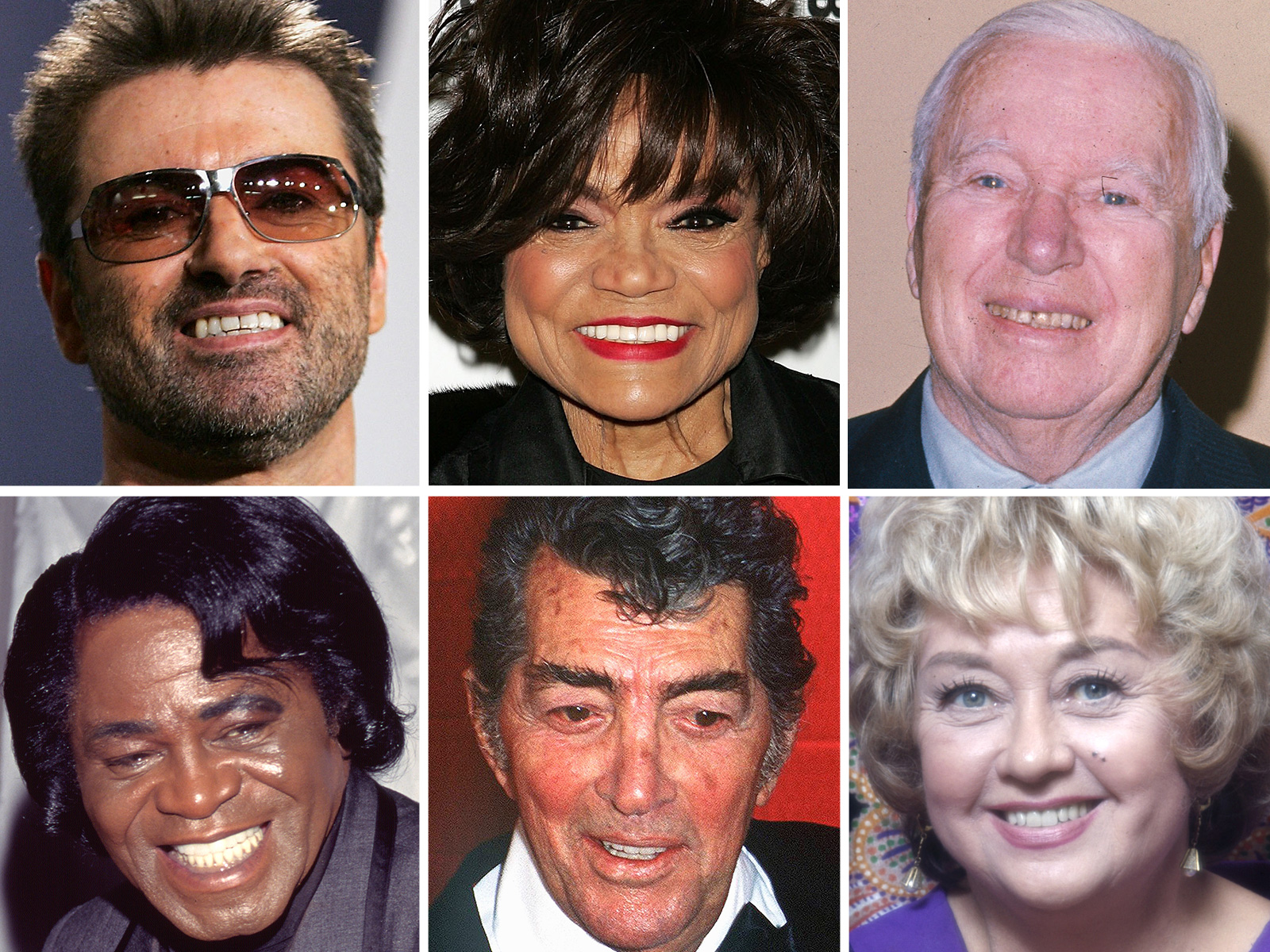
It’s also wise to be wary of sensational headlines. Those designed to shock or provoke are often exaggerating or outright lying. A truthful report usually focuses on the facts, not on creating drama.
Remember the case of a celebrity who was rumored to be alive for years after their actual passing? Those stories, while fascinating, are usually born out of grief and a refusal to accept reality, or simply internet mischief. They are almost always false.
The Power of Verified Stories
When a legitimate news outlet reports something, it's usually been vetted. Journalists have a responsibility to report accurately. They have editors who check their work. This makes their reports far more reliable than a random tweet.
The verified story might not have the shock value of a rumor, but it offers something more profound: respect. It allows us to remember the person accurately, with dignity. It’s about honoring their life, not spreading misinformation.

Think about the enduring legacy of someone like Robin Williams. The outpouring of love and tributes was immense. The verified accounts of his struggles and his passing helped many understand, and importantly, sparked conversations about mental health.
Why It's So Entertaining (and What Makes it Special)
Honestly, the whole process of following celebrity deaths online is a peculiar form of entertainment. It's a global event that brings us together, even in sadness. It’s a chance to reflect on the impact these figures have had on our lives.
The drama of the rumors, the excitement of the "reveal" as facts emerge, it’s all part of the online experience. It's a testament to how much we connect with public figures, how much they become a part of our cultural tapestry.
What makes it special is that it’s a collective mourning and a collective search for truth. We’re all trying to make sense of loss in the digital age. It's a reminder that even in the face of tragedy, humanity's curiosity and desire for connection shine through.
So, the next time you hear about a beloved celebrity passing, dive in! Explore the tributes, share your memories. But remember to keep a critical eye. Sift through the whispers, embrace the verified facts, and honor the stars we’ve lost by remembering them accurately. It’s a wild, weird, and sometimes wonderful part of our modern world.